
How to Administer Medication to Your Parrot Safely and Effectively
Published on: February 16, 2026 | Last Updated: February 16, 2026
Written By: Suzanne Levine
Giving your parrot medicine can feel overwhelming, with worries about causing stress, injury, or even a missed dose that affects their health. I’ve faced this challenge firsthand with my parrots, like Kiwi’s playful energy making it tough to keep her still, and I know how vital it is to get it right for their well-being.
Drawing from my experience caring for Kiwi, Sunny, and Sage, I’ll help you master this skill with practical, bird-friendly advice. Here are three key points we’ll explore:
- Gentle handling techniques to keep your parrot calm and secure during medication.
- Effective methods for giving liquid, pill, or injectable medications without fuss.
- Tips for monitoring your parrot’s response and ensuring their comfort post-treatment.
You’ll walk away with confidence and clear steps to make medication time stress-free for both of you. Topics covered include: safe restraint methods, administration tools, dosage accuracy, side effect checks, bonding after care
Getting Started with Parrot Medication
Giving medication correctly can mean the difference between a quick recovery and prolonged illness for your feathered friend. Parrots are masters at hiding sickness, so when treatment is needed, it’s often critical.
My first attempt at medicating Kiwi, my Green-cheeked Conure, was a comedy of errors. I learned that patience and a calm demeanor are just as important as the medicine itself. He’d shake his head, sending liquid medication flying, teaching me to be quicker and gentler.
Parrots typically need medication for a handful of common reasons.
- Bacterial or fungal infections affecting their respiratory system or digestive tract.
- Chronic conditions like arthritis or liver disease, especially in older birds.
- Parasites, both internal like worms and external like mites.
- Nutritional deficiencies that require specific supplements.
- Injuries from accidents or fights that need pain relief or antibiotics.
Types of Medications and Their Uses
Medications come in different forms, each designed for a specific purpose and method of delivery.
- Oral medications are liquids or pills absorbed through the digestive system.
- Topical treatments are applied directly to the skin, beak, or feathers.
- Injectables are administered with a needle, usually by a vet for fast action.
Your avian vet chooses the type based on the illness, how quickly the medicine needs to work, and your bird’s temperament. Regular vets may handle common pets, but avian medicine requires special training and equipment. A serious infection might need an injectable antibiotic, while a minor supplement is often given orally. That’s why your parrot often benefits from a specialist who understands avian anatomy and behavior. For more on this topic, consider the differences between avian vets vs regular vets, as it highlights the importance of specialized care.
| Route | Common Dosage Forms | Key Safety Tips |
|---|---|---|
| Oral | Liquid suspension, crushed pills in food | Always measure doses precisely; never mix with a full bowl of water. |
| Topical | Ointments, sprays, mite dust | Apply sparingly to avoid feather matting; prevent ingestion when possible. |
| Injectable | Liquid in vials for subcutaneous or intramuscular use | Typically for veterinary administration; requires proper needle handling and disposal. |
Oral Medications for Parrots
Getting a parrot to willingly take oral medicine is an art form that relies on trust and technique. I’ve found syringes to be the most reliable method for my flock. This goes hand in hand with the most common parrot health concerns. This is a complete guide to those concerns.
Syringe feeding allows for direct control over the dose.
- Gently restrain your parrot in a towel, leaving its head accessible.
- Insert the syringe tip into the side of the beak, right into the gap.
- Depress the plunger slowly, allowing the bird to swallow.
Hiding medication in a favorite food is a great low-stress alternative for clever birds. I’ve had success mixing liquid meds with a bit of mashed banana or hiding a crushed pill inside a small piece of walnut for Sage.
Using droppers requires a steady hand.
- Calm your bird first with some gentle head scratches.
- Place individual drops onto the side of the beak, letting your parrot lick them off.
- Always confirm the entire dose has been consumed and not dribbled away.
Topical and Injectable Options
Topical treatments are generally easier to administer, but you still need a careful approach.
For skin issues, part the feathers gently to apply ointment directly to the affected area. I’ve had to do this for Sunny when he had a minor skin irritation, making it a quick, calm process with a favorite treat waiting afterward.
Sprays should be directed away from the face and eyes, preferably in a well-ventilated space.
Injectables are a different ballgame.
- They are used when a precise, rapid dose is required, such as with certain antibiotics or fluids.
- This method is almost always performed by a veterinarian due to the skill and precision needed.
- If you are trained to do it at home, strict hygiene and proper needle disposal are non-negotiable for everyone’s safety.
Essential Tools for Administering Medication
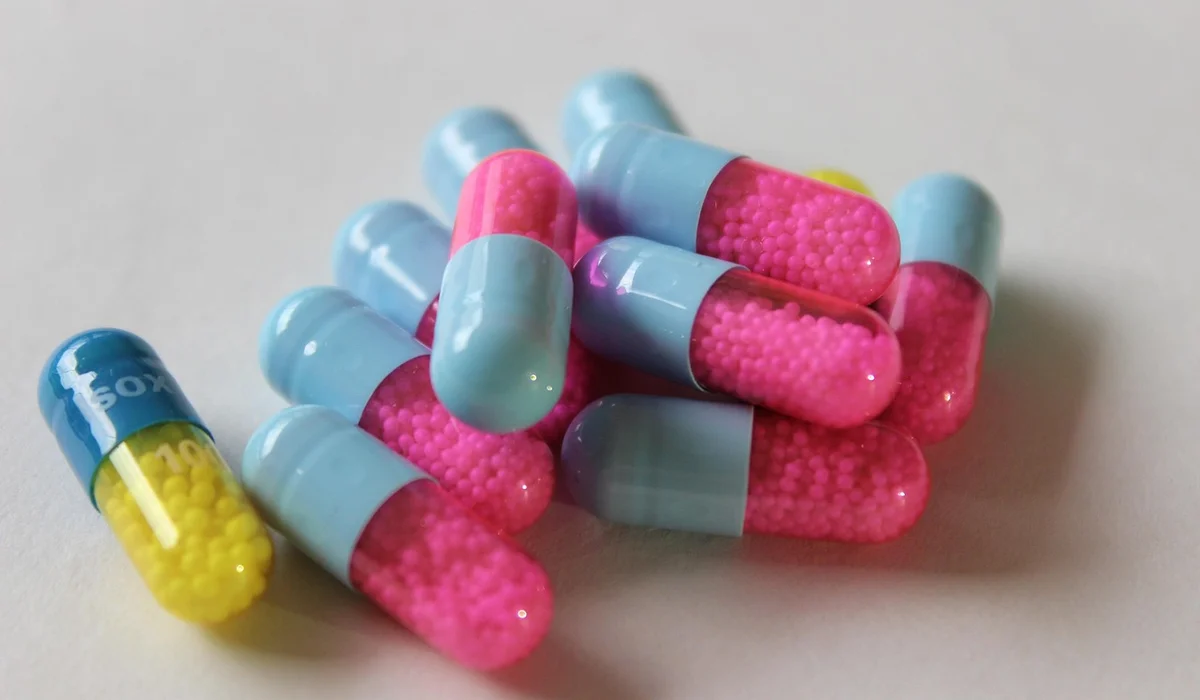
Gathering the right tools turns a tricky task into a smooth routine for you and your feathered friend. Having reliable equipment on hand prevents spills and ensures your parrot gets the full dose every time.
Must-Have Supplies
- Syringes: Pick oral syringes without needles for liquid medications; they offer precise control over dosage.
- Droppers: Ideal for small amounts or eye drops, providing gentle application without overwhelming your bird.
- Measuring tools: Use calibrated spoons or cups, but cross-check with a syringe to avoid errors in measurement.
Select bird-safe materials like BPA-free plastic to avoid harmful chemicals. These guidelines help you make safe, fun homemade toys for your parrot. Choose tools with smooth edges and no loose parts to keep your parrot safe from injuries.
After caring for Kiwi, my playful Green-cheeked Conure, I realized cleanliness stops germs in their tracks. Rinse syringes and droppers with warm, soapy water immediately after use, and let them air-dry to maintain hygiene.
Safe Handling and Restraint Techniques
Proper handling keeps your parrot calm and secure during medication sessions. A gentle approach builds trust and makes future doses easier to administer.
- Approach your parrot slowly from the side, avoiding sudden movements that might startle them.
- Use a soft towel to wrap them loosely, supporting their body and wings without squeezing.
- Hold them against your chest with one hand, keeping their head slightly elevated for comfort.
Beak safety is non-negotiable-never grip too tightly, as parrots use their beaks to explore and communicate. Allow slight movement to reduce fear, and watch for signs of stress like rapid breathing or feather fluffing.
With Sunny, my social Sun Conure, I learned that a calm voice and slow petting soothe nervous birds. Offer a favorite treat afterward to create positive associations and ease anxiety for next time.
Step-by-Step Administration Methods
Giving medicine to your parrot doesn’t have to be a battle. I’ve found that a calm, methodical approach works best for all my birds, from playful Kiwi to smart Sage. Follow these steps to make oral administration smooth and stress-free. Even when you’re treating a sick parrot at home, first aid and calm, quick action can buy crucial time. If conditions worsen or you’re unsure, seek professional emergency care promptly.
- Consult your veterinarian for exact dosage and instructions tailored to your parrot’s needs.
- Prepare the medication in a quiet room with minimal distractions to keep your parrot relaxed.
- Gently hold your parrot using a soft towel if needed, supporting its body to prevent injury.
- Choose the administration method-mixing with food or using a syringe-based on what your parrot tolerates best.
- Administer the dose carefully, watching for signs of stress or refusal.
- Reward your parrot with a small treat or praise to create positive associations.
- Monitor your bird closely for any adverse reactions over the next hour.
Mixing Medication with Food
Hiding pills in food can be a game-changer for picky eaters. With Kiwi, I often crush her pills and mix them into mashed sweet potato-she gobbles it up without a second thought. Just ensure the food doesn’t reduce the medication’s effectiveness by checking with your vet.
- Safe foods for mixing: mashed fruits like banana or apple, cooked grains, or nut butter (if no allergies).
- Avoid foods high in calcium or fats that might interact with the medicine, and steer clear of avocado or chocolate, which are toxic to parrots.
Using Syringes and Droppers
Liquid medications require precision and care. I always practice with water first to get the hang of it, especially with squirmy birds like Sunny. Here’s how to dose accurately and avoid common pitfalls.
- Draw the correct amount of liquid into the syringe, checking for air bubbles.
- Hold your parrot securely but gently, tilting its head slightly upward.
- Insert the syringe tip into the side of the beak, aiming toward the back to prevent choking.
- Depress the plunger slowly, allowing your parrot to swallow between small doses.
- Clean the syringe thoroughly after each use to prevent contamination.
Common mistakes include rushing the process or forcing the syringe, which can lead to aspiration-always go at your parrot’s pace.
Managing Dosing Schedules and Storage
Consistency is crucial for your parrot’s recovery. Setting alarms on my phone saved me when Sage needed twice-daily doses-it kept us both on track without guesswork. Stick to the same times each day to maintain steady medication levels in their system.
Store medications in a cool, dry place away from direct sunlight to preserve potency. I keep ours in a labeled container in a kitchen cabinet, far from curious beaks and humidity. Always check expiration dates and discard any unused portions as directed.
| Time | Medication | Notes |
|---|---|---|
| 8:00 AM | Antibiotic | Mix with morning fruit mash |
| 8:00 PM | Antibiotic | Administer via syringe if refused in food |
Monitoring for Side Effects and Safety
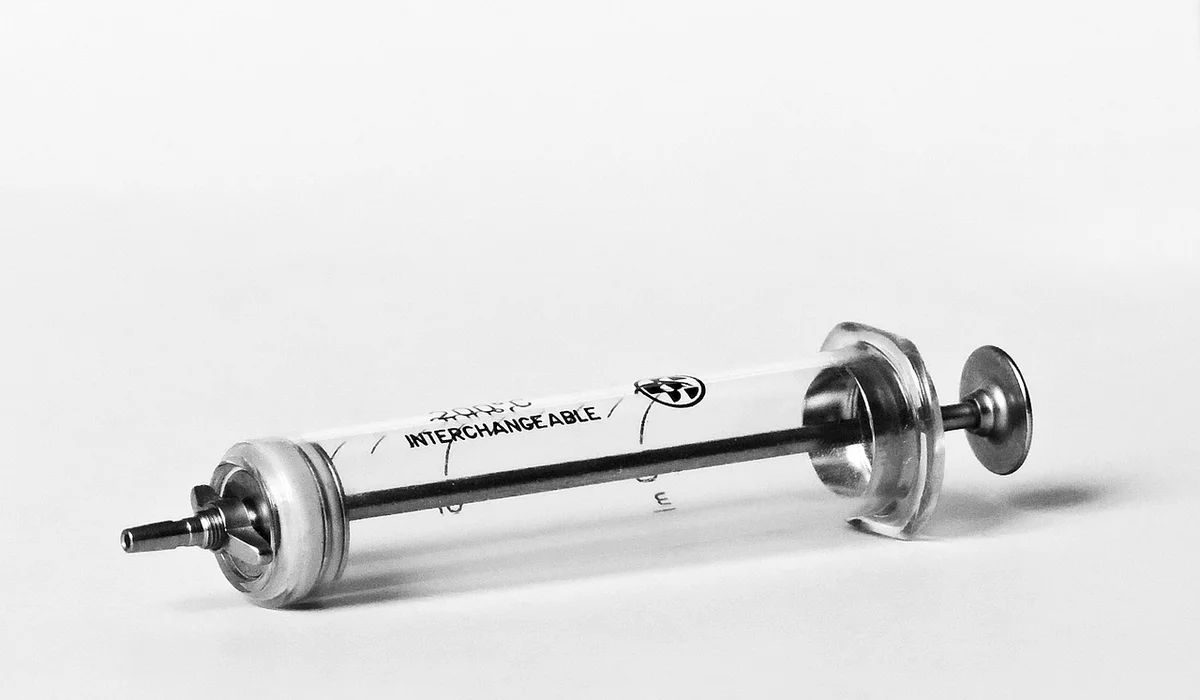
Giving medicine is one thing, but the real work starts with watching your feathered friend closely afterward. You are your parrot’s first line of defense against adverse reactions, so your observation skills are critical.
Common Side Effects to Watch For
Medications can cause a range of unexpected changes. Keep a sharp eye out for these common signs:
- Lethargy or unusual tiredness
- Loss of appetite or changes in drinking habits
- Diarrhea or unusually watery droppings
- Vomiting or regurgitation
- Changes in feather condition, like fluffing up for long periods
- Skin irritations or rashes
How to Track Changes in Behavior or Health
I keep a simple notebook dedicated to my parrot’s health. Documenting even small changes creates a powerful timeline that helps you and your vet spot patterns. Here is my daily tracking routine:
- Note the time and dose of each medication given.
- Record food and water intake at breakfast and dinner.
- Jot down energy levels and any unusual vocalizations.
- Check droppings for color and consistency changes.
Personal Stories of Monitoring and Adjusting Care
My Green-cheeked Conure, Kiwi, once needed a course of antibiotics. On day three, I noticed he was much quieter and had stopped playing with his favorite bell toy. Because I was tracking his behavior, I knew this was a significant shift from his normal playful self. I called the vet immediately, and we adjusted his dosage. That simple act of vigilant monitoring prevented a more serious reaction and got him back to his cheerful, mischievous self within a day.
When to Contact Your Veterinarian
Knowing when to call for professional help is just as important as giving the medication correctly. Never hesitate to contact your vet if you feel something is off; your intuition as a pet parent is a powerful tool.
Signs That Require Immediate Vet Attention
Some symptoms are red flags that demand urgent care. Pick up the phone right away if you see:
- Difficulty breathing or open-mouth breathing
- Seizures, loss of balance, or inability to perch
- Bleeding from any orifice that does not stop
- Complete refusal to eat or drink for more than 12 hours
- Signs of severe pain, like constant screaming or feather plucking
What Information to Have Ready When Calling
To get the best help quickly, have this information at your fingertips when you call the vet:
- The exact name and strength of the medication.
- The dosage you have been administering and the schedule.
- A concise list of the symptoms you are observing.
- When the symptoms first started.
- Any other medications or supplements your parrot is taking.
Being prepared with these details helps the vet make a faster, more accurate assessment over the phone.
The Importance of Follow-ups and Prescription Updates
Never stop or change a medication without direct instructions from your veterinarian. Completing the full course of treatment is often necessary to fully resolve an infection, even if your bird seems better. I always schedule a follow-up appointment to ensure the treatment worked and that no long-term adjustments are needed. This proactive step ensures my parrot’s health is fully restored and the medication regimen was successful. Regular annual vet check-ups are a key part of parrots’ preventative care, helping catch issues early. These routine exams complement treatment follow-ups to support long-term health.
FAQs
How can I prepare my parrot for medication sessions to minimize fear?
Gradually introduce your parrot to the medication tools in a calm, positive setting without administering anything. Use rewards like favorite treats or gentle praise during these practice sessions to build a trusting association. This approach reflects bonding techniques that work to build trust with your parrot. Stay patient and keep sessions positive to reinforce that trust over time.
What should I do if I accidentally miss a dose of my parrot’s medication?
Contact your avian veterinarian as soon as possible for specific instructions based on the medication and timing. Avoid giving a double dose unless directed, as this could lead to harmful side effects or reduced efficacy. Your vet will outline common medications you might encounter—how they’re given, typical dosing, and potential side effects. They’ll also explain what follow-up care and monitoring to expect during treatment.
Are there ways to tell if the medication is working without waiting for a vet check-up?
Look for positive signs like improved energy levels, normal eating and drinking habits, and resolution of initial symptoms over time. Keep a daily log of these observations to share with your vet for accurate assessment and any needed adjustments.
Final Words
Getting medication into your parrot safely boils down to a few simple steps: gentle restraint, correct syringe placement in the side of the beak, and a calm, confident attitude. During vet visits, calm, predictable handling helps reduce stress for your parrot. Practice gentle restraint at home to build trust and make vet visits smoother. Always follow your vet’s dosage instructions precisely and never force-fight your bird, as patience and positive reinforcement afterward are your best tools for success.
Caring for a parrot is a long-term commitment that demands we stay curious and informed. Your willingness to learn these essential skills, from medication to daily care, directly shapes your bird’s quality of life and strengthens the incredible bond you share. Being aware of common health issues that can affect a parrot’s lifespan helps you spot problems early and seek timely care. Regular checkups and preventive measures can make a meaningful difference in how long and well your bird lives.
Further Reading & Sources
- How To Give Medication To A Parrot
- How to Medicate your Parrot | ThinkParrot
- r/parrots on Reddit: Tips for giving medication?
Suzanne Levine is a dedicated parrot enthusiast and experienced avian caregiver with over 15 years of hands-on experience in parrot care. As the founder of Parrot Care Central, Suzanne is passionate about sharing her knowledge and insights to help fellow parrot owners provide the best possible care for their feathered friends. Her expertise spans nutrition, behavior, health, and enrichment, making her a trusted resource in the parrot care community.
Health & Wellness