
Are Conures Parrots? Understanding Conure Species and Care
Published on: April 12, 2026 | Last Updated: April 12, 2026
Written By: Suzanne Levine
If you’ve ever asked, “Are conures parrots?” you’re likely feeling a mix of curiosity and concern about whether you’re meeting your feathered friend’s needs, from diet to social habits. I’ve raised conures like my energetic Green-cheeked Kiwi and vocal Sun Conure Sunny, and I know how vital it is to get this right for their well-being.
Drawing from my years of hands-on bird care, I’ll guide you through the essentials to clear up any confusion. Here are the core insights we’ll cover:
- Conures are a vibrant group of parrots with unique traits that set them apart.
- Proper care hinges on a balanced diet, safe housing, and plenty of interaction.
- Understanding their personalities helps prevent stress and health issues.
You’ll find practical, easy-to-follow advice that I’ve used with my own flock to keep them thriving. For a quick scan, the article dives into: Species overview, Daily care tips, Health monitoring, Behavior guidance.
What Are Conures? Unpacking the Parrot Family Tree
Conures absolutely belong to the parrot family, scientifically known as Psittacidae. They are true parrots, often mistaken for parakeets, but they form a distinct group within the larger parrot family tree. I’ve spent years caring for my own conures and studying their behavior, and their parrot heritage is undeniable in everything from their curved beaks to their incredible intelligence.
Conure vs. Other Parrots: A Quick Comparison
| Trait | Conures | Other Popular Parrots (e.g., African Grey, Amazon) |
|---|---|---|
| Typical Size | Small to Medium (10-20 inches) | Medium to Large (10-40 inches) |
| Noise Level | Can be loud, with sharp calls | Often louder, with greater vocal range |
| Average Lifespan | 15-30 years | 30-80 years |
| Personality | Playful, clownish, highly social | Ranges from intensely intellectual to independently minded |
Key Traits That Make Conures Parrots
From my daily interactions with Kiwi and Sunny, I see classic parrot traits every single day. These specific characteristics are what firmly place conures in the parrot category. In a parrot species identification guide, these traits help you compare different parrots and see where they differ in appearance. Do different parrots look alike? The guide walks you through the clues to tell them apart.
- Zygodactyl Feet: Two toes forward and two toes back, perfect for grasping food and climbing around their cage just like my Sage, the African Grey.
- Curved, Powerful Beak: Designed for cracking nuts and seeds, which is a hallmark of all parrot species.
- High Intelligence and Problem-Solving Skills: My Green-cheeked Conure, Kiwi, can figure out simple puzzle toys in minutes.
- Ability to Mimic Sounds and Speech: While not all conures are prolific talkers, many, like my Sun Conure Sunny, learn to whistle and mimic household noises.
Popular Conure Species: A Rainbow of Feathered Friends
The world of conures is bursting with color and personality. Each species brings its own unique flair, noise level, and care requirements to your home. Having lived with a few, I can tell you that choosing the right one makes all the difference.
-
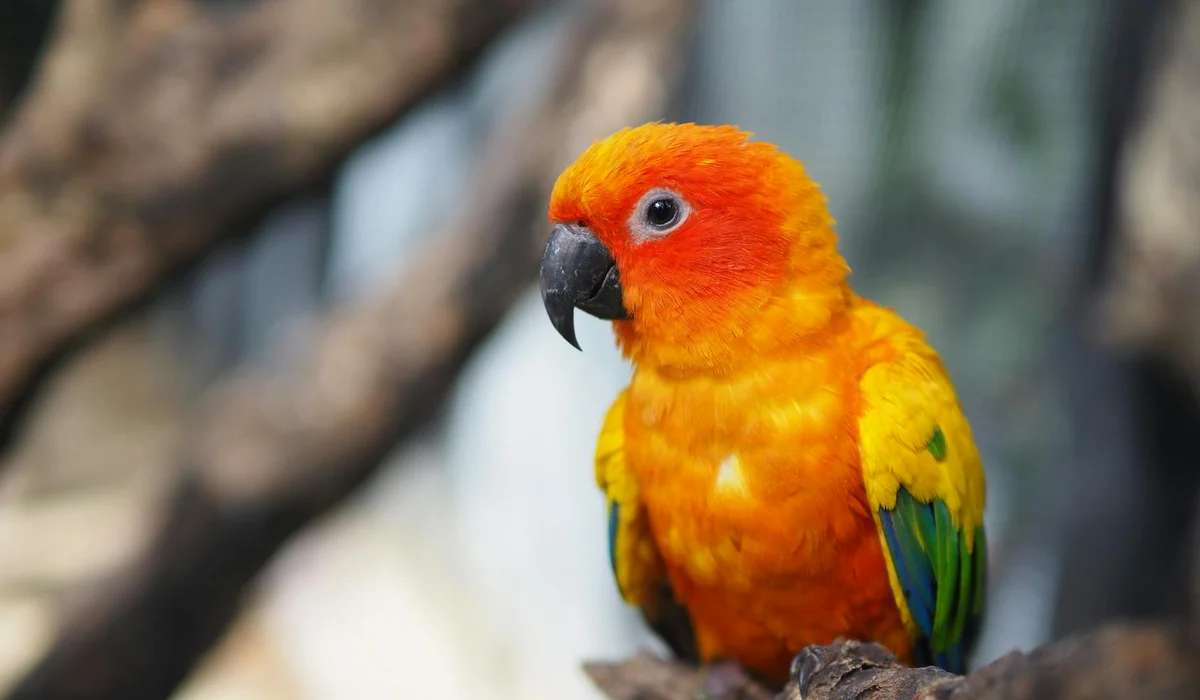
Sun Conure
- Colors: A stunning mix of yellow, orange, green, and blue, like a flying sunset.
- Personality: Extremely social, affectionate, and demanding of attention. My Sunny follows me from room to room.
- Size: About 12 inches long.
- Noise Level: High. Their contact calls are piercing and frequent.
- Best For: Experienced owners who can handle the noise and want a “velcro” bird.
-
Green-cheeked Conure
- Colors: Mostly green with a maroon belly and stunning blue flight feathers.
- Personality: Playful, curious, and a bit more independent than Sun Conures. My Kiwi is a little acrobat.
- Size: A compact 10 inches.
- Noise Level: Moderate. They are among the quieter conures, with more chirps than screams.
- Best For: First-time conure owners or those living in apartments.
-
Jenday Conure
- Colors: Bright green wings with a fiery orange and yellow head and body.
- Personality: Energetic, playful, and very intelligent.
- Size: Around 12 inches.
- Noise Level: High, similar to the Sun Conure.
- Best For: Active families who can provide lots of interaction and playtime.
-
Nanday Conure
- Colors: Mostly green with a distinctive black head and a red “stocking” on its legs.
- Personality: Bold, funny, and can be quite loud when they want to be.
- Size: One of the larger conures at about 13-14 inches.
- Noise Level: Very high. They have a powerful, raspy call.
- Best For: Owners with a dedicated bird room or a very tolerant household.
Conure Care Essentials: Diet, Housing, and Health Basics
Nutrition and Feeding
Feeding my conures, Kiwi and Sunny, taught me that variety is the secret to a vibrant, healthy bird. A balanced diet prevents boredom and ensures they get all the necessary vitamins and minerals. For anyone new to parrots, understanding parrot diet requirements by species is essential. A complete feeding guide can help you tailor meals to each bird’s unique needs.
- High-Quality Pellets: These should form about 60-70% of their daily food intake.
- Fresh Vegetables: Offer daily. Our favorites are chopped kale, sweet potatoes, carrots, bell peppers, and broccoli.
- Fresh Fruits: Give as treats a few times a week. My birds go crazy for diced apples, bananas, berries, and melon.
- Healthy Seeds & Nuts: Use sparingly as high-fat rewards. We use safflower seeds, a few pine nuts, or pieces of walnut.
Introducing new foods requires patience. Start by placing the new food near their favorite treat so they associate it with something positive. I always chop new items into tiny, manageable pieces. Never offer avocado, chocolate, caffeine, or onions, as these are toxic and can be fatal.
Housing and Enclosure Setup
Your conure’s cage is their castle, and getting it right makes a world of difference in their happiness. The ideal cage is wider than it is tall to accommodate their flying and climbing nature. Follow these steps for a perfect setup:
- Choose the Right Cage: Aim for a minimum size of 24″ x 24″ x 30″. Bigger is always better.
- Select Varied Perches: Use different diameters and materials like natural wood, rope, and a concrete perch for nail filing.
- Strategic Placement: Put the cage in a family room area, against a wall for security. Avoid direct sunlight, drafts, and the kitchen.
- Add Essential Accessories: Include at least two sturdy food bowls and a water source.
Enrichment is non-negotiable for these intelligent birds. Rotate a collection of destructible toys, foraging puzzles, and swings to keep their minds sharp and engaged. My conures love shredding cardboard and solving simple puzzle feeders for their snacks.
Health and Lifespan
With proper care, conures can be joyful companions for a long time. Preventive care is your best tool for avoiding common health issues. Watch for these signs and act promptly:
- Feather plucking or loss
- Lethargy or sitting fluffed up at the bottom of the cage
- Changes in droppings or appetite
- Sneezing, wheezing, or discharge from the nares
The average conure lifespan is 20 to 30 years. I’ve found that a consistent routine, a clean environment, and annual check-ups with an avian vet are the pillars of a long, healthy life. Providing plenty of out-of-cage time for exercise and social interaction is just as important as their diet. Diet quality directly affects a parrot’s health and longevity, and a balanced, varied diet supports immunity, digestion, and vitality over time. For more information, check out the article on Parrot diet and longevity.
Behavior and Social Life: Understanding Your Conure’s Needs
Conures are incredibly social creatures with big personalities. Their vocalizations range from cheerful chirps to loud contact calls, which is how they check in with their flock-and that’s you! My Sun Conure, Sunny, has a specific call he uses just when I enter the room.
Taming a conure is a journey of trust. Move slowly and let the bird set the pace, offering a favorite treat from your open hand without making sudden movements. I spent weeks just sitting near Kiwi’s cage, talking softly before she ever stepped onto my finger. Building this foundation makes all future handling easier.
Learn to read your conure’s body language. It tells you everything.
- Signs of a Happy Conure: Soft chattering, preening, playing with toys, and the “eye pinning” blink where their pupils rapidly constrict.
- Signs of a Stressed Conure: Hissing, biting, crouching low with feathers slicked back, or consistent, loud screeching.
Daily interaction is key. Including your bird in your daily activities, even just by having their cage nearby, fulfills their deep need for companionship. A neglected conure is an unhappy, and often unhealthy, bird. Sometimes it’s worth considering whether a parrot is the right pet for you.
Bringing a Conure Home: Selection and Initial Setup
Finding your new feathered friend is an exciting first step. I always recommend checking local bird rescues first-my green-cheek Kiwi came from one, and giving a bird a second chance feels incredibly rewarding. Many wonderful conures need loving homes.
Your Step-by-Step Guide to Choosing a Healthy Bird
- Observe the bird’s environment. It should be clean, spacious, and free from strong chemical smells.
- Look for clear, bright eyes and clean, smooth feathers. Avoid birds that seem puffed up or lethargic.
- Listen for clear breathing. Wheezing or clicking sounds can signal respiratory issues.
- Ask about the bird’s history, diet, and known personality traits. A good breeder or rescue will be transparent.
- Spend time interacting. A curious, alert bird that shows interest in you is often a great sign.
Essential Initial Supplies and Costs
Getting set up requires a small investment. Buying quality items from the start saves money and stress later, something I learned the hard way with my sun conure, Sunny.
| Item | Estimated Cost |
|---|---|
| Large, sturdy cage | $150 – $400 |
| Variety of perches (different sizes/materials) | $30 – $60 |
| Food and water dishes (stainless steel is best) | $15 – $30 |
| High-quality pellet diet & seed mix | $25 – $40 |
| Initial toy assortment (foraging, shredding, puzzles) | $50 – $100 |
| Travel carrier | $40 – $80 |
| First vet wellness check | $75 – $150 |
Acclimating Your Conure to Its New Home
Bringing your bird home is a big change for them. Patience is your most valuable tool during this transition period, which can last from a few days to a few weeks. To help you on your parrot’s first day home, here’s a simple step-by-step survival guide.
- Place the cage in a quiet, family-occupied room-not an isolated corner. They need to feel part of the flock.
- Let them explore the cage on their own terms for the first day or two without forcing interaction.
- Speak to them in a calm, soothing voice. I used to read aloud to Kiwi so he’d get used to my voice.
- Offer favorite treats from your hand through the cage bars to build positive associations.
- Maintain a consistent routine for lights on/off, feeding, and quiet time to provide a sense of security.
Ongoing Costs and Supplies for Happy Conure Ownership
Caring for a conure is a long-term financial commitment. Budgeting properly ensures you can always provide the best life for your parrot, which is the core of responsible ownership. To truly plan, you’ll want a complete parrot ownership cost breakdown—from purchase to lifelong care. This helps you anticipate one-time costs, ongoing expenses, and emergencies.
Monthly Expense Breakdown
- Food: $25 – $50 for a mix of high-quality pellets, fresh vegetables, and occasional fruit.
- Toys: $20 – $40. Conures are intelligent and destructive; they need new puzzles and shreddables regularly.
- Vet Care: $15 – $30 (set aside monthly for an annual check-up, which typically costs $180 – $360).
- Bedding/Miscellaneous: $10 – $20 for cage liner paper and other small supplies.
Budgeting for Health and Happiness
Unexpected vet bills are a reality of pet ownership. I put aside a small amount each month into a “bird emergency fund,” which was a lifesaver when Sage needed an unexpected visit. This is especially important when considering the hidden costs of parrot ownership, such as veterinary care, toys, and other emergency expenses.
- Prioritize annual wellness exams. Catching issues early is kinder and often cheaper.
- Invest in avian insurance or maintain a dedicated savings fund of at least $500-$1000 for emergencies.
- Be prepared for potential costs like blood work, X-rays, or medications, which can run hundreds of dollars.
The Long-Term Commitment in My Home
Conures can live for 20-30 years. My birds are not pets; they are family members whose welfare is my responsibility for their entire lives. I plan for their future in my will. Watching Kiwi’s playful antics and Sunny’s affectionate natures for decades is a joy, but it requires consistent financial and emotional investment. Proper care is a promise you make to them.
FAQs
Are conures classified as parrots?
Yes, conures are scientifically classified as parrots within the Psittacidae family. They share core parrot traits like zygodactyl feet and curved beaks, which distinguish them from other bird groups.
Is a conure considered a parakeet?
No, conures are not parakeets, as parakeet is a common term for small, long-tailed parrots like budgies. Conures form a distinct group with different physical and behavioral characteristics. To understand how parakeets differ from other parrots, you can read about the difference between parrots and parakeets.
What key features confirm conures are parrots?
Conures exhibit classic parrot features, such as high intelligence and the ability to mimic sounds. Their physical traits, like strong, curved beaks for cracking nuts, align with those of other parrot species.
How do conures differ from other parrot types?
Conures are generally smaller and more playful than larger parrots like African Greys, with shorter lifespans and distinct vocalizations. They require similar social interaction but may have different care needs due to their size and energy levels.
Can conures be mistaken for parakeets in appearance?
Conures can be confused with parakeets due to their similar size and vibrant colors, but conures often have stockier builds and different tail shapes. Observing details like beak structure and behavior helps in accurate identification.
Closing the Loop
So, are conures parrots? Absolutely yes, and their small size packs a huge parrot personality that demands proper socialization, a balanced diet, and plenty of mental enrichment. Caring for my own conures, Kiwi and Sunny, has taught me that meeting these needs is what transforms a noisy bird into a cherished, feathered family member. A quick contrast with large parrots shows how lifestyle commitments scale with size. When you compare small parrots to larger species, space, time, and enrichment needs shift.
Owning any parrot is a long-term promise, so always prioritize their welfare by committing to lifelong care, regular avian vet check-ups, and never stopping your education on pet parrot behavior and health. Your journey with your conure is a beautiful, evolving partnership built on mutual trust and respect.
Further Reading & Sources
- Conure – Wikipedia
- Conure Fast Facts – Pet Birds by Lafeber Co.
- Classifications & Obfuscations Regarding Conure Parrots – Windy City Parrot
Suzanne Levine is a dedicated parrot enthusiast and experienced avian caregiver with over 15 years of hands-on experience in parrot care. As the founder of Parrot Care Central, Suzanne is passionate about sharing her knowledge and insights to help fellow parrot owners provide the best possible care for their feathered friends. Her expertise spans nutrition, behavior, health, and enrichment, making her a trusted resource in the parrot care community.
Finding a Parrot