
Is a Parrot the Right Pet For You?
Published on: April 11, 2026 | Last Updated: April 11, 2026
Written By: Suzanne Levine
Thinking about bringing a parrot home but worried about the noise, mess, or long-term commitment? You’re not alone-many people struggle with these same fears before making a decision.
As someone who’s shared my life with parrots like Kiwi, Sunny, and Sage, I’ve seen the ups and downs firsthand. I’m here to help you weigh the pros and cons with honest, experience-based insights.
We’ll focus on three key areas to guide your choice:
- Time and attention needs-parrots thrive on daily interaction and mental stimulation.
- Financial responsibilities-from food to vet care, costs can surprise you.
- Lifestyle compatibility-your home and schedule must suit a parrot’s social nature.
By the end, you’ll have a clear, no-nonsense view of what parrot ownership involves. We’ll dive into noise levels, diet, training, lifespan, housing, and personality fit to give you all the details.
What Makes Parrots Unique Companions?
Parrot Species Overview
Parrots aren’t a one-size-fits-all pet; their personalities and needs vary wildly by species. My Green-cheeked Conure, Kiwi, is a little acrobat who loves hanging upside down, while my African Grey, Sage, prefers quietly solving puzzle toys for hours. This diversity means you can often find a bird whose energy level matches your lifestyle.
- Small Parrots (e.g., Budgies, Cockatiels, Green-cheeks): Often more manageable for first-time owners, packed with big personalities in small bodies. They can be playful and mischievous.
- Medium Parrots (e.g., Conures, Caiques): Energetic clowns that demand interaction and provide endless entertainment with their goofy antics.
- Large Parrots (e.g., African Greys, Macaws, Cockatoos): Incredibly intelligent and capable of deep bonds, but they require a massive commitment of time, space, and mental stimulation.
Lifespan and Long-Term Bonding
Getting a parrot isn’t a short-term decision. Many parrots live for decades, forming a bond that can last a significant portion of your life. My Sun Conure, Sunny, is only five, but I think about the fact he could still be with me when I’m in my fifties. This long-term relationship is profoundly rewarding but comes with serious responsibility.
- Smaller parrots like budgies may live 10-15 years.
- Mid-sized birds like conures often reach 20-30 years.
- Large parrots like macaws and African Greys routinely live 50-80 years, sometimes outliving their original owners.
You are making a promise to care for a sensitive, intelligent creature for its entire life. This commitment means planning for their future in your will and ensuring your lifestyle can accommodate a parrot through major life changes like moves, new jobs, or having children.
Pros and Cons of Parrot Ownership
Social and Emotional Rewards
The bond you form with a parrot is unlike any other pet relationship. When my conure, Kiwi, flies over to preen my hair or softly chatter in my ear, it feels like a genuine, chosen friendship. Their ability to read your mood and offer comfort is astounding.
- Deep Companionship: Parrots are flock animals and will integrate you into their family, offering affection and interaction.
- Intellectual Engagement: Teaching them tricks, solving puzzles together, and even just observing their problem-solving skills is incredibly stimulating for you both.
- Vibrant Personalities: Every parrot is a unique individual with quirks, preferences, and a distinct way of communicating, making every day interesting.
Common Challenges to Expect
Parrot ownership isn’t all cuddles and cute noises. The reality includes daily mess, significant noise, and the potential for bites, which I’ve experienced firsthand during hormonal seasons. Being prepared for these challenges is crucial for a successful relationship.
- Noise Levels: Even small parrots can produce loud contact calls. This is natural flock behavior, not something you can or should train away completely.
- Destructive Chewing: A parrot’s beak is a powerful tool. They will chew on furniture, molding, and anything else they can reach if not provided with appropriate, destructible toys.
- Mess: Food gets flung, feathers molt, and droppings happen. You will be cleaning their area daily.
- Time Demand: Parrots need several hours of supervised, out-of-cage time and social interaction every single day. Leaving them alone in a cage for long periods leads to depression and behavioral issues.
- Veterinary Care: Avian vets are specialized and often more expensive than standard veterinarians. Annual check-ups are a must.
Assessing Your Readiness for a Parrot
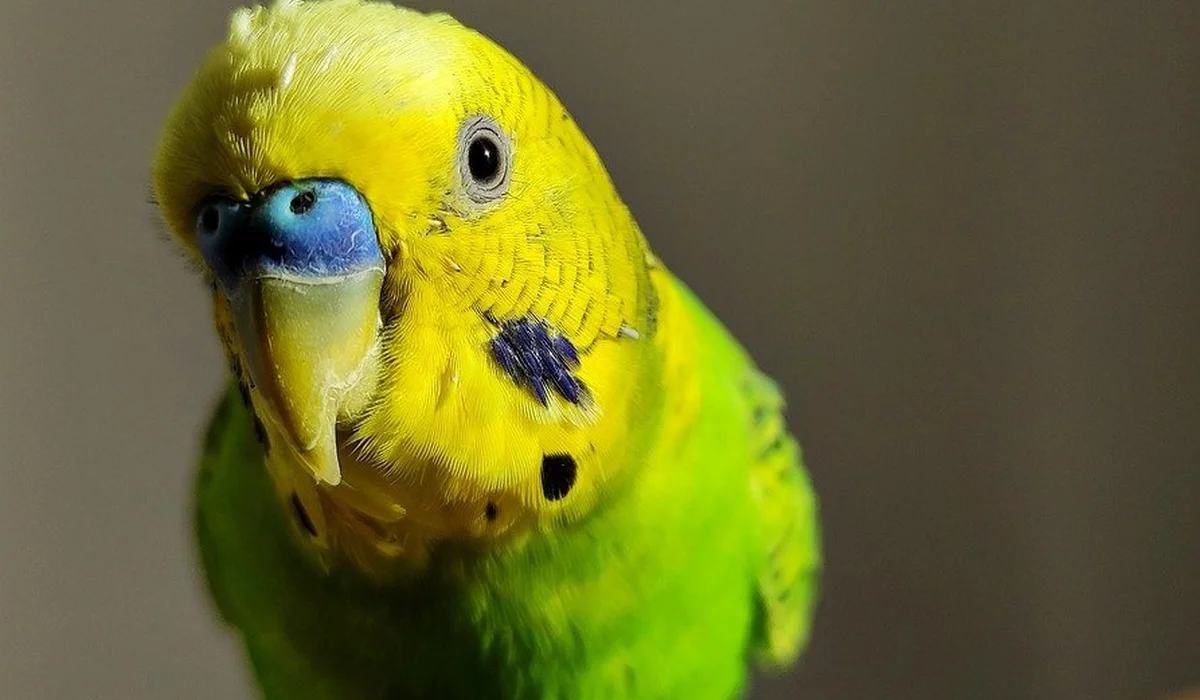
Time and Attention Needs
Parrots form deep bonds and see you as their flock. My Green-cheeked Conure, Kiwi, starts calling if I leave the room for more than five minutes, reminding me they crave constant companionship. These birds are not decorative; they are interactive family members.
You must be ready for a significant daily commitment.
- Plan for at least 3-4 hours of direct, out-of-cage interaction every single day.
- Their intelligence needs stimulation through training, puzzles, and simple games to prevent boredom.
- Neglected parrots often develop loud screams, feather plucking, and other behavioral issues out of sheer frustration.
Think of a parrot like a toddler with wings and a can opener for a beak. Their emotional needs are immense, and meeting them requires a serious reshuffling of your daily schedule.
Financial and Space Considerations
The initial cost of the bird is just the beginning. Proper parrot care is a long-term financial commitment that many new owners underestimate. I learned this quickly with my Sun Conure, Sunny, whose vibrant personality is matched by her costly tastes in toys.
Your budget needs to account for these ongoing expenses.
- A spacious, well-built cage is a major one-time investment, often costing several hundred dollars.
- High-quality pellets, fresh vegetables, and occasional treats add up every month.
- Veterinary care for birds is specialized and can be expensive, especially for emergencies.
- Toys are not optional; they are essential for mental health and must be replaced regularly as they get destroyed.
Space is another huge factor. Your home needs a dedicated area for a large cage, away from drafts and kitchens, plus a bird-safe room for flying and playing. These creatures need room to stretch their wings and explore safely.
Selecting the Right Parrot for Your Home
Beginner-Friendly Bird Species
Not all parrots are created equal, especially for a first-time owner. Starting with a less demanding species builds your confidence and sets the bird up for a happier life. My first bird was a budgie, and he taught me the fundamentals of avian care without overwhelming me.
If you’re new to parrots, consider these wonderful options.
- Budgies (Parakeets): Small, relatively quiet, and highly intelligent. They can learn to talk and are less expensive to care for.
- Cockatiels: Gentle, affectionate, and known for their charming crests and whistles. They thrive on social interaction.
- Green-cheeked Conures: A bit more advanced but often recommended for their playful, clownish personalities and quieter nature compared to larger conures.
Do extensive research beyond this list. Every bird has an individual personality, but species traits give you a strong starting point for what to expect.
Adoption vs. Breeder Options
This is one of the most important decisions you will make. I am a strong advocate for adoption, having seen the incredible parrots in rescues waiting for a second chance. My African Grey, Sage, was a rehomed bird, and his calm wisdom has been a gift. Ultimately, which option is right—Adoption or Buying a Parrot—depends on your circumstances. Both paths can bring joy, but adoption helps birds in need.
Here is a breakdown of both paths.
- Adoption:
- You give a deserving bird a loving home, often at a lower cost.
- Rescue organizations typically know the bird’s history, personality, and any special needs.
- You may need patience to help a bird overcome past trauma or bad habits.
- Reputable Breeder:
- You get a hand-raised baby bird, often well-socialized from a young age.
- You know the complete health and genetic history of the bird.
- It is crucial to find an ethical breeder who prioritizes the birds’ welfare, not just profit.
Visit bird rescues and talk to breeders. Ask tough questions about their practices and spend time with the birds to see which connection feels right. Your perfect feathered friend could be waiting in either place.
Essential Parrot Care Basics
Diet and Nutrition Guidelines
Feeding a parrot is about so much more than just a bowl of seeds. I learned the hard way with my Green-cheeked Conure, Kiwi, that a varied diet is the absolute foundation of good health. A seed-only diet is like eating fast food every single day; it leads to malnutrition and serious health problems. That leads to the pellets vs seeds question: which should be the base diet for your parrot? Many experts recommend a formulated pellet-based base for balanced nutrition, with seeds reserved as occasional treats for enrichment.
Your feathered friend needs a balanced mix of high-quality pellets, fresh vegetables, and some fruits. Think of pellets as their daily multivitamin, providing a solid nutritional base that seeds simply can’t match. My Sun Conure, Sunny, goes crazy for chopped bell peppers, broccoli, and leafy greens like kale.
- High-quality pellets should form 60-70% of their daily food.
- Offer a colorful chop of fresh vegetables daily (carrots, sweet potato, zucchini).
- Fruits are treats! Use them sparingly for training (berries, apple slices, melon).
- Always avoid avocado, chocolate, caffeine, and salty foods-they are toxic.
- Provide fresh, clean water in a sturdy bowl, changed at least twice daily.
Cage Setup and Environmental Enrichment
A parrot’s cage is their castle, their safe space, and their playground all in one. Choosing the right cage was a game-changer for my African Grey, Sage; it gave her the room she needed to stretch her wings and feel secure. Cage requirements—size, bar spacing, and perch setup—vary by species. For more information on these requirements, check out the cage requirements by species. Tailor the cage to your bird’s needs with species-specific guidelines. The biggest cage you can reasonably afford and fit in your home is always the best choice.
Inside that cage, you need to create a stimulating environment. Boredom is the enemy of a happy parrot and leads to behavioral issues like feather plucking and constant screaming. If you’re wondering why my parrot is bored, I can help identify triggers and suggest practical enrichment ideas. Rotate their toys frequently to keep their intelligent minds engaged and curious.
- Select a cage with horizontal bars for easy climbing.
- Bar spacing must be appropriate for your parrot’s size to prevent injury or escape.
- Place multiple perches of varying diameters and textures (wood, rope, cement) to promote foot health.
- Include foraging toys to stimulate their natural instinct to work for food.
- Position the cage in a family area, but away from direct drafts, intense sunlight, and the kitchen.
Handling Common Parrot Behaviors
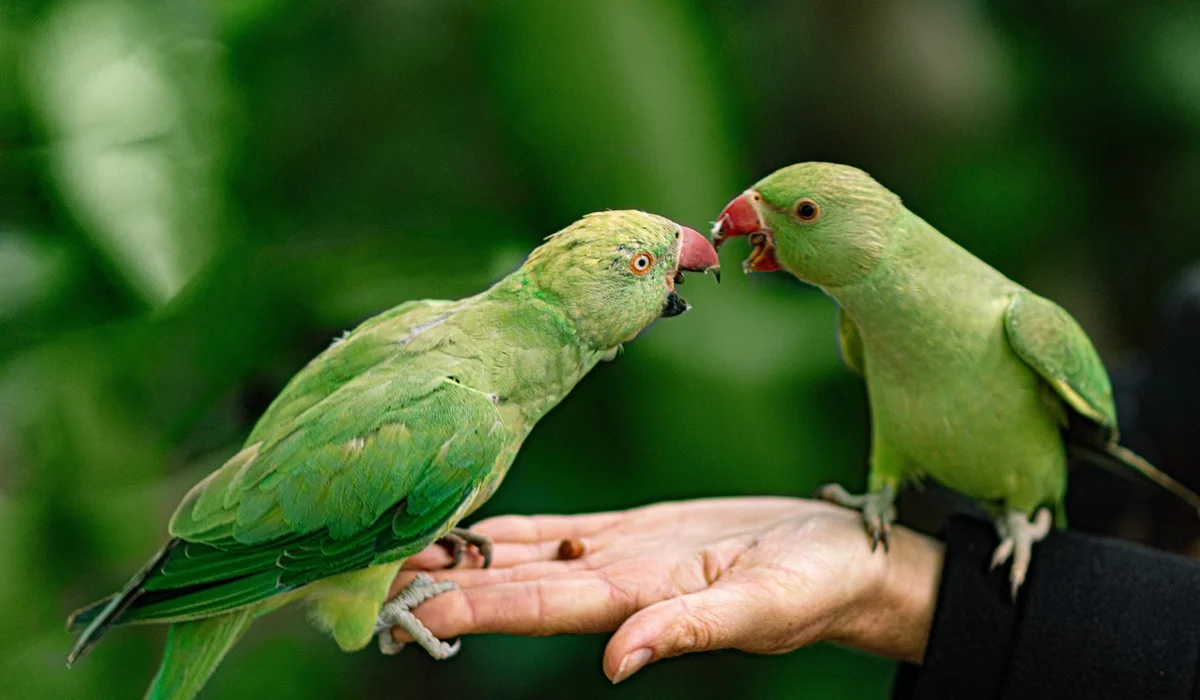
Training and Socialization Tips
Training a parrot builds a bond of trust that is simply incredible. Using positive reinforcement with all my birds, from the playful Kiwi to the clever Sage, has transformed our relationship. It’s not about dominance; it’s about clear communication and rewarding the behaviors you want to see. These are bonding techniques that work: short daily sessions and consistent routines. With time, your parrot will trust you more and seek your companionship.
Socialization needs to happen every single day. Parrots are flock animals, and you are their flock; isolating them is a sure path to a neurotic and unhappy bird. In a home, you are part of the flock. Understanding flock dynamics helps you structure daily routines so your bird feels secure. Even just having them out on a play stand while you read or watch TV makes a world of difference.
- Start with simple “step-up” and “step-down” commands using a favorite treat.
- Keep training sessions short, fun, and positive-just 5 to 10 minutes at a time.
- Expose your parrot gently to different household sights and sounds.
- Never punish or yell; it only destroys trust and can make behaviors worse.
- Be patient and consistent. Some days they’ll be brilliant students, other days they’ll be stubborn toddlers.
Dealing with Noise and Allergies
Let’s be real-parrots can be loud. My Sun Conure, Sunny, has a contact call that can pierce through walls, which is a completely normal way for her to check in with her flock (that’s you!). Understanding the *why* behind the noise is the first step to managing it.
Allergies are another practical consideration that many people don’t think about until it’s too late. Parrots produce a fine dust from their feathers, and it gets everywhere, which can be a major trigger for asthma and allergies. I run a good air purifier near my birds’ cages, and it makes a noticeable difference in air quality.
- Identify the cause of screaming-are they bored, scared, or just saying good morning?
- Provide plenty of mental and physical stimulation to reduce noise from boredom.
- Establish a “quiet” cue and reward moments of calm.
- Be prepared for dander and dust; frequent cage cleaning and air filtration are non-negotiable.
- Always wash your hands thoroughly after handling your bird or cleaning their space.
Health and Safety for Your Parrot
Owning a parrot is a marathon, not a sprint. Their long lives mean your commitment must span decades, not just a few years. My African Grey, Sage, is only eight, and we’re just getting started on our lifelong journey together.
Regular Vet Care and Lifespan
Parrots are masters at hiding illness. By the time they show clear signs of being sick, they are often critically ill. This is a survival instinct from the wild. I learned this the hard way with my conure, Kiwi, who once seemed a little quiet. A rushed vet visit revealed the start of a respiratory infection. A simple respiratory distress checklist can help you spot breathing problems early in parrots. Early detection can make all the difference.
You need an avian-certified veterinarian. Not all vets are trained in exotic bird medicine.
- Schedule annual check-ups, just like you would for yourself.
- Be prepared for blood tests and routine exams to establish a health baseline.
- Watch for subtle changes in behavior, droppings, or appetite-these are your first clues.
Think about their lifespan. A budgie might live 15 years. My sun conure, Sunny, could be with me for 25-30 years. Large parrots like macaws and African Greys often live 50 years or more, sometimes outliving their original owners. You are making a promise that spans generations. If you’re curious about how long other parrot species live, a parrot lifespan guide lays it out clearly. It helps you plan for decades of companionship, not just years.
Creating a Safe Home Environment
Your home is a jungle full of hidden dangers to a parrot. You must see your space through their curious eyes and inquisitive beaks. Parrots explore with their mouths, and what seems safe to us can be deadly to them. To keep them safe, here are 15 deadly household mistakes that could kill your parrot. Knowing these risks helps you make safer choices for your feathery friend.
Start with the air they breathe.
- Teflon and non-stick cookware release fumes when overheated that are instantly fatal to birds. I only use stainless steel or cast iron now.
- Aerosol sprays, scented candles, and strong cleaning chemicals can damage their sensitive respiratory systems.
- Ensure good ventilation and avoid any strong fumes entirely.
Next, tackle the physical hazards.
- Close toilets and buckets of water. Parrots can drown in surprisingly small amounts of water.
- Beware of ceiling fans and open doors. A startled flight can end in tragedy.
- Keep them away from electrical cords. A chewed cord can cause severe burns or electrocution.
- Research houseplants. Many common plants, like lilies and philodendron, are poisonous.
Finally, manage their space wisely. Supervision is non-negotiable when your parrot is out of its cage. I never leave my birds unsupervised outside their enclosures. It only takes a second for a curious bird to get into something dangerous. Creating a safe home isn’t about restriction; it’s about building a foundation for a long, happy, and healthy life together.
Common Questions
Is it legal to keep a parrot as a pet in India?
In India, keeping most native parrot species as pets is illegal under the Wildlife Protection Act of 1972. You must ensure any parrot you acquire is a non-native species and that you have the proper documentation to prove its legal import.
What is the Islamic ruling on keeping a parrot as a pet?
In Islam, keeping a parrot as a pet is generally considered permissible (halal) as long as the bird is treated with kindness and compassion. Providing adequate food, water, and a clean, safe environment is an essential part of this responsibility.
What do Reddit users commonly discuss about parrot ownership?
On Reddit, parrot owners frequently share stories about the intense, long-term commitment and unexpected challenges like noise and mess. The community often emphasizes the importance of thorough research, adoption, and the profound emotional bond that forms with these intelligent birds.
What are the key pros and cons of having a parrot versus a dog?
Parrots can learn to talk and form exceptionally deep, interactive bonds, but they often require more specialized, long-term care than dogs. Dogs are generally more adaptable to various lifestyles and easier to train for basic obedience, while parrots need immense mental stimulation and can live for many decades.
What are the biggest pros and cons of parrot ownership?
The primary advantages include their remarkable intelligence, capacity for speech, and the potential for a deeply rewarding, long-term companionship. The main disadvantages are their loud vocalizations, constant need for attention, and the significant, long-term financial and time commitment they require.
Closing the Loop
Owning a parrot is a marathon, not a sprint. You’re committing to a highly intelligent, emotionally complex creature whose needs span decades, not years. Before you bring one home, honestly assess your lifestyle, budget for consistent vet care and quality food, and prepare your home for a curious, often noisy, feathered family member. To succeed, choose the right parrot for your home lifestyle. Consider your space, routine, and noise tolerance to match a bird’s temperament.
Remember, your parrot’s well-being depends entirely on your dedication. Responsible ownership means committing to lifelong learning about their behavior, diet, and emotional health. Join forums, read books, and connect with avian vets-your feathered friend’s vibrant life is a direct reflection of the care and knowledge you provide.
Further Reading & Sources
- The Truth About Parrots as Pets
- Which Parrots Make The Best Pet? – Northern Parrots
- r/parrots on Reddit: What are the pros and cons of owning a parrot compared to owning a dog or cat?
Suzanne Levine is a dedicated parrot enthusiast and experienced avian caregiver with over 15 years of hands-on experience in parrot care. As the founder of Parrot Care Central, Suzanne is passionate about sharing her knowledge and insights to help fellow parrot owners provide the best possible care for their feathered friends. Her expertise spans nutrition, behavior, health, and enrichment, making her a trusted resource in the parrot care community.
Finding a Parrot