
Are Macaws Parrots? Your Quick Guide to Macaw Species and Traits
You might be staring at a macaw’s brilliant feathers and asking, “Are these majestic birds actually parrots, or is there more to the story?” It’s a common puzzle, especially if you’re thinking about bringing one home or just love learning about birds.
As someone who’s spent years caring for parrots like my playful Green-cheeked Conure Kiwi and smart African Grey Sage, I’ve seen firsthand how bird families connect. I’ll clear up any confusion by walking you through these key takeaways:
- What exactly makes a macaw a parrot and how they fit into the larger parrot family tree.
- The standout features that set macaws apart from other parrot species you might know.
- Why understanding macaw traits leads to better care and supports animal welfare.
You’ll get straightforward advice that’s easy to grasp, even if you’re new to birds. We’ll explore: Macaw classification, physical and behavioral traits, species diversity, care essentials, and conservation status.
Macaws: Parrots in the Psittaciformes Family
Yes, macaws are definitely parrots, and they belong to the Psittaciformes order and Ara genus, just like other parrot relatives. Think of the parrot family as a big, bustling tree where Psittaciformes is the sturdy trunk, and macaws are a vibrant, colorful branch called Ara. This makes them close cousins to conures, cockatoos, and other parrots you might know.
Macaws share many classic parrot traits that make them stand out in the avian world. From my years caring for parrots, I’ve seen how these traits pop up in every macaw I’ve met, reminding me they’re part of one big, noisy family. Here are some common parrot characteristics macaws exhibit:
- Curved, powerful beaks perfect for cracking nuts and climbing
- Zygodactyl feet with two toes forward and two back for gripping branches
- High intelligence and problem-solving skills
- Vocal abilities, including mimicry and loud calls
- Social nature, often forming strong bonds with flock mates
Meet the Macaw Species: Colors and Personalities
Macaws come in a stunning array of species, each with its own flair and charm. I’ve had the joy of interacting with several macaw species, and their unique colors and behaviors always leave me in awe of nature’s creativity. Let me introduce you to some key ones that highlight their diversity.
| Species | Colors | Size | Unique Behaviors |
|---|---|---|---|
| Scarlet Macaw | Vibrant red, yellow, and blue feathers | Large, up to 35 inches long | Playful and energetic, loves interactive toys and social games |
| Hyacinth Macaw | Deep cobalt blue with yellow eye rings | Largest macaw, up to 40 inches long | Gentle giants, known for their calm demeanor and strong bonding with owners |
| Blue-and-Yellow Macaw | Bright blue upperparts and yellow underparts | Medium to large, around 34 inches long | Highly social and vocal, often mimicking household sounds with ease |
Each species brings something special to the table, and I’ve seen how their personalities shine through in daily care. For instance, a Scarlet macaw I worked with would eagerly “help” me sort toys, showing just how smart and engaged they can be. Remember, macaws thrive with proper care, so always support ethical sources to protect these amazing birds in the wild.
Macaw Characteristics: Size, Sounds, and More
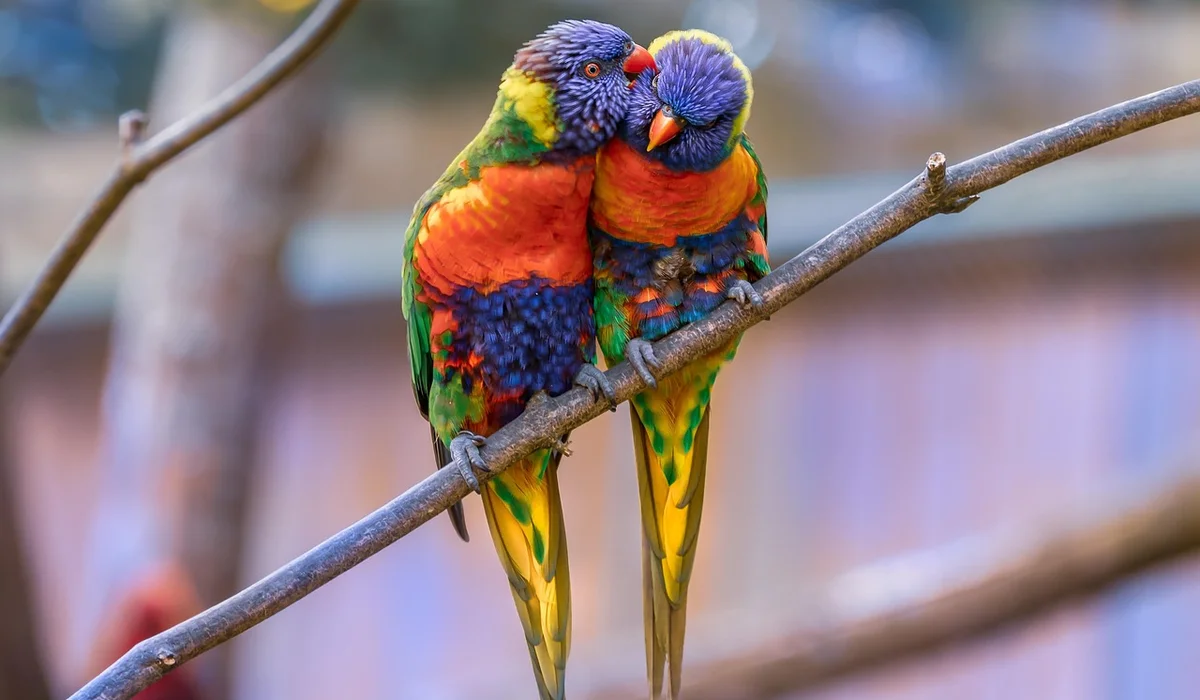
Macaws are the gentle giants of the parrot world, often stretching over three feet from beak to tail tip. Their sheer size makes them a breathtaking sight, but it also means they need a massive cage and plenty of out-of-cage flying time. I learned this firsthand when I first saw a Hyacinth Macaw; its impressive wingspan required a dedicated space just for it to stretch comfortably.
Physical Powerhouses
These birds are built for strength. Their large, powerful beaks can crack open incredibly hard nuts and seeds. That formidable beak isn’t just for eating; it’s a primary tool for climbing and exploring their environment. You’ll also notice their stunning, vibrant plumage, which comes in a rainbow of colors from the brilliant scarlet reds to the deep cobalt blues.
- Large size: Often 30+ inches long
- Strong, curved beak for cracking nuts
- Vivid, multi-colored feathers
- Long, graceful tail feathers
- Bare facial patches with tiny feathers
Voices and Brains
Get ready for some noise! Macaws are famously loud with natural calls that can carry for miles in the wild. While they can learn to mimic speech and sounds, their natural vocalizations are powerful squawks and screeches used for communication. My Green-cheeked Conure, Kiwi, is playful, but his noise level is nothing compared to a macaw’s potential volume.
Their intelligence is remarkable. They quickly learn tricks, solve puzzles, and need constant mental stimulation. A bored macaw is a destructive macaw, so providing foraging toys and training sessions is non-negotiable for their well-being.
Lifespan and Behavior
Committing to a macaw means planning for a lifetime. Many macaw species can live 50 to 60 years, sometimes even longer with excellent care. This is a companion that could be with you through most of your adult life.
Their behavior directly impacts daily care. They form incredibly strong bonds and can suffer from separation anxiety. This deep need for social interaction means they require hours of attention and out-of-cage time every single day. Neglecting this can lead to feather plucking and other behavioral issues.
Macaw vs. Other Parrots: How Do They Compare?
People often wonder how macaws stack up against other popular parrots. The differences in size, sound, and temperament are significant and will drastically change your pet-keeping experience. From my time with Sunny, my Sun Conure, I can tell you the energy levels and noise are on completely different scales.
Side-by-Side Comparisons
| Parrot Type | Average Size | Noise Level | Typical Temperament | Care Difficulty |
|---|---|---|---|---|
| Macaw | Large (30-40 inches) | Very Loud | Demanding, Social, Playful | Advanced |
| Parakeet | Small (6-8 inches) | Quiet to Moderate | Active, Curious, Social | Beginner |
| Cockatoo | Medium to Large (12-24 inches) | Extremely Loud | Affectionate, Needy, Emotional | Advanced |
| African Grey | Medium (13-16 inches) | Moderate | Intelligent, Reserved, Observant | Intermediate |
Practical Differences for Owners
Beyond the basic traits, the real-world impact on your life varies greatly between species.
- Space Requirements: Macaws need flight cages measuring at least 3x4x5 feet, while parakeets thrive in much smaller enclosures.
- Financial Commitment: Macaws cost significantly more upfront ($1,000-$3,000+) and have higher ongoing costs for food, toys, and vet care.
- Time Investment: Macaws demand several hours of daily interaction, whereas some smaller parrots are more independent.
- Suitability: Macaws are not recommended for first-time bird owners or apartments due to their size and noise.
Common Questions About Interactions
On forums like Reddit, I often see questions about mixing macaws with other birds. Generally, housing different parrot species together is risky and not recommended. Size differences alone can lead to accidental injuries during play or deliberate aggression. A multi parrot households compatibility introduction guide can help you evaluate risks before adding another bird. It also covers practical steps for assessing species compatibility, space, enrichment, and gradual introductions.
My African Grey, Sage, is smart and calm, but I would never leave her unsupervised with a larger macaw. Even during out-of-cage time, closely monitor all interactions between birds of different sizes and species. Fights can happen quickly, and a macaw’s powerful beak can cause serious harm to a smaller bird.
If you have multiple birds, provide separate cages and supervised socialization time. For bonding Quaker parrots, focus on gentle, gradual taming and consistent socialization sessions. Understanding each species’ natural behaviors helps prevent stressful situations and keeps all your feathered friends safe.
Is a Macaw the Right Pet for You?
Macaws pack a big personality into their vibrant feathers, but their high intelligence and deep social bonds mean they’re not a casual pet. You’ll need to match their energy and commitment to avoid a stressed or unhappy bird. From my years caring for parrots like Kiwi, my playful Green-cheeked Conure, I’ve seen how even smaller species demand daily interaction-macaws take this to another level with their loud voices and need for constant engagement.
Evaluate your fit by looking at their temperament and smarts. Macaws are clever problem-solvers who crave mental challenges and form strong attachments. If left alone too long, they can develop behaviors like screaming or feather-plucking out of boredom or loneliness. Their social nature means they thrive on being part of your daily life, much like Sunny, my Sun Conure, who follows me around for affection.
- Assess your daily schedule: Can you dedicate several hours each day to handling, talking, and playing with your macaw?
- Check your living space: Do you have room for a large cage and can tolerate loud vocalizations that might disturb neighbors?
- Gauge your patience: Are you ready for messy eating habits and potential destructiveness if they’re not stimulated enough?
- Consider long-term commitment: Macaws can live over 50 years, requiring a stable home for decades.
Living with a macaw brings immense joy, like the time Sage, my African Grey, learned to mimic household sounds and “help” with conversations. But it’s not all fun—I’ve dealt with chewed furniture and early morning squawks that test your patience. With the right routine, a parrot’s vocalizations can be guided to reduce household noise and stress. Sage’s daily schedule showed me that calm, consistent training pays off. Advocating for animal welfare, I urge you to think hard; these birds deserve owners who won’t give up when challenges arise.
Caring for Your Macaw: Diet, Housing, and Enrichment
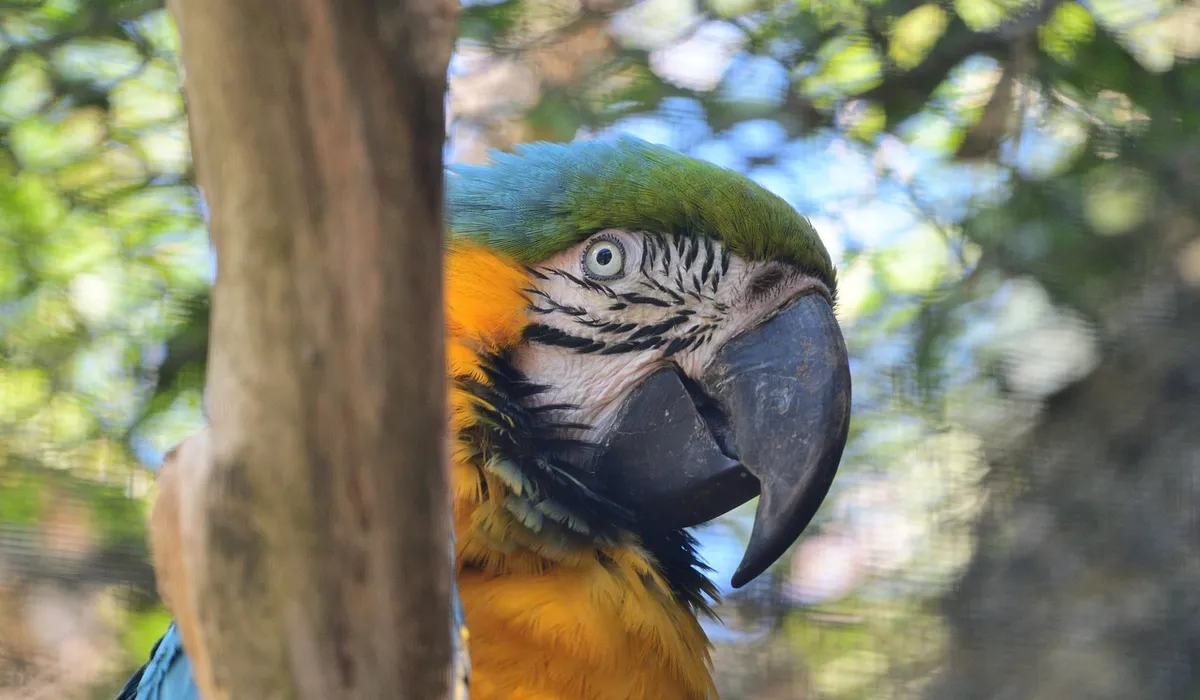
Feeding your macaw right is key to their health—skip seed-only diets that lead to obesity and deficiencies. A balanced mix of pellets, fresh nuts, and chopped fruits like apples or berries keeps them vibrant and full of energy. When it comes to a base diet, pellets are typically the foundation and seeds should be limited. This helps prevent obesity and nutritional gaps. I rotate foods for my parrots to prevent pickiness, and it’s made a huge difference in their feather quality and overall happiness.
- Include high-quality pellets as a base, supplemented with almonds or walnuts for healthy fats.
- Add fresh veggies and fruits daily, but avoid avocado and chocolate, which are toxic.
- Limit seeds to occasional treats to prevent nutritional imbalances.
Housing your macaw means thinking big for their comfort and safety. Choose a cage that’s at least 3 feet wide and tall, with sturdy bars they can’t bend or break. Fill it with safe, destructible toys like wooden blocks or foraging puzzles to satisfy their natural chewing instincts-my birds love shredding cardboard tubes for hours.
- Set up the cage in a family area so they feel included, but away from drafts and direct sunlight.
- Use non-toxic perches of varying diameters to support foot health and prevent sores.
- Rotate toys weekly to keep their environment fresh and engaging.
Training and enrichment prevent boredom and build your bond. Start with simple commands like “step up” using positive reinforcement, such as a favorite nut or verbal praise. I’ve taught Sage to solve puzzles for treats, which keeps his mind sharp and reduces unwanted behaviors. Regular out-of-cage time for flying or climbing is essential-aim for at least an hour daily to keep them fit and content.
Conservation and Ethical Pet Ownership
Macaws are not just spectacular pets; they are vital threads in the tapestry of Central and South American rainforests. Their survival in the wild is intrinsically linked to the health of these ancient forests, which face relentless threats from deforestation and illegal trapping. CITES, the international treaty that regulates trade in endangered species, explains owning exotic parrots: you generally need proper permits and documented legal sourcing. Understanding these rules helps ensure that keeping parrots supports conservation rather than fueling illegal trade. Watching my own parrots interact with their environment gives me a tiny glimpse into the complex lives their wild cousins lead, and it’s a powerful reminder of our responsibility.
Rainforest Realities and Conservation Status
Many macaw species, like the magnificent Hyacinth and the vibrant Blue-throated Macaw, are classified as endangered or vulnerable. Habitat loss from agricultural expansion and the illegal pet trade has pushed their wild populations to a critical brink. They aren’t just losing trees; they are losing the very ecosystems that provide their food, nesting sites, and social structures.
Adoption: A Compassionate First Choice
If your heart is set on a macaw, I strongly urge you to consider adoption as your first and best option. Rescue centers are often filled with intelligent, loving macaws who have lost their homes through no fault of their own and are desperately waiting for a second chance. From my own experience volunteering, I’ve seen parrots like Kiwi, a playful Green-cheek who was rehomed three times, finally blossom in a stable, patient environment. When weighing adoption vs buying, think about the birds already needing homes and the impact your choice has on the trade. Choosing adoption directly combats the demand that fuels unethical breeding and trafficking.
- You provide a forever home to a bird in need.
- You free up space and resources for rescues to help another bird.
- You get a companion whose personality is already well-known.
Navigating Legalities and Supporting Preservation
Whether you adopt or, as an absolute last resort, seek a reputable breeder, you must navigate the legal landscape. All macaw species are protected under CITES (the Convention on International Trade in Endangered Species), meaning proper permits and documentation are non-negotiable for their legal trade. A trustworthy source will be transparent and eager to provide all necessary paperwork.
You can support macaw preservation even without bringing a bird into your home.
- Support organizations dedicated to rainforest conservation and anti-poaching efforts.
- Choose products certified as sustainable and rainforest-friendly.
- Educate others about the plight of wild parrots and the importance of ethical pet ownership.
FAQs
How do macaws compare to other parrots in aggression and potential fights?
Macaws have powerful beaks that can inflict serious harm, so they should never be housed with smaller parrot species. Always supervise interactions to prevent accidental injuries during play or disputes. When selecting housing, ensure the cage is appropriately sized for macaws and separate from other species. For more information on appropriate housing, refer to the guidelines on parrot cage size by species, as cage dimensions and bar spacing should be suitable to each species to prevent injuries.
What is the average price difference between macaws and other common parrots?
Macaws typically have higher upfront costs, often ranging from $1,000 to $3,000, while smaller parrots like parakeets may cost under $100. Ongoing expenses for macaws are also greater due to their size and dietary needs. Prices can vary significantly by macaw species, with scarlet and blue-and-gold macaws typically costing more than some other species. When considering a macaw, it’s helpful to compare prices across species and factors like age, lineage, and availability, since these influence the initial cost.
What do Reddit discussions commonly say about macaw ownership versus other parrots?
Reddit users frequently note that macaws demand more space, time, and experience than many other parrots, making them unsuitable for beginners. Many threads emphasize the importance of research and commitment to avoid rehoming issues. For those considering starting with a bird, the best parrot species for beginners are typically easy-care birds that can fit into many home environments. These tend to have manageable space needs and straightforward routines.
How do macaws and cockatoos behave differently in conflicts or fights?
Macaws may use their strong beaks defensively, while cockatoos can be more emotionally reactive and prone to sudden outbursts. Understanding each species’ signals helps manage and prevent aggressive encounters.
What are the typical cost comparisons between macaws and cockatoos?
Both macaws and cockatoos are expensive, with macaws often costing slightly more upfront, but cockatoos can have similar long-term care expenses. This is exactly the focus of our complete price comparison guide on the cheapest vs most expensive parrots. It helps prospective owners balance upfront costs with ongoing care expenses. Prices vary by species, but both require significant financial planning for their lifetimes.
In Closing
Macaws are indeed vibrant parrots, and their care demands a tailored approach with a balanced diet, ample social interaction, and mental enrichment to thrive. Drawing from my time with birds like Sunny the Sun Conure, I’ve seen firsthand how their playful nature flourishes with consistent, loving attention. Focus on species-specific needs to build a happy, healthy bond.
Responsible pet ownership means committing to a macaw’s long life and complex emotions, always prioritizing their welfare through informed choices. Keep expanding your knowledge on parrot care, as every bird, from my curious Kiwi to the wise Sage, teaches something new about compassion and connection. Stay engaged and proactive in learning for their well-being.
Further Reading & Sources
Suzanne Levine is a dedicated parrot enthusiast and experienced avian caregiver with over 15 years of hands-on experience in parrot care. As the founder of Parrot Care Central, Suzanne is passionate about sharing her knowledge and insights to help fellow parrot owners provide the best possible care for their feathered friends. Her expertise spans nutrition, behavior, health, and enrichment, making her a trusted resource in the parrot care community.
Finding a Parrot