
How Long Can You Safely Leave a Parrot Alone?
Published on: April 2, 2026 | Last Updated: April 2, 2026
Written By: Suzanne Levine
You’re probably worried sick about leaving your parrot home alone, wondering if they’ll be okay or if you’re putting their health at risk.
As someone who’s shared my home with parrots like Kiwi, Sunny, and Sage for years, I’ve faced this exact concern and learned how to balance their needs with daily life. I’ll guide you through the essentials so you can make informed, caring choices for your bird.
Here are the key points we’ll cover to ease your mind:
- How a parrot’s species, age, and personality determine safe alone time
- Practical steps to prepare your home and bird for short absences
- Warning signs that you’re pushing the limits and risking their well-being
You’ll walk away with straightforward advice tailored to real-life situations. This is your new parrot’s first-day survival guide—step by step—to help you get through day one. We’ll dive into parrot behavior basics, daily care routines, and emergency backup plans to keep your feathered friend happy and healthy.
What Risks Do Parrots Face When Left Alone?
Emotional Stress and Behavioral Issues
Parrots aren’t just pets; they’re feathered family members with complex emotional lives. Leaving them alone for too long directly triggers a stress response that can spiral into serious behavioral problems. I’ve seen my own Green-cheeked Conure, Kiwi, start nervously pacing his perch after just a few hours of solitude, a clear sign he was feeling anxious. Establishing a consistent daily routine and short, positive training sessions can channel that energy and address common behavioral issues. This approach helps parrots learn what to expect and how to respond to cues.
Common issues you might see include excessive screaming, feather plucking, and even self-mutilation. These destructive habits are often a parrot’s desperate cry for mental stimulation and social contact. My Sun Conure, Sunny, once started shredding a brand-new toy out of sheer boredom on a day I was gone longer than usual. It’s their way of coping with the loneliness.
Parrots can also become depressed, showing a lack of interest in food, play, or interaction. A suddenly quiet, withdrawn parrot is a major red flag that their emotional needs are not being met. This isn’t just a bad mood; it’s a sign of genuine psychological distress that requires immediate attention and a change in routine.
Physical Health Threats
Beyond the emotional toll, a parrot’s physical well-being is on the line when they’re left unattended. An unsupervised parrot is an accident waiting to happen, from household toxins to precarious falls. I always do a quick “parrot-proofing” sweep of the room before I leave, checking for things like open windows or accessible electrical cords.
Dehydration and malnutrition are silent but very real dangers. A spoiled water bowl or an empty food dish can become a critical health issue in a matter of hours, especially for smaller birds. I make sure my birds have multiple sources of fresh water and a full dish of their favorite pellets before I head out the door.
There’s also the risk of them ingesting something toxic or choking on a toy fragment. Without you there to monitor them, a curious beak can quickly get into trouble. My African Grey, Sage, is incredibly smart, but that also means he’s clever enough to dismantle things he shouldn’t. I never assume his cage is 100% safe without a final check.
How Species and Individual Traits Affect Alone Time
Species-Specific Needs
Not all parrots are created equal, and their tolerance for solitude varies wildly by species. Highly social flock birds, like conures and cockatoos, often struggle the most with being left completely alone. My Sunny (Sun Conure) will start calling out if he can’t see or hear me for even a short period, a testament to his species’ deep-seated need for constant companionship.
In contrast, some larger parrots like African Greys can handle slightly longer stretches of quiet time if properly prepared. However, “handling it” doesn’t mean they enjoy it or that it’s without risk; it simply means their intelligent, independent nature might mask their stress for a while. My Sage will often just sit quietly and observe, but I know he’s still taking mental notes on the lack of activity.
Smaller species like budgies or parrotlets might seem more independent, but they still crave social interaction. Ignoring their need for a flock environment, even if it’s just you, can lead to similar anxiety and health issues seen in larger parrots. The size of the bird doesn’t determine the size of its social needs. This is where the one-parrot vs two-parrot question comes into play for a single-bird household. Having a second bird can provide constant companionship, but it also adds costs, space, and potential for conflicts.
Age, Health, and Personality Factors
Just like people, every parrot is a unique individual. A young, healthy, and confident bird will generally cope better with short periods alone than an elderly, ill, or naturally nervous one. My playful Kiwi (Green-cheeked Conure) bounces back quickly, while an older bird with arthritis might find the experience much more stressful and physically uncomfortable.
A parrot’s past experiences also shape their reaction. A bird from a neglectful background may have heightened separation anxiety, viewing your departure as a traumatic event. You have to consider their entire life story, not just their species, when planning your time away.
Personality is the final, crucial piece of the puzzle. Is your parrot a bold explorer or a shy observer? This innate temperament dramatically influences how they process and endure time by themselves. My social butterfly, Sunny, needs more active engagement, while my calm Sage is content with a good puzzle toy. Knowing their individual quirks is your greatest tool for ensuring their safety and happiness.
Safe Maximum Durations for Leaving Parrots Alone
Short-Term Absences (Hours)
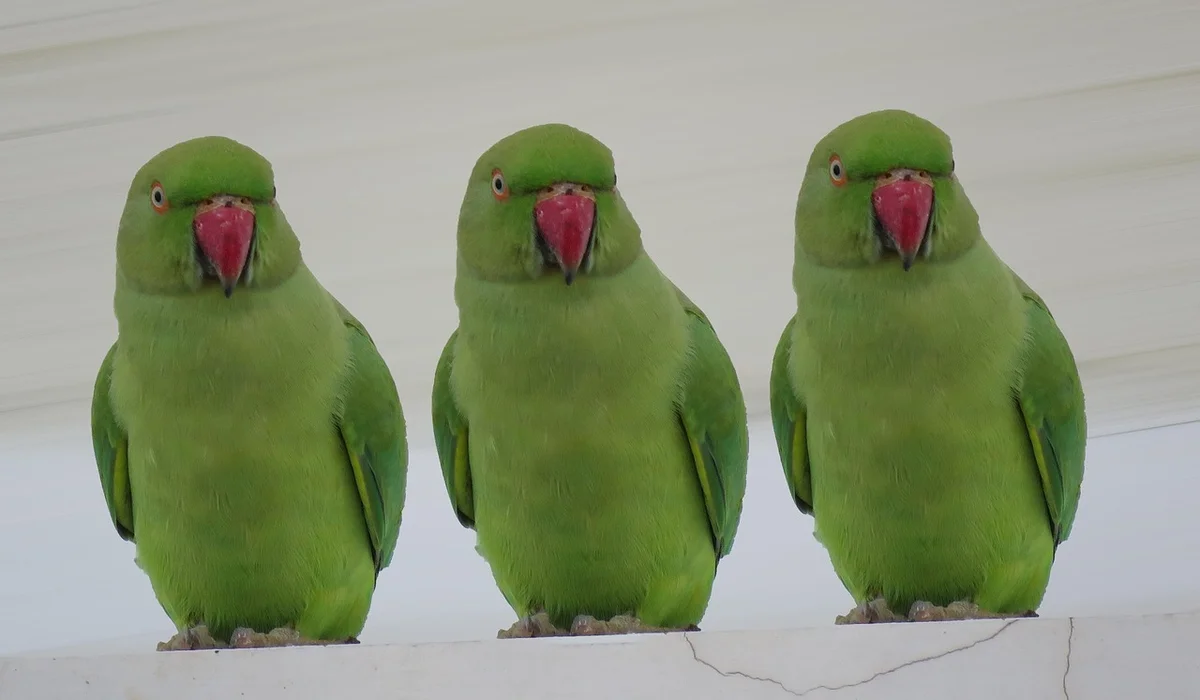
For a quick trip to the store or a few hours out, most healthy adult parrots manage fine. I’ve found that a 4 to 6-hour window is generally the safe maximum for my Green-cheeked Conure, Kiwi, before he gets visibly frustrated. Smaller parrots, like budgies or cockatiels, might handle this slightly better, but larger, more intelligent birds like my African Grey, Sage, start to crave interaction sooner. Leaving them longer risks triggering stress behaviors like screaming or feather plucking.
Think of it like leaving a chatty, clever toddler with puzzles but no conversation. The key is ensuring this alone time is the exception, not the daily rule, for their mental well-being. A bored parrot is an unhappy parrot, and their emotional health is just as vital as their physical health.
Longer Stays (Overnight or More)
Leaving a parrot completely alone overnight is a big step and carries more risk. Personally, I consider a single overnight stay the absolute limit, and only with meticulous preparation for my birds’ safety and comfort. Any absence stretching beyond 24 hours simply isn’t safe without a dedicated pet sitter who knows parrots.
My Sun Conure, Sunny, is incredibly social and would be deeply distressed by a silent, dark house for a full night. Beyond the loneliness, the risks multiply-a spilled water dish, a night fright, or a minor illness can become a major crisis with no one there to help. For the welfare of your feathered friend, arranging for someone to check in is non-negotiable for trips longer than a day.
Preparing Your Parrot and Home for Solo Time
Cage and Environment Setup
Your parrot’s cage becomes their entire world when you’re gone, so making it a fortress of fun and safety is job one. There are eight common parrot cage myths that can compromise safety and comfort, so debunking them is essential. Understanding these myths helps you design a safer, cozier space for your bird.
- Security First: Double-check every latch and door. I learned this the hard way when a clever Kiwi figured out a loose clasp!
- Enrichment Galore: Rotate in new, safe toys. Foraging toys where they work for treats are fantastic for mental stimulation.
- Perch Variety: Offer different diameters and textures-natural wood, rope, and flat perches-to keep their feet healthy.
- Location, Location: Place the cage in a quiet, draft-free area, but not in complete isolation. A room with some natural light is ideal.
A well-prepared environment can turn potential boredom into an engaging adventure for your bird.
Food, Water, and Emergency Plans
Getting the basics right is what keeps your parrot healthy and secure while you’re away.
- Water is Life: Use multiple, stable water sources. I always use two sturdy bowl holders and a sealed water bottle as a backup to prevent dehydration.
- Smart Food Strategy: Provide a high-quality pellet mix in a large, spill-proof dish. Avoid leaving only perishable fresh foods that could spoil.
- The Emergency Kit: Leave a detailed note for any potential helper. Include your vet’s number, your contact info, and where you keep carrier and first-aid supplies.
- Trusted Contact: Have a bird-savvy friend on call who can pop in if you’re delayed. This simple step is the single most important thing you can do for your parrot’s safety during a longer absence.
Recognizing Signs Your Parrot Is Struggling Alone
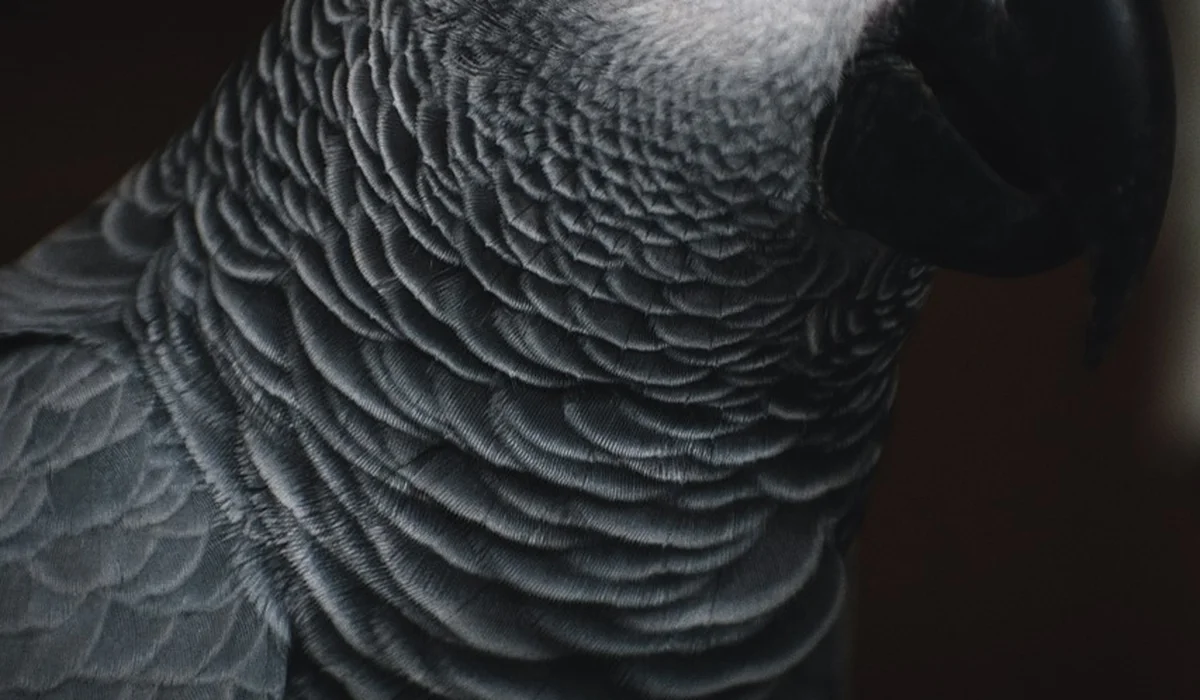
Parrots are masters at hiding their discomfort, but their behavior and body will eventually tell you everything. I learned this the hard way with my Green-cheeked Conure, Kiwi, who started plucking feathers after I took a weekend trip without proper preparation. You must become a detective in your own home to spot these subtle cries for help. Recognizing the signs of pain in parrots is crucial for providing timely care.
Behavioral Red Flags
Watch for changes in your parrot’s normal personality and daily habits. These are often the first and most telling clues that their alone time is causing distress. If you notice boredom, it’s a sign you need to boost enrichment and interaction. I can help you figure out why your parrot is bored and how to help.
- Excessive Screaming or Vocalization: A parrot that won’t stop calling isn’t just being loud; it’s desperately trying to locate its flock-you.
- Feather Destruction (Plucking): This is a major sign of psychological distress. My Kiwi started on his chest, a common spot where they can easily reach.
- Repetitive Pacing or Stereotypical Movements: Constant back-and-forth walking on a perch or cage bars is a clear indicator of boredom and anxiety.
- Aggression or Fearfulness: A normally sweet bird that suddenly bites or cowers can be reacting to the stress of prolonged isolation.
- Loss of Interest in Play: When toys sit untouched and foraging puzzles go unsolved, your parrot has likely lost its spark.
Physical Symptoms of Stress
When emotional distress goes unchecked, it starts to manifest in your parrot’s physical health. For a calm, scared, or stressed parrot, gentle routines and a quiet, safe environment can help prevent escalation. These symptoms require immediate attention and a change in their care routine.
- Changes in Appetite and Droppings: A stressed bird may stop eating or drinking, leading to weight loss. Their droppings might change in color or consistency.
- Ruffled, Unkempt Feathers: A healthy parrot preens meticulously. A bird that stops grooming is a bird that has given up.
- Visible Weight Loss: You might feel a prominent keel bone (the breastbone) when you gently handle them, a sure sign they aren’t eating enough.
- Lethargy and Excessive Sleeping: While parrots do nap, a bird that sleeps most of the day, even when you’re home, is showing signs of depression.
- Stress Bars on Feathers: These are faint lines that run across the feathers, indicating a period of poor nutrition or high stress during the feather’s growth.
Catching these physical signs early can prevent a temporary issue from becoming a chronic health problem that requires a vet visit.
Solutions for Longer Absences and Travel
Life happens, and sometimes you simply cannot be home. The key isn’t to feel guilty, but to have a solid, parrot-savvy plan in place. After my experience with Kiwi, I never leave my flock without one of these backup systems activated.
Hiring Help or Using Pet Sitters
Nothing truly replaces human interaction. Finding the right person to step in is your best bet for your parrot’s emotional well-being.
- Choose a Sitter With Parrot Experience: Cats and dogs are one thing; parrots are another. You need someone who understands body language and respects boundaries.
- Conduct a Trial Run: Have the sitter visit while you’re home. Let your parrot, like my social Sun Conure Sunny, get comfortable with them first.
- Create a Detailed Care Sheet: Include their exact diet, favorite treats, sleep schedule, and phrases they know. The more routine, the less stress.
- Ensure Emergency Preparedness: Leave your vet’s contact info, an approved carrier, and clear instructions on what constitutes an emergency.
A great pet sitter doesn’t just feed your bird; they provide social enrichment and become a temporary, trusted member of the flock.
Technology and Enrichment Tools
While tech can’t replace a person, it’s a powerful tool to bridge the gap and keep your parrot’s mind active while you’re away.
- Pet Cameras with Two-Way Audio: I use one to check on my African Grey, Sage. Being able to talk to him and hear his chatter provides immense comfort to us both.
- Automated Timers for Lights: A consistent day/night cycle is crucial for a parrot’s sense of security and prevents sleep deprivation.
- Foraging Toys and Puzzle Feeders: These are absolute game-changers. They turn mealtime into a engaging activity that can occupy a parrot for hours.
- Bird-Safe Tablet Games: Some parrots can learn to tap at a tablet screen for rewards. This provides novel mental stimulation.
- Programmable Music or Audiobooks: The sound of a calm, human voice or gentle music can soothe a lonely parrot and mask unsettling outside noises.
Technology works best when it’s part of a larger plan that includes human care, not as a standalone solution for long periods.
FAQs
Can I leave my parrot alone with other household pets?
No, it is generally unsafe to leave parrots unsupervised with other pets like cats or dogs due to potential predator-prey instincts. Always separate them in secure areas to prevent stress, injury, or accidents.
What are some quick ways to entertain my parrot during short absences?
Offer foraging toys filled with treats or introduce new, safe chewable items to keep them mentally engaged. Rotating toys regularly can also prevent boredom and encourage natural behaviors.
How do I acclimate my parrot to being alone for gradually longer periods?
Start with brief departures and gradually increase the time while providing positive reinforcement like treats upon your return. Consistency and patience help build their confidence and reduce separation anxiety over time.
In Closing
Based on my years caring for parrots like Kiwi and Sunny, the key takeaway is to limit alone time to a few hours with ample food, water, and engaging toys. Always prioritize your parrot’s social needs to prevent stress and boredom.
Owning a parrot is a long-term commitment that demands ongoing education and adaptation. Your dedication to learning about their care ensures a happy, healthy life for your feathered friend.
Further Reading & Sources
- How long is it safe to leave a parrot alone for? | Parrot Forum 🦜 Parrot Owners Community
- Parrot Forum • View topic – Leaving a parrot alone – how long is OK?
- How Long Can Parakeets Be Left Alone? | Hutch and Cage
Suzanne Levine is a dedicated parrot enthusiast and experienced avian caregiver with over 15 years of hands-on experience in parrot care. As the founder of Parrot Care Central, Suzanne is passionate about sharing her knowledge and insights to help fellow parrot owners provide the best possible care for their feathered friends. Her expertise spans nutrition, behavior, health, and enrichment, making her a trusted resource in the parrot care community.
Enrichment Activities