
How Can You Tell How Old a Parrot Is?
Published on: March 31, 2026 | Last Updated: March 31, 2026
Written By: Suzanne Levine
Figuring out your parrot’s age might feel like solving a puzzle, especially if you’re worried about their health, lifespan, or behavior matching their years. I’ve been there myself with my own birds, like Kiwi, my 3-year-old Green-cheeked Conure, and it’s a common concern for any parrot owner wanting the best care.
I’ll help you cut through the confusion by breaking down the most reliable ways to estimate age, drawing from my hands-on experience and trusted methods. Here are three key takeaways you can count on:
- Look for physical signs like feather color changes, eye clarity, and beak wear that evolve over time.
- Observe behavioral patterns, such as activity levels and vocalizations, which often shift with age.
- Consider professional input from a vet for precise assessments when other clues aren’t clear.
You’ll walk away with straightforward advice that’s easy to apply, covering essential topics like physical indicators, behavior cues, and when to seek expert help. In this article, we explore: feather and eye changes, behavioral shifts, and veterinary methods.
Spotting Physical Clues to Estimate Parrot Age
Reading Beak Development and Growth Rings
Your parrot’s beak tells a story of its life, much like the rings of a tree. A younger parrot’s beak is often smoother and may have visible growth lines or striations near the base that fade as they mature. My Green-cheeked Conure, Kiwi, had very distinct, light-colored lines on his beak when he was a fledgling, which have now completely smoothed out.
Interpreting Beak Changes in Juvenile vs Adult Parrots
Juvenile beaks can appear softer and more pliable, sometimes with a slightly chalky texture. In adult parrots, the beak becomes much harder, denser, and develops a high-gloss finish from years of use. You might also notice the cere-the fleshy area above the beak where the nostrils are-changes color or texture as a parrot reaches sexual maturity.
Noticing Feather and Plumage Shifts
Feathers are a fantastic visual timeline. Baby parrots often have a fluffier, less organized appearance with duller colors that intensify dramatically after their first major molt. As they mature, mutations in pigment genes and structural coloration can shift and amplify hues, helping explain why parrots become so colorful. Understanding these color mutations also sheds light on the dramatic changes seen from hatchling to adult. When my Sun Conure, Sunny, was a baby, his vibrant yellow and orange were much more muted, almost pastel-like, compared to the fiery hues he sports today.
Identifying Molt Stages and Feather Wear
Parrots molt their feathers in predictable cycles. A young parrot’s first molt, where they shed their baby feathers for their adult plumage, is a huge milestone typically occurring between 6-12 months of age. As parrots get older, you might notice more “feather dust,” and the feathers themselves can show signs of wear-slightly frayed edges or a less vibrant sheen from years of preening and activity.
- Pin Feathers: A high number of pin feathers (new feathers growing in) indicates an active molt.
- Feather Sheen: Juvenile feathers often lack the brilliant iridescence of mature adult feathers.
- Wear and Tear: Older parrots may have feathers that are less perfect, with small nicks or discolorations from a long life.
Decoding Behavioral Signs of Aging Parrots
Activity and Play Patterns Across Life Stages
Watch how your parrot plays-it’s a huge clue. A juvenile parrot is a bundle of chaotic energy, often clumsy, intensely curious, and prone to random bursts of activity followed by deep naps. Kiwi used to tumble off his perch trying new acrobatics! An adult parrot’s play becomes more purposeful, skilled, and often involves more complex problem-solving with their toys. My African Grey, Sage, will methodically dismantle a puzzle toy, whereas Kiwi just attacks it with enthusiasm.
- Juvenile: High energy, short attention span, exploratory chewing.
- Young Adult: Energetic but more coordinated, begins developing favorite games.
- Mature Adult: More predictable routines, may play for longer, focused periods.
- Senior: Generally lower energy, prefers familiar activities, naps more frequently.
When Parrots Start Talking and Socializing
Vocal development is a fascinating age marker. Most parrots don’t start mimicking words or complex sounds until they are several months to over a year old, after they’ve mastered their basic flock calls. The timeline can also vary by species—some parrots begin talking earlier, while others take longer to master phrases. Knowing your species’ typical timeline helps set expectations for vocal development. Sunny, my social Sun Conure, was making simple whistles around 8 months but didn’t clearly mimic a phrase until he was nearly two. An older, well-socialized parrot will have a vast repertoire of sounds and a clear understanding of social cues within your family flock. Sage, for instance, knows exactly when to be quiet and when a well-timed “hello” will get the most attention. For more information on how long it takes for different parrot species to talk, check out this article on [how long does it take for different parrot species to talk](https://parrotcarecentral.com:/how-long-does-it-take-for-different-parrot-species-to-talk).
Species-Specific Aging Indicators
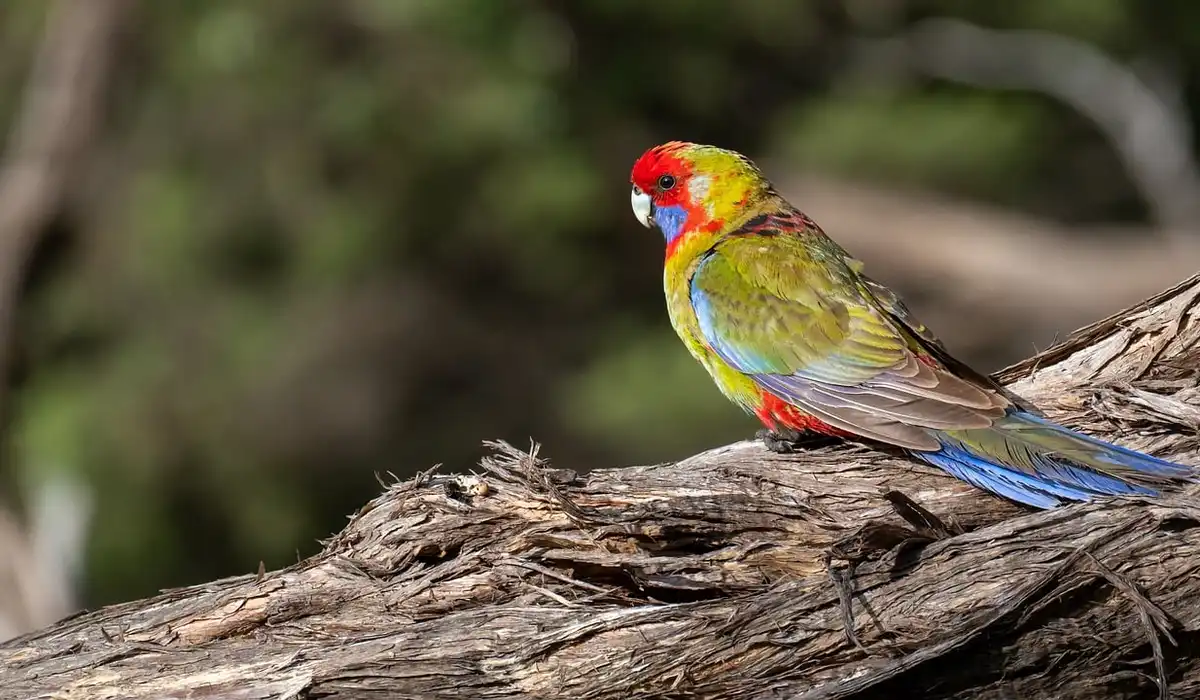
Different parrot species show age in unique ways, much like people develop wrinkles or gray hair over time.
Observing these subtle changes helps you connect better with your feathered friend’s life stage.
Aging Clues in Common Pet Parrot Types
Look for shifts in feather color, eye appearance, and overall energy levels as your parrot matures.
Young birds often have brighter, more uniform feathers, while older ones might show fading or slight wear.
- Feathers: Juveniles typically have softer, less vibrant plumage that intensifies with age.
- Eyes: In many species, eye color lightens or changes as they grow older.
- Behavior: Younger parrots are often more playful and curious, while seniors may prefer calm interactions.
Estimating African Grey Parrot Age
With my African Grey, Sage, I’ve seen how her eyes shifted from dark gray to a lighter, almost yellow hue by age three.
African Greys usually have dark eyes as babies that lighten over their first few years, giving a rough age estimate.
- Feathers: Young birds may have slightly duller gray tones that brighten with maturity.
- Tail color: The vibrant red tail feathers become more pronounced in adults.
- Behavior: Older Greys like Sage display calmer, more focused behaviors compared to juveniles.
Age Signs in Conures and Similar Species
My Green-cheeked Conure, Kiwi, had a more muted green as a baby that deepened into rich shades by age two.
Conures often show age through feather intensity and energy dips in their senior years.
- Color changes: Sun Conures like my Sunny start with paler yellows that blaze into bright oranges as adults.
- Activity levels: Younger conures are hyper and inquisitive, while older ones might nap more often.
- Beak and feet: Slight scaling or color shifts can hint at advancing age, but this varies by individual.
Professional Methods for Age Determination
When home observations aren’t enough, turning to experts ensures accurate age guesses without stressing your bird.
Avian vets use specialized techniques that respect your parrot’s well-being and provide reliable insights. They’re trained to handle birds’ unique physiology and stress responses. That’s why your parrot benefits from a true avian specialist rather than a general veterinarian.
How Avian Vets Assess Parrot Age
During Sage’s check-ups, the vet examined her bone density and feather condition to gauge her age range.
Vets often perform gentle physical exams, checking things like skull fusion and joint health for age clues.
- Physical exam: They look at eye color, feather quality, and beak wear.
- X-rays: These can show bone development stages, similar to growth plates in children.
- Blood tests: While not precise for age, they help rule out health issues that mimic aging signs.
Understanding Leg Bands and Documentation
Kiwi came with a closed leg band that indicated her hatch year, making age tracking straightforward.
Leg bands can offer birth details, but they’re not foolproof and should be handled with care to avoid injury.
- Closed bands: Applied when young, they often include the year of hatching for accurate age records.
- Open bands: Used for identification in older birds, they don’t always provide age information.
- Documentation: Always ask breeders or rescues for paperwork to confirm your parrot’s history.
Why Knowing Your Parrot’s Age Matters
Tailoring Care to Different Life Stages
Young parrots like my Green-cheeked Conure, Kiwi, burst with energy at three years old, needing daily play and training to channel their curiosity. Adjusting activities based on age prevents boredom and builds trust through interactive games. Middle-aged birds, such as Sunny my Sun Conure at five, thrive on social routines and varied diets to maintain their affectionate nature. Older parrots like Sage, my eight-year-old African Grey, benefit from mental puzzles and joint-friendly perches to support their calm, intelligent demeanor.
Diet shifts dramatically over a parrot’s life—juveniles require more protein for growth, while seniors need lower-fat options to avoid obesity. I mix fresh veggies with pellets for Kiwi but add supplements for Sage to keep her joints healthy and mind sharp. Exercise routines also evolve; younger birds enjoy flight time, whereas older ones prefer gentle climbs or foraging toys to stay active without strain. Senior parrot health special care for aging birds also involves regular vet visits and tailored preventive measures. Keeping an eye on weight, joint health, and cognitive engagement helps older parrots stay comfortable and thriving.
- Juveniles (under 5 years): Focus on socialization, basic training, and high-energy play.
- Adults (5-15 years): Maintain balanced diets, regular vet checks, and enrichment activities.
- Seniors (15+ years): Prioritize comfort, low-impact exercise, and monitoring for age-related issues.
Planning for Long-Term Parrot Health
Knowing your parrot’s age lets you anticipate health milestones, like when Sage might develop arthritis, so I’ve already started her on joint supplements. Common health issues that affect a parrot’s lifespan include respiratory problems and metabolic disorders. Regular checkups and early intervention help address these before they shorten life expectancy. Early planning reduces emergency vet visits and ensures your bird enjoys a full, vibrant life. It helps budget for future needs, such as specialized diets or habitat modifications for mobility as they grow older.
Regular age-based screenings catch issues like heart disease or feather plucking before they escalate. I schedule Sunny’s check-ups twice a year now that she’s five, focusing on weight management and beak health to keep her social spirit glowing. Annual vet checkups for parrots are a cornerstone of a solid preventative care guide for parrots. They help catch subtle changes early, supporting long-term health and wellbeing. This proactive approach builds a strong bond, as your parrot feels cared for through every stage of life.
- Set up a savings fund for potential surgeries or chronic conditions.
- Track behavior changes-like reduced activity-as signs of aging.
- Consult an avian vet to create a lifelong health roadmap tailored to your parrot’s age.
Practical Steps for Estimating Age in New Parrots
Questions to Ask When Acquiring a Parrot
Start by inquiring about the hatch date or any records from previous owners-this gave me clarity when adopting Kiwi. Asking detailed questions upfront builds a foundation for personalized care and avoids guesswork later. Request vet history, including past illnesses or vaccinations, to spot patterns that hint at age-related trends.
Probe into the parrot’s background, like diet changes or former living conditions, which can reveal clues about their life stage. I always ask about behavior shifts, such as when a bird became less playful, to estimate if they’re entering their senior years. This respectful questioning shows commitment to your new feathered friend’s welfare. Parrot lifespans vary widely by species. A lifespan guide helps you plan for decades of companionship.
- What is the exact hatch date or approximate age?
- Can you provide previous veterinary records or health summaries?
- How has their diet and activity level evolved over time?
- Have there been notable changes in feather condition or vocalization?
- What social interactions did they have with humans or other birds?
What to Do If Age is Uncertain
If age is unclear, observe physical traits like eye color or feather wear-younger parrots often have brighter eyes and smoother plumage. Focus on creating a comfortable environment first, as stress from uncertainty can affect their well-being. Schedule a vet exam for professional insights; my vet estimated Sunny’s age by examining her bone density and beak texture.
Monitor behavior patterns, such as sleep habits or toy preferences, to gauge maturity. I introduced Sage to puzzle feeders and noted her quick problem-solving, suggesting she’s in her prime adult years. Keep a journal of observations to track changes over time, helping narrow down age estimates through consistent care.
- Look at leg bands for codes that might indicate hatch years.
- Compare your parrot to species-specific aging guides online or in books.
- Join parrot owner forums to share photos and get community input.
- Be patient and adjust care as you learn more-age is just one part of their story.
FAQs
Can you always accurately determine a parrot’s exact age?
It’s rarely possible to pinpoint the exact age without hatch records or leg band details, as individual growth rates vary. Professional vet assessments can provide a close estimate but not a definitive number for adult parrots.
How do environmental factors influence the appearance of age in parrots?
Poor nutrition or chronic stress can accelerate signs like feather fraying or reduced activity, making a parrot seem older. Diet quality directly influences a [parrot’s health and lifespan](https://parrotcarecentral.com:/how-does-a-parrots-diet-impact-its-lifespan-and-health). Excellent care with a balanced diet and enrichment may help maintain a youthful appearance, complicating age estimation.
What is the easiest method for a new owner to estimate their parrot’s age?
Start by comparing your parrot to online species-specific aging guides that highlight common traits like eye color or feather changes. Scheduling a vet check-up allows for a professional evaluation using physical exams or X-rays to confirm age range. Understanding these stages—chick, juvenile, adult, and senior—helps tailor care as your parrot ages. A life cycle parrot perspective guides when to adjust diet and enrichment.
In Closing
Figuring out your parrot’s age often involves looking at feather changes, eye color, and behavior quirks, just like I did with Kiwi’s playful antics and Sage’s calm demeanor. Combining these observations with a vet’s help gives you the clearest picture of your bird’s age and health.
Caring for a parrot is a long-term commitment that starts with knowing their age and extends to providing a loving, informed home. Always stay curious and keep learning to ensure your parrot thrives through every stage of life. To translate this into action, create a long-term care plan for your parrot that outlines daily routines, nutrition, enrichment, and veterinary care. A documented plan helps you stay consistent as your bird ages.
Further Reading & Sources
Suzanne Levine is a dedicated parrot enthusiast and experienced avian caregiver with over 15 years of hands-on experience in parrot care. As the founder of Parrot Care Central, Suzanne is passionate about sharing her knowledge and insights to help fellow parrot owners provide the best possible care for their feathered friends. Her expertise spans nutrition, behavior, health, and enrichment, making her a trusted resource in the parrot care community.
Health & Wellness