
Monthly Parrot Food Costs: Smart Budgeting for Healthy Nutrition
Feeling the pinch every time you stock up on parrot food, wondering if you’re overspending or skimping on quality? I’ve been there, juggling bills while ensuring my feathered friends like Kiwi, Sunny, and Sage get the best.
Let me guide you through the essentials to ease your mind and your wallet.
Here are three key takeaways we’ll explore:
- Break down the real costs of balanced parrot diets, from pellets to fresh produce.
- Share practical tips to cut expenses without compromising your bird’s health.
- Highlight why proper nutrition is a non-negotiable for parrot welfare and longevity.
You’ll walk away with clear, actionable steps to manage your budget confidently.
We’ll cover: food types and prices, monthly expense estimates, smart shopping strategies, nutritional must-haves, common budgeting mistakes, adapting to your parrot’s needs.
What’s the Real Cost of Feeding Your Parrot Monthly?
When I first brought my Green-cheeked Conure, Kiwi, home, I was shocked by the grocery bill. The price of proper parrot food is a major part of your monthly budget, and it’s far more than just a bag of seeds. I quickly learned that a healthy diet is an investment in their long, vibrant life.
Your monthly cost depends heavily on your parrot’s size. A small parrot like a budgie might only need a cup of food a week, while my African Grey, Sage, can easily go through that in a couple of days. For an African Grey, though, you’ll also want to factor in the initial price and ongoing care expenses. A dedicated African Grey cost guide offers budgeting tips to plan for food, toys, vet care, and cage setup.
- Small Parrots (Budgies, Cockatiels): Expect to spend $15 – $25 monthly on a quality pellet base, plus fresh foods.
- Medium Parrots (Conures, Caiques): My Kiwi’s diet costs between $30 – $50 each month. This includes his pellets, fresh chop, and healthy treats.
- Large Parrots (Macaws, Greys, Amazons): For a bird like Sage, budgeting $50 – $80 per month is realistic for a diverse, nutritious diet.
These numbers aren’t just for a single bag of food. You’re budgeting for a balanced portfolio of pellets, fresh vegetables, some fruits, and the occasional nut for enrichment. I set aside a small “produce fund” each week when I do my own grocery shopping to ensure my flock always has fresh options.
Pellets vs Seeds: Nutrition and Cost Showdown
This is the big debate in the parrot world, and my own experience has been a powerful teacher. When I adopted my Sun Conure, Sunny, he was on a mostly seed diet and it showed in his dull feathers and lower energy.
Seeds are like junk food for parrots; they’re high in fat and lack vital nutrients, leading to expensive vet bills down the road. A bag of seed mix might seem cheaper upfront, but it’s a false economy.
- Seeds: Inexpensive to buy but nutritionally incomplete. Parrots often pick out their favorite, fatty seeds, leaving the rest.
- Pellets: A higher initial cost, but they are scientifically formulated to provide complete and balanced nutrition in every bite.
I made the switch for Sunny, and within months his plumage became brilliantly vibrant and his personality shone even brighter. Pellets are the foundation of a healthy diet, ensuring your bird gets the vitamins and minerals they would forage for in the wild. You use less, and there’s far less waste compared to relying on traditional seeds alone. Pellet diets debunk several common misconceptions about avian nutrition.
| Food Type | Average Monthly Cost (Medium Parrot) | Nutritional Value | Long-Term Impact |
|---|---|---|---|
| Seed-Only Diet | $10 – $20 | Low, high in fat | High risk of obesity, fatty liver disease, and malnutrition |
| Pellet-Based Diet | $25 – $40 | High, complete and balanced | Supports vibrant feathers, strong immune system, and longevity |
Think of pellets as your parrot’s daily multivitamin and health insurance policy rolled into one. While the bag costs more, you are actively preventing nutritional deficiencies that can cost thousands to treat. Many owners wonder whether seeds should be the base diet or pellets. In practice, pellets are typically the better base, with seeds used sparingly as treats or for enrichment. I use pellets as the base—about 60-70% of the diet—and supplement with fresh foods for variety and mental stimulation.
How Your Parrot’s Species and Size Impact Food Bills
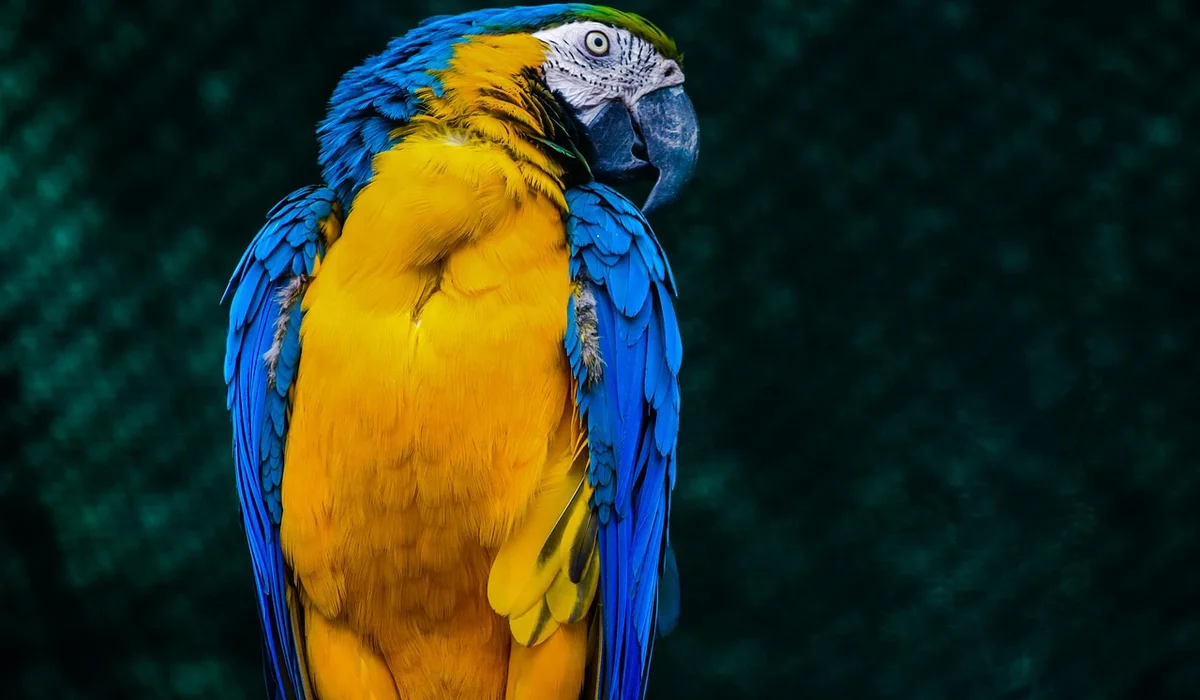
Think of your parrot’s beak like a grocery cart-the bigger it is, the more it can hold and the faster it empties your wallet. My Green-cheeked Conure Kiwi eats about a quarter cup of pellets daily, while my friend’s Macaw easily polishes off over a cup. That’s a four-fold difference right there.
Let me break down the cost by size category based on my own flock and fellow parrot owners:
Small Parrots (Budgies, Cockatiels, Lovebirds)
These little guys are the budget-friendly flyers. Their tiny bodies have fast metabolisms but require less volume.
- Average Monthly Pellet Cost: $10 – $20
- Fresh Food Focus: Minimal waste; a single strawberry can be a two-day treat.
- My Experience: My first bird was a budgie, and his food bill was less than my monthly coffee habit.
Medium Parrots (Conures, Caiques, Senegals)
This is the middle ground, where you see a noticeable jump in appetite and cost.
- Average Monthly Pellet Cost: $25 – $45
- Fresh Food Focus: You’ll buy more variety; my conure Kiwi insists on a colorful chop mix daily.
- My Experience: Kiwi’s playful nature means he often flings food, so I factor in a 10% “mess tax” to his budget.
Large Parrots (Macaws, Cockatoos, African Greys)
Welcome to the big leagues of parrot ownership, where the food bill can feel like feeding a small, feathered teenager.
- Average Monthly Pellet Cost: $50 – $100+
- Fresh Food Focus: They need substantial daily portions of fruits, veggies, and nuts.
- My Experience: My African Grey, Sage, is a sophisticated eater who prefers high-quality walnuts, which definitely ups the grocery total.
The species itself also dictates specific dietary needs that influence price. A Lorikeet requires expensive nectar, while an Eclectus needs a very specific fresh-food-heavy diet to stay healthy.
Where to Shop for Parrot Food Without Breaking the Bank
Finding quality food without a sky-high price tag is totally possible. I’ve learned to be a savvy shopper over the years, and it’s saved me hundreds.
Buy in Bulk Online
This is my number one money-saving strategy for staple items like pellets.
- Major online pet retailers often have subscription services with 5-15% discounts.
- Buying the largest bag of pellets your parrot will eat before they expire is almost always cheaper per ounce.
- I set a calendar reminder to check my pellet supply and order a 25lb bag for my Sun Conure, Sunny, every four months.
Local Bird Stores and Co-ops
Don’t underestimate your neighborhood specialty store.
- Many allow you to buy from bulk bins, so you only pay for what you need.
- Store owners are fountains of knowledge and can recommend cost-effective local brands.
- Some organize buying co-ops where a group order gets a significant bulk discount.
Big-Box Pet Stores
While selection can be hit-or-miss, the convenience and frequent sales are valuable.
- Use their apps for digital coupons and rewards points on every purchase.
- I often price-match between major chains using their own websites on my phone while in the aisle.
Farmers’ Markets and Grocery Stores
This is your secret weapon for fresh produce.
- Shop at the end of the day for discounted “ugly” produce that’s perfectly nutritious.
- Buy seasonal fruits and vegetables in bulk and freeze portions for your parrot’s “chop.”
- I make a weekly trip to my local farmer’s market and get a box of slightly bruised apples for a fraction of the cost, which my flock adores.
Remember, the cheapest option isn’t always the best. Prioritize quality ingredients to avoid massive vet bills down the road. A balanced diet is an investment in your parrot’s long, healthy, and happy life. For guidance on parrot diet requirements by species, see our complete feeding guide.
Smart Budgeting Tricks for Healthy Parrot Eating
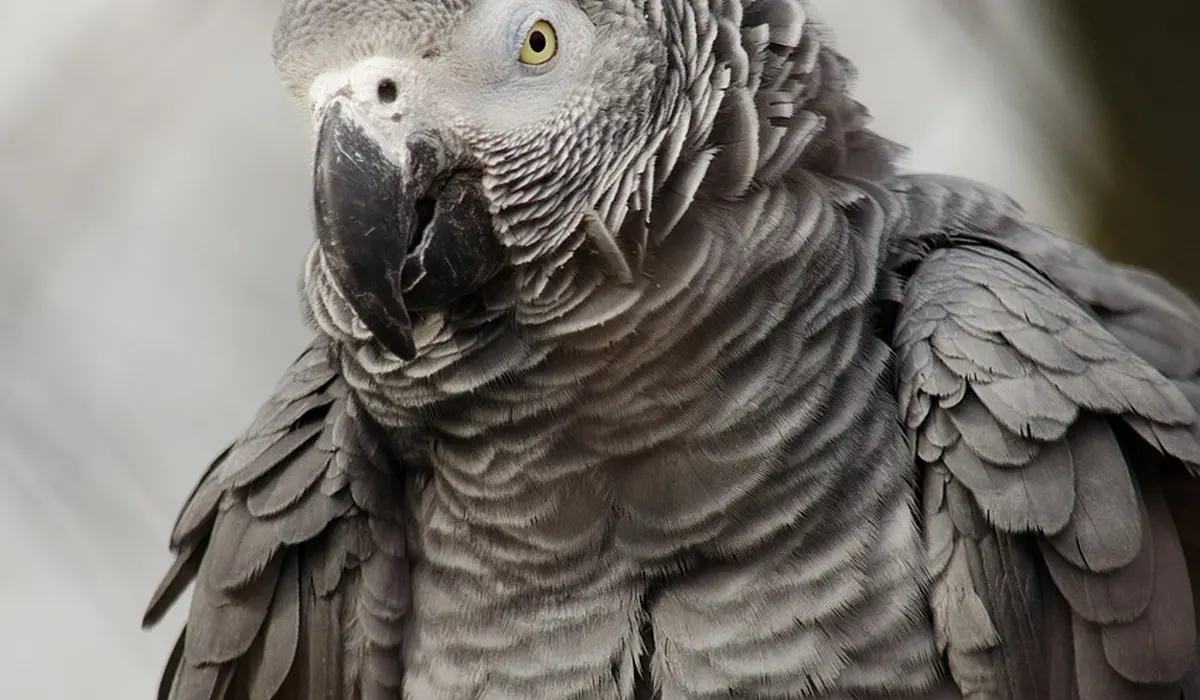
Feeding your parrot well doesn’t have to drain your wallet. With a few clever strategies, you can provide top-notch nutrition while keeping costs in check. For first-time owners of small parrots, budget-friendly options can still cover all the essentials. Smart shopping and simple, nutritious staples help stretch every dollar. I’ve raised Kiwi, my Green-cheeked Conure, on a tight budget and learned that smart planning makes all the difference.
Buy in Bulk for Big Savings
Purchasing parrot food in larger quantities often slashes the price per pound. I stock up on pellets and seeds for Sunny and Sage every few months, cutting my monthly expenses by nearly 20%. Just store extras in airtight containers to maintain freshness.
- Look for bulk options at pet stores or online retailers.
- Split costs with other parrot owners in your community.
- Check expiration dates to avoid waste.
Grow Your Own Fresh Foods
Planting a small garden can supply fresh veggies and herbs for your feathered friend. My parrots love homegrown kale and basil, which cost me almost nothing after the initial setup. It’s a fun way to ensure pesticide-free treats.
- Start with easy-to-grow items like spinach or parsley.
- Use containers if space is limited-perfect for apartments.
- Harvest regularly to keep supplies steady.
Avoid Cheap Fillers and Stick to Quality
Low-cost foods often pack in unhealthy fillers that harm parrot health. Investing in high-quality pellets and fresh produce prevents vet bills down the road, saving you money and heartache. I learned this the hard way when Kiwi had digestive issues from a budget brand.
Always read labels and prioritize whole ingredients. Your parrot’s vibrant feathers and energy levels will thank you for skipping the junk.
Estimating Your Yearly Parrot Nutrition Costs
Getting a clear picture of annual expenses helps you plan without surprises. Based on my experience with multiple parrots, yearly costs vary by species, diet needs, and local prices. An annual parrot budget calculator can help you plan your total ownership costs. It consolidates food, housing, and veterinary care into a single yearly estimate. Let’s break it down step by step.
Calculate Monthly Food Basics
Start by listing all food items your parrot consumes regularly. This inventory is a key step in the ultimate guide to foraging that enriches your parrot’s diet. For Sage, my African Grey, I spend about $30 monthly on pellets, fresh fruits, and veggies. Smaller birds like Kiwi might need less, but quality should never drop.
- Pellets or fortified seeds: $15-$25 per month.
- Fresh produce: $10-$20 monthly, depending on variety.
- Treats and supplements: $5-$10 to add enrichment.
Factor in Seasonal and Emergency Costs
Budgets should include occasional spikes, like holiday treats or unexpected health needs. I set aside an extra $50 yearly for things like organic berries or calcium blocks during molting season. This cushion keeps nutrition consistent.
Consider your parrot’s age and activity level-young, playful birds may eat more. Planning for these variables ensures your feathered companion stays happy and healthy all year long.
| Parrot Type | Estimated Monthly Cost | Yearly Total |
|---|---|---|
| Small (e.g., Conures) | $25-$40 | $300-$480 |
| Medium (e.g., African Greys) | $30-$50 | $360-$600 |
| Large (e.g., Macaws) | $50-$80 | $600-$960 |
Use these figures as a starting point and adjust based on your parrot’s unique appetite. Tracking expenses for a few months gives you a personalized estimate that fits your lifestyle.
FAQs
What factors affect parrot food costs?
Parrot food costs are influenced by the bird’s size, species-specific dietary needs, and the quality of ingredients used. Additional factors include your location, brand choices, and whether you purchase in bulk or opt for fresh, seasonal produce.
How can I estimate annual parrot food costs?
Begin by calculating your average monthly expenses for pellets, fresh foods, and treats, then multiply that figure by twelve months. It’s wise to include a small buffer for unexpected costs like seasonal price increases or special health-related dietary adjustments.
What are affordable options for parrot food without compromising nutrition?
Opt for buying high-quality pellets in bulk and focus on seasonal, locally grown fruits and vegetables to keep costs down. These choices align with general parrot dietary guidelines. They stress a balanced mix of pellets, fruits, and greens. You can also grow your own parrot-safe herbs or greens to provide fresh, nutritious additions without extra expense.
How does buying in bulk affect parrot food costs?
Buying in larger quantities often reduces the price per unit, leading to significant savings over time. Just store the food properly in airtight containers to maintain freshness and prevent spoilage, ensuring your parrot enjoys safe, quality meals.
Do exotic parrots have significantly higher food costs?
Yes, exotic species like Lorikeets or Eclectus parrots often require specialized diets, such as nectar or specific fresh foods, which can be more costly than standard parrot diets. Their unique nutritional demands may involve pricier ingredients and supplements to maintain optimal health. A complete diet guide for Eclectus parrots outlines a balanced mix of fresh fruit, greens, and quality pellets. It helps ensure you meet their nutritional needs while keeping costs and risks in check.
Final Thoughts
Your parrot’s health is directly linked to the quality of food you provide, so prioritize a balanced diet of pellets, fresh produce, and healthy treats, then build your budget around that core need. For Amazon parrots, following a best diet nutrition guide helps tailor this plan to their species-specific needs. Look for trusted resources that review pellet formulas, produce variety, and safe treats to keep your bird thriving. Smart shopping, buying in bulk, and exploring subscription services can make high-quality nutrition surprisingly affordable without cutting corners.
Remember, being a parrot guardian is a long-term commitment that goes far beyond just the monthly food bill. We owe it to our intelligent, feathered companions to keep learning, stay curious about their needs, and always advocate for their complete welfare and happiness.
Further Reading & Sources
- Parrot Prices in 2024: Purchase Cost, Supplies, Food, and More! – A-Z Animals
- Do You Know the True Cost of Your Parrot? | Chewy
- How Much Does a Parrot Cost? (2025)
Suzanne Levine is a dedicated parrot enthusiast and experienced avian caregiver with over 15 years of hands-on experience in parrot care. As the founder of Parrot Care Central, Suzanne is passionate about sharing her knowledge and insights to help fellow parrot owners provide the best possible care for their feathered friends. Her expertise spans nutrition, behavior, health, and enrichment, making her a trusted resource in the parrot care community.
Nutrition