DIY vs Store-Bought Parrot Toys: A Smart Cost Comparison
Are you worried that buying parrot toys is draining your wallet, but unsure if making them yourself is worth the effort? I’ve faced this exact dilemma with my own birds, like Kiwi and Sunny, and I know how confusing it can feel.
I’ll help you cut through the noise by sharing my hands-on experience with both options. Here are the key points we’ll explore:
- Real savings you can achieve with DIY projects versus store prices
- Hidden costs and time investments you might not expect
- How to ensure safety and enrichment for your parrot’s well-being
You’ll walk away with straightforward advice to make the best choice for your budget and your bird. We’ll dive into: material costs, store prices, time comparisons, safety tips, and enrichment value.
The Real Price of Parrot Playthings
When you shop for parrot toys, the sticker price only tells part of the story. Knowing the hidden costs helps you make smarter choices for your bird and your budget. In addition, plan for veterinary care, replacement toys, and possible emergencies to keep your parrot healthy and your finances stable.
- Materials: Safe, non-toxic woods, sturdy plastics, and vibrant dyes raise the price but protect your parrot’s health. Cheaper options might use harmful chemicals that risk your bird’s well-being.
- Durability: A toy that withstands daily use costs more initially but lasts longer. My Green-cheeked Conure, Kiwi, shreds flimsy toys in hours, forcing frequent replacements.
- Brand Markup: Popular brands charge extra for their name, often covering safety checks and design. You pay for peace of mind, but generic brands can offer similar quality for less.
Here’s a rough breakdown of average prices for common toy types:
- Chew Toys: Range from $5 to $25. Smaller birds like conures need smaller, cheaper versions, while larger parrots require bulkier, pricier options.
- Foraging Toys: Typically $10 to $35. These puzzles keep birds mentally sharp, and complex designs cost more but provide longer engagement.
- Swings: Start around $8 and go up to $30. Basic rope swings are affordable, but larger or multi-perch swings suit bigger birds like African Greys.
Your parrot’s size and destructiveness shape long-term expenses. Small, energetic birds like Kiwi demolish toys quickly, costing me over $200 a year in replacements. For first-time owners, starting with a small, budget-friendly species helps keep costs predictable. Prioritize affordable, durable toys and DIY enrichment to stretch your budget. In contrast, my African Grey, Sage, is gentler but needs stronger, more expensive toys to match his intelligence and size. A destructive parrot can triple your annual toy budget compared to a careful one.
Why I Love Making My Own Bird Toys
Creating toys myself transformed how I care for my parrots. DIY projects let me tailor every detail to my birds’ unique needs while saving money and reducing waste.
- Customization: I design toys that fit each parrot’s personality. For Sunny, my social Sun Conure, I add interactive elements she adores, and for Sage, I include puzzles that challenge his smart, calm nature.
- Cost Savings: Using household items slashes expenses. I’ve cut my toy budget by 60% by repurposing safe materials instead of buying new.
- Safe Household Items: Everyday objects like cardboard tubes, untreated wood blocks, and old fabric scraps become fun, secure toys. Always avoid anything with sharp edges or toxic coatings.
One of my biggest successes was a DIY foraging toy for Kiwi. I stuffed an empty paper towel roll with treats and folded the ends, and his playful curiosity kept him busy for days. It cost nothing and mimicked natural foraging behaviors, keeping him mentally stimulated.
I also upcycled a sturdy tree branch into a perch for Sage. After cleaning and sanding it, he claimed it as his favorite spot, and it supports his feet better than store-bought plastic perches. This simple project cost zero dollars and improved his comfort instantly.
The joy comes from seeing my parrots thrive with toys made just for them. Watching Kiwi’s excitement over a bell-filled toy I crafted or Sunny’s affection for a colorful shredder I designed feels incredibly rewarding. Tailoring enrichment to their individual traits strengthens our bond and keeps them happier and healthier.
The Hidden Costs of Handmade Parrot Toys
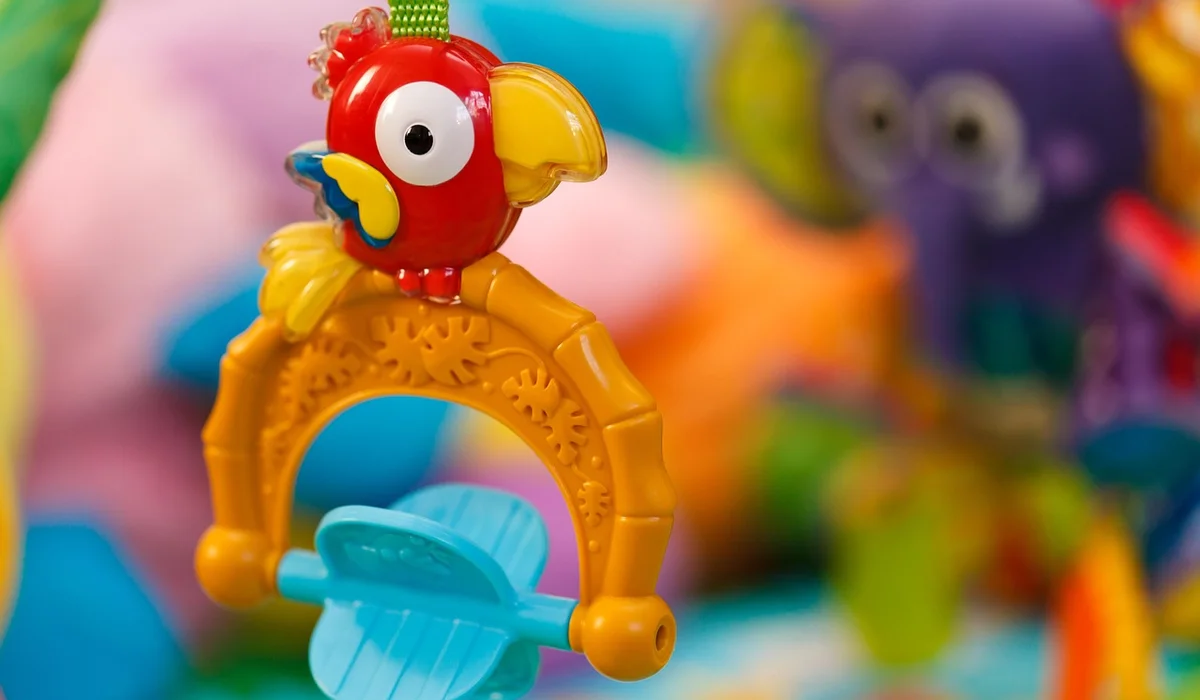
You might feel proud crafting a toy yourself, but the real expenses sneak up fast. I learned this the hard way with Kiwi, my Green-cheeked Conure, who shredded my first homemade creation in minutes. DIY projects demand more than just materials; they eat up your precious time and energy.
- Time investment can stretch for hours, pulling you away from family or fun activities with your bird.
- Sourcing safe materials means hunting for non-toxic woods and dyes, which aren’t always cheap or easy to find.
- Skill required includes knowing how to assemble parts securely to prevent accidents during play.
Safety risks lurk in every corner if you’re not careful. I once used a wood type that turned out to be mildly toxic, and Sage, my African Grey, showed signs of discomfort. Always inspect materials for hazards like sharp edges or loose bits that could harm your parrot. With the holidays approaching, a comprehensive seasonal safety checklist for parrots can help you anticipate and mitigate these risks. Keep an eye out for festive décor, new foods, and cleaning products that could be hazardous.
- Avoid toxic woods like cedar or pressure-treated lumber; stick to bird-safe options like pine or maple.
- Check for small parts that could be swallowed; use sturdy fasteners and supervise initial play sessions.
- Wash and sanitize all items before use to remove dust or chemicals that might irritate your bird.
Calculating the true cost opens your eyes to hidden expenses. When I made a simple rope toy, I spent $15 on materials, $30 on tools like clippers and drills, and 4 hours of my time. If you value your time at even a modest rate, DIY can end up costing more than store options.
- Tools add up: scissors, glue guns, and specialized cutters might be one-time buys, but they inflate the initial outlay.
- Your time has value; estimate hours spent and compare it to what you’d pay for a ready-made toy.
- Material waste occurs when experiments fail, leading to repeated purchases and frustration.
When Store-Bought Toys Are Worth Every Penny
Store-bought toys offer peace of mind that’s hard to beat. Sunny, my Sun Conure, adores the vibrant, pre-assembled toys I grab from pet shops-they’re ready for fun right out of the box. Convenience means less stress for you and instant enrichment for your feathered friend.
- Convenience saves you from the hassle of sourcing and building, freeing up time for bonding with your parrot.
- Safety testing ensures items meet standards, reducing risks of injury or illness from poor craftsmanship.
- Variety keeps your bird engaged with new textures, colors, and challenges that stimulate their mind.
Quality control directly protects your wallet and your parrot’s health. After a scare with a cheap toy that had loose parts, I now invest in reputable brands to avoid vet bills. Spending a bit more upfront can prevent costly emergencies from unsafe playthings. This mindset also ties into our complete guide on the most common parrot health concerns. It helps readers spot early warning signs and make informed choices.
- Vet bills for ingested parts or poisoning can run hundreds of dollars, far exceeding the toy’s price.
- Durability means toys last longer, so you replace them less often and save money over time.
- Brand reliability often comes with warranties or guarantees, offering extra security for your purchase.
Finding affordable, durable toys is easier than you think. I scout for deals by shopping sales or buying in bulk, which keeps my flock happy without breaking the bank. Look for toys made from hardy materials like acrylic or untreated wood to ensure they withstand vigorous chewing.
- Check for discounts at local pet stores or online retailers during holiday seasons or clearance events.
- Read reviews from other parrot owners to spot toys that hold up well under birdy beak attacks.
- Opt for multi-part toys that can be reassembled or rotated to extend their lifespan and value.
The Budget Pitfalls of Pre-Made Parrot Toys
I’ve spent hundreds on colorful store-bought toys that my green-cheeked conure Kiwi demolished in a single afternoon. That instant gratification comes with a steep price tag that quietly drains your wallet over time.
Why Store-Bought Costs More Than You Think
- Premium brands charge $20-$50 for complex toys my African Grey Sage might ignore completely
- You’re paying for packaging, marketing, and retail markup-not just materials
- Limited sizes and colors mean you can’t match your cage setup or parrot’s preferences
The Chewer Replacement Cycle
My sun conure Sunny treats expensive toys like disposable snacks. Powerful chewers can turn a month’s toy budget into wood chips in one energetic session.
- Soft pine toys last days with determined beaks
- Complex designs with multiple parts fail at their weakest connection
- Favorite elements get destroyed while boring parts remain untouched
Durability Versus Dollar Reality Check
Through trial and error with my flock, I’ve learned that higher price doesn’t always mean longer-lasting entertainment.
- Basic wooden block toys: $15 / lasts 2-3 weeks
- Colorful acrylic puzzles: $35 / lasts months but often ignored
- Natural vine perches: $25 / lasts 6 months with moderate chewing
- Rope and chain combinations: $30 / requires frequent safety inspections
Keeping Your Parrot Safe Without Breaking the Bank
Whether you spend $5 or $50, safety always comes first in my aviary. A single unsafe toy can cost you everything, making vigilance your most valuable accessory. When choosing toys, I compare DIY vs store-bought toy safety for safety, cost, and enrichment. Smart enrichment matters just as much as price, whether you craft it yourself or buy it ready-made.
Essential Safety Checks for Every Toy
- Materials must be certified non-toxic-no treated woods or questionable plastics
- Parts should be too large to swallow but small enough to manipulate
- Construction needs secure connections that won’t release tiny pieces
- No sharp edges, loose threads, or potential entanglement risks
Your Weekly Toy Inspection Routine
Every Saturday morning, I line up all toys while my birds watch curiously. Regular inspections catch problems before they become emergencies. To keep things organized, I’m creating a weekly and monthly parrot cage maintenance checklist. This routine helps ensure safety and consistency for the flock.
- Run fingers over every surface feeling for splinters or sharp points
- Tug firmly on all attachments and moving parts
- Check for frayed ropes, cracked plastics, or loose chains
- Look for discoloration, mold, or excessive wear in chewing areas
- Discard anything questionable immediately-no second chances
Bird-Safe Materials Quick Reference
After years of keeping parrots healthy and engaged, I stick to these proven safe materials that won’t compromise their wellbeing. I also follow a toys safety checklist to identify dangerous toys and keep playtime safe. This helps prevent choking hazards and injuries during daily activities.
- Woods: untreated pine, balsa, maple, ash, elm, apple, manzanita
- Dyes: vegetable-based colors, unsweetened food coloring, natural plant stains
- Fasteners: stainless steel quick links, zinc-free cotter pins, untreated leather strips
- Avoid: pressure-treated wood, galvanized metals, synthetic ropes, lead-based paints
My Personal Cost Comparison: DIY vs. Store-Bought
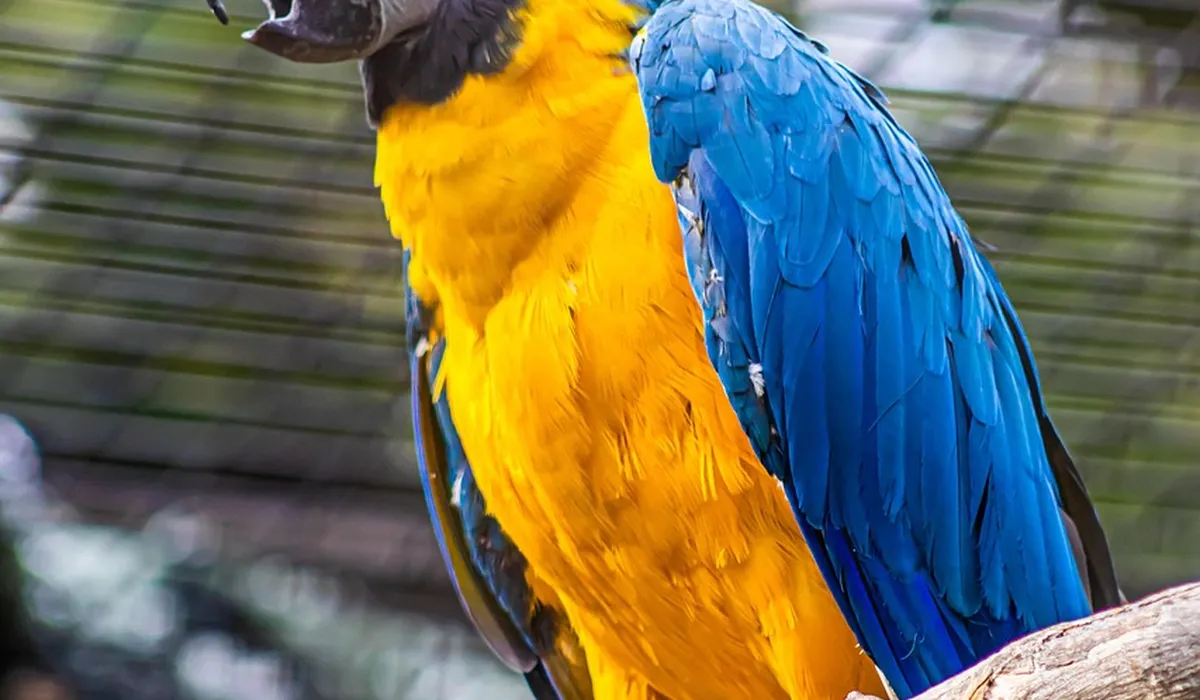
I’ve spent years trying both methods with my flock, and the numbers can be eye-opening. Let me walk you through a real price breakdown for three common toy types I’ve made and purchased for Kiwi, Sunny, and Sage.
Simple Chew Toy
- Store-Bought: A basic wooden block with beads costs $12-$18. It lasted Kiwi about two weeks before he chewed through the main rope.
- DIY Version: I used an old wooden clothespin, drilled a hole, and strung it with untreated leather cord. Total cost: under $2. It held up just as long, and Kiwi loved the crinkly sound of the wood.
The DIY chew toy offered nearly identical engagement for a fraction of the price, making it the clear winner for simple destruction.
Foraging Puzzle
- Store-Bought: A plastic puzzle box with sliding doors runs $25-$35. Sage, my African Grey, solved it in a day and lost interest.
- DIY Version: I took a small cardboard box, cut various holes, and put treats inside wrapped in paper. Cost: $0. It took Sage longer to deconstruct and provided more varied mental stimulation.
While the store-bought puzzle was sturdier, the DIY version provided superior, adaptable engagement at no cost.
Play Gym
- Store-Bought: A medium-sized play stand with perches and toys averages $80-$150. Sunny’s lasted years but needed frequent toy replacements.
- DIY Version: I built one from a sturdy branch, PVC pipe for the base, and added homemade toys. Total materials: about $35. It’s been just as durable and fully customizable.
For larger items like play gyms, DIY requires more initial effort but delivers incredible long-term value and personalization.
Smart Shopping for Your Feathered Friend
You don’t have to choose one method exclusively. I’ve found the sweet spot is a strategic mix of DIY creativity and selective store purchases.
Budgeting Tips That Actually Work
- Prioritize Durability: Spend more on store-bought items with hardwoods or stainless steel that last years. Save DIY for destructible, frequently replaced toys.
- Mix and Match: Buy a sturdy play gym base but make your own hanging toys. This balances cost with long-term structure.
- Bulk Buy Basics: Purchase untreated leather strips, wooden blocks, and stainless steel chains in bulk online. It slashes per-toy costs dramatically.
Creative Ways to Save on Accessories
- Watch for Sales: Pet stores often have seasonal clearances on bird toys. I stock up on durable components then.
- Upcycle Everything: Toilet paper rolls, egg cartons, and small cardboard boxes become instant foraging toys. My birds don’t care if it’s fancy!
- Swap with Friends: Join a local parrot group to trade unused toys or DIY materials. It’s free and builds community.
The goal is a balanced enrichment plan that keeps your parrot stimulated without draining your wallet. Some weeks I have time for DIY projects; other times, a store run is all I can manage. Both are perfectly valid ways to show your bird you care. To set up parrot cage maximum enrichment, start by layering foraging toys, varied perches, and safe chew items inside the cage. You can mix DIY projects with affordable store finds to achieve it.
FAQs
How do I determine the right balance between DIY and store-bought toys for my budget?
Evaluate your parrot’s destructiveness and your available time to decide where DIY savings outweigh convenience costs. For high-turnover items like chew toys, DIY often wins, while complex or durable store-bought toys can offer better value for less destructive birds. Consider making safe, fun homemade toys your parrot can enjoy, using simple, pet-safe materials you already have at home. With a little creativity, DIY toys can be tailored to your bird’s preferences and prevent boredom.
What are the key factors that affect the longevity and cost-effectiveness of parrot toys?
Material durability and your bird’s chewing habits are the main drivers of how long a toy lasts and its overall expense. Investing in sturdy, safe materials and rotating toys regularly can maximize their lifespan and minimize replacement frequency.
Can I save money by making my own toys if I have limited crafting skills?
Absolutely, begin with easy DIY projects using everyday safe items like paper rolls or untreated wood to keep costs low. As you practice, you’ll build skills without expensive tools, making it a budget-friendly way to provide enrichment.
Final Thoughts
Ultimately, the smartest strategy is a mix-and-match approach, blending budget-friendly DIY projects for destructible fun with select, high-quality store-bought items for safety-critical accessories. This balanced method lets you save money where you can without ever compromising on your parrot’s enrichment or security.
Remember, being a fantastic parrot parent is a journey of continuous learning and adapting to your feathered friend’s unique personality and needs. I encourage you to keep exploring new ideas and always prioritize their well-being, because a happy, stimulated parrot is a truly wonderful companion. Understanding how hand-raised and parent-raised parrots differ in behavior can help you tailor care and training. This awareness can also improve how you read their body language and respond to their needs.
Further Reading & Sources
- Bird Toys in Birds – Walmart.com
- How Much Does a Parrot Cost? 2025 Price Guide | PangoVet
- Amazon.com: Parrot Toys
Suzanne Levine is a dedicated parrot enthusiast and experienced avian caregiver with over 15 years of hands-on experience in parrot care. As the founder of Parrot Care Central, Suzanne is passionate about sharing her knowledge and insights to help fellow parrot owners provide the best possible care for their feathered friends. Her expertise spans nutrition, behavior, health, and enrichment, making her a trusted resource in the parrot care community.
Toys