
Seasonal Parrot Care Costs: Managing Expenses Throughout the Year
Published on: March 17, 2026 | Last Updated: March 17, 2026
Written By: Suzanne Levine
Does the thought of fluctuating parrot care costs with each season leave you anxious about your budget and your feathered friend’s well-being?
I’ve been there with my own parrots-Kiwi’s playful antics, Sunny’s social needs, and Sage’s calm intelligence-so I get how seasonal shifts can hit your wallet hard while advocating for their best care.
Let me guide you through the essentials with three key insights to ease your mind and your expenses.
- Seasonal variations in diet and supplies that drive up costs unexpectedly.
- Smart budgeting tricks I’ve used to handle vet visits and emergencies without stress.
- Practical ways to cut costs while keeping your parrot healthy and happy all year.
You’ll walk away with clear, step-by-step advice tailored to real-life scenarios. We’ll cover: Spring setup costs, Summer cooling needs, Autumn molting expenses, Winter heating adjustments, Annual vet schedules, DIY savings tips.
Why Your Parrot’s Bills Change with the Weather
Seasons directly affect your parrot’s needs, and I’ve seen this firsthand with my flock—Kiwi’s playful antics slow in winter, while Sunny’s vibrant feathers demand extra care in dry months. Temperature regulation helps parrots find a perfect balance year round. Tuning warmth and humidity keeps energy steady and feathers healthy. Your parrot’s energy levels and health shift with temperature and humidity, driving up or down your spending on essentials like food, utilities, and vet care.
- Heating and cooling costs spike in extreme weather to maintain a safe environment, as parrots like Sage, my African Grey, thrive in stable temperatures.
- Seasonal health issues, such as respiratory infections in cold snaps or dehydration in heatwaves, lead to unexpected vet bills.
- Changes in daylight and activity influence diet and toy wear, requiring seasonal adjustments to your shopping list.
Planning an annual budget helps you anticipate these fluctuations, so you’re not caught off guard. I set aside a little extra each month for seasonal surprises, which saved me when Kiwi needed a humidifier during a dry spell.
Winter Warmth Costs: Heating and Health Checks
Winter brings higher heating bills to keep your parrot cozy, and I’ve learned that drafts can chill even hardy birds like Sunny. Investing in a reliable space heater or adjusting your home’s thermostat ensures your parrot stays warm without risking hypothermia.
Humidifiers combat dry air that irritates respiratory systems, and draft-proofing cages with simple covers prevents costly health issues. Regular vet visits in winter focus on respiratory checks and vaccinations, as cold weather often triggers sneezing or feather plucking in sensitive parrots. Make sure to check out The Importance of Annual Vet Check-ups for Parrots: A Preventative Care Guide for more tips.
Budget-friendly habits, like sealing windows or making DIY perches from safe branches, cut costs while keeping your parrot happy. I repurposed old towels for cage insulation, which helped reduce my energy use and protected Kiwi from chills. A DIY foraging wall inside the cage can boost enrichment without a major expense. You can use safe, inexpensive materials to hide treats and encourage exploration.
- Use energy-efficient heaters and set timers to lower bills while maintaining comfort.
- Schedule preventive vet exams early in the season to avoid emergency fees.
- Create homemade toys or perches to entertain your parrot without breaking the bank.
Spring Spending: Molting and Fresh Starts
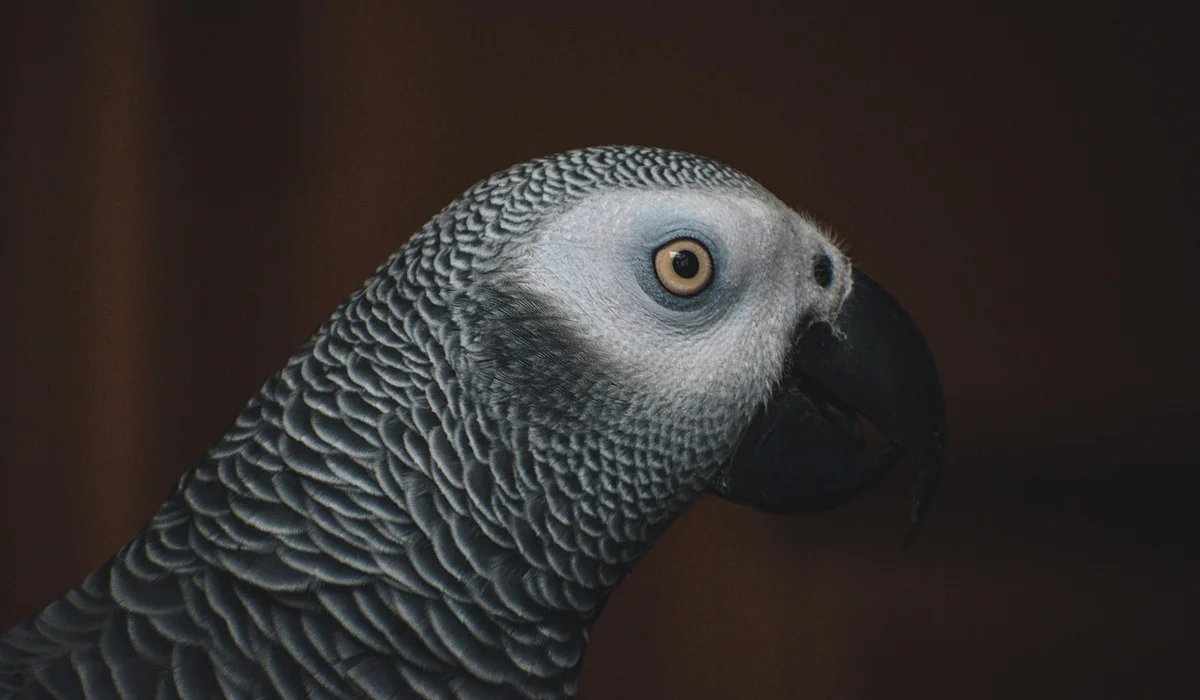
Spring means your parrot is shedding old feathers for a vibrant new coat, which requires special attention and supplies. I budget around $50-$75 each spring just for Kiwi’s feather care, including conditioning sprays and protein-rich food supplements.
Essential Feather and Grooming Supplies
- Preening sprays with aloe or coconut oil ($12-$20)
- Calcium blocks and cuttlebones to support healthy growth ($5-$10)
- Nail clippers or a grooming perch ($15-$30)
- Bird-safe mite prevention spray ($18-$25)
Seasonal Health Checkups
Just like us, parrots can get sniffly from pollen or dust. I always set aside $100-$150 for a spring vet visit to catch any allergies or respiratory issues early. This is also the perfect time for a routine fecal exam to check for parasites or any other environmental toxins or household dangers that can make parrots sick.
Spring Cleaning and Enrichment
Out with the old, in with the new! I refresh cages and playstands to keep things stimulating.
- New shreddable toys made of palm leaves or sola wood ($8-$15 each)
- Replacement perches in different textures and diameters ($10-$25)
- Cage liners and natural cleaning solutions ($20-$30 for a season’s supply)
Summer Splurges: Cooling and Outdoor Hazards
When temperatures rise, so do my expenses for keeping my flock comfortable and safe. I learned the hard way with Sunny that parrots overheat quickly, so I never skip on cooling tools.
Beat the Heat Equipment
- Small, quiet cage fans ($25-$40)
- Handheld misting bottles or a bird bath dish ($10-$20)
- UV-protective window films if their cage is near sunlight ($30-$50)
Dietary Shifts for Hydration
Summer is when I increase fresh produce, which bumps up my grocery bill. I spend about $20 more per week on organic berries, melons, and leafy greens to keep everyone hydrated. Sage particularly loves chilled cucumber slices!
Safe Outdoor Adventures
If you’re considering outdoor time, safety is non-negotiable.
- Secure travel cage or aviary ($80-$200)
- Harness and leash for trained birds ($15-$35)
- Portable water dispenser and shade canopy ($25-$60)
Emergency Fund for Heat Risks
Heatstroke vet visits are expensive and stressful. I keep a separate $200 emergency fund specifically for summer, after Sage once showed signs of overheating during a heatwave. Better safe than sorry!
Autumn Adjustments: Prepping for Colder Days
As the leaves change color, your parrot care budget needs a seasonal tune-up. I always start by inspecting my flock’s cages for drafts and wear, a lesson I learned after Kiwi’s playful chewing weakened a bar last fall.
Cage Maintenance & Winter Stockpiles
- Cage Repairs: Replace worn perches ($10-$25 each) and check for rust or loose doors. I budget $50-$100 for unexpected parts.
- Heating Solutions: A safe space heater for the room ($60) or a cage cover ($30) prevents chills. Avoid heated perches-they can burn feet.
- Food Stockpile: Bulk-buy pellets and seeds before winter price hikes. I store 3 months’ worth for Sunny and Sage, costing around $120.
Health Checkups & Insurance Reviews
Shorter days can stress parrots, making checkups vital. My African Grey, Sage, gets a yearly blood panel every October to catch any issues early, costing about $150.
- Wellness Exam: $75-$125 per bird
- Vaccinations: $20-$50 if required for your species
- Insurance Review: Compare plans for better rates-I save 15% by renewing in autumn.
Gradual Budget Increases
Start adding 10% to your monthly savings in late summer. By slowly adjusting, you won’t feel the pinch when December’s vet bill arrives.
- Track last year’s autumn expenses as a baseline.
- Add 5% more each month from August to October.
- Set aside extra for holiday treats-parrots love pumpkin seeds!
Budgeting Basics for Year-Round Parrot Care

Managing parrot costs feels like taming a mischievous conure—it takes patience and a clear plan. Small parrots can be affordable with budget-friendly choices for first-time owners. Smart shopping and starter setups keep costs manageable. I use a simple spreadsheet that’s saved me from panic when Kiwi needed an emergency visit.
Create a Seasonal Expense Tracker
- List fixed costs (food, insurance) and variable ones (toys, vet).
- Note seasonal peaks-molting supplements in spring, heating in winter.
- Update it monthly. I do this every Sunday with a cup of coffee!
Emergency Funds & Saving Strategies
Parrots live for decades, so planning is non-negotiable. Aim for an emergency fund covering 3 months of care – about $500 per bird. A complete cost breakdown helps you plan from purchase through lifelong care. We’ll cover initial costs, ongoing expenses, and unexpected needs.
- Insurance: Costs $15-$30 monthly but covers 80% of surprise bills.
- Automatic Transfers: Save $20-$50 monthly in a separate account.
- DIY Toys: Use cardboard and untreated wood to cut toy costs by half.
Prioritizing Parrot Expenses
When funds are tight, focus on essentials first. Healthy food and preventive vet care always come before fancy accessories.
- Food & Water: Fresh pellets, veggies, and clean water daily.
- Vet Care: Annual checkups and emergency savings.
- Toys & Enrichment: Mental stimulation prevents boredom and plucking.
- Cage Upgrades: Replace only if unsafe-Sunny’s cage lasted 8 years!
Species-Specific Seasonal Costs: From Small Birds to Large Parrots
Your parrot’s species dramatically changes your seasonal budget. Smaller birds like my Green-cheeked Conure Kiwi cost less upfront but have surprising seasonal spikes. Larger parrots demand steadier, higher investments year-round.
How Size and Species Shape Your Wallet
Think of it like heating different sized homes. A small apartment (conure) heats quickly but loses warmth fast, while a large house (macaw) needs constant climate control. My sun conure Sunny shivers at the slightest draft, needing extra heating pads in winter.
Personality matters too. My African Grey Sage calmly accepts seasonal changes, while Kiwi the conure gets restless and needs new winter foraging toys to prevent boredom. Active birds destroy toys faster when cooped up indoors.
Seasonal Cost Breakdown by Parrot Type
- Small Parrots (Conures, Parakeets):
- Food: Summer fruit splurges vs. winter pellet reliance (+$15 monthly)
- Housing: Cheap cage covers work for draft protection
- Health: More frequent respiratory checks in damp seasons
- Medium Parrots (African Greys, Amazons):
- Food: Consistent pellet base with seasonal fresh veggie boosts
- Housing: Required humidifier for dry winter months (+$40 equipment)
- Health: Annual blood work aligns with molting season
- Large Parrots (Macaws, Cockatoos):
- Food: Massive nut consumption increases in cold months
- Housing: Custom insulated perches for arthritis prevention
- Health: Emergency vet fund essential for seasonal stressors
| Expense Category | Small Parrot | Medium Parrot | Large Parrot |
|---|---|---|---|
| Winter Heating | $10-20 monthly | $25-40 monthly | $50-75 monthly |
| Seasonal Food Shift | +15% cost | +25% cost | +35% cost |
| Molting Supplements | $8-12 per season | $15-25 per season | $30-50 per season |
| Preventative Vet Care | $60-100 seasonal | $120-200 seasonal | $250-400 seasonal |
Unique Needs From My Flock Experience
Sunny the sun conure taught me colorful birds need extra UV lighting in gloomy seasons. I budget $35 every fall for his special avian lamp replacement. Without it, his feathers lose their brilliant orange glow.
Sage the African Grey needs mental stimulation year-round. Her winter puzzle toy budget equals my summer cooling costs for the smaller birds. Large parrots don’t take seasonal breaks from needing engagement.
Kiwi’s tiny body loses heat rapidly. I learned the hard way that cheap heating pads endanger birds-now I invest in avian-safe options. Proper equipment matters more than quantity for smaller species.
FAQs
What are the hidden costs of parrot ownership?
Hidden costs often include emergency vet bills for injuries or illnesses, which can run hundreds of dollars. Additionally, specialized equipment like air purifiers or replacement parts for cages may arise unexpectedly.
How much should I budget monthly for a medium-sized parrot?
For a medium-sized parrot like an African Grey, plan for $100 to $200 per month covering food, toys, and routine care. Seasonal needs, such as heating or molting supplements, can push this range higher. This fits into an African Grey parrot cost guide, covering initial price, ongoing care expenses, and budgeting tips. Planning for both upfront costs and monthly care helps make ownership sustainable.
How can I plan for parrot care costs over their lifetime?
Start by setting up an emergency fund and exploring pet insurance to cover surprise expenses. Regularly update your budget to account for inflation and your parrot’s aging needs, as they can live for decades. Don’t forget to consider hidden costs of parrot ownership, such as veterinary care, toys, and emergency expenses.
Wrapping It Up
Managing seasonal parrot care costs boils down to proactive planning for vet visits, diet shifts, and environmental needs-like budgeting for extra warmth in winter or molting supplements in spring. From my time with Kiwi and Sunny, I’ve seen how setting aside funds for unexpected expenses, such as sudden vet trips, keeps their care consistent and stress-free for both of us. This approach helps you avoid financial surprises while ensuring your feathered friend thrives all year, complementing other budgeting needs like those for initial purchase and general maintenance for Quaker Parrots.
Owning a parrot is a joyful, long-term responsibility that demands ongoing education and a commitment to their well-being. A practical parrot lifespan guide shows how long different species live, from small cockatiels to large macaws. This knowledge helps you plan for decades of companionship. Stay curious about new care techniques and always prioritize their health—after all, a well-cared-for parrot like my smart Sage brings years of companionship and happiness. Keep learning and adapting to give your parrot the best life possible.
Further Reading & Sources
- Do You Know the True Cost of Your Parrot? | Chewy
- r/parrots on Reddit: How much does a care for a parrot cost a month?
- How Much Does It Cost to Buy & Care for a Pet Bird?
Suzanne Levine is a dedicated parrot enthusiast and experienced avian caregiver with over 15 years of hands-on experience in parrot care. As the founder of Parrot Care Central, Suzanne is passionate about sharing her knowledge and insights to help fellow parrot owners provide the best possible care for their feathered friends. Her expertise spans nutrition, behavior, health, and enrichment, making her a trusted resource in the parrot care community.
Health & Wellness