
One Parrot or Two: Which is Right for Your Home?
Deciding between one parrot or two is one of the biggest choices a potential bird owner faces, and it’s easy to feel overwhelmed by the “what ifs.” You want a happy, healthy feathered friend, but you’re worried about the commitment, the cost, and whether a single bird will get lonely without a flock of its own.
I’ve shared my home with parrots for years, and I’m here to walk you through the real-life pros and cons. We’ll break it down so you can feel confident in your decision.
Here are the key takeaways we’ll explore:
- The true financial and time investment for one versus two birds.
- How a parrot’s social needs change in a single or multi-bird home.
- The impact on your personal bond with your pet.
By the end, you’ll have a crystal-clear picture of what each scenario looks like day-to-day. We’ll cover: single parrot pros/cons, two parrots pros/cons, cost comparison, bonding dynamics, and a simple guide to help you choose.
Why Parrot Companionship Drives Their Social Needs
In the wild, parrots live in massive, noisy flocks. Their entire world is built around constant social interaction, from foraging for food together to preening each other’s feathers. My Green-cheeked Conure, Kiwi, will start calling if I even leave the room for a moment. It’s not just noise; it’s a check-in call to make sure his flock-me-is still nearby and safe.
This instinct is hardwired into their DNA. A parrot without companionship can experience profound loneliness, which often manifests as feather plucking, constant screaming, or even depression. I’ve seen this firsthand with rescue birds who were kept in isolation. Their need for a social circle isn’t a preference; it’s a core requirement for their mental well-being. Keep an eye on my parrot’s depressed signs—feather plucking, loss of appetite, or agitation—or other changes in behavior. There are practical solutions for avian depression, from enrichment and social time to veterinary guidance if needed.
The Bright Side of a Single Parrot Household
Choosing to have one parrot comes with some incredible benefits that can make for a deeply rewarding experience for both of you. When you choose a parrot, consider how its needs fit your home and lifestyle. This helps you pick the right pet parrot for your home and daily routine.
A Bond That’s Hard to Beat
When you are your parrot’s primary flock, the connection you build is incredibly special. You become their sun and stars, the center of their universe, which often results in a trusting, deeply affectionate relationship. My Sun Conure, Sunny, is a velcro bird, always wanting to be on my shoulder or tucked into my shirt. That level of devotion is a beautiful thing.
Training Becomes a Breeze
With only one bird to focus on, training sessions are far more effective. Your parrot gets your undivided attention, making it easier for them to learn tricks, master recall, and even expand their vocabulary. My African Grey, Sage, learned to identify colors and shapes remarkably quickly because our one-on-one sessions were so focused and free from distraction. In a beginner’s guide to target training parrots, starting with a clear target builds a foundational skill. The target cue helps focus and paves the way for more advanced tricks.
Simpler Logistics and Lower Costs
Let’s talk about the practical side. One parrot means:
- One large cage to clean
- One set of vet bills to manage
- One appetite to satisfy with fresh fruits and veggies
- Less noise and far less mess to manage daily
Caring for one parrot is a significant commitment, but doubling that commitment is a massive jump in time, energy, and money. It’s a reality every potential multi-bird owner needs to seriously consider. Comparing large parrots to small parrots highlights how the lifestyle commitment scales with bird size. Larger species typically require more space, longer daily enrichment, and higher ongoing care than their smaller counterparts.
You Control the Social Environment
With a single bird, you can carefully manage their social interactions. You can ensure they are exposed to various people, sights, and sounds in a positive way, which helps create a well-adjusted, confident bird. There’s no risk of one parrot teaching another bad habits, like a new, ear-splitting scream. When guests visit, guide them on safe interaction to keep your parrot calm. Show them how to approach and supervise all exchanges.
The Hidden Challenges of Solo Parrot Life
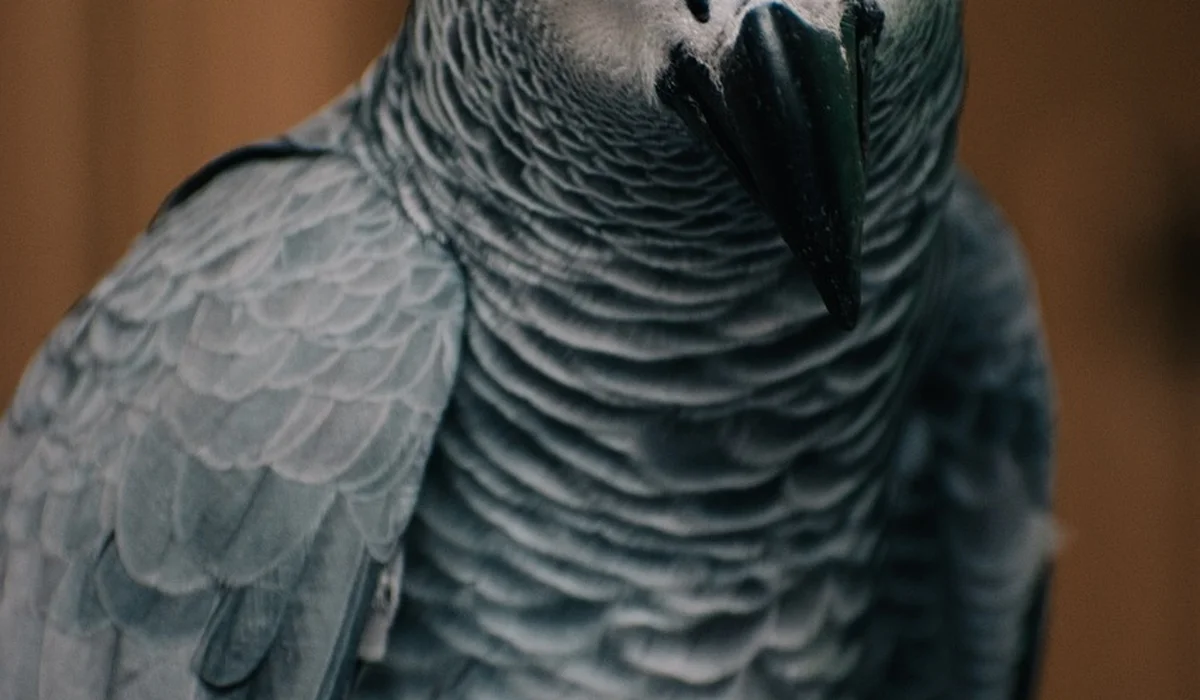
Living with just one parrot feels wonderfully simple at first. You get all the cuddles, all the attention, and a beautifully straightforward routine. But that single-bird bliss often masks a deep-seated need for constant companionship that we humans simply cannot fulfill 24/7. My Green-cheeked Conure, Kiwi, taught me this the hard way.
I noticed Kiwi would get unusually quiet and start plucking a few feathers whenever my work schedule got hectic. He wasn’t sick; he was lonely. Parrots are flock animals by nature, hardwired for constant social interaction, and a silent, empty house can feel terrifying to them. This loneliness often manifests in ways we don’t immediately connect to their emotional state.
Common Signs of a Lonely Parrot
- Excessive screaming or vocalizing the moment you leave the room
- Feather plucking or self-mutilation
- Developing a one-person bond that turns into aggression towards others
- Repetitive, obsessive behaviors like pacing or bar chewing
- Loss of appetite or lethargy when alone
Managing a solo parrot’s social needs is a massive time commitment. You become their entire world, their sole source of entertainment, and their only flock member. This can feel incredibly rewarding, but it’s also a heavy responsibility. If your job, social life, or family demands pull you away frequently, your bird pays the emotional price. I had to completely rearrange my office so Kiwi’s cage was always in the heart of the action, and I invested in a small army of foraging toys to keep his mind busy during my busy stretches.
When Two Parrots Shine: Benefits of a Feathered Friend
Watching my Sun Conure, Sunny, and my African Grey, Sage, interact is a masterclass in avian friendship. They preen each other’s head feathers, share food, and “talk” to one another from across the room. Introducing a second bird can transform your home from a place of potential loneliness into a vibrant, mini-flock environment. The emotional benefits for the birds are immediate and profound.
The biggest win is the dramatic reduction in separation anxiety. With a feathered companion, your parrots are never truly alone, even when you’re at work or running errands. They have someone to squawk at, someone to watch for danger, and someone to simply exist with. This companionship provides a layer of mental stimulation we can’t replicate. I’ve seen Sunny and Sage spend hours problem-solving together with a puzzle toy, something Kiwi would lose interest in after just a few minutes by himself.
Top Advantages of a Two-Bird Home
- Constant companionship reduces stress and prevents loneliness-based behaviors
- They learn from each other, from foraging techniques to new words and sounds
- Mutual preening keeps hard-to-reach feathers in perfect condition
- Your own schedule becomes more flexible as you are no longer their only source of entertainment
- Watching their unique bond and interactions is endlessly entertaining and heartwarming
It’s not just about preventing problems; it’s about enriching their lives. A compatible parrot pair creates its own little society, full of shared games, communication, and mutual care. While you remain their beloved human, the pressure to be their everything is shared with a friend who truly understands what it’s like to be a parrot. This setup often leads to more well-adjusted, confident, and happier birds.
The Downsides of a Two-Bird Setup: What to Watch For
While watching my two conures, Kiwi and Sunny, preen each other is heartwarming, managing two parrots feels like running a tiny, feathered corporation. The logistical and emotional challenges are very real, and they sneak up on you when you least expect them.
You become a full-time mediator. My Green-cheeked Conure, Kiwi, is playful and curious, while my Sun Conure, Sunny, is intensely social and demands constant affection. Their personalities, while wonderful individually, can clash.
- Double the Noise: One parrot calling is a chirp; two parrots calling is a coordinated, ear-splitting symphony. It’s not just louder; it’s more frequent, as they often set each other off.
- Bonding Complications: There’s a genuine risk your birds will bond more closely with each other than with you. This can make training more difficult and reduce that one-on-one connection you might crave.
- Double the Mess: It sounds trivial until you’re vacuuming seed hulls and discarded toy bits from an area twice the size. The cleanup is exponential, not linear.
- Potential for Aggression: Even the best of feathered friends can have squabbles over food, toys, or your attention. You must always be ready to intervene to prevent injury.
- Quarantine and Vet Bills: If one bird gets sick, you often need to treat both and may have to separate them entirely, requiring a second, full cage setup on short notice.
Key Factors in Your Decision: Cost, Space, and Daily Routine
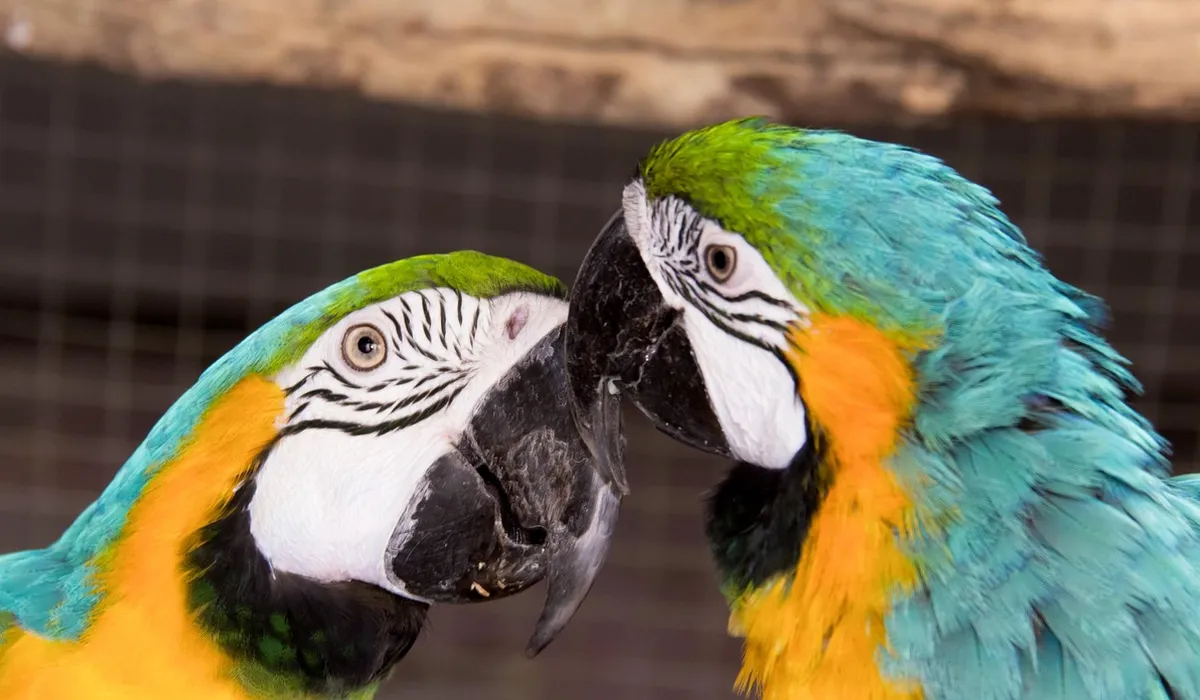
Making this choice isn’t just about your heart; it’s a practical decision that impacts your home, wallet, and schedule for the next 20+ years. Be brutally honest with yourself about your resources before bringing home another life.
Financial Impact: Budgeting for One vs. Two Birds
My budget took a serious hit when I went from one parrot to two. It’s not just double; some costs multiply in unexpected ways.
| Expense | One Parrot | Two Parrots |
|---|---|---|
| High-Quality Pellets & Fresh Food | Base Cost | Nearly 2x Base Cost |
| Annual Vet Check-ups | One Visit | Two Separate Visits |
| Emergency Vet Fund | Essential | Critically Essential & Larger |
| Toys & Enrichment | Regular Replacement | Faster Destruction, More Frequent Buying |
Space and Housing: Cage Setup and Safety
You can’t just squeeze a second bird into an existing cage. Proper housing is the foundation of a peaceful, two-bird home and is non-negotiable for their welfare.
- Separate Cages are a Must: Even bonded pairs need their own private space to retreat. I learned this after a minor tiff between Kiwi and Sunny over a favorite perch.
- Massive Flight Space: The cage for two medium-sized parrots needs to be enormous-think a mini-aviary-to allow for flight and personal distance.
- Double the Play Gyms: You’ll need multiple out-of-cage play areas to prevent territorial disputes and give each bird a place to call their own.
- Safe Roaming: Supervising two free-flying birds is like herding cats with wings. You need a meticulously bird-proofed room.
Time and Attention: Balancing Interaction and Training
This is the most personal and draining factor. Your time is sliced thinner, and your focus is constantly divided.
I spend my evenings doing one-on-one training sessions with each bird separately to maintain our individual bonds. Sunny gets her 15 minutes of clicker training, then it’s Kiwi’s turn with puzzle toys.
- Individual Daily Interaction: Each parrot needs dedicated, undistracted time with you every single day. This is non-negotiable for their mental health.
- Separate Training Sessions: You cannot effectively train two parrots at once. Their learning speeds and motivations will differ, requiring separate, focused efforts.
- Observing Dynamics: A huge chunk of your time is spent passively watching their interactions, ready to step in if play gets too rough or one bird bullies the other away from food.
- Doubled Grooming & Care: Nail trims, beak checks, and bath time all take twice as long, requiring patience and a calm environment for each bird.
How to Introduce a Second Parrot Successfully
Bringing home a new feathered friend is thrilling, but rushing the introduction can lead to a house full of squawks and stress. From my own flock, I learned the hard way that patience isn’t just a virtue; it’s a requirement for parrot peace.
Step 1: The Essential Quarantine Period
Your new parrot must live in a completely separate room for at least 30 days. This isn’t just about giving them space. Use this time to begin your home essential setup checklist for a new parrot. Make sure the room has a safe cage, perches, toys, and fresh food and water readily available.
- It prevents the spread of potential illnesses to your existing bird.
- It allows the new arrival to settle in without the pressure of another parrot.
- It gives you time to observe their health and personality closely.
I always treat this quarantine like a non-negotiable safety protocol for the well-being of my entire flock.
Step 2: The “Neutral Territory” First Meeting
After quarantine, the first visual introduction should happen somewhere neither bird considers their territory.
- Use a spare room or a neutral play stand.
- Keep both birds securely in their own travel cages.
- Watch their body language for curiosity, not aggression.
When I introduced Kiwi to Sunny, their first meeting was in the bathroom-a place neither had claimed, which kept tensions surprisingly low.
Step 3: Gradual, Supervised Interactions
Move at the pace of the most cautious bird. Don’t force them to be best friends overnight.
- Place cages in the same room but several feet apart.
- Over days or weeks, slowly move the cages closer.
- Allow supervised out-of-cage time together, offering high-value treats to create positive associations.
Always be ready to separate them if you see any signs of lunging, pinned eyes, or aggressive posturing.
Reading Their Body Language
Understanding what your parrots are “saying” is your most important tool.
- Good signs: Soft chirping, relaxed feathers, mutual preening gestures.
- Warning signs: Flattened feathers, raised wings, loud, sharp squawking.
My African Grey, Sage, will gently bob his head when he’s curious about a newcomer, a signal I’ve learned to trust.
Managing Your Expectations
Not all parrots will become cuddle buddies. You are creating a harmonious household, not forcing a friendship.
- They may simply learn to coexist peacefully in the same space.
- They might become competitive for your attention and resources.
- In the best-case scenario, they preen each other and keep one another company.
Be prepared for any outcome, and celebrate the small victories, like them quietly eating treats near each other.
Keeping Resources Plentiful
Competition over food, toys, and your attention is a top cause of conflict.
- Provide multiple food and water stations in different locations.
- Ensure there are plenty of perches and toys to go around.
- Continue to give each bird dedicated one-on-one time with you.
Doubling the resources halved the squabbles in my home, making life calmer for everyone, including me.
Common Questions
How do I introduce a second parrot to my current bird?
Begin with a strict 30-day quarantine in a separate room to monitor the new bird’s health. This 30-day quarantine protocol should be followed for every new bird to ensure safety. After quarantine, allow them to meet in a neutral space and progress with gradual, supervised interactions while watching their body language closely.
Will my first parrot become jealous of a new one?
It is very common for the original bird to show signs of jealousy or competition for your attention. You must continue to provide dedicated one-on-one time with your first parrot to reassure them and maintain your special bond. Watch for parrot mate guarding or an overly bonded, jealous bird, and address it with calm, consistent routines. Share attention fairly to prevent conflicts and keep both birds comfortable around you.
What if my two parrots don’t get along?
Not all parrots will become friends, and peaceful coexistence is a more realistic goal for some pairs. You must be prepared to house them in separate cages permanently and manage their interactions to prevent injury. Understanding parrot flock dynamics in a human household helps anticipate tensions. This knowledge can guide space planning and enrichment so non-friend pairs can thrive, whether together or apart.
Final Thoughts
The best choice between one parrot or two truly hinges on your personal lifestyle, available time, and the type of companionship you can consistently offer. A single bird often forms a deep, exclusive bond with you, while a pair can keep each other company, potentially easing the burden of constant social demands.
No matter which path you choose, committing to a parrot means promising a lifetime of dedicated care, mental stimulation, and respect for their complex nature. I encourage you to keep learning from reputable sources, connect with avian veterinarians, and always listen to what your feathered friend is telling you. That’s why many owners seek avian veterinarians vs general practitioners. Avian vets have specialized training in parrots’ unique anatomy, behavior, and health needs.
Further Reading & Sources
- Parrots guide: how many species there are, why they talk, and why the UK has some wild parrots – Discover Wildlife
- Parrot – Wikipedia
- List of parrots – Wikipedia
Suzanne Levine is a dedicated parrot enthusiast and experienced avian caregiver with over 15 years of hands-on experience in parrot care. As the founder of Parrot Care Central, Suzanne is passionate about sharing her knowledge and insights to help fellow parrot owners provide the best possible care for their feathered friends. Her expertise spans nutrition, behavior, health, and enrichment, making her a trusted resource in the parrot care community.
Housing