
Biosecurity for Bird Owners: Preventing Disease Spread
Published on: February 18, 2026 | Last Updated: February 18, 2026
Written By: Suzanne Levine
Keeping your feathered family safe from illness can feel overwhelming, especially when you have multiple birds sharing a home. I’ve managed a lively flock for years, and I know that pit in your stomach when one bird sneezes and you worry it could spread.
I will help you build a simple, effective defense system for your home. We will cover the core principles that truly make a difference.
- Setting up a proper quarantine protocol for every new bird.
- Creating a fail-safe cleaning and disinfecting routine.
- Reducing stress to naturally boost your birds’ immune systems.
You will get clear, actionable advice that you can start using today. This isn’t about creating a sterile lab; it’s about building a healthy, happy home for your entire flock.
Topics Covered: Quarantine Procedures, Daily Hygiene Habits, Cage and Food Safety, Recognizing Early Illness Signs, Stress Reduction Techniques, Visitor and Item Protocols
What Is Bird Biosecurity and Why Should You Care?
Biosecurity is your daily game plan to shield your flock from invisible threats. Think of it as a simple set of habits, like a security system for your birds’ health.
When I brought Sunny, my sun conure, home to join Kiwi, my established green-cheek, I learned this the hard way. A simple lapse in washing my hands between handling them led to a scare with sneezing and fluffed-up feathers that could have been avoided.
This practice is the backbone of animal welfare in your home. By actively preventing disease, you are giving every bird under your roof the best shot at a long, vibrant life.
Common Disease Risks in Multi-Parrot Households
Living with multiple parrots means being aware of the illnesses that can move between them. Psittacosis (parrot fever) and Avian Influenza are two of the most serious contagious diseases you’ll hear about.
You need to watch for subtle changes in your birds. Here are key symptoms that should prompt immediate attention:
- Lethargy or unusual stillness
- Fluffed-up feathers for extended periods
- Wheezing, sneezing, or nasal discharge
- Watery or discolored droppings
- Loss of appetite or sudden weight change
Diseases don’t need direct contact to travel. Pathogens hitch rides on shared toys, food dishes, and even through the air in dust and dander. One of my parrots, Sage, is a master at flinging food, which taught me how quickly a contaminated bowl can become a problem for everyone.
Building Your Biosecurity Foundation: Essential First Steps
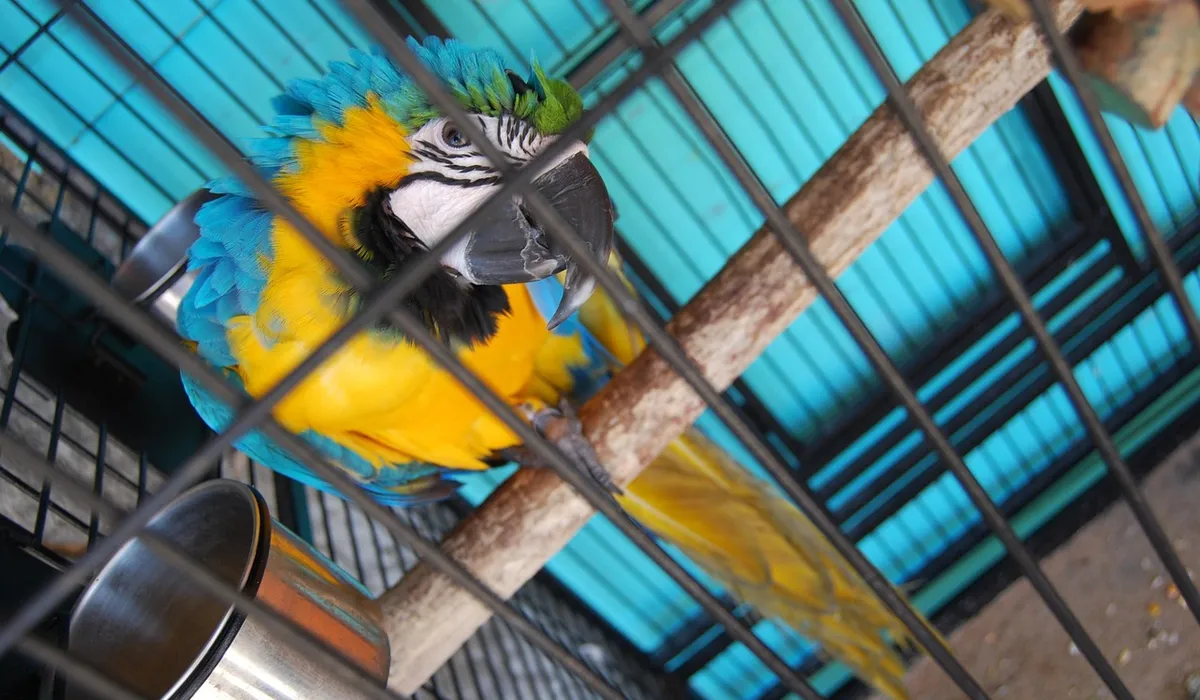
Creating a personalized biosecurity plan transforms your home into a safer space for every feathered family member. I developed mine after bringing home Kiwi, my Green-cheeked Conure, realizing my existing setup wasn’t prepared for a multi-bird dynamic.
Start by mapping your home’s layout to identify high-traffic bird areas and potential isolation spots.
- Designate specific zones for food prep, cleaning supplies, and quarantine.
- Establish a “bird room only” rule for items like your dedicated cleaning caddy.
- Create a simple checklist for daily, weekly, and monthly biosecurity tasks.
Your avian veterinarian becomes your most trusted partner in disease prevention. I call mine before introducing any new bird or when Sage, my African Grey, shows even minor behavior changes.
- Schedule annual wellness exams for all birds, even if they appear healthy.
- Keep your vet’s emergency number and an after-hours clinic contact visibly posted.
- Discuss pre-purchase testing protocols for any new birds you plan to acquire.
Meticulous record keeping helps you spot patterns before they become emergencies. My notebook caught Sunny’s weight fluctuation early, allowing for quick intervention.
- Track daily food consumption, water intake, and droppings for each bird.
- Log behavioral changes, feather condition, and any signs of lethargy.
- Maintain vaccination records, test results, and treatment histories in one binder.
Setting Up a Quarantine Zone for New or Sick Birds
A proper quarantine zone acts as your first line of defense against invisible threats. I learned this the hard way when a seemingly healthy new arrival needed treatment I hadn’t anticipated.
- Choose a separate room with its own ventilation system, ideally at the opposite end of your home from other birds.
- Equip the space with dedicated feeding bowls, perches, and cleaning tools that never leave this area.
- Always tend to quarantined birds after caring for your established flock to prevent cross-contamination.
- Wash hands thoroughly and change clothes after handling any bird in isolation.
New birds should remain in quarantine for at least 30-45 days, while sick birds stay isolated until fully recovered plus one extra week. In line with the 30-day quarantine protocol for every new bird, use this period to monitor for illness and ensure safe integration. If any signs appear, extend quarantine as needed and consult a vet.
- Monitor appetite, energy levels, and breathing patterns twice daily.
- Watch for nasal discharge, swollen eyes, or changes in feather posture.
- Document droppings for consistency, color, and volume changes.
Establishing Basic Cleaning and Sanitation Protocols
Consistent cleaning routines destroy the environments where pathogens thrive. My three parrots taught me that what works for one species might need adjustment for another. Avoid common cage cleaning mistakes that harm your parrots’ health—like using harsh cleaners, not rinsing well, or cleaning too infrequently. Instead, tailor your routine to each bird and cage to keep them healthy.
Daily routines focus on removing organic matter before it becomes problematic.
- Replace cage liner paper every morning to prevent bacterial growth.
- Wash food and water bowls with hot, soapy water after each use.
- Spot clean perches and toys of any visible droppings or food debris.
Safe cleaning begins with understanding which products won’t harm your parrots. I avoid anything with strong fragrances or toxic chemicals around my birds. This topic is covered in my complete guide on cleaning your parrot and its environment safely. It offers step-by-step tips for safe products, cage care, and toy sanitation.
- Use diluted vinegar solutions for general cleaning of cages and surfaces.
- Choose avian-safe disinfectants like F10SC or accelerated hydrogen peroxide products.
- Steam cleaning provides chemical-free sanitization for larger cage components.
- Always rinse thoroughly and air dry completely before birds regain access.
Daily and Weekly Cleaning Routines to Prevent Disease
Strategic cleaning schedules ensure no area gets overlooked in your disease prevention efforts. My weekly chart keeps me accountable across my busy household.
Daily tasks take about 15 minutes but make the biggest impact on immediate health.
- Morning: Fresh food and water, liner change, bowl washing.
- Evening: Quick wipe of soiled perches, food debris removal from cage bottoms.
- Spot check: Immediate cleanup of any spilled water or messy droppings.
Weekly deep cleaning tackles what daily routines miss.
- Complete cage disassembly and thorough scrubbing.
- Perch sanding or replacement if heavily soiled.
- Play gym and stand sanitization.
- Floor and wall cleaning around bird areas.
Cleaning removes visible dirt while disinfection kills invisible microorganisms. Many owners make the mistake of doing one without the other.
- Cleaning comes first – scrub away all organic material with soap and water.
- Disinfection follows – apply appropriate sanitizer to surfaces and allow proper contact time.
- Rinsing completes the process – remove any chemical residues before birds return.
Water and feed hygiene demands particular attention since contamination here spreads quickly. I use stainless steel bowls for all my birds because they’re easiest to sterilize.
- Change water at least twice daily, more often if birds bathe in their bowls.
- Use bottle brushes to clean water tube systems and hard-to-reach corners.
- Discard uneaten fresh foods within four hours to prevent bacterial growth.
- Store opened food in airtight containers away from humidity and pests.
Step-by-Step Cage and Toy Disinfection
Proper disinfection requires methodical attention to detail in every step. I’ve refined my process over years of maintaining multiple large cages.
- Move birds to a safe temporary space with fresh water and a familiar perch.
- Disassemble the entire cage, removing all toys, bowls, and accessories.
- Pre-clean with hot water and dish soap to remove all visible debris and droppings.
- Apply avian-safe disinfectant according to product directions, ensuring full surface coverage.
- Allow the recommended contact time – this is when the disinfectant actually works.
- Rinse thoroughly with clean water until no chemical residue remains.
- Air dry completely in sunlight if possible, as UV provides additional sanitization.
- Reassemble with clean toys and fresh liners before returning birds.
Sanitizing without harm means choosing the right products and techniques for porous materials.
- Wooden perches and toys can be baked at 200°F for 30 minutes to kill pathogens.
- Rope and fabric items may need replacement if heavily soiled, as they’re difficult to fully disinfect.
- Plastic and stainless steel respond best to chemical disinfectants followed by thorough rinsing.
Maintaining Air Quality and Ventilation
Good air circulation dramatically reduces the concentration of airborne pathogens and dust. My African Grey’s sensitive respiratory system taught me to prioritize ventilation.
Proper ventilation exchanges stale indoor air with fresh outdoor air while controlling humidity levels.
- Use exhaust fans in bird rooms to pull out feather dust and dander.
- Open windows in adjacent rooms when weather permits to create cross-ventilation.
- Maintain humidity between 40-60% to discourage mold growth while supporting respiratory health.
- Place bird cages away from direct drafts but within areas with good air movement.
Improving air flow in multi-bird homes requires strategic placement and supplemental tools.
- Position air purifiers with HEPA filters near bird areas to capture fine particulates.
- Avoid air fresheners, scented candles, or aerosol sprays that can irritate avian respiratory systems.
- Regularly replace HVAC filters and consider adding furnace filters designed for pet households.
- Schedule professional duct cleaning every few years if you have forced air heating/cooling.
Managing New Birds and Handling Health Issues
Bringing Home a New Parrot Safely
When you add a new bird to your flock, start with a strict quarantine period of at least 30 days in a separate room away from your other birds. I always schedule a vet check before any new parrot, like Kiwi, joins our home to screen for hidden illnesses like psittacosis or parasites. Regular, annual vet checkups are a cornerstone of a parrot’s preventative care guide, helping catch issues early and keep birds healthy long term. These routine visits complement quarantine by monitoring overall health and preventive care needs. Use separate feeding bowls, perches, and toys to avoid any accidental sharing during this time.
Isolating Sick Birds to Stop Disease Spread
If one of your birds shows signs of illness, move them to a dedicated isolation area immediately-I keep a spare cage ready for emergencies. Isolation isn’t just about distance; ensure no shared air vents and use gloves when handling to prevent cross-contamination. Clean their space daily with bird-safe disinfectants, and never reuse items between sick and healthy birds without thorough sanitizing.
Spotting Health Problems Early Through Observation
Watch for subtle changes like fluffed feathers, reduced chatter, or unusual droppings-these were early warnings when Sage seemed off last year. Trust your gut; if your parrot acts differently, even slightly, it’s better to consult a vet right away than wait. If lethargy appears, consult the lethargy-in-parrots troubleshooting guide to help find the cause. That quick check can steer you toward appropriate care before the problem worsens. Keep a simple journal of their habits to track patterns and catch issues before they escalate.
Preventing Cross-Contamination from People and Shared Items
Hand Hygiene and Protective Gear Essentials
Wash your hands with soap for at least 20 seconds before and after touching any bird or their belongings. I make it a habit to use disposable gloves when handling sick birds or cleaning cages to minimize direct contact with germs. Change clothes if you’ve been around other animals, as fabrics can carry contaminants unnoticed.
Keeping Toys and Equipment Clean and Safe
Sanitize shared items like perches, toys, and food dishes weekly with a vinegar-water solution or avian-safe cleaners. Rotate toys regularly to reduce wear and tear, and inspect them for damage that could harbor bacteria. For example, I clean Sunny’s favorite bells every Sunday to keep them fresh and fun for play.
Managing Visitor Risks in Your Bird Space
Limit access to your bird area and ask guests to wash their hands upon arrival. Politely remind visitors not to handle your birds if they’ve been near other animals or feel unwell, as human colds can affect parrots too. I keep hand sanitizer by the door and share a quick “bird safety” talk to educate friends and family on reducing exposure risks. This is part of managing visitors—teaching guests how to interact safely with your parrot. A quick demo or simple guide helps ensure a calm, safe visit.
Health Monitoring and Early Detection of Symptoms
Keeping a close eye on your birds’ health is like having a daily conversation with them-it helps you catch small changes before they become big problems. Regular health checks are your first line of defense against illness spreading in a multi-bird home. I make it a habit to observe my flock every day, and with birds like Kiwi, Sunny, and Sage, I’ve learned that even subtle shifts in behavior can signal trouble.
Start with simple, weekly checks that cover weight, behavior, and appetite. Use a small digital scale to track weight, as sudden drops often hint at underlying issues. For behavior, watch for changes in activity levels-like if your usually playful conure becomes withdrawn. Appetite is another big one; a bird that stops eating needs attention fast. I remember when Sage, my African Grey, once picked at her food, and that tiny clue led me to catch a minor infection early.
- Weigh your birds weekly to spot trends-even a 10% loss can be a red flag.
- Observe daily behavior: note if they’re less vocal, sleeping more, or avoiding interaction.
- Monitor food and water intake; a sudden drop in appetite is a common warning sign.
Some symptoms mean it’s time to call the vet right away. If you see labored breathing, discharge from eyes or nose, or persistent fluffing of feathers, don’t wait-seek professional help. Other key signs include diarrhea, vomiting, or any swelling. With Sunny, my Sun Conure, I once noticed her feathers looking dull, and a quick vet visit revealed a nutrient deficiency we could fix easily.
- Labored breathing or wheezing: could indicate respiratory infections.
- Fluffed feathers for long periods: often a sign of discomfort or illness.
- Loss of balance or weakness: might point to neurological or systemic issues.
- Changes in droppings: color, consistency, or frequency shifts warrant a check-up.
Keeping a health log turns guesswork into smart care. Jot down notes on weight, behavior, and any unusual events to spot patterns over time. I use a simple notebook for Kiwi, Sunny, and Sage, and it’s helped me track everything from molting cycles to stress triggers. This ongoing record makes biosecurity proactive, not reactive, and ensures your birds stay vibrant and healthy.
Sustaining Long-Term Biosecurity Habits
Biosecurity isn’t a one-time task-it’s a lifestyle that keeps your flock safe for years. Consistency in your routines builds a shield against disease, making prevention feel effortless over time. In my home, we treat biosecurity like brushing teeth: it’s non-negotiable and involves everyone, from kids to guests. When I added Sage to the flock, we adjusted our habits to fit her needs, and it’s kept all my birds thriving.
Stick to a daily schedule that includes cleaning cages, washing hands, and rotating toys. Involve every household member by assigning simple tasks, like refilling water bowls or sanitizing perches. This shared responsibility means no one slips up, and it fosters a team approach to bird care. With Kiwi’s curious nature, we make sure everyone knows to wash up after handling her to avoid cross-contamination.
- Set fixed times for cleaning and health checks to build muscle memory.
- Assign roles: kids can help with food prep, while adults handle vet coordination.
- Use visual reminders, like checklists near bird areas, to keep everyone on track.
As your flock grows or changes, your biosecurity plan should evolve too. Adapt your strategies when introducing new birds, like quarantining newcomers for at least 30 days. After quarantine, follow a step-by-step socialization guide to introduce your parrot to the flock. This gradual, supervised approach helps them settle in and reduces stress during social exposure. I learned this the hard way when Sunny joined—we skipped a proper quarantine once, and it led to a minor scare. Now, we always isolate new arrivals and gradually integrate them, adjusting cleaning routines to handle more birds without stress.
- Update protocols for larger flocks: increase cleaning frequency and space out feeding stations.
- Monitor group dynamics; stress from overcrowding can weaken immune systems.
- Reassess annually: as birds age, like Sage who’s getting older, focus more on comfort and disease resistance.
Make biosecurity a natural part of your day by weaving it into existing routines. Pair cage cleaning with your morning coffee or use meal prep time to inspect food and water sources. I’ve found that small habits, like wiping down surfaces after handling toys, become second nature. This approach not only protects your birds but also deepens your bond, turning care into a joyful ritual rather than a chore.
FAQs
What role do wild birds play in biosecurity?
Wild birds can carry diseases like avian influenza and transmit them to pet parrots through droppings or contaminated surfaces. Keeping your birds indoors or using screened enclosures helps minimize these risks and protect your flock.
How can avian influenza be prevented or controlled?
Prevent avian influenza by vaccinating your birds if recommended by a vet and avoiding contact with wild or unknown birds. Strict hygiene, such as disinfecting shoes and clothes after outdoor activities, also reduces the chance of introduction.
How can staff be educated about biosecurity?
Educate household members by holding brief training sessions on handwashing, changing clothes after handling other animals, and following quarantine rules. Use visual aids like checklists to reinforce these habits and ensure everyone participates in biosecurity efforts.
What are common biosecurity risks in poultry farms?
Common risks include contaminated feed, poor ventilation, and introduction of new birds without proper isolation, which can also apply to home settings. Environmental toxins in the home—such as aerosol cleaners, scented products, and fumes from non-stick cookware—can make parrots sick even at low levels. Regularly inspecting and securing food storage and maintaining clean air flow can mitigate these dangers for your parrots.
How should vehicles be controlled to protect birds?
Control vehicle risks by disinfecting carriers and tires after trips, especially if you’ve visited areas with other birds. Limit unnecessary travel with your parrots and avoid parking near wild bird habitats to prevent disease transmission.
Closing the Loop
From raising Kiwi, Sunny, and Sage, I’ve seen firsthand that biosecurity hinges on basics like quarantining new birds for at least 30 days and disinfecting cages weekly. Routine health checks and isolating any bird showing symptoms can stop outbreaks before they start, keeping your whole flock vibrant and safe. Simple habits, such as washing hands between handling different birds, build a strong defense against hidden threats. Humans can also get sick from parrots, so understanding zoonotic disease risks matters for anyone who handles birds. By combining biosecurity with zoonosis awareness, we protect both people and parrots.
Owning parrots is a rewarding responsibility that grows with your knowledge and dedication. It’s helpful to know legal guidelines like the CITES treaty, which explains what it means to own exotic parrots and which species are protected. Understanding these rules helps you make ethical, compliant choices. Embrace the journey by staying informed through trusted resources and connecting with fellow bird lovers—your commitment ensures a happier, healthier life for your avian family.
Further Reading & Sources
- Defend the Flock | Animal and Plant Health Inspection Service
- Biosecurity: Protecting Your Birds from Disease
- Enhance Biosecurity | Animal and Plant Health Inspection Service
Suzanne Levine is a dedicated parrot enthusiast and experienced avian caregiver with over 15 years of hands-on experience in parrot care. As the founder of Parrot Care Central, Suzanne is passionate about sharing her knowledge and insights to help fellow parrot owners provide the best possible care for their feathered friends. Her expertise spans nutrition, behavior, health, and enrichment, making her a trusted resource in the parrot care community.
Health & Wellness