
Build a Safe Outdoor Aviary: A Step-by-Step DIY Guide
You want to give your birds the joy of sunshine and fresh air, but the thought of building an outdoor aviary feels overwhelming and risky. I’ve been there, worrying about every potential danger from predators to bad weather. After building several aviaries for my own flock-Kiwi, Sunny, and Sage-I can help you create a secure outdoor paradise.
This guide will walk you through everything, focusing on three key takeaways:
- Choosing the right location and durable, safe materials
- Constructing a predator-proof and escape-proof structure
- Adding essential features for your bird’s health and happiness
You’ll get clear, actionable advice you can follow with confidence. We cover: materials, tools, location selection, frame construction, mesh installation, shelter, perches, and safety checks. Let’s get your birds safely enjoying the great outdoors.
Planning Your Parrot Aviary: Legal and Location Basics
Before you buy a single piece of wood, you absolutely must check your local regulations. Many areas require permits for permanent outdoor structures, and some homeowner associations have strict rules about what you can build. I learned this the hard way with my first coop project!
You also need to investigate animal laws. Some cities have restrictions on the types or numbers of birds you can keep, especially if they’re considered exotic or are known for loud vocalizations.
Choosing the Perfect Spot
Location is everything for your parrot’s safety and happiness. Find a level area with excellent drainage to prevent flooding and muddy conditions that can lead to health issues. Your birds deserve a dry, clean home. This is the first step in our building a parrot-safe bird room. It is part of a complete design guide covering layout, materials, and safety.
- Pick a spot you can easily see from your house for regular monitoring
- Avoid areas near toxic plants or busy roads
- Ensure the location isn’t in a low-lying area that collects water
- Check for overhead hazards like weak tree branches
Smart Enclosure Design
Think about your parrot’s natural behaviors when planning the layout. My conure Kiwi loves morning sun but needs shade during hot afternoons, so I oriented her aviary to catch eastern light. This simple planning makes a huge difference in their comfort.
- Build much larger than you think you need – parrots need flight space
- Include both sunny and shaded areas for temperature regulation
- Position the aviary away from predator access points
- Consider wind patterns and provide shelter from strong gusts
Gathering Materials and Tools for Your DIY Aviary
Quality materials are non-negotiable for parrot safety. I always use stainless steel hardware and heavy-duty wire mesh because my birds are master escape artists and chewers. Their safety is worth the extra investment. Metal cages are generally more durable and easier to sanitize, which supports your parrots’ health. Wooden cages can be attractive and cozy but may require more diligent cleaning to prevent mold or bacteria.
Essential Materials Checklist
- Pressure-treated lumber or cedar for the main frame
- 1″ x 1″ wire mesh (aviary grade) to prevent head entrapment
- Stainless steel screws, bolts, and safety latches
- Roofing materials for weather protection
- Concrete or gravel for foundation stability
Tools You’ll Need
You don’t need fancy equipment, but having the right tools makes the job safer and easier. A good cordless drill, sturdy wire cutters, and accurate measuring tools will save you hours of frustration. I’ve rebuilt sections because of measurement errors – learn from my mistakes!
- Tape measure and level for accurate construction
- Circular saw or handsaw for cutting lumber
- Power drill with various bit sizes
- Heavy-duty wire cutters and gloves
- Staple gun for securing mesh
Budget-Friendly Shopping Tips
Building an aviary doesn’t have to break the bank. Check local classifieds and construction supply leftovers for discounted materials that are still high quality. I found perfect pressure-treated 4×4 posts for half price this way!
- Buy wire mesh in bulk rolls rather than small sections
- Use pressure-treated wood instead of more expensive hardwoods
- Look for contractor closeouts on hardware
- Consider salvaged materials for non-critical components
- Never compromise on mesh quality or latch security to save money
Step-by-Step Aviary Construction Guide
-
Frame Assembly
Begin with a sturdy frame using pressure-treated wood or metal to resist outdoor elements. I built Kiwi’s frame with treated lumber, and it has held up beautifully through seasons of rain and sun. Assemble pieces with screws and corner braces for extra strength.
Installation tips: Ensure ventilation by adding small gaps or vents near the top. Elevate the frame slightly or use a gravel base for ground drainage. Anchor the structure deeply into the soil or concrete to withstand wind and curious animals.
Common pitfalls: Weak joints from poor fastening can lead to collapses. Avoid using nails alone; screws provide better hold and durability over time.
-
Attaching Wire Mesh
Select galvanized steel mesh with gaps no larger than 1/2 inch to block predators. When I installed mesh for Sage’s space, I chose a tight weave to keep out even the smallest rodents, and it has given me peace of mind. Secure it tightly using staples or screws, overlapping sheets by an inch.
Tips: Smooth any sharp edges to prevent injuries. Check for gaps regularly, especially after storms or heavy use.
Common pitfalls: Loose mesh can create entry points for pests. Never use chicken wire, as it is too flimsy and easy for animals to bend or chew through.
-
Building Roof
Construct a sloped roof with materials like corrugated plastic or metal to shed water and debris. My aviary for Sunny features a transparent roof that lets in light while keeping her dry during downpours. Ensure it overhangs the sides by several inches for added protection.
Tips: Add insulation layers if you live in areas with extreme temperatures to help regulate heat and cold. Use waterproof seals at joints to prevent leaks.
Common pitfalls: Flat roofs can pool water and cause rot or leaks. Avoid dark-colored materials that absorb too much heat and make the aviary uncomfortably warm.
-
Adding Doors with Predator-Proof Locks
Install a solid door that swings inward and includes a double-lock mechanism. For extra safety, I use locks that require two steps to open, which has foiled attempts by clever raccoons near my home. Position the door for easy access during cleaning and feeding.
Tips: Choose rust-resistant locks and hinges to endure weather exposure. Test the door frequently to ensure it closes securely without gaps.
Common pitfalls: Flimsy locks can be pried open by determined animals. Always double-check that the door is fully latched after each use to avoid accidental escapes or intrusions.
Predator and Weatherproofing for Parrot Safety
Protecting your parrots from predators and harsh weather is non-negotiable. Over the years, I have learned that layering defenses makes all the difference in keeping birds like Kiwi and Sage safe and stress-free.
- Secure doors with heavy-duty, tamper-proof locks and self-closing mechanisms to deter common threats like raccoons or cats.
- Mesh barriers should extend below ground level or have a buried apron to prevent digging animals from gaining access.
- Use deterrents such as motion-sensor lights or natural repellents like citrus peels to scare off pests without harming them.
Weatherproofing ensures your aviary stands up to the elements. I have seen how proper insulation and sealing can turn a basic structure into a cozy retreat for parrots during storms or heatwaves.
- Roofing materials like UV-resistant plastic or metal provide durability and shade, while added insulation helps maintain stable temperatures.
- Apply waterproofing seals around joints and edges to block rain and moisture, which can lead to mold or respiratory issues.
- Include windbreaks or shaded areas to protect birds from strong gusts and direct sunlight, mimicking their natural habitat.
Pest control keeps the environment clean and healthy. Regular maintenance has helped me avoid infestations that could harm my birds’ well-being.
- Remove food debris and standing water daily to discourage insects and rodents from nesting nearby.
- Use non-toxic pest control methods, such as diatomaceous earth for ants or sealed storage for feed, to avoid exposing parrots to chemicals.
- Inspect the aviary weekly for signs of pests like chewed wood or droppings, and address issues promptly to prevent escalation.
Setting Up the Aviary Interior: Perches and Enrichment
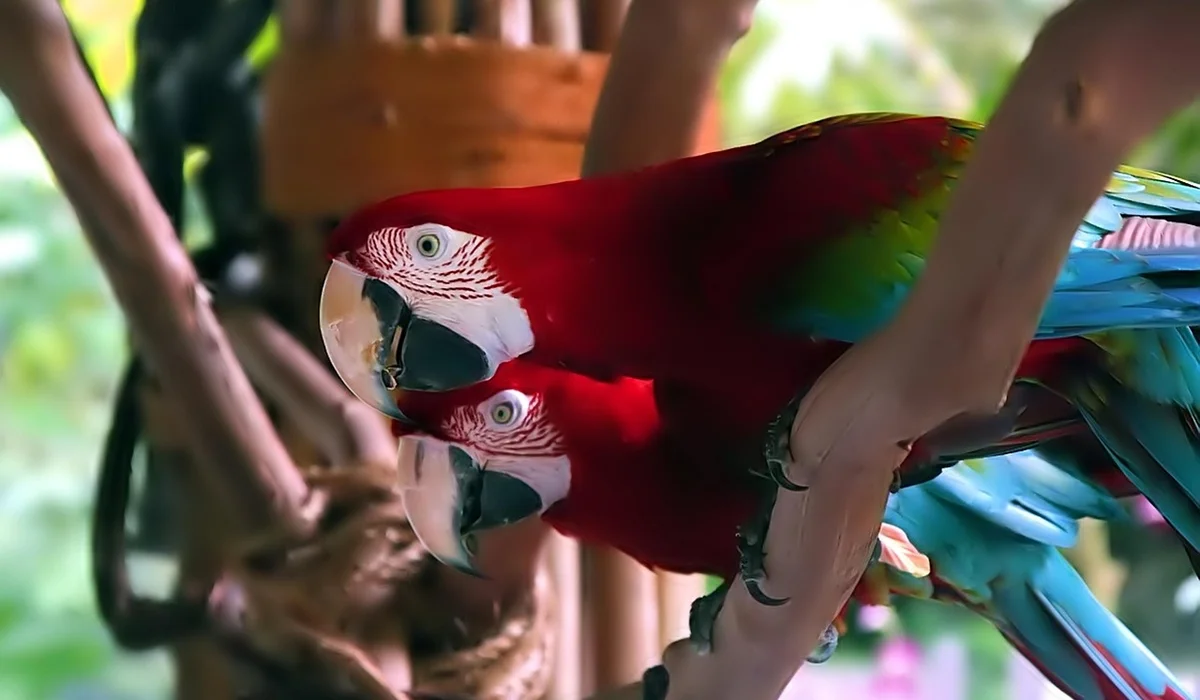
Start by placing perches at various heights and angles to encourage natural movement and exercise for your parrots. I always position feeding stations and water dispensers away from perches to prevent droppings from contaminating food and water, which keeps things clean and healthy. From my time with Kiwi, my playful Green-cheeked Conure, I learned that stainless steel bowls secured to the walls work best because they’re easy to sanitize and resist tipping.
Smart Placement for Easy Access
- Mount perches high and low to let birds fly and climb, using natural branches from safe trees like apple or manzanita for grip variety.
- Set up feeding areas in quiet spots to reduce stress during meals, and use multiple water sources to avoid fights.
- Keep everything spaced out to prevent overcrowding, making it simple for you to reach in for cleaning without disturbing your birds.
Enrichment is key to keeping parrots happy and mentally sharp, so mix up toy placements and add natural elements like untreated wood or leafy branches. Rotating toys weekly prevents boredom, and I’ve seen Sunny, my social Sun Conure, light up when discovering new puzzles or shreddable items. Incorporate sounds and textures by hanging bells or ropes, but always check for safety to avoid small parts that could be swallowed. Cognitive enrichment, including 10 brain games, helps keep parrots sharp. Add a few quick challenges to your routine to stimulate problem-solving alongside play.
Ideas for Mental Stimulation
- Hang foraging toys filled with treats to mimic wild feeding behaviors and encourage problem-solving.
- Add swings and ladders in open areas for play, ensuring they’re sturdy and made from bird-safe materials.
- Use live plants like spider plants or herbs for a touch of nature, but research first to confirm they’re non-toxic for parrots.
Create distinct zones for rest, play, and feeding to mirror a parrot’s natural habitat and reduce stress. In my aviary, I design a cozy corner with covered perches for sleeping, a central area with interactive toys for activity, and a separate feeding station to keep messes contained. To maximize enrichment in the cage, I rotate toys and vary perches regularly. This keeps Sage mentally engaged and makes the space dynamic. This layout helps birds like Sage, my calm African Grey, feel secure by providing predictable spaces for different needs.
Zoning Tips for Habitat Mimicry
- Rest zone: Use enclosed perches or nest boxes in a shaded area, away from high traffic, for uninterrupted sleep.
- Play zone: Cluster toys and climbing structures where birds can socialize and burn energy safely.
- Feeding zone: Place bowls in an easy-to-clean spot, perhaps on a tray, to simplify daily upkeep and monitor eating habits.
Ongoing Aviary Maintenance and Care
Regular maintenance ensures your aviary stays safe and comfortable, so follow a simple checklist to stay on top of tasks. Daily checks include removing leftover food and refilling water to prevent bacteria growth, which I do every morning with my flock to keep them thriving. Weekly and monthly routines cover deeper cleaning and inspections, helping you catch issues early and advocate for your birds’ well-being.
Maintenance Checklist
- Daily: Wipe down perches and bowls, scan for hazards like loose wires, and observe bird behavior for signs of stress or illness.
- Weekly: Scrub surfaces with bird-safe disinfectant, replace worn toys, and check for structural damage like rust or weak joints.
- Monthly: Inspect the entire aviary for wear, trim any overgrown plants, and test locks or latches to ensure security.
Adjust your care with the seasons to protect parrots from weather extremes and monitor their health closely. In summer, I add shade cloths and misters for cooling, while winter calls for insulated covers and extra perches away from drafts to keep birds like Kiwi comfortable. Watch for changes in appetite or feather condition, as these can signal health problems that need quick attention. During holidays, this routine fits into a comprehensive seasonal safety checklist for parrots, flagging festive dangers and how to prevent them. Keeping that checklist handy helps you manage holiday treats, decorations, and guests while keeping Kiwi safe.
Seasonal Adjustments and Health Monitoring
- Spring and fall: Clean thoroughly to remove pollen or debris, and gradually introduce new enrichment to match natural cycles.
- Summer: Provide fresh water frequently and avoid direct sun exposure to prevent overheating.
- Winter: Use heated perches if needed, and increase high-energy foods to support warmth, but avoid overfeeding.
Troubleshoot common issues like wear and tear or behavioral problems by staying proactive and observant. If you notice chewing on perches or bars, offer more destructible toys to redirect that natural behavior and prevent damage. For behavioral issues like feather plucking, assess the environment for stressors and consult a vet-I’ve dealt with this by enriching Sage’s space with more puzzles, which eased her anxiety.
Advice for Common Problems
- Wear and tear: Regularly replace frayed ropes or cracked plastic, and reinforce weak spots with avian-safe sealants.
- Behavioral issues: Ensure enough social interaction and variety in the layout to curb boredom-related habits.
- Health monitoring: Keep a log of weight and activity levels, and act fast if you spot lethargy or unusual vocalizations.
FAQs
How can I ensure the aviary is safe for multiple parrots of different sizes?
Provide varied perch diameters and separate feeding areas to prevent competition and injuries. Monitor interactions regularly and include enough space and hiding spots to reduce stress among birds.
What are the signs that my parrot is stressed in the new aviary?
Watch for behaviors like feather plucking, loss of appetite, or excessive hiding, which can indicate discomfort. Address potential stressors quickly by adjusting the environment and consulting an avian vet if issues persist. If you’re trying to stop your parrot from plucking its feathers, start with a veterinary check to rule out medical issues. Then increase enrichment and maintain a consistent routine to reduce stress.
Can I build an aviary indoors, or does it have to be outdoor?
Indoor aviaries are feasible but require strong ventilation and bird-safe materials to maintain air quality and prevent hazards. To create a safe, stimulating indoor flight environment for your parrot, provide supervised flight time, secure perches, and enrichment toys. Outdoor aviaries typically offer more space and natural stimulation, which better supports parrot well-being.
How do I introduce my parrot to the new aviary for the first time?
Start with short, supervised visits to let your parrot explore the aviary gradually in a calm manner. Use familiar perches, toys, and treats to create positive associations and build confidence in the new space. This is the first step in a step-by-step introduction guide to socializing your parrot after quarantine. As you progress, continue with gentle, positive interactions and gradually broaden social exposure as the bird remains relaxed.
What should I do if my parrot refuses to enter or stay in the aviary?
Encourage entry with favorite treats and toys placed just inside the door to make it inviting. Be patient and avoid forcing them, as a stress-free approach helps build trust and acceptance over time.
In Closing
From my own adventures building an aviary for Sunny, my vibrant Sun Conure, I’ve found that starting with a solid plan and safe, non-toxic materials makes all the difference. Focus on secure construction, predator-proofing, and regular maintenance to give your parrot a stimulating outdoor haven. This hands-on approach ensures they enjoy nature safely, just like Kiwi, my curious Green-cheeked, loves exploring his space. When you take your parrot outside, use a secure enclosure or harness and supervise closely, starting in a calm spot and gradually widening the space.
Owning a parrot means committing to their lifelong care and well-being, so never stop seeking out new knowledge and resources. Your ongoing effort to learn and adapt shows true responsibility and deepens the bond with your feathered companion. I’ve seen how Sage, my intelligent African Grey, thrives when I stay informed and attentive to her needs, especially when it comes to health concerns.
Further Reading & Sources
- Things to Consider When Building an Outdoor Bird Aviary
- Walk-in Bird Aviary : 9 Steps (with Pictures) – Instructables
- Building Your Own Outdoor Aviary?
Suzanne Levine is a dedicated parrot enthusiast and experienced avian caregiver with over 15 years of hands-on experience in parrot care. As the founder of Parrot Care Central, Suzanne is passionate about sharing her knowledge and insights to help fellow parrot owners provide the best possible care for their feathered friends. Her expertise spans nutrition, behavior, health, and enrichment, making her a trusted resource in the parrot care community.
Cages