
Humidity Control for Parrots: Why It’s Critical for Respiratory and Feather Health
Published on: February 3, 2026 | Last Updated: February 3, 2026
Written By: Suzanne Levine
Is your parrot sneezing, wheezing, or showing dull, brittle feathers? You might be missing a key factor in their care-humidity levels in their environment.
From raising Kiwi, my playful Green-cheeked Conure, I’ve learned that ignoring humidity can lead to serious health issues. This article will break down why humidity matters and give you practical steps to protect your bird.
Key takeaways include:
- How humidity directly supports respiratory function and feather quality
- Easy methods to monitor and adjust humidity at home
- Common mistakes that harm parrot health and how to avoid them
You’ll get clear, actionable advice tailored to real-life situations. Topics covered: ideal humidity ranges, affordable monitoring tools, DIY humidity solutions, signs of imbalance, and seasonal adjustments.
The Life-Saving Link Between Humidity and Your Parrot’s Body
Your parrot’s body is a finely tuned instrument that reacts to every shift in the air around it. When humidity drops too low, it directly attacks their delicate respiratory system, leaving them vulnerable to infections and chronic irritation. During vet visits, gentle, predictable handling helps keep stress levels low for your bird and can protect its breathing. This makes examinations smoother and safer for both of you.
I’ve watched my own Green-cheeked Conure, Kiwi, start sneezing in a dry room-a clear sign his sinuses were under stress. Proper moisture keeps their nasal passages and air sacs supple and functional.
Beyond breathing, humidity is the secret to glorious feathers. Dry air creates brittle, frayed feathers that can’t provide proper insulation or enable graceful flight.
My Sun Conure, Sunny, once went through a rough molt in a dry winter; his new feathers came in dull and lackluster until I corrected the humidity.
This balance also affects their beak health and overall stress levels. A stable, humid environment prevents beak cracking and reduces the constant, low-grade stress that comes from physical discomfort.
My African Grey, Sage, is noticeably calmer and more engaged when her skin and respiratory tract aren’t itchy or dry.
Pinpointing the Perfect Humidity Range for Your Feathered Friend
For most companion parrots, you’re aiming for a relative humidity between 40% and 60%. This sweet spot mimics the moist, tropical climates many species evolved in, supporting their entire well-being. Keeping the room temperature in an ideal range for pet parrots—roughly 65–80°F (18–27°C)—helps ensure their comfort and health.
However, this isn’t a one-size-fits-all number. Needs shift based on several factors.
- Species: Parrots from arid regions, like some Australian cockatoos, may tolerate the lower end (around 40%). Birds from rainforests, like Amazons, often thrive closer to 60%.
- Age: Very young chicks and older parrots often need more consistent, slightly higher humidity to support developing or aging systems.
- Molting: During a molt, bumping humidity toward 60% helps new feathers emerge smoothly from their sheaths without irritation.
Your parrot will tell you if the humidity is wrong. Learn to read their signals.
- Signs of Dry Air: Excessive sneezing, flaky skin on their feet, powdery down feathers everywhere, increased preening, and a general look of irritation.
- Signs of Overly Humid Air: Difficulty breathing (wheezing, tail bobbing), feathers that stay damp and clumped, and a higher risk for fungal or bacterial growth in their environment.
Keeping a close watch on your bird’s behavior and your hygrometer is the best way to fine-tune their personal paradise.
How to Accurately Track Humidity in Your Parrot’s Living Space
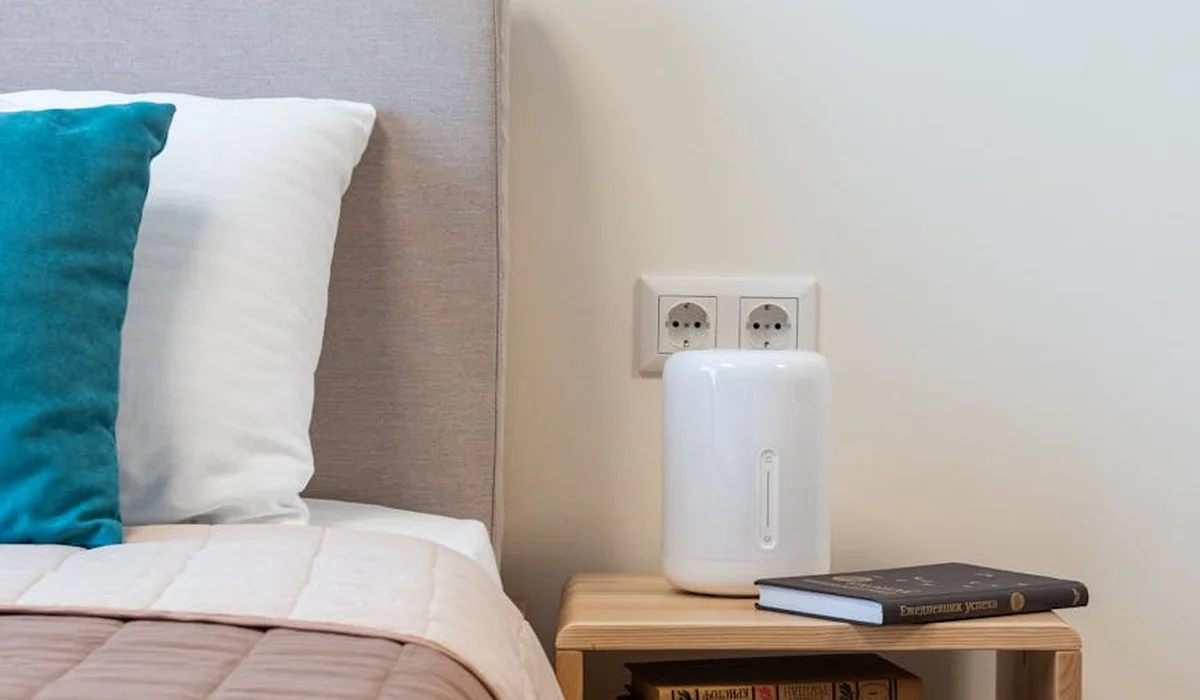
Getting the humidity right starts with precise monitoring, and I rely on a trusty hygrometer to keep my parrots like Kiwi and Sage in top shape.
- Invest in a reliable digital hygrometer for consistent, real-time readings that help you catch issues before they affect your bird’s breathing or feathers.
- Place the hygrometer inside the cage in a shaded area, away from direct sunlight or drafts, to mimic your parrot’s actual environment and avoid false highs or lows.
- Set a routine to check RH levels at least twice daily-I do it during morning feedings and evening playtimes-and log results in a simple journal or app to track patterns.
Simple, Effective Ways to Balance Humidity for Happy Parrots
Balancing humidity doesn’t have to be complex; with a few tweaks, you can create a stable, bird-friendly atmosphere that supports vibrant health.
- Use a humidifier or DIY methods like placing shallow water bowls near heat sources to gently increase moisture without overwhelming the space.
- Ensure proper ventilation by cracking a window or using a fan to circulate air, which prevents mold growth and keeps condensation from harming your parrot’s respiratory system.
- Adjust your approach with the seasons-for instance, I boost humidity in dry winter months and reduce it in humid summers to maintain a steady 40-60% RH range.
Choosing and Using the Right Humidifier
Picking a safe humidifier is key, and I’ve tested both evaporative and ultrasonic types to find what works best for bird-filled homes.
- Evaporative humidifiers use a fan to add moisture and are generally safer, as they don’t release fine mist that could carry minerals or irritants.
- Ultrasonic models are quiet but may spread white dust if not used with distilled water, so I opt for them only with careful setup and regular cleaning.
- Clean your humidifier weekly with a vinegar solution to kill bacteria and mold, ensuring the air your parrot breathes stays pure and healthy.
Natural Humidity Boosters You Can Try Today
Natural methods are a gentle way to up humidity, and they double as fun activities that keep your parrot’s feathers in prime condition. Pair these tips with creating a safe, stimulating indoor flight environment for your parrot. Provide plenty of safe flight space and close supervision.
- Mist your parrot lightly with a spray bottle filled with lukewarm water-my conure Kiwi loves this, and it helps her preen and maintain soft, shiny plumage.
- Offer regular baths in a shallow dish or under a gentle shower spray, which not only adds moisture but also encourages natural grooming behaviors.
- Add a small indoor fountain or safe plants like Boston ferns to slowly release moisture into the air, enhancing feather quality without harsh chemicals.
Spotting and Solving Humidity-Related Health Red Flags
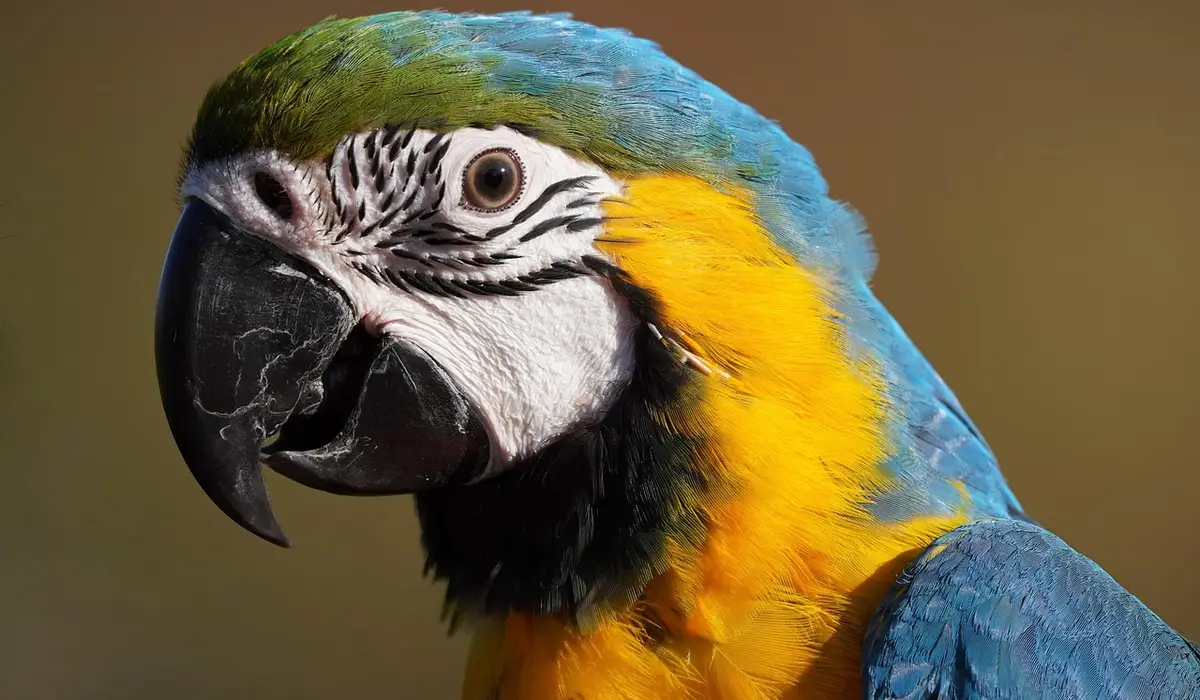
Your parrot’s body tells a clear story about their environment. Watch for frequent sneezing, nasal discharge, or labored breathing-these are classic signs your air is too dry for their sensitive respiratory systems. I noticed my Green-cheeked Conure, Kiwi, started making tiny clicking sounds with each breath during a dry winter spell; that was my wake-up call to check humidity levels immediately.
Respiratory and Feather Warning Signs
- Wheezing, coughing, or audible breathing noises
- Tail bobbing with each breath (indicates respiratory effort)
- Fluffed-up feathers for prolonged periods
- Excessive feather dust or dull, brittle plumage
- Increased scratching or feather barbering (chewing)
- Nostril discharge or crustiness around the nares
My Sun Conure Sunny once developed flaky skin on her feet during low humidity-something I’d never connected to moisture levels before. Consistent feather problems often trace back to humidity imbalances, since proper moisture keeps skin supplet and feathers strong.
When to Call Your Avian Vet Immediately
Some symptoms demand professional intervention without delay. Seek emergency care if your parrot shows open-mouth breathing, lethargy, or loss of appetite-these signal serious respiratory distress. For my African Grey Sage, I learned that two days of persistent sneezing means an immediate vet visit, as their sophisticated respiratory systems decline rapidly. Knowing a few home first-aid basics can help bridge the gap until you reach professional care. Keep your parrot in a quiet, warm environment and contact your avian vet for guidance.
- Contact your vet within 24 hours for continuous symptoms
- Schedule an urgent appointment for any breathing changes accompanied by behavior changes
- Bring humidity logs and environmental details to your appointment
Preventing Humidity-Related Hazards
Balancing humidity requires vigilance against secondary problems. Always place humidifiers several feet from cages and clean them weekly to prevent mold spores from entering your parrot’s airspace. I use distilled water in my humidifiers and check nearby walls for moisture buildup—this simple habit stopped the mild mildew issue I once had near Kiwi’s cage. No amount of careful humidity management is worth the health risk posed by mold or mildew.
- Monitor humidity daily with digital hygrometers
- Ensure proper air circulation with safe, bird-proof fans
- Choose easy-to-clean humidifiers without harmful coatings
- Inspect cage areas and room corners regularly for moisture accumulation
- Combine humidification with scheduled misting for direct feather benefits
Prevention transforms parrot care from reactive to proactive. Establishing consistent humidity monitoring prevents most respiratory and feather issues before they ever trouble your bird. Sudden parrot deaths often stem from undetected illness, toxins, or nutrition problems, which is why prevention matters. Early warning signs and stable routines help reduce these risks. My flock’s vibrant health today stems from catching those early signs and creating stable environmental routines they can thrive in.
FAQs
Can low humidity cause long-term health problems in parrots?
Yes, chronic low humidity can lead to persistent respiratory issues and permanent feather degradation over time. Consistently maintaining proper levels helps prevent these irreversible conditions.
Is it safe to use essential oils in humidifiers around parrots?
No, essential oils are toxic to parrots and can cause severe respiratory irritation or poisoning. For a quick reference on safe plants and which essential oils are toxic versus non-toxic for parrots, please consult our toxic vs non-toxic guide. Always use pure water without any additives to ensure your bird’s air remains safe and clean.
How do I adjust humidity for parrots in very dry or humid climates?
In dry climates, use a combination of humidifiers and room sealing to boost moisture, while in humid areas, employ dehumidifiers or increased ventilation. Regularly check your hygrometer to keep levels within the ideal 40-60% range for your parrot’s health. These environmental factors are covered in our complete guide to the most common parrot health concerns. The guide helps you spot and prevent issues early.
In Closing
Keeping your parrot’s environment at that sweet spot of 40-60% humidity is one of the simplest yet most powerful things you can do for their well-being. Use a reliable hygrometer to monitor levels daily, and don’t hesitate to employ a humidifier or mister to maintain that perfect, feather-friendly atmosphere they need to breathe and preen properly. For the complete guide on cleaning your parrot’s environment safely, see our step-by-step tips. It covers cage cleaning, perches, toys, and safe cleaning products.
Being a fantastic parrot guardian means going beyond the basics of food and water to understand the environmental factors that let them truly thrive. Foraging enrichment is a practical way to enrich their diet and daily life. This idea is explored in our ultimate guide on foraging enrichment to help you boost your parrot’s diet. Your dedication to learning and adapting your care makes all the difference for your feathered friend’s long, vibrant, and healthy life.
Further Reading & Sources
Suzanne Levine is a dedicated parrot enthusiast and experienced avian caregiver with over 15 years of hands-on experience in parrot care. As the founder of Parrot Care Central, Suzanne is passionate about sharing her knowledge and insights to help fellow parrot owners provide the best possible care for their feathered friends. Her expertise spans nutrition, behavior, health, and enrichment, making her a trusted resource in the parrot care community.
Health & Wellness