
Household Toxins: Hidden Dangers That Can Harm Your Parrot
Published on: January 29, 2026 | Last Updated: January 29, 2026
Written By: Suzanne Levine
You love your parrot like family, but your home could be hiding invisible dangers that threaten their health every single day.
I’ve seen how quickly a curious bird can get into trouble. My Green-cheeked Conure, Kiwi, is a fearless explorer, and that’s taught me to be constantly vigilant. I’ll walk you through the most common household hazards so you can create a truly safe space for your feathered friend.
You’ll learn three crucial things:
- How to spot everyday items that are secretly toxic to birds.
- Simple swaps to make your home a healthier environment.
- The immediate steps to take if you suspect your parrot has been exposed.
This guide gives you clear, actionable advice to protect your companion. We cover the essentials so you can stop worrying and start enjoying life with your bird.
Article Topics: Kitchen & Food Dangers, Toxic Fumes & Air Quality, Unsafe Household Products, Poisonous Plants, Emergency Response Plan
Common Household Toxins That Threaten Your Parrot
My heart still aches remembering the day my curious Green-cheeked Conure, Kiwi, decided a houseplant was a fun jungle gym. Many everyday items in your home pose a silent, serious risk to your feathered family member. Their unique respiratory systems and fast metabolisms make them incredibly sensitive.
Invisible Airborne Dangers
What you can’t see can absolutely hurt your parrot. Their super-efficient lungs absorb toxins quickly.
- Teflon & Non-Stick Coatings: Overheated pans release odorless fumes that can be fatal within minutes. I never use non-stick cookware near my birds anymore.
- Aerosol Sprays: Hairspray, air fresheners, and cleaning sprays contain propellants and chemicals that damage delicate lung tissue.
- Strong Fumes: Paint, nail polish remover, and even scented candles can overwhelm their system. Proper ventilation is non-negotiable.
- Cigarette & Cigar Smoke: Secondhand and thirdhand smoke residue on clothes and furniture is a major respiratory irritant.
Surface & Ingestion Hazards
Parrots explore the world with their beaks, which means anything they can grab is a potential snack.
- Heavy Metals: Old paint chips, stained glass, zippers, and some costume jewelry often contain lead or zinc. My African Grey, Sage, once chewed a metal clasp, prompting an urgent vet visit.
- Cleaning Products: Bleach, ammonia, and phenols are extremely toxic. I now clean with a simple vinegar and water solution.
- Certain Plants: Lilies, philodendrons, and poinsettias are beautiful but deadly. Always check if a plant is parrot-safe before bringing it home.
- Foods to Avoid: Avocado, chocolate, caffeine, and onions can cause severe illness or organ failure.
Spot the Signs: Is Your Parrot Showing Symptoms of Poisoning?
Time is your biggest enemy in a poisoning emergency. Knowing these subtle and obvious signs could save your parrot’s life. Trust your gut—you know your bird better than anyone. If you suspect your parrot has eaten something toxic, refer to an emergency guide on the exact steps to take. Quick, accurate action with professional guidance can make all the difference.
Immediate Red Flags
These symptoms demand instant action and an immediate call to your avian vet.
- Sudden difficulty breathing, panting, or tail bobbing
- Loss of balance, falling off perch, or seizures
- Open-mouthed breathing or a pronounced tail bob
- Bright green or black feces, a sign of internal bleeding
- Vomiting or excessive regurgitation
More Subtle Warning Signs
Poisoning isn’t always dramatic. Watch for these quieter changes in behavior.
- Lethargy or unusual fluffing up for long periods
- Loss of appetite or sudden disinterest in favorite foods
- Increased thirst or urination
- Drooping wings or a generally “puffed” and miserable appearance
- Changes in vocalization, like sudden silence from a normally chatty bird
My Sun Conure, Sunny, once got quiet and puffy after I used a new cleaning spray in another room. Even minor exposure can trigger a noticeable response, so always err on the side of caution. If you see any of these signs, remove your bird from the area immediately and contact your vet without delay.
How to Shield Your Parrot from Toxic Exposures
Creating a safe home for your parrot requires constant vigilance. I treat my home like a giant cage that needs to be parrot-proofed from floor to ceiling. My Green-cheeked Conure, Kiwi, is a curious explorer, and I’ve learned to anticipate his next move when designing a bird-safe room.
Purify the Air They Breathe
A bird’s respiratory system is incredibly efficient, which also makes it vulnerable. What’s harmless to us can be deadly to them. During the holidays, decorations, candles, and scented products can pose hazards to parrots. A comprehensive seasonal safety checklist helps you manage these risks and keep your bird safe.
- Banish all aerosol sprays, including air fresheners, hairspray, and cleaning sprays. I switched to pump sprays or solid air purifiers like baking soda boxes.
- Avoid non-stick cookware entirely. When overheated, the coating releases fumes that are rapidly fatal to birds. I only use stainless steel or cast iron now.
- Never use plug-in scents, scented candles, or essential oil diffusers. These release volatile organic compounds (VOCs) that can cause respiratory distress.
Ventilation is your best friend; opening a window in another room for fresh air circulation can make a huge difference.
Secure Surfaces and Household Items
Parrots use their beaks to explore the world, which means everything is a potential chew toy.
- Use only plain, undyed paper or natural wood toys. Avoid anything with treated leather, dyed rope, or shiny metallic parts.
- Keep them away from freshly cleaned surfaces until they are completely dry and any chemical smell has dissipated.
- Store all medications, cleaning supplies, and DIY products in securely locked cabinets. A determined parrot can learn to open simple latches.
I do a daily “beak-level” scan of the rooms my birds access, looking for anything new they might investigate.
Monitor Their Food and Water
What goes into their bowl is just as important as the air around them.
- Provide fresh, filtered water daily. Tap water can contain heavy metals like lead and zinc from old pipes.
- Wash all fruits and vegetables thoroughly to remove pesticide residue. I prefer to buy organic for the items I feed directly to my birds.
- Never let them drink from your cup or eat from your plate, as human food can contain salt, garlic, onion, or other toxic ingredients.
Emergency Response: What to Do If Your Parrot Is Exposed
Time is the most critical factor in a poisoning emergency. Staying calm and acting quickly can save your parrot’s life. I’ve had a few scares over the years, and having a plan is everything. When a parrot is sick or poisoned, knowing basic home first aid and when to seek emergency veterinary care can make all the difference.
Immediate First Steps
- Remove your bird from the source of the toxin immediately. Move them to a well-ventilated, clean room with fresh air.
- Identify the poison. Look at the container, note the ingredients, and try to estimate how much they may have ingested or inhaled.
- Call your avian veterinarian or an animal poison control center immediately. Have the phone numbers saved in your phone. Do not wait for symptoms to appear.
Do not attempt to induce vomiting or give any home remedies unless explicitly instructed to do so by a professional. You could cause more harm.
Critical Information to Provide
When you call for help, be ready to give clear details. This helps the expert give you the best advice.
- Your parrot’s species, age, and weight.
- The name of the toxic substance and its active ingredients.
- The amount you suspect they were exposed to.
- The time that has passed since the exposure.
- Any symptoms you are observing, no matter how minor.
Recognizing the Signs of Distress
Knowing what to look for can help you react faster. Symptoms can appear rapidly or develop over hours.
| Respiratory Signs | Behavioral Signs | Physical Signs |
|---|---|---|
| Open-mouth breathing | Lethargy or weakness | Vomiting or regurgitation |
| Tail bobbing | Loss of balance | Drooping wings |
| Wheezing or coughing | Seizures or tremors | Diarrhea or discolored droppings |
Trust your instincts-if your bird is acting “off,” it’s always better to seek professional advice immediately.
Long-term Risks of Toxin Build-up in Parrots
Parrots process toxins differently than humans, and their small size means even trace amounts can accumulate over months or years. That’s why I keep a complete list of toxic foods for parrots to avoid, so I can spot risks at a glance. This slow poisoning doesn’t cause immediate drama, but silently damages organs until they can no longer function. My Green-cheeked Conure, Kiwi, once had a routine blood test that showed slightly elevated liver enzymes – a tiny red flag that made me scrutinize every item in our home. This living guide helps me prevent accidental exposure in daily life.
The Silent Damage You Can’t See
Think of your parrot’s body like a sponge, slowly soaking up poisons from their environment.
- Liver and Kidney Failure: These organs work overtime to filter toxins, leading to irreversible scarring.
- Respiratory System Scarring: Inhaled particles from aerosols or non-stick cookware cause permanent lung damage.
- Neurological Decline: Heavy metals like lead or zinc slowly attack the nervous system, causing subtle personality changes long before tremors appear.
- Reproductive Issues and Weakened Immune Systems: Chronic exposure makes birds vulnerable to infections they’d normally fight off.
Parrot-Proof Your Home with Safe Alternatives
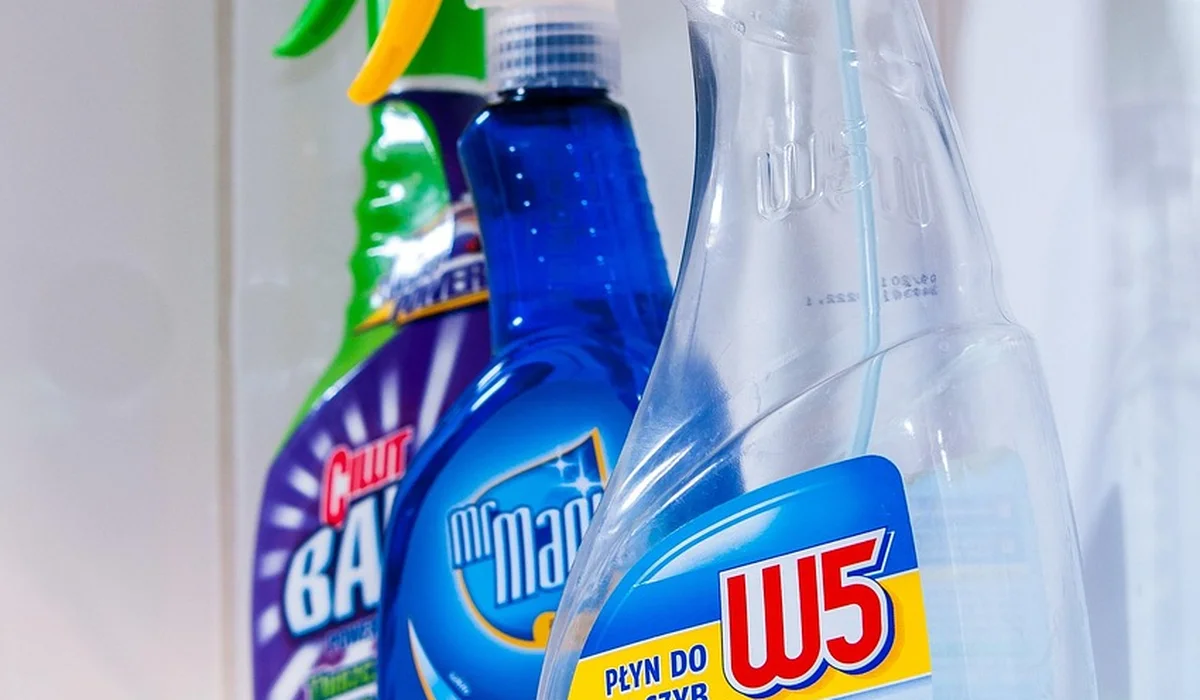
Protecting your parrot isn’t about living in fear-it’s about making smart swaps. I transformed my home room-by-room after realizing my scented candles were causing Sage, my African Grey, to sneeze. You can create a beautiful, safe space without sacrificing style or comfort. That same mindful planning helps you create a safe, stimulating indoor flight environment for your parrot. Set up clear flight paths, perch-friendly zones, and enrichment at reachable heights.
Room-by-Room Safety Upgrades
Use this checklist to eliminate hidden dangers.
| Common Hazard | Safe Alternative |
|---|---|
| Teflon/non-stick cookware | Cast iron, stainless steel, or ceramic pans |
| Aerosol sprays (cleaners, air fresheners) | Pump sprays, essential oil diffusers (bird-safe oils only), or baking soda odor absorbers |
| Lead-based paints or vintage decor | Modern zero-VOC paints and new ceramic/glass decorations |
| Chemical cleaning products | Vinegar, baking soda, or commercial bird-safe cleaners |
| Scented candles or incense | Beeswax candles or natural potpourri |
Creating Safe Zones
Designate areas where your parrot can enjoy supervised freedom without risk.
- Establish a “bird room” with dedicated safe toys and perches away from kitchens or bathrooms.
- Use air purifiers with HEPA filters to capture airborne particles.
- Install carbon monoxide detectors and check them monthly.
- Create a “no spray zone” policy for any chemical products within your parrot’s airspace.
The most powerful protection comes from changing your perspective: see your home through your parrot’s eyes, nose, and sensitive respiratory system. What seems harmless to us can be a ticking time bomb for them. When I stopped using plug-in air fresheners, my Sun Conure Sunny’s feather quality improved within weeks-proof that small changes create big results.
Air Quality and Your Parrot’s Health
I learned the hard way with my Green-cheeked Conure, Kiwi, that the air in our homes isn’t as clean as we think. Parrots have a unique, hyper-efficient respiratory system that makes them incredibly vulnerable to airborne toxins we barely notice. Their small bodies and rapid metabolism process these poisons faster, leading to tragic consequences.
The Silent Killer: Fumes and Smokes
Many common household activities release invisible gases that can be fatal to your bird within minutes.
- Non-Stick Cookware (Teflon): When overheated, these pans release odorless, toxic polytetrafluoroethylene (PTFE) fumes. I haven’t owned a non-stick pan in years because the risk is simply too great.
- Aerosol Sprays: Anything from hairspray to air fresheners and cleaning products. The fine mist carries chemicals deep into your parrot’s lungs.
- Smoke and Vapors: Cigarette smoke, candle soot, and even the vapor from strong essential oil diffusers can cause severe respiratory distress.
- Overheated Cooking Oils and Burnt Food: The smoke produced isn’t just an annoyance; it’s a lung irritant for your sensitive bird.
Everyday Scents and Cleaners
We love a fresh-smelling home, but our parrots pay the price. Their respiratory tracts are easily inflamed by synthetic fragrances.
- Switch to Natural Cleaners: I now use a simple mix of vinegar and water for most cleaning. It’s safe, effective, and costs pennies.
- Avoid Plug-in Air Fresheners and Scented Candles: These continuously release volatile organic compounds (VOCs) into your air. My Sun Conure, Sunny, started sneezing whenever I lit a scented candle, so we stopped immediately.
- Be Cautious with Paint and Glue: Renovations are a major hazard. Ensure your bird is in a completely separate, well-ventilated area, preferably at a friend’s house, until fumes have fully dissipated.
Practical Steps for Pure Air
Protecting your parrot doesn’t mean living in a sterile bubble. It means making smart, conscious choices.
- Ventilate, Ventilate, Ventilate: Open windows daily to cycle out stale, contaminated air and bring in fresh oxygen. This is the single most effective thing you can do.
- Invest in a HEPA Air Purifier: I run one near my African Grey Sage’s cage. It captures dust, dander, and other microscopic particles that can irritate airways.
- Create a “Safe Zone”: Keep your parrot’s cage away from the kitchen, bathrooms, and any area where chemicals are used or stored.
- Adopt a “No-Spray” Rule: If you must use a spray cleaner, remove your bird from the room entirely and ventilate the area for at least an hour before bringing them back.
Your parrot’s life literally depends on the quality of the air they breathe, making it a responsibility we cannot afford to take lightly. A little vigilance goes a long way in preventing a heartbreaking emergency. This is a key topic in our complete guide to the most common parrot health concerns. It offers practical steps to prevent illness and spot issues early.
FAQs
Are there any fruits or vegetables that are always safe for parrots?
Many fruits like apples and berries are safe when prepared properly. Always remove seeds and wash thoroughly to remove pesticides.
Is it safe to use a humidifier in the room with my parrot?
Humidifiers are generally safe if used with distilled water and cleaned regularly. Avoid adding any scents or oils to the water to prevent respiratory issues.
How can I check if a plant is safe for my parrot?
Consult online resources like the ASPCA’s toxic plant list for birds. When in doubt, keep the plant out of your parrot’s reach until verified by an expert. This topic fits our safe plants essential oils for parrots guide, which distinguishes toxic from non-toxic plants and warns about essential oil risks. Always verify safety and avoid exposing parrots to essential oils.
In Closing
From my years with parrots like Kiwi and Sunny, I’ve learned that vigilance is your best tool against household toxins—swap out harsh chemicals for natural alternatives and keep toxic plants far from curious beaks. Regularly auditing your home for hidden hazards, like non-stick cookware or scented candles, can drastically reduce your parrot’s risk of illness. Simple habits, such as storing foods safely and improving ventilation, build a safer space for your bird to explore. Think of this as the opening note to a complete guide on cleaning your parrot and its environment safely. It covers practical steps, schedules, and safe products to keep every corner of your bird’s space clean and inviting.
Responsible parrot ownership means embracing a mindset of growth and care, where every bit of knowledge helps you protect your feathered family. Stay engaged with reliable sources and fellow parrot lovers to keep your skills sharp and your bird’s environment toxin-free. Your commitment to learning not only deepens your bond but also honors the trust your parrot places in you every day.
Further Reading & Sources
- Poisons and Toxins – The Parrot Society UK
- PROTECT YOUR BIRD FROM DANGER Common Household Poisons
- Toxic Fumes – The Parrot Society UK
Suzanne Levine is a dedicated parrot enthusiast and experienced avian caregiver with over 15 years of hands-on experience in parrot care. As the founder of Parrot Care Central, Suzanne is passionate about sharing her knowledge and insights to help fellow parrot owners provide the best possible care for their feathered friends. Her expertise spans nutrition, behavior, health, and enrichment, making her a trusted resource in the parrot care community.
Health & Wellness