
What Do Parrots Eat in the Wild: A Complete Guide
Ever wonder if your parrot’s diet at home matches what they’d naturally eat in the wild, and worry you might be missing something crucial for their health? I’ve spent years observing parrots, from my playful Green-cheeked Conure Kiwi to my clever African Grey Sage, and I know that concern well.
I’m here to help you understand the fascinating world of wild parrot nutrition so you can feel more confident. We’ll cover the essentials, including:
- The surprising variety of foods that make up a natural parrot diet, far beyond just seeds.
- How wild parrots find their food and why this behavior matters for their well-being.
- The way their diet changes with the seasons and what that teaches us about variety.
You will get clear, practical advice based on real observations of these incredible birds. The article covers: wild diet composition, foraging habits, seasonal changes, and implications for pet parrot care.
The Core Wild Parrot Diet
Wild parrots are master foragers with a diet that shifts dramatically with the seasons. They don’t just eat one type of food; they are opportunistic eaters who take full advantage of nature’s buffet.
- Seeds and Nuts: This is a major energy source. Parrots use their powerful beaks to crack open incredibly hard shells. My Green-cheeked Conure, Kiwi, has the same determined focus on a walnut as his wild cousins do on tough palm seeds.
- Fruits and Berries: These provide essential vitamins and hydration. Figs are a particular favorite for many species, offering a soft, sugary pulp.
- Nectar and Pollen: Lorikeets and other nectar-feeding species have brush-tipped tongues to lap up these sweet, energy-rich liquids.
Seasonal availability dictates everything. During the wet season, parrots feast on ripe fruits and soft berries, while the dry season forces them to rely more on durable seeds and nuts. They specifically seek out palm seeds and the pits inside large fruits, which are packed with fats and nutrients to sustain them. This seasonal pattern is exactly the kind of detail you’ll find in the best diet nutrition guide for Amazon parrots. Such guides help caretakers balance fruits, seeds, and fats to keep birds healthy year-round.
Surprising Wild Foods Parrots Love
Beyond the obvious fruits and nuts, a parrot’s menu gets surprisingly diverse. They are true omnivores, supplementing their diet with items we might not immediately consider “food.” For caretakers, this highlights the importance of parrot diet requirements and a species-specific complete feeding guide.
- Blossoms, Buds, Leaves, and Shoots: Fresh, growing vegetation is a source of moisture and micronutrients. I often see my parrots nibbling on safe, organic herbs I offer, a behavior directly mirrored in the wild.
- Bark and Cambium: The soft, living layer (cambium) beneath the bark is a valuable source of minerals and fiber, especially when other food is scarce.
- Insects and Larvae: This is a crucial source of protein, especially for breeding pairs and growing chicks. Parrots will actively hunt for caterpillars, beetle grubs, and other insects hiding under bark or within fruit.
They also consume sap and gum from trees. This sticky stuff provides carbohydrates and can have medicinal properties, helping to soothe their digestive systems. Observing this complex, varied diet in the wild shows us why a simple seed mix is never enough for our captive companions.
Special Diets for Specific Parrot Species
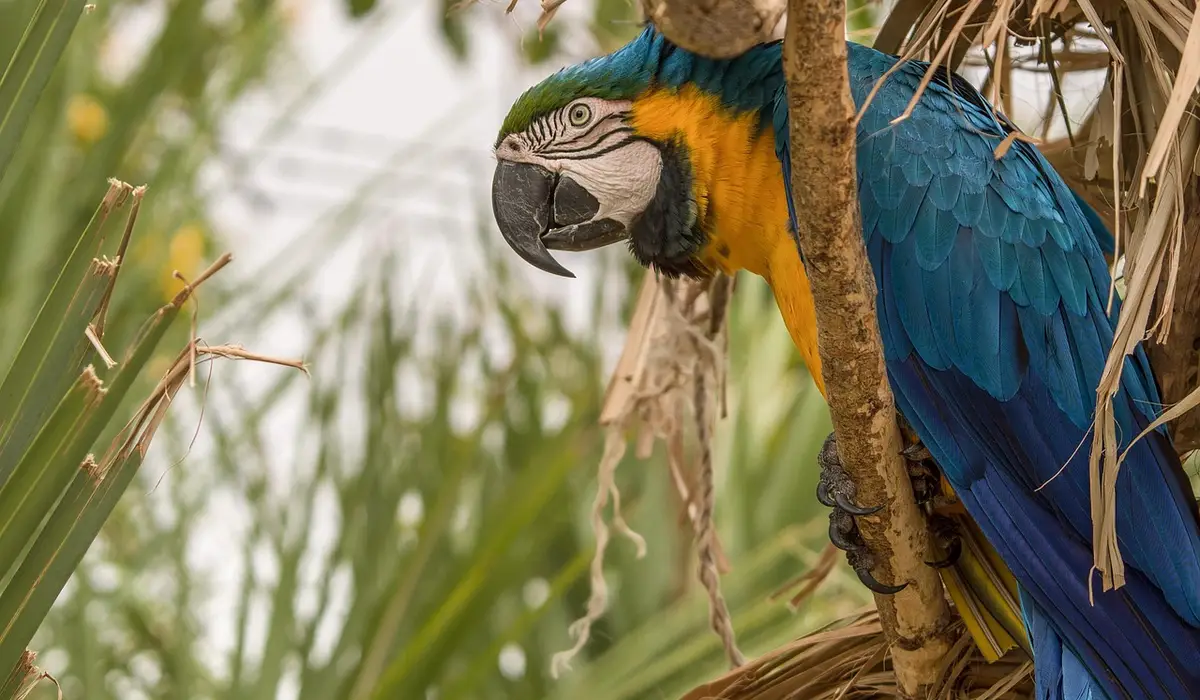
Not all parrots share the same menu. Different species have evolved to eat what’s available in their specific habitats, leading to fascinating dietary specialties.
King Parrots and Australian Natives
Australia’s king parrots are a splash of crimson and green that adore forested areas. Their wild diet is a beautiful mix:
- Seeds from eucalyptus and acacia trees
- Native berries and small fruits
- Blossoms, nectar, and some insects for protein
I’ve noticed my own Green-cheeked Conure, Kiwi, goes wild for berries, mirroring that wild preference for soft, sugary fruits.
Comparing Diets Across the Parrot Family
From my years caring for different species, their tastes are as varied as their colors.
- Macaws: Rely heavily on palm nuts, using their powerful beaks as natural nutcrackers.
- African Greys: Like my Sage, they seek out oil-rich seeds and nuts in the wild, which supports their incredible brainpower.
- Lorikeets: Are nectar specialists, with brush-tipped tongues perfectly adapted for sipping sugary liquid from flowers.
This variety shows why a one-size-fits-all pellet mix often falls short of meeting a specific parrot’s innate nutritional needs.
Regional Variations Shape Appetites
Where a parrot lives dictates what’s on its plate.
- Rainforest Parrots: Enjoy a year-round buffet of fruits, nuts, and flowers.
- Savanna & Dry Forest Parrots: Adapt to seasonal changes, eating more seeds and bark when fruits are scarce.
- Island Species: Sometimes develop unique tastes for local plants unavailable anywhere else in the world.
Why Wild Parrots Eat Clay and Minerals
One of the most spectacular sights in nature is a “clay lick,” where hundreds of parrots gather to eat soil from riverbanks.
This behavior, called geophagy, is a critical part of their health regimen, not a quirky habit.
The Spectacle of Clay Licks
In places like the Amazon, parrots travel great distances to visit these mineral-rich cliffs. They do this for several vital reasons:
- Neutralizing toxins found in some of the seeds and fruits they consume.
- Obtaining essential minerals like sodium and calcium that are scarce in their primary diet.
- It’s a social event, allowing flocks to gather safely.
Essential Minerals and Salt
Just like us, parrots need a complex profile of minerals to thrive.
- Sodium: Crucial for nerve function and fluid balance, often hard to find in a forest diet.
- Calcium: Non-negotiable for strong bones and, for laying females, healthy eggshells.
- Other Trace Minerals: Elements like potassium and magnesium support everything from muscle function to feather quality.
Observing my conures, I always provide a mineral block, as it mimics this natural need to supplement their diet.
Digestive Benefits of Soil Consumption
Beyond minerals, clay acts like a medicine for a parrot’s gut.
- The clay particles bind to dietary toxins and plant alkaloids, preventing them from being absorbed.
- It can soothe digestive upset and help manage gut bacteria.
- It adds grit that aids in the mechanical breakdown of tough foods in their gizzard.
This is a powerful reminder that a parrot’s diet isn’t just about the food they eat, but also about the “medicine” they seek out to process it safely. If you suspect your parrot has eaten something toxic, seek immediate advice from an avian veterinarian or poison control. Do not attempt home remedies or induce vomiting without professional guidance.
How to Bring Wild Nutrition to Your Pet Parrot
Replicating a wild diet for your parrot isn’t just about the food—it’s about the whole experience. By offering safe, varied foods and encouraging natural behaviors, you can boost your parrot’s health and happiness right at home. I’ve seen this firsthand with my playful Green-cheeked Conure, Kiwi, who thrives on a mix of fresh goodies and fun foraging games. You can explore homemade parrot food recipes that are healthy and nutritious. They’re easy to tailor to your bird’s tastes and dietary needs.
Provide Safe Alternatives to Wild Foods
In the wild, parrots munch on everything from fruits to seeds, but at home, you need safe swaps. Choose organic, pesticide-free fruits and veggies to mimic the natural variety without the risks. For instance, instead of wild figs, I give Sunny, my Sun Conure, small pieces of apple or pear. Here are some easy alternatives:
- Swap wild nuts with unsalted almonds or walnuts-just crush them to prevent choking.
- Replace tropical fruits with bananas, mangoes, or berries, all washed and chopped.
- Offer leafy greens like kale or spinach as a stand-in for wild foliage.
My African Grey, Sage, adores this approach, and it keeps her diet exciting and balanced.
Suggest Foraging Activities That Mimic Wild Behavior
Parrots spend hours foraging in the wild, so bring that energy indoors with simple games. Hiding food in toys or around the cage encourages your bird to “hunt” like they would in nature. I often stuff a foraging ball with treats for Kiwi, and he stays busy for ages. If you enjoy DIY, you can make safe, fun homemade toys for your parrot at home. They’re easy to customize for your bird’s size and beak health. Try these ideas to get started:
- Use puzzle feeders where they have to work for their meal.
- Scatter seeds in clean paper or cardboard for them to tear apart.
- Rotate toys weekly to keep things fresh and engaging.
This not only prevents boredom but also supports their mental sharpness-Sunny gets so excited, she chirps nonstop!
Include Preparation Tips for Wild-Style Meals
Prepping food the right way makes it safer and more appealing. Always wash and chop fruits and veggies into bite-sized pieces to avoid hazards and ease eating. I mix pellets with fresh foods for a balanced plate, just like Sage would find in her native habitat. Follow these steps for a wild-inspired meal:
- Rinse all produce under cool water to remove dirt or residues.
- Cut items into small chunks-no bigger than your parrot’s beak.
- Combine seeds, pellets, and fresh bits in a bowl for variety.
- Serve at room temperature to mimic natural conditions.
This method has kept my birds vibrant and full of life for years.
Foods to Avoid From the Wild
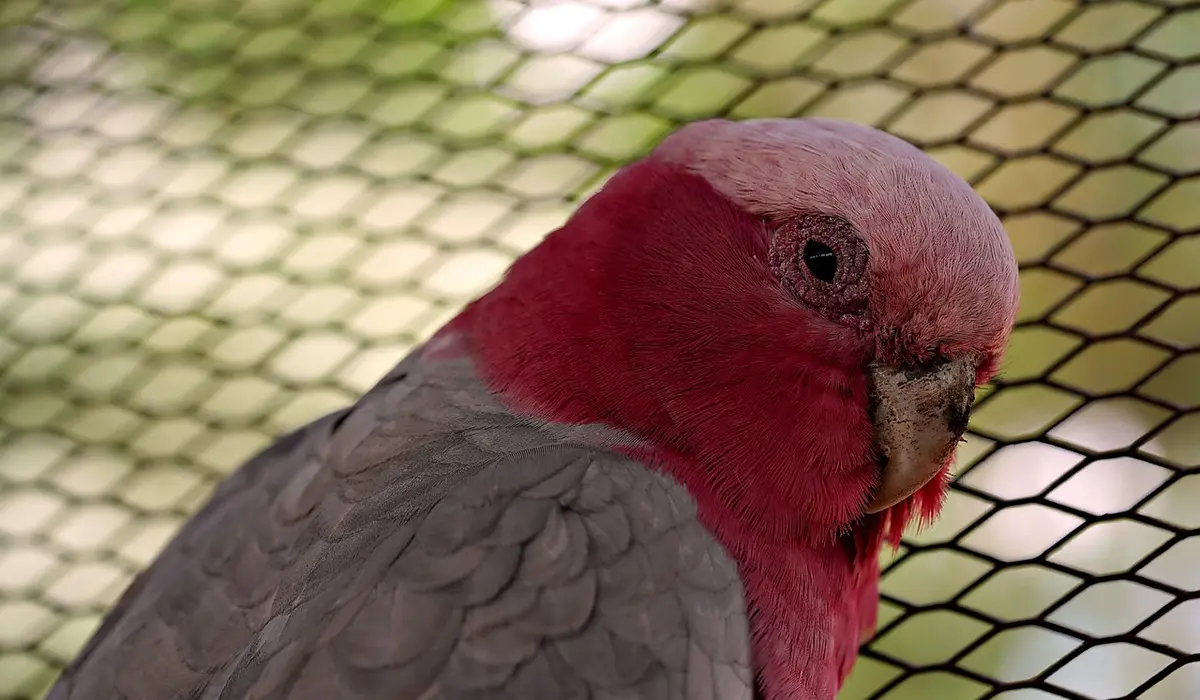
While it’s tempting to share “natural” treats, some wild items can harm your parrot. Stick to store-bought, vet-approved foods to keep your feathered friend safe from hidden dangers. After a scare with a neighbor’s offer of wild berries, I always double-check everything for my flock’s sake.
List Toxic Plants and Fruits
Many common plants and fruits are poisonous to parrots, even if they look harmless. Avocado, chocolate, and onions top the list of no-gos because they can cause serious health issues. I never let Kiwi near these, and you shouldn’t either. For a complete list of toxic foods for parrots to avoid, this guide covers the major offenders and safe alternatives. Keep this handy as a quick reference to protect Kiwi’s health. Here’s a quick guide to avoid:
- Avocado: Contains persin, which can lead to breathing problems.
- Chocolate: Has theobromine, toxic to birds and hard to digest.
- Onions and garlic: Can damage red blood cells over time.
- Apple seeds: Have cyanide, so always remove them before serving.
If in doubt, skip it-your parrot’s health isn’t worth the risk.
Cover Pesticide Risks in Foraged Foods
Wild plants might carry pesticides or chemicals from pollution. Even “clean-looking” leaves from your yard could be contaminated, leading to illness. I only use organic produce for Sunny and Sage to avoid any exposure. Remember these tips:
- Never pick plants from parks or roadsides-they’re often sprayed.
- Buy certified organic fruits and veggies when possible.
- Wash all food thoroughly, even if it’s from a trusted store.
This simple habit protects your parrot from unseen toxins.
Mention Unsafe Insect Sources
Insects are a protein source in the wild, but home-caught ones can be risky. Wild insects might carry parasites or pesticides, so opt for commercially raised options instead. I give my birds dried mealworms from pet stores, and they love the crunch without the danger. Avoid these sources:
- Insects from gardens: They could have eaten toxic plants.
- Fireflies or beetles: Some are naturally poisonous.
- Any bug from areas treated with chemicals.
Sticking to safe suppliers ensures your parrot gets nutrition without the hazards.
Creating Seasonal Variety Like Wild Parrots
In the wild, a parrot’s menu changes constantly with the seasons, and you can bring that exciting rhythm into your home. Rotating your parrot’s food isn’t just fun; it prevents boredom and mimics the nutritional diversity they’d naturally seek. My Green-cheeked Conure, Kiwi, gets visibly more curious and engaged when I introduce a “new” seasonal food he hasn’t seen in months.
Rotating Foods Based on Natural Cycles
Think of the year in quarters and adjust your parrot’s fresh food offerings accordingly. This rotation ensures your bird experiences a wide spectrum of vitamins and minerals, just as they would foraging in a tropical forest. I keep a simple calendar note to remind me what’s in season at the grocery store.
- Spring: Offer tender greens like dandelion leaves, fresh peas, and sprouted seeds. This mirrors the new growth available after rains.
- Summer: Load up on hydrating fruits and vegetables. My Sun Conure, Sunny, adores chunks of watermelon and fresh corn on the cob.
- Fall: Introduce more nuts and seeds with higher healthy fats, like walnuts and pumpkin seeds, to simulate pre-winter foraging.
- Winter: Focus on hardy vegetables like sweet potatoes, carrots, and broccoli, which are readily available and packed with nutrients.
Seasonal Treat Ideas Your Parrot Will Love
Seasonal treats make for fantastic foraging opportunities and mental enrichment. Using food as a puzzle engages their intelligent brains and satisfies their natural instinct to work for a meal. My African Grey, Sage, will meticulously dismantle a pinecone stuffed with treats for far longer than he’ll eat from a boring bowl.
- Summer: Frozen berry “popsicles” made by mashing berries with a little water and freezing them in an ice cube tray.
- Fall: A small, raw, unsalted pumpkin seed stuffed inside a hollowed-out mini-pumpkin.
- Winter: A sprig of organic rosemary or thyme tucked into a foraging toy for a novel scent and taste.
- Spring: Fresh edible flowers like pansies or nasturtiums scattered over their regular food.
Mimicking Wild Food Availability Patterns
In nature, food isn’t always abundant, and parrots experience periods of feast and famine. You can safely simulate this pattern by having “light” days and “heavy” days, which can help prevent obesity and encourage natural foraging behavior. Regular weight checks help ensure your parrot stays within healthy weight ranges and supports obesity prevention. Monitoring weight over time can guide feeding and enrichment decisions.
On a “light” day, I might offer a smaller portion of pellets and focus more on low-calorie vegetables and foraging activities. This approach keeps my parrots active and interested in their environment, rather than just waiting for the next full bowl of food. It teaches them that food is something to be discovered, reinforcing their natural intelligence and problem-solving skills. For those following the ultimate guide to foraging to enrich your parrot’s diet, these practices form a solid core. This approach turns meals into enrichment adventures and supports ongoing learning.
FAQs
How can I transition my parrot from a seed-based diet to a more varied one?
Start by gradually mixing small amounts of fresh vegetables and pellets as the foundation into their regular seed mix over a few weeks. This slow approach reduces resistance and helps your parrot adapt to new textures and flavors without stress. When weighing pellets vs seeds as the base diet, many experts suggest pellets as the foundation and seeds as a small supplement.
What are the benefits of foraging toys for my parrot’s mental health?
Foraging toys encourage natural problem-solving and keep your parrot engaged, which can prevent boredom-related behaviors like screaming or feather plucking. They also promote physical activity and mimic the mental stimulation wild parrots get from searching for food.
Are there any seasonal foods I should avoid giving my parrot?
Avoid high-sugar fruits like mangoes in large quantities during less active seasons to prevent obesity and related health issues. Always check for potential toxins in seasonal items, such as pits in stone fruits, and remove them before serving.
Final Thoughts
Your parrot’s best diet mirrors the rich variety they’d find in nature: a mix of fresh fruits, vegetables, nuts, and high-quality pellets. Focus on offering a colorful plate of fresh, whole foods to keep them vibrant and healthy for years to come. Following general parrot dietary guidelines helps ensure balance and moderation. It also supports ongoing health and energy.
Remember, caring for a parrot is a long-term commitment to learning and adapting. Continuously seek out new information on parrot care to ensure your feathered friend enjoys a stimulating and fulfilling life in your home.
Further Reading & Sources
- What do parrots eat? – ExoticDirect
- The Best Parrot Diet (and Toxic Foods) | Best Friends Animal Society
- What do parrots eat in the wild? – Quora
Suzanne Levine is a dedicated parrot enthusiast and experienced avian caregiver with over 15 years of hands-on experience in parrot care. As the founder of Parrot Care Central, Suzanne is passionate about sharing her knowledge and insights to help fellow parrot owners provide the best possible care for their feathered friends. Her expertise spans nutrition, behavior, health, and enrichment, making her a trusted resource in the parrot care community.
Nutrition