
Why African Grey Parrots Are Endangered
Published on: January 18, 2026 | Last Updated: January 18, 2026
Written By: Suzanne Levine
Are you concerned about the sharp decline of African Grey Parrots and what’s driving them toward extinction?
As someone who shares a home with Sage, my intelligent African Grey, I’ve witnessed their incredible personalities and feel a deep responsibility to shed light on their plight. I’ll guide you through the core issues by highlighting three major threats these birds face.
- Rampant habitat destruction from deforestation and land conversion.
- Intense illegal trapping and trade for the pet market.
- Emerging pressures like disease outbreaks and climate shifts.
You will receive straightforward insights into their conservation status and practical ways to support their survival. habitat loss, illegal poaching, conservation strategies, personal action steps
The Current Plight of African Grey Parrots
Seeing an African Grey in the wild used to be a common thrill, but those encounters are becoming rare treasures. The International Union for Conservation of Nature (IUCN) officially lists the African Grey Parrot as Endangered, a sobering reality for a bird once thriving across Central Africa. Historically, these birds inhabited the tropical forests of West and Central Africa, where tall trees provided nesting hollows and a steady source of fruit and seeds. Ongoing habitat loss continues to erode their natural home.
From my own travels over the last decade, the silence in certain parts of the forest is the most telling change. Where raucous flocks once painted the sky, you now hear isolated calls that seem to echo in the emptiness. The population has plummeted by an estimated 50-79% in just three generations.
| IUCN Red List Status | Endangered |
| Estimated Global Population Decline | 50% – 79% |
| Key Threat | Habitat Loss & Illegal Wildlife Trade |
The international commercial trade of wild-caught African Greys is now banned under CITES, a crucial but recent victory in a long fight for their survival. This legal protection is vital, but reversing the damage already done requires a monumental, ongoing effort.
Habitat Loss: Vanishing Homes and Nest Hollows
Imagine your entire neighborhood, the grocery store, and your home being demolished overnight. That’s the daily reality for Greys facing rampant deforestation. Their lush rainforest homes are being cleared at an alarming rate for timber, agriculture, and expanding human settlements.
I’ve walked through forests that were solid green on a map just years ago, only to find them fragmented into tiny islands. This fragmentation is a silent killer for breeding pairs who need large, contiguous territories to find sufficient food and raise their young successfully.
When forests are cut into pieces, parrots become isolated, gene pools shrink, and the entire population’s resilience plummets. It’s a slow, steady squeeze that doesn’t make headlines but is just as deadly as a poacher’s net. In the wild, parrots rely on a varied diet of fruits, seeds, and nuts, and fragmentation reduces the availability of these foods. As a result, their foraging becomes more difficult and riskier, a reminder that even what they eat is shaped by the fate of their habitat.
Deforestation and Crop Expansion
The chain saws and bulldozers never seem to stop. Vast tracts of forest are converted into palm oil plantations, cocoa farms, and mining operations, leaving behind a barren landscape that can no longer support wildlife.
This isn’t a small-scale problem. The regions hit hardest include:
- The Congo Basin, the planet’s second-largest rainforest.
- Coastal regions of West Africa, like Ghana and Ivory Coast.
- Areas in Central Africa undergoing rapid industrial expansion.
Every tree felled is another nail in the coffin for a species that depends entirely on the complex ecosystem of the rainforest canopy.
Loss of Nesting Sites
Even if a forest patch remains, African Greys face a housing crisis. They are cavity nesters, relying on old, large trees with natural hollows to lay their eggs and raise their chicks. These specific trees are often the first to be logged for their valuable timber.
I remember spotting a perfect, giant tree hollow from a distance, my heart leaping with hope, only to find it completely empty. No nest, no birds. When these ancient trees disappear, they take generations of potential parrot families with them.
You can support the creation of new homes by getting involved with organizations dedicated to reforestation and the installation of artificial nest boxes in protected areas. Planting native, fast-growing trees and protecting existing old-growth forests are the most powerful tools we have to rebuild their world.
Illegal Wildlife Trade: Trapping and Smuggling
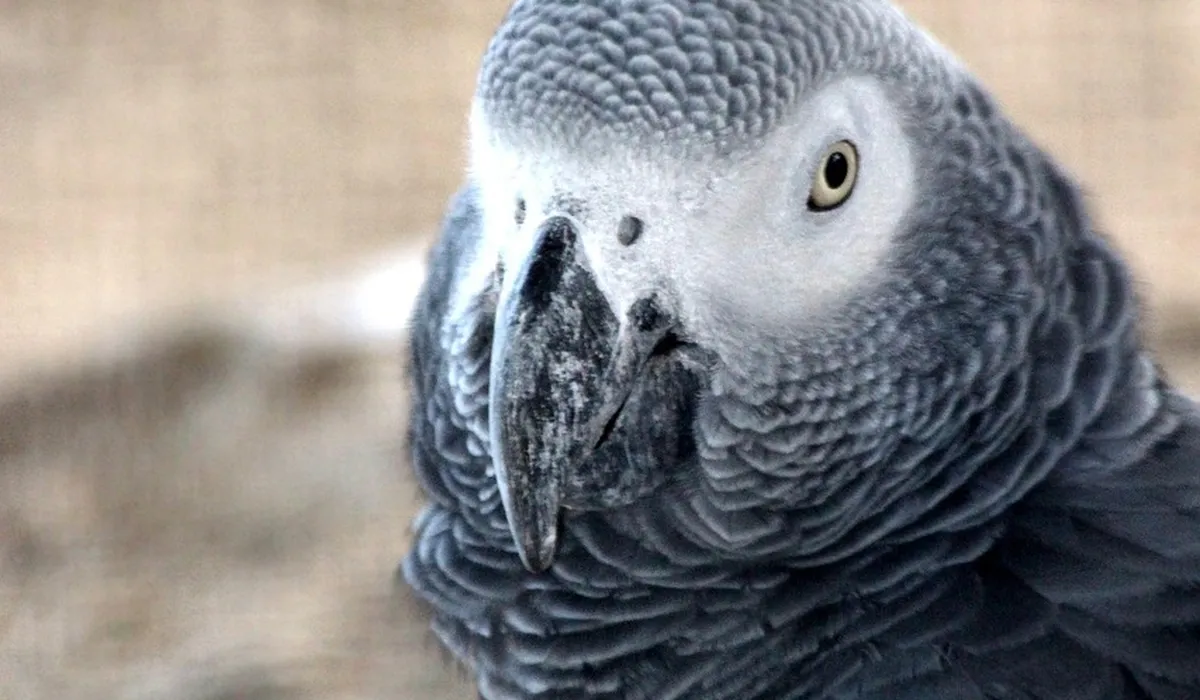
Poachers target African Grey Parrots for the pet trade, snatching them from their forest homes. Illegal trafficking thrives because high demand makes these birds valuable on black markets. I’ve seen how this greed hurts wild populations firsthand, and it’s heartbreaking.
- Wild-caught parrots face brutal conditions during capture and transport.
- Removing birds from the wild shrinks their numbers and disrupts breeding cycles.
- Always ask for proof of legal breeding, like CITES certificates, to avoid supporting this trade.
The Pet Trade’s Dark Side
Your desire for a feathered friend can unintentionally fuel this cruel cycle. High prices for African Greys encourage smugglers to risk everything for profit. Export bans exist, but they’re often bypassed through hidden routes.
- Demand from pet owners drives continuous poaching in Africa.
- Bans under CITES help, but enforcement is weak in many regions.
Consequences of Trafficking
Captured birds suffer immensely from stress and disease. Many don’t survive the journey, and those who do often carry illnesses like avian flu. Humans can get sick from parrots through zoonotic diseases, so understanding these risks is crucial. Awareness helps prevent illness in people and protects wildlife. If you suspect illegal activity, report it to wildlife authorities immediately.
- Stress weakens their immune systems, leading to high mortality rates.
- Contact local animal protection groups or use hotlines to report smuggling.
Additional Threats: Disease and Environmental Stress
Diseases like Psittacine Beak and Feather Disease (PBFD) spread rapidly in stressed populations. Climate change causes droughts that reduce food sources, pushing parrots to the brink. Parrots can die suddenly from acute illness, toxins, or severe stress, as discussed in this article on why parrots can die suddenly. Prevention—good nutrition, clean housing, and regular veterinary care—can reduce these risks. Caring for my African Grey, Sage, taught me how fragile their health can be.
- PBFD and other viruses devastate wild flocks with no veterinary care.
- Low birth rates mean populations can’t bounce back quickly from losses.
- Genetic bottlenecks from small groups make them vulnerable to extinction.
Health Challenges in the Wild
Wild African Greys face constant health threats without human help. Common issues include respiratory infections and parasites that spread in crowded conditions. Predators and habitat loss from climate change add extra pressure.
- Diseases like avian pox and aspergillosis are rampant in disrupted habitats.
- Changing weather patterns force birds into unsafe areas with more risks.
Breeding and Genetic Issues
African Greys breed slowly, with pairs raising only one or two chicks per year. This slow pace makes it hard for populations to recover from declines. Genetic diversity is crucial for resilience, but inbreeding weakens them over time.
- Slow reproduction means every lost bird has a big impact on future generations.
- Diverse genes help them fight off diseases and adapt to new challenges.
How Pet Owners Can Help Protect African Grey Parrots
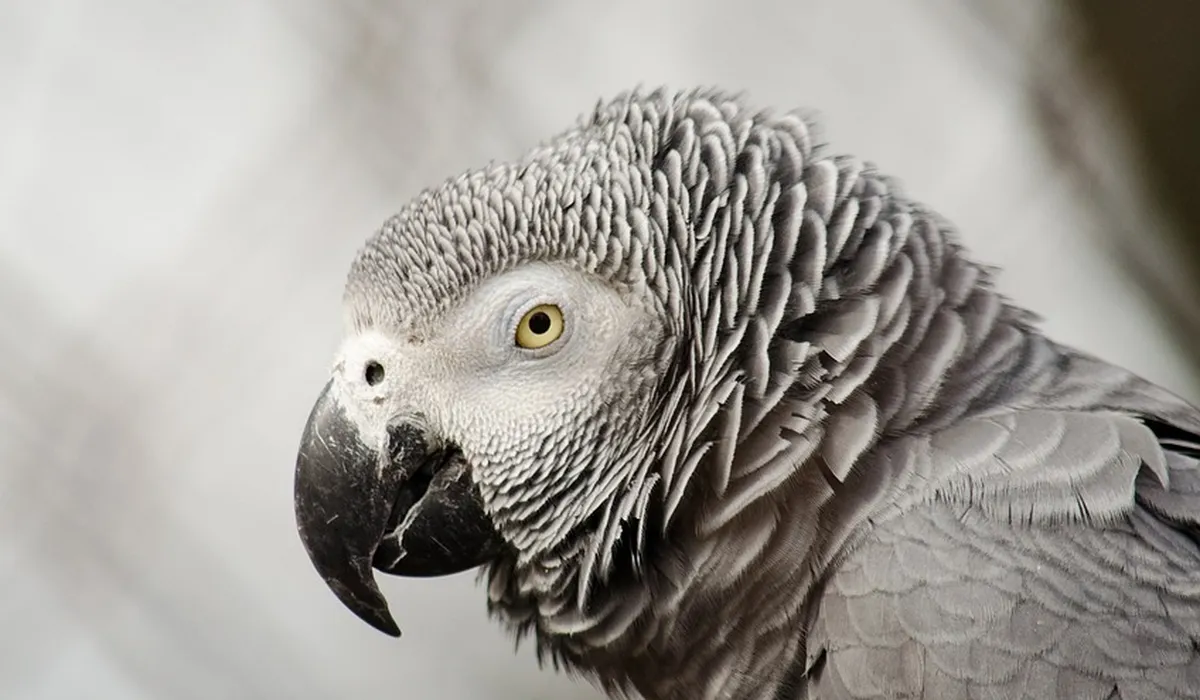
As someone who has cared for parrots like Sage, my African Grey, for years, I know firsthand that your actions can shield these birds from extinction. Every decision you make as a pet owner ripples out to affect wild populations directly. To help you navigate this topic, I’m sharing 10 dangerous parrot care myths that harm your bird.
- Embrace ethical pet care routines: Offer a varied diet rich in fruits and pellets, provide toys for mental enrichment, and schedule regular vet check-ups. With Sage, I’ve found that mimicking her natural foraging habits keeps her engaged and healthy.
- Choose adoption from rescues instead of buying wild-caught birds: Adopting gives a home to birds in need and cuts demand for illegal trapping. When I adopted Sage, I felt proud to support a system that prioritizes animal welfare over profit.
- Get behind conservation groups and awareness drives: Lend your voice to campaigns that highlight the crisis facing African Greys. Sharing posts on social media or talking to fellow bird lovers spreads the word far and wide.
Choosing Responsible Sources
Picking where you get your parrot from is a powerful step toward ethical ownership. Doing your homework on breeders or rescues ensures you’re not accidentally supporting harmful practices. When you weigh adoption versus buying, you can decide which option is right for your home and the parrot. The right choice means a sustainable, loving home for the bird.
- Find reputable breeders or rescues with clear credentials: Look for places that allow visits, share health records, and have glowing testimonials. I always check for certifications and ask lots of questions-it saved me from shady deals with my other birds.
- Avoid birds linked to illegal trade networks: Steer clear of sellers who lack paperwork or offer prices that seem too good to be true. Opting for legal sources helps dismantle the poaching chains that threaten African Greys.
Supporting Conservation Efforts
Your support can extend beyond your home to make a real difference in the wild. Joining forces with dedicated organizations amplifies your impact on saving these parrots.
- Connect with groups focused on habitat and anti-poaching work: Organizations like the World Parrot Trust run projects in Africa to protect forests and curb illegal trafficking. Your involvement helps fund research and rescue operations that I’ve seen yield positive results.
- Donate or volunteer your time to boost their missions: Set up recurring donations for steady support or join local events to educate others. I’ve volunteered at bird fairs and found it rewarding to see communities rally for conservation.
FAQs
What is the lifespan of African Grey Parrots in captivity versus the wild?
In captivity, they can live up to 50-60 years with proper care and a balanced diet. In the wild, their lifespan is shorter, often 20-30 years, due to predators, disease, and environmental pressures. A parrot lifespan guide shows how long different species typically live. Some species exceed 50 years, while others live only a couple of decades.
How can I tell if an African Grey Parrot is stressed due to past trauma from illegal trade?
Look for behaviors like excessive feather plucking, heightened fear of humans, and unusual aggression. If you’re trying to stop your parrot from plucking its feathers, identify stressors and increase enrichment. Providing a calm, enriched environment and consulting an avian expert can help address these issues over time.
Are there any successful conservation programs that have increased African Grey Parrot populations?
Yes, initiatives by groups like the World Parrot Trust have led to habitat protection and reduced poaching in areas like Cameroon and Ghana. Community engagement and artificial nest box programs have also supported breeding success in some regions.
A Future in Our Hands
Protecting African Grey Parrots requires a multi-pronged approach: supporting habitat conservation, combating the illegal pet trade, and promoting responsible captive breeding programs. Our collective action can reverse their decline, starting with informed choices about where and how we acquire these intelligent birds.
As a caretaker to Sage, my African Grey, I’ve learned that true pet ownership is a lifelong commitment to learning and providing the best possible life. Choose to adopt, never support the wild bird trade, and continually educate yourself on proper parrot care to ensure these magnificent creatures thrive for generations. These bonding techniques that work involve short, regular sessions and positive reinforcement. Patience and routine are the foundations.
Further Reading & Sources
- African grey parrots: talk about an endangered species! | ZSL
- Grey parrot – Wikipedia
- African Grey Parrot: Species in Decline | Bird Academy • The Cornell Lab
Suzanne Levine is a dedicated parrot enthusiast and experienced avian caregiver with over 15 years of hands-on experience in parrot care. As the founder of Parrot Care Central, Suzanne is passionate about sharing her knowledge and insights to help fellow parrot owners provide the best possible care for their feathered friends. Her expertise spans nutrition, behavior, health, and enrichment, making her a trusted resource in the parrot care community.
African Grey Parrots