
Common Health Issues That Affect a Parrot’s Lifespan
Published on: March 11, 2026 | Last Updated: March 11, 2026
Written By: Suzanne Levine
You look at your vibrant, chattering feathered friend and feel a knot of worry-what if something is wrong and you don’t see it? That quiet fear is one of the hardest parts of sharing your life with a parrot. I’ve been there too, with my playful Green-cheek Kiwi and my affectionate Sun Conure, Sunny.
Seeing them thrive means understanding the hidden hurdles they face. I want to help you spot the subtle signs and give your bird the best shot at a long, joyful life. We will walk through the essential points together.
Three core ideas will guide our discussion:
Parrots are masters at hiding illness until they are very sick, so knowing the quiet signs is your superpower.
Many major health problems are directly tied to diet, environment, and mental stimulation-things you can control.
Proactive, preventive care from a specialized avian vet isn’t optional; it’s the single most important thing you can do.
Different parrot species share common health risks, so prevention should be species-informed.
Tailoring diet, enrichment, and preventive visits to your species helps you avert problems before they start.
You’ll leave with clear, actionable advice you can use today. We’ll cover the specific issues that shorten a parrot’s life and exactly how to prevent them. We’ll also show you how to create a long-term care plan for your parrot to keep them healthy and safe for years.
The topics we’ll explore include: Feather plucking and destructive behaviors, Fatty liver disease and nutritional deficiencies, Respiratory infections and air quality hazards, Psittacine Beak and Feather Disease (PBFD), and The critical importance of avian veterinary partnerships.
First Clues: Spotting Early Signs of Sickness
Watching your parrot every day is your superpower. I learned this with Kiwi, my green-cheek. One Tuesday, he just sat quietly on his perch, feathers slightly puffed. He wasn’t screaming for my morning coffee like usual. That tiny change in his normal, chaotic energy was my first red flag. Your parrot’s normal behavior is the baseline; any shift from that, no matter how small, is a message you need to hear.
Behavioral Red Flags
Birds are masters at hiding weakness. Look for these subtle shifts:
- Lethargy or Sleepiness: Napping more, less interested in toys or play.
- Change in Vocalization: A loud bird gets quiet, or a quiet one starts screaming.
- Personality Flip: A friendly bird becomes grumpy or bites, a cuddly one wants to be alone.
- Posture Changes: Sitting low on the perch, feathers constantly fluffed to conserve heat.
- Stops Preening: A messy, unkempt bird is often a sick bird.
Physical Symptoms You Can’t Ignore
Pair behavior with what you see. Check the cage bottom every day-it tells a story.
- Dropping Drama: Color change (very green or yellow), increase in urine (the white part), or undigested seed in feces.
- Appetite Abandonment: Full food dish at the end of the day, or picking at favorite treats.
- Signs of Dehydration: Skin on the feet looks wrinkly or scaly. The eyes may appear sunken.
- Respiratory Signs: Tail bobbing with each breath, wheezing, or sneezing.
- Visible Lumps or Swelling: On the body, around the eyes, or near the vent.
The moment you see a cluster of these signs, time becomes critical. I never wait “to see if it gets better.” With birds, by the time they look really sick, they are often in serious trouble. That fast action with Kiwi, getting him to the avian vet that same day, is what turned a potential crisis into a manageable treatment.
Viral Villains: PBFD and Polyomavirus
Some threats to a parrot’s long life are stealthy and cruel. Viral diseases like PBFD and Polyomavirus are my biggest fears as an owner. They spread silently and can be devastating, which is why I’m so strict about quarantine for any new bird. I’ve seen the aftermath in rescue circles, and it leaves a permanent mark. Once quarantine is behind us, the real work of socializing begins. I follow a step-by-step introduction guide to help my parrot acclimate to people and other birds safely.
Polyomavirus, often called “Budgerigar Fledgling Disease,” is a grim reaper for chicks and young birds. It attacks rapidly, causing internal bleeding and organ failure. An adult bird might survive but become a lifelong carrier, shedding the virus and threatening others. It spreads through feather dust, droppings, and even on your hands or clothes. The only real prevention is strict hygiene and demanding a clean health certificate from any breeder or seller.
The Reality of Psittacine Beak and Feather Disease
PBFD is a heartbreaker. It’s a circovirus that attacks the feather and beak follicles and demolishes the immune system. There is no cure. I helped care for a rescue cockatoo named Mango with advanced PBFD, and it changed my perspective on everything.
The progression is a slow, painful decline to witness:
- Feathers grow in abnormally, break easily, or fall out and never regrow.
- The beak becomes overgrown, brittle, and may crack or deform, making eating painful.
- Because the immune system fails, the bird succumbs to secondary infections-yeast, bacteria, other viruses.
Management is about palliative care: keeping them warm, feeding soft foods, treating endless infections. The emotional toll is heavy, watching a vibrant creature slowly lose its defining beauty and strength. The only defense is prevention—avoiding exposure, testing new birds before introducing them to your flock, and supporting reputable breeders who test their breeding stock. In practice, an annual veterinary check-up should be part of every parrot’s preventative care routine. A yearly exam can detect subtle health changes early and guide you in nutrition, enrichment, and overall care. These diseases remind us that protecting a parrot’s lifespan isn’t just about good food and toys; it’s about vigilant, proactive healthcare from day one.
Bacterial and Fungal Foes: Infections in the Lungs and Beyond
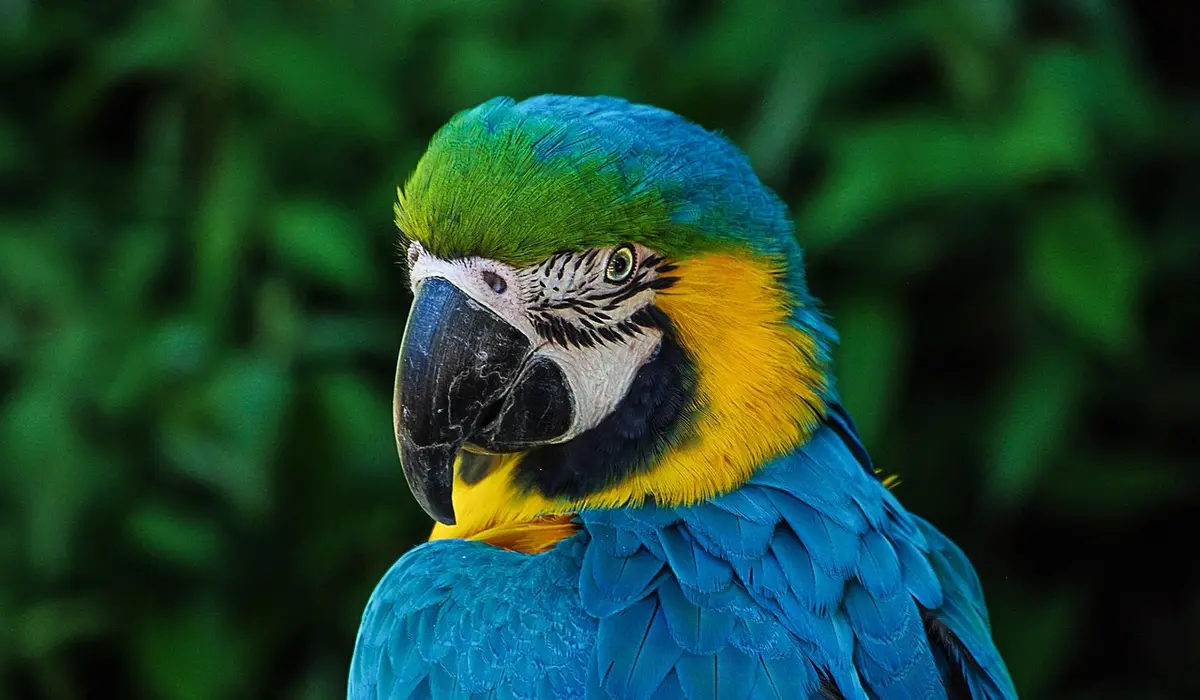
Your parrot’s vibrant life can be quietly threatened by microscopic invaders you might not see coming. Bacteria and fungi are common in the environment, but in a parrot’s delicate body, they can spark serious infections that damage organs and cut years off their life. This issue is a central topic in our complete guide to the most common parrot health concerns. In it, you’ll learn how to prevent and recognize these infections early, and what steps to take to protect your bird.
Common bacterial infections like E. coli and Salmonella do far more than cause a messy cage. These bacteria can invade the bloodstream, creating systemic effects that include severe lethargy, sudden weight loss, and dangerous organ inflammation. I learned this the hard way when Kiwi, my Green-cheeked, once picked up a bug from a contaminated toy; his usual playful energy vanished overnight.
Psittacosis, known as Parrot Fever, is a stealthy bacterial disease with a double danger. Caused by Chlamydia psittaci, it’s zoonotic, meaning it can spread from your bird to you. For parrot owners, understanding psittacosis is essential. This parrot fever guide helps you recognize early signs, prevent spread, and know when to seek veterinary care. For parrots, chronic infection leads to permanent respiratory scarring and a weakened constitution, silently shortening their lifespan.
Fungal spores, particularly from Aspergillus molds, wage a silent war on the respiratory system. They attack the lungs and delicate air sacs, areas crucial for a bird’s efficient breathing. Spores float in dusty or damp air, settling in to grow and obstruct airways.
The Shadow of Aspergillosis
Aspergillosis is a fungal infection that slowly strangles a parrot’s vitality by robbing them of breath. It creates fungal plaques in the air passages, leading to labored breathing, a persistent wheeze, and a tell-tale bobbing tail with each effort. The bird’s whole spirit dims as they use all their energy just to draw air.
Risk factors for this insidious foe are environments we can control. Poor ventilation, high humidity, and damp bedding or food create a perfect breeding ground. After adopting Sage, my African Grey, I made sure his room had constant, gentle air flow to keep those spores at bay-it’s a non-negotiable for parrot welfare.
Crop and Digestive Disasters
Bacterial and fungal troubles often target the digestive tract, starting with the crop. Crop stasis, where food stops moving, can be triggered by infections like candidiasis (yeast) or bacterial overgrowth. This leads to a sour, swollen crop, regurgitation, and rapid decline if not addressed quickly.
The Diet Disaster: Nutritional Deficiencies and Metabolic Mayhem
What you feed your parrot is the single biggest factor you control for their long-term health. A poor diet acts like slow poison, creating deficiencies that erode their body’s foundations and lead directly to life-shortening diseases. In short, a parrot’s diet directly influences its lifespan and overall health, as highlighted by the fact that a parrot diet affects lifespan. Choosing a balanced, varied, nutrient-rich diet can promote longevity and vitality.
Hypovitaminosis A, a lack of Vitamin A, is a widespread crisis from seed-only meals. Symptoms you might see include:
- Swollen, crusty eyelids or nostrils.
- Frequent sneezing and respiratory infections.
- Dull, ragged feathers and poor skin health.
Calcium deficiency is another silent saboteur, especially for egg-laying females. Watch for weak, rubbery bones, difficulty laying eggs, and muscle twitches or seizures. I always keep a cuttlebone in Sunny’s cage and offer leafy greens to bolster her calcium naturally.
Fatty Liver Disease and Obesity
A seed-heavy diet is a direct path to obesity and its deadly partner, fatty liver disease. The liver gets clogged with fat, becoming swollen and unable to function, which is often fatal. Gout, a painful buildup of uric acid crystals in the joints, is a related metabolic disorder fueled by poor nutrition and dehydration.
Heart and Organ Health
The heart, liver, and kidneys are all victims of a bad diet. Nutritional imbalances contribute to cardiomyopathy, a weakening of the heart muscle. Liver disease and kidney failure are common endpoints for parrots whose diets lack essential vitamins and are too high in fat and protein. Feeding a balanced, pellet-based diet with fresh veggies isn’t just a choice-it’s a responsibility we have for their entire well-being.
Unwelcome Guests: Parasite Problems Inside and Out
Imagine tiny, unwanted hitchhikers making a home on your parrot. External parasites, like mites and lice, are more than just a creepy nuisance. These pests feast on skin and feathers, causing intense irritation that leads to frantic scratching and feather damage. I remember when my Green-cheeked Conure, Kiwi, started rubbing her head excessively on her perch; a close look with a magnifying glass revealed the faint movement of mites. That constant itch is pure stress for a bird, weakening their immune system over time.
Inside the body, a different battle can rage. Internal parasites, including worms and protozoa like giardia, hijack your parrot’s digestive system. They steal vital nutrients right from the gut, leaving your bird malnourished no matter how well you feed them. This silent theft can slowly damage organs and stunt growth. My avian vet always says a healthy gut is a happy bird, and parasites are the ultimate gut health saboteurs.
Spotting these problems early is your best defense. Here is a simple list of signs to watch for every day.
Signs of External Parasites
- Visible tiny bugs or white specks (lice eggs) near the feather shafts.
- Restless behavior and constant preening or scratching.
- Patchy feathers, bald spots, or a generally ragged appearance.
- Red, irritated skin you might see when they stretch a wing.
Signs of Internal Parasites
- Unexpected weight loss even with a good appetite.
- Changes in droppings: unusually watery, foul-smelling, or with visible worms.
- A dull, flaky beak or poor feather quality from nutrient loss.
- General lethargy or a swollen abdomen.
Female Parrot Health: The Risks of Egg Binding and Chronic Laying
For female parrots, reproductive health is a major lifespan factor. Egg binding is a true emergency where an egg gets stuck inside. The bird cannot pass it, leading to rapid toxicity, organ failure, and death within hours if untreated. I’ve rushed a friend’s cockatiel to the emergency clinic for this; the bird was straining, panting, and visibly distressed. It’s a heart-stopping situation that demands immediate vet care.
Beyond single emergencies, chronic egg laying wears a hen’s body down. She might lay clutch after clutch, depleting her calcium and protein reserves. This can lead to egg yolk peritonitis, a dangerous condition where yolk material leaks into the body cavity, causing severe inflammation. It’s a slow drain on her vitality, making her susceptible to fractures and other illnesses. My Sun Conure, Sunny, went through a phase of frequent laying until we adjusted her environment.
Prevention focuses on making her environment less “nest-friendly.” Your management choices make all the difference. Here is my practical advice based on what worked for my flock.
How to Prevent Reproductive Issues
- Limit daylight hours to 10-12 hours using a cage cover to simulate non-breeding seasons.
- Remove any enclosed, dark spaces like nest boxes, huts, or even empty cardboard boxes they can claim.
- Rearrange cage toys and perches frequently to disrupt any sense of a stable territory.
- Ensure a balanced diet without excessive fatty seeds or warm, mushy foods that can trigger breeding behavior.
- Provide plenty of supervised out-of-cage time for exercise and mental stimulation to reduce hormonal focus.
Accidents and Hidden Poisons: Environmental Hazards
Our homes, safe for us, are minefields for parrots. A split-second accident can tragically end a long life.
Simple household moments turn dangerous: an open toilet bowl for a curious conure, an unattended pot of boiling water, a ceiling fan left on, or a window mistakenly thought to be closed. These are heartbreaks I’ve heard too many times. My own Kiwi, the Green-cheek, once got his tiny foot caught in a loose thread on a towel. It was a panicked minute that taught me to scan every room for dangling strings, loose wires, and small gaps behind furniture.
Silent Killers: Heavy Metal Poisoning
Beyond obvious dangers lurk invisible ones. Old bird toys, costume jewelry, some cage paints, and even the weights in cheap curtains can contain lead or zinc.
- Lead poisoning causes weakness, seizures, and irreversible damage to the nervous system and kidneys. It’s a slow, cruel thief of life.
- Zinc toxicity often comes from galvanized wire or metal clips. It leads to vomiting, feather picking, and a suppressed immune system, leaving your bird open to every passing bug.
I’m militant about toy sourcing now. If a toy’s paint chips easily or a metal part looks cheap, it’s gone. Stick with reputable brands that specifically state their products are bird-safe and free of toxic metals.
A Toxic Menu: Other Household Poisons
Parrots explore with their beaks. Assume everything goes in the mouth. Here’s my personal “never” list:
- Non-stick cookware (PTFE/PFOA): Overheated pans release odorless fumes that can kill a bird in minutes. I threw all mine out years ago.
- Cleaning aerosols, strong perfumes, and scented candles: Their lungs are incredibly sensitive. I clean with vinegar and water when the birds are in another room.
- Certain plants: Lilies, philodendron, and oleander are pretty but poisonous. Research every green thing in your home.
- Human medications and foods: Chocolate, avocado, caffeine, and alcohol are absolute no-gos. Keep pills far, far away.
The Mind-Body Link: Stress, Feather Plucking, and Chronic Disease
A parrot’s emotional health isn’t separate from its physical health; they are woven from the same thread. Chronic stress is like a constant, low-grade fever that wears the whole system down. If you’re unsure about a parrot’s state of mind, learn how to read its body language to tell if it’s happy or stressed.
Feather plucking is the most visible scream of internal distress, but it’s more than a cosmetic issue. The broken skin invites bacterial and fungal infections. The constant energy spent on this obsessive behavior drains resources from the immune system. A stressed, plucking bird isn’t sleeping well, isn’t eating optimally, and is constantly flooded with stress hormones. It’s a perfect storm for chronic illness.
When Behavior Becomes a Health Crisis
Issues born from boredom or anxiety spiral. A bird that chews its skin raw can develop a life-threatening abscess. A parrot so fearful it frantically flaps in its cage can break a blood feather. I’ve seen a sweet rescue bird pick a wound so deep it required surgical intervention-her past trauma literally eating away at her present body. The recovery was long, and it started not with antibiotics, but with rebuilding her sense of safety.
Building a Sanctuary: My Approach to Low-Stress Living
Creating calm isn’t about a silent house; it’s about predictable, positive engagement. Here’s what works in my flock’s world:
- Routine is king. My birds know when the covers come off, when breakfast arrives, and when “wind down” time begins. This predictability builds immense security.
- Foraging is therapy. I hide 90% of their food in paper cups, shreddable boxes, and puzzle toys. My African Grey, Sage, will work for 30 minutes to get a pine nut. This occupies their minds, satisfying a deep natural need.
- Choice and control matter. They have multiple perches at different heights and in different rooms. Sometimes Sunny, my Sun Conure, wants to scream-sing with the radio. Sometimes Kiwi wants a quiet nap in his corner hut. Both options are available.
- Respect the need for sleep. Ten to twelve hours of solid, dark, quiet sleep is non-negotiable in my home. It’s when their bodies truly repair and recharge. A sleep-deprived parrot is a grumpy, sickly parrot.
Watch your bird. Their body language tells you everything. Puffed feathers, pinned eyes, and heavy breathing signal panic. Soft eyes, relaxed posture, and playful chirps show contentment. Your job is to be a detective for their well-being, creating a life where contentment is the default, not the exception.
Common Questions
What are the most common health issues that shorten a parrot’s lifespan?
Key issues include nutritional deficiencies, fatty liver disease, and viral infections like PBFD, which often arise from poor diet or environment. Respiratory diseases and untreated bacterial infections also significantly reduce longevity by causing chronic organ damage.
What is the impact of Psittacosis (Parrot Fever) on a parrot’s health and longevity?
Psittacosis leads to chronic respiratory scarring and a weakened immune system, making parrots prone to secondary infections. Over time, this bacterial disease can cause severe organ stress, shortening their lifespan without proper treatment. In affected birds, respiratory health can deteriorate, resulting in breathing difficulties and signs of lung disease such as coughing or wheezing. Early veterinary care is essential to manage these breathing problems and protect overall parrot health.
What are the symptoms and consequences of Proventricular Dilatation Disease (PDD) in parrots?
Symptoms include chronic weight loss, regurgitation, and undigested food in droppings due to nerve damage in the digestive tract. Changes in droppings can be early warning signs. Normal poop is typically well-formed; persistent changes warrant a vet check. This progressive disease often results in malnutrition and fatal complications, drastically cutting a parrot’s life short.
How do internal parasites (e.g., worms, protozoa) impact a parrot’s health and longevity?
Internal parasites drain vital nutrients, leading to malnutrition and weight loss even with adequate feeding. This stealthy theft can cause long-term organ damage and a weakened constitution, reducing lifespan if not addressed early.
What are the long-term effects of heavy metal poisoning (e.g., lead, zinc) in parrots?
Heavy metal poisoning causes irreversible neurological damage, kidney failure, and a compromised immune system. These cumulative effects lead to a decline in overall health and can prematurely end a parrot’s life without immediate intervention.
In Closing
Your parrot’s vibrant life depends on your watchful care and quick action. I’ve learned from my flock-like how Sunny’s social nature means isolation can lead to plucking-that a balanced diet, clean environment, and yearly vet checks are non-negotiable. Spotting tiny shifts, like a dull feather or less chatter, lets you tackle health hiccups before they shorten your bird’s years.
Caring for a parrot is a lifelong promise to learn and adapt. I advocate for every bird’s right to thrive, so keep exploring new care tips and sharing stories with other owners. Your dedication to growing your knowledge is the surest way to share a long, joyful journey with your feathered companion.
Further Reading & Sources
- Parrot Lifespan: How Long Do Pet Parrots Live? | Turlock Vets
- How Long Do Parrots Live? | PetMD
- Parrot Lifespan: How Long Can Parrots Live? | Rabun County Vets | what is the lifespan of a parrot
Suzanne Levine is a dedicated parrot enthusiast and experienced avian caregiver with over 15 years of hands-on experience in parrot care. As the founder of Parrot Care Central, Suzanne is passionate about sharing her knowledge and insights to help fellow parrot owners provide the best possible care for their feathered friends. Her expertise spans nutrition, behavior, health, and enrichment, making her a trusted resource in the parrot care community.
Health & Wellness