
Common Health Issues That Affect a Parrot’s Lifespan
Published on: March 11, 2026 | Last Updated: March 11, 2026
Written By: Suzanne Levine
You might be lying awake at night, wondering if your parrot’s sneeze or change in appetite is a sign of something serious that could shorten their life. I’ve felt that knot in my stomach too, watching my Green-cheeked Conure Kiwi act a bit off and rushing to figure out why.
Drawing from years of caring for parrots like my playful Kiwi and social Sunny, I’ll guide you through spotting and tackling health problems early. We’ll cover three key areas to help your parrot thrive:
- How to recognize subtle signs of illness before they become emergencies
- Why a balanced diet is your best defense against common diseases
- The lifesaving role of regular vet check-ups and proactive care
Rest easy-you’ll walk away with straightforward tips to protect your bird’s well-being. Topics covered: nutritional deficiencies, respiratory infections, feather destructive behavior, psittacosis, obesity, and aging-related concerns
Infectious Diseases That Steal Precious Years
Infectious diseases can drastically shorten a parrot’s life if left unchecked. I’ve seen how quickly conditions like PBFD and Psittacosis can progress, so staying vigilant is non-negotiable for any parrot owner, especially when dealing with species prone to infections.
- PBFD (Psittacine Beak and Feather Disease): This viral illness leads to severe feather loss, beak deformities, and immune system weakness. Birds may appear ragged and struggle to preen or eat properly.
- Psittacosis (Chlamydiosis): A bacterial infection causing respiratory distress, lethargy, and nasal discharge. It often mimics a bad cold but can escalate to life-threatening pneumonia.
Preventing these diseases starts with simple, consistent habits. Quarantine new birds for at least 30 days to avoid introducing illnesses to your flock, as I did when bringing home Kiwi, my Green-cheeked Conure. Following a 30-day quarantine protocol for every new bird helps ensure you catch problems before they join the flock. Regular vet checks catch issues early, and strict hygiene like disinfecting cages reduces contamination risks.
- Isolate new arrivals in a separate room
- Book annual avian vet appointments
- Clean food bowls and perches daily with bird-safe products
These diseases spread through airborne particles, feather dust, or contaminated surfaces. Younger parrots and species like African Greys or cockatoos face higher susceptibility, potentially cutting their lifespan by years if infected early. For example, PBFD is often fatal in juveniles, while Psittacosis can be managed with antibiotics if detected promptly.
Fungal Foes: Aspergillosis and Candidiasis
Fungal infections creep in when environments are less than ideal, threatening your parrot’s respiratory and digestive health. Aspergillosis and Candidiasis flourish in damp, stagnant spaces, leading to symptoms like labored breathing and appetite loss.
- Aspergillosis: Caused by mold spores in humid areas, it triggers wheezing, fatigue, and weight drop as fungi invade the air sacs.
- Candidiasis: This yeast overgrowth results in white mouth patches, diarrhea, and general malaise, often linked to poor diet or stress.
Key risk factors make parrots more vulnerable to fungal attacks. Early detection through vet tests allows for antifungal treatments and habitat adjustments, giving your bird a fighting chance. Keep an eye out for musty smells or visible mold, which are red flags.
- Risk factors: High humidity, inadequate ventilation, unclean water sources
- Treatment options: Oral antifungals, environmental decontamination, dietary improvements
I learned this the hard way with Sunny, my Sun Conure, when I spotted mold near his perch. By adding a small dehumidifier and boosting airflow, I prevented a full-blown outbreak and kept his spirits high. Regular habitat checks and quick action are essential for safeguarding your parrot from these stealthy invaders.
Nutritional Deficiencies: The Silent Lifespan Robbers
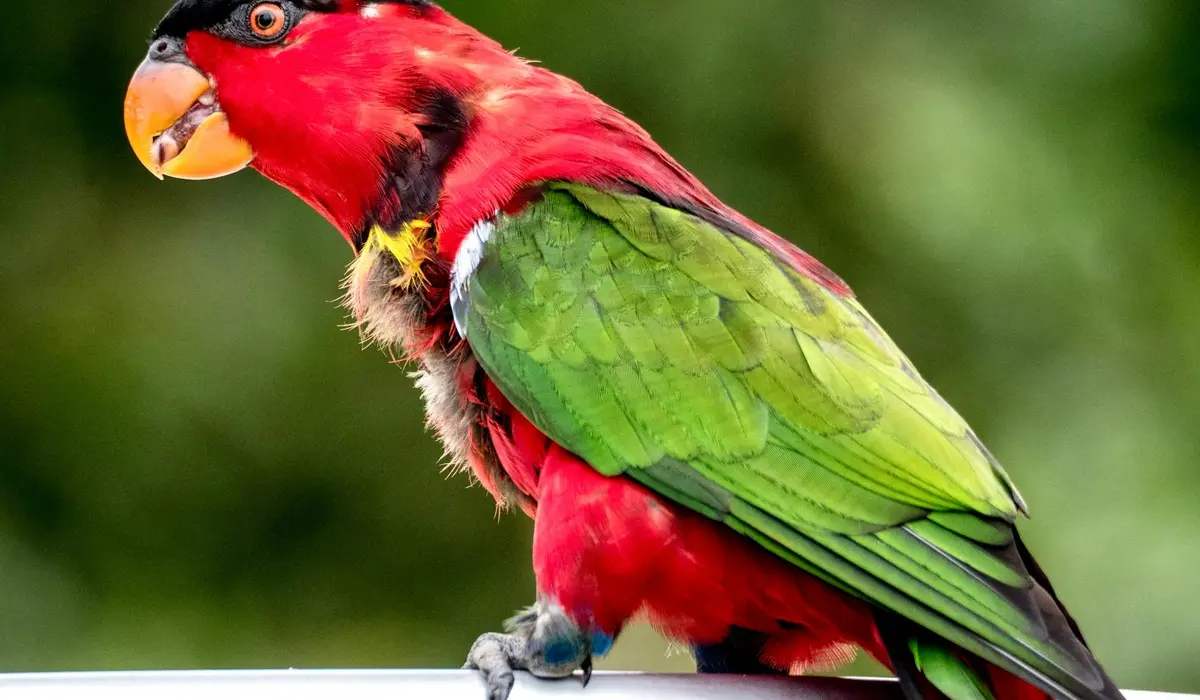
Vitamin A deficiency often shows up as respiratory infections or dull feathers because it weakens their immune system. I noticed Kiwi’s energy dip when his diet lacked colorful veggies, so I started adding sweet potatoes and kale to his meals.
Calcium shortages lead to brittle bones and can cause egg-binding in female parrots. Sunny’s vet warned me that low calcium makes birds prone to fractures, so I keep cuttlebone in her cage at all times.
Vitamin D works with calcium for strong bones, and without enough, parrots struggle to absorb nutrients. Natural sunlight or full-spectrum lights helped Sage’s mood and bone health immensely after I saw him become lethargic.
Build a Balanced Diet Step-by-Step
- Start with high-quality pellets as the base-they’re packed with essential vitamins.
- Mix in fresh veggies like carrots and spinach for Vitamin A boosters.
- Offer calcium-rich foods such as broccoli or fortified supplements.
- Limit fruits to prevent sugar overload; berries and apples are great in small amounts.
- Always provide clean water and avoid seed-heavy diets that lack nutrients.
Obesity and hepatic lipidosis sneak up when parrots eat too many fatty foods, stressing their liver. Watching Kiwi’s weight taught me that portion control is key to avoiding life-threatening fat buildup. Regular weigh-ins help keep their weight within healthy ranges and are essential for obesity prevention in parrots. Consistent weight management supports liver health and overall well-being.
Foods to Avoid and Embrace
- Harmful items: Avocado, chocolate, salty snacks, and sugary treats-these can cause organ failure.
- Beneficial picks: Dark leafy greens, bell peppers, whole grains, and lean proteins like cooked eggs.
Toxic Threats: Heavy Metals and Household Poisons
Lead toxicity triggers neurological symptoms like seizures or balance loss, often from old paint or cheap toys. I once found an antique cage with chipped paint that could have harmed Sunny, so I swapped it for a safe, modern one immediately.
Zinc poisoning causes vomiting and weakness, commonly from galvanized metals in cages or hardware. Regularly inspecting toys for rust or wear has saved my birds from accidental ingestion.
Parrot-Proofing Your Home Checklist
- Check all cages and perches for non-toxic, powder-coated materials.
- Remove plants like lilies or philodendrons that are poisonous if nibbled.
- Secure cleaning supplies and pesticides in locked cabinets away from curious beaks.
- Avoid non-stick cookware-its fumes can be deadly when overheated.
- Scan rooms for small objects that could be swallowed, like coins or batteries.
If you suspect poisoning, rush to an avian vet without delay-every minute counts. When Sage showed odd behavior after chewing a questionable toy, the vet’s quick treatment prevented long-term damage.
Chronic and Reproductive Health Challenges
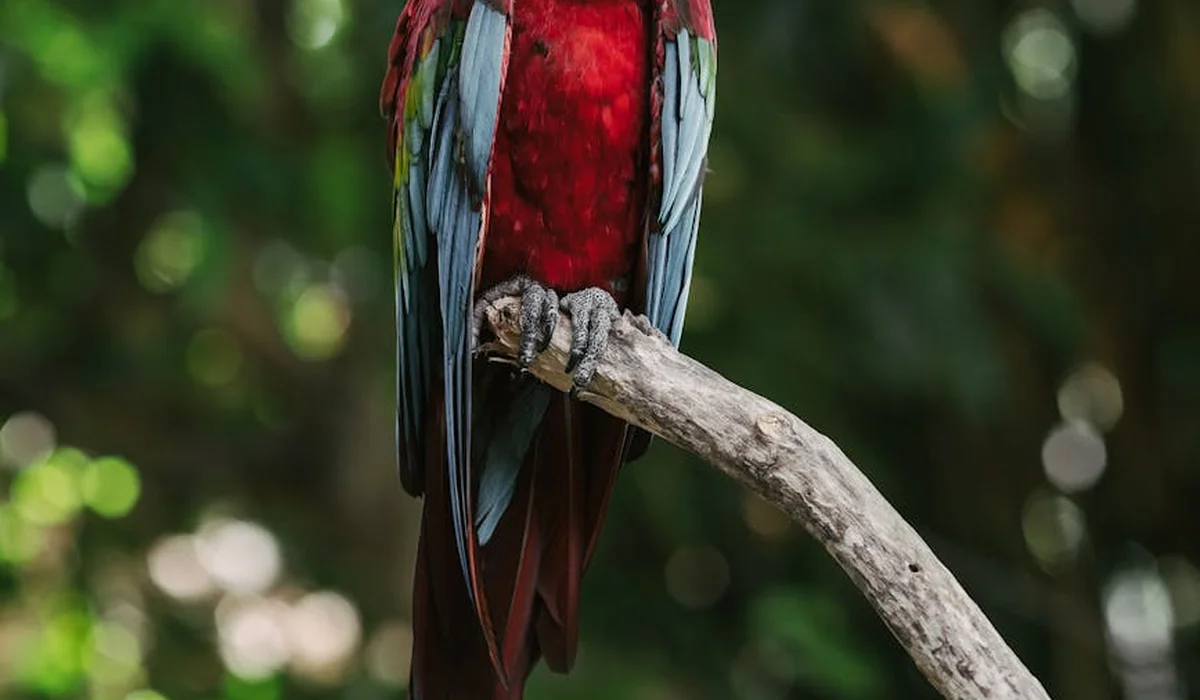
Chronic issues can creep up on your parrot, impacting their quality of life over many years. I’ve learned through caring for my own flock that early recognition of subtle signs is your greatest defense against long-term suffering. When behavioral changes occur, seeking professional help from an avian vet or an experienced trainer can provide tailored guidance. Early consultation can prevent frustration for both you and your bird.
Common Chronic Conditions and Their Signs
- Egg Binding: A hen is unable to pass an egg. Watch for straining, a fluffed-up appearance, weakness, or sitting at the bottom of the cage.
- Egg Yolk Peritonitis: This is a severe internal infection that occurs when egg material leaks into the body cavity. Symptoms include a swollen abdomen, lethargy, and difficulty breathing.
- Chronic Respiratory Infections: Look for persistent sneezing, nasal discharge, labored breathing (you might see their tail bob with each breath), and a general lack of energy.
Managing Stress and Chronic Disease
A stressed parrot is an unhealthy parrot. Creating a predictable, calm environment is the single most effective thing I do to manage my parrots’ chronic conditions and prevent flare-ups. Whether a parrot is calm, scared, or stressed, a steady routine helps keep them healthy. A calm, scared, stressed parrot benefits from gentleness and consistency every day.
- Provide a consistent daily routine for feeding, play, and sleep (10-12 hours of darkness).
- Offer safe hiding spots and perches at different cage levels so they can retreat if frightened.
- Use positive reinforcement training to build confidence instead of fear.
- For diagnosed illnesses, work closely with your vet on a long-term care plan, which may include specialized diets or medication.
The Hidden Danger of Parasites and Mites
It’s easy to dismiss a little extra scratching, but parasites are a silent drain on your bird’s vitality. An untreated mite or parasite infestation doesn’t just cause itching; it leads to malnutrition, feather destruction, and a severely compromised immune system, opening the door to every other illness. My green-cheek, Kiwi, once had a minor mite issue that made her so focused on preening she stopped playing. Regular vet checks caught it before it became a major problem.
Proactive Prevention for a Longer, Happier Life
Shifting from reactive treatment to proactive care is the secret to adding years to your parrot’s life. Think of your care routine not as a chore, but as an investment in a future filled with more happy chirps and head bobs.
The Non-Negotiable Vet Visit
Annual check-ups are a must, but for older birds or those with known issues, I go every six months. A thorough avian vet visit should include a physical exam, weight check, and often a fecal test for parasites and a blood panel to check organ function and nutrient levels. This baseline data is priceless for spotting trends over time.
Building a Fortress of Health: Diet, Exercise, and Mind
Longevity is built day by day with the choices you make.
- Diet: Move beyond a seed-only diet. I make a daily “chop” of fresh veggies, a bit of fruit, and soaked legumes for my flock. A high-quality pellet should be the dietary foundation. This variety boosts their immune system directly.
- Exercise: Parrots need several hours outside the cage daily for flight or climbing. This keeps their cardiovascular system strong and prevents obesity.
- Mental Stimulation: A bored parrot is a candidate for feather plucking and depression. Rotate their toys weekly, teach them simple tricks, and offer foraging puzzles where they have to work for their food.
My Personal Health Monitoring Routine
I’ve developed a simple daily check-in that takes just minutes but tells me everything. Every morning during cage cleaning, I do a quick visual assessment of each bird’s eyes, nares (nostrils), beak, and feathers, and I note their energy level and appetite. I keep a small notebook to jot down anything unusual. As my African Grey, Sage, has gotten older, I’ve adapted by adding softer foods and more low-perch options to make his life easier. This constant, gentle observation lets you catch tiny changes before they become big emergencies.
FAQs
How long do parrots typically live in captivity?
Parrots can live for decades in captivity, with some species reaching over 50 years. Proper care, diet, and environment are key to achieving their full lifespan potential when compared to the wild.
Do different parrot species have significantly different lifespans?
Yes, parrot lifespans vary widely by species, from 15-20 years for smaller parakeets to 60+ years for larger macaws. Researching your specific parrot’s typical lifespan helps in planning long-term care. A concise parrot lifespan guide shows how long different species tend to live. It also highlights factors that influence longevity so you can plan for care across decades.
What signs indicate aging or elderly status in parrots?
Common signs of aging in parrots include reduced activity levels, graying or dulling feathers, and increased susceptibility to illness. You might also notice changes in appetite or more time spent resting. For senior parrots, this often means special care and regular veterinary checkups. Tailored diets and enrichment help aging birds stay comfortable.
How should owners prepare for long-term caregiving for aging parrots?
Owners should establish a savings fund for potential vet bills and adapt the home environment for easier access. It’s also wise to arrange for a trusted caregiver in case of emergencies.
What are the differences in lifespan expectations between pet parrots and their wild counterparts?
Pet parrots often live longer due to protection from predators, consistent food, and veterinary care. This is part of why parrots can live so long. In captivity, regular veterinary care and a stable environment support their health. In contrast, wild parrots face threats like habitat loss and disease, which can shorten their lives.
Final Thoughts
Your parrot’s long-term health truly depends on a proactive approach that combines a balanced diet, regular veterinary check-ups, and a safe, enriching environment. Catching subtle changes in their behavior or droppings early can make all the difference, turning a potential crisis into a manageable situation. For a clear overview, this is a complete guide to the most common parrot health concerns. It highlights practical signs to watch for and when to seek veterinary care.
Committing to a parrot is a lifelong journey of learning and adaptation, ensuring you provide the best possible care as their needs evolve. Stay curious, connect with other parrot enthusiasts, and always advocate for the well-being of your feathered companion.
Further Reading & Sources
- How Long Do Parrots Live? | PetMD
- Parrot Lifespan: How Long Can Parrots Live? | Rabun County Vets | what is the lifespan of a parrot
- Parrot Lifespan: How Long Do Pet Parrots Live? | Turlock Vets
Suzanne Levine is a dedicated parrot enthusiast and experienced avian caregiver with over 15 years of hands-on experience in parrot care. As the founder of Parrot Care Central, Suzanne is passionate about sharing her knowledge and insights to help fellow parrot owners provide the best possible care for their feathered friends. Her expertise spans nutrition, behavior, health, and enrichment, making her a trusted resource in the parrot care community.
Health & Wellness