
When is Parrot Mating and Breeding Season? A Friendly Guide
Published on: March 10, 2026 | Last Updated: March 10, 2026
Written By: Suzanne Levine
Are you noticing strange behaviors in your parrot and worrying it might be breeding season? You’re not alone-many owners feel confused or anxious about hormonal changes and what to do next.
I’ve raised parrots like Kiwi, my playful Green-cheeked Conure, and Sunny, a social Sun Conure, so I understand your concerns. I’ll walk you through the essentials to ease your mind and keep your feathered friend healthy. Here are three key takeaways:
- Seasonal triggers vary by species and environment
- Behavioral signs help you spot mating readiness
- Responsible care supports parrot welfare during this time
Rest assured, you’ll get straightforward advice based on my hands-on experience. Topics covered: seasonal timing, behavior cues, health tips, environmental factors, and ethical breeding practices.
What Sparks Parrot Mating Season?
Parrot mating season isn’t just a date on the calendar-it’s a biological symphony conducted by nature’s cues.
Think of it like your parrot’s internal clock getting a seasonal wake-up call from the environment.
- Longer daylight hours signal to their brain that it’s time to reproduce.
- Warmer temperatures mimic ideal nesting conditions found in the wild.
- Hormonal shifts increase, making them more receptive and active.
- Increased rainfall in some regions leads to a boom in food sources.
From my own flock, I watch my Green-cheeked Conure, Kiwi, transform every spring. As the days grow longer, her playful antics become more focused and nest-oriented. She’ll start shredding paper with a new intensity, a clear sign her hormones are kicking into gear.
When Does Parrot Breeding Season Typically Occur?
For most parrots, the main event is spring, aligning with nature’s perfect recipe of abundant food and mild weather for raising chicks. This is a complete guide to feeding their babies, covering nutrition, feeding schedules, and safe weaning practices. By following these steps, you can support healthy growth in fledglings.
This season isn’t a brief moment but a window that can stretch for several weeks or even a few months.
While many species have one primary breeding season per year, some, especially those in more stable tropical climates, might attempt to breed multiple times if conditions are right.
My Sun Conure, Sunny, is a perfect example of a once-a-year breeder, getting very vocal and cuddly each April, while my African Grey, Sage, has shown interest during autumn changes too.
| Region / Climate | Typical Breeding Season Peak |
|---|---|
| Tropical (e.g., Amazon Basin) | Often coincides with the rainy season, which can vary but is frequently late spring. |
| Subtropical / Mediterranean | A distinct spring season, typically from August to January in the Southern Hemisphere. |
| Temperate (in captivity) | Strongly influenced by indoor lighting and climate control, but often peaks in spring (March-June in the Northern Hemisphere). |
| Arid / Desert-adapted species | Timed with sporadic rains and the resulting food availability, which can be less predictable. |
Do All Parrot Species Have the Same Mating Season?
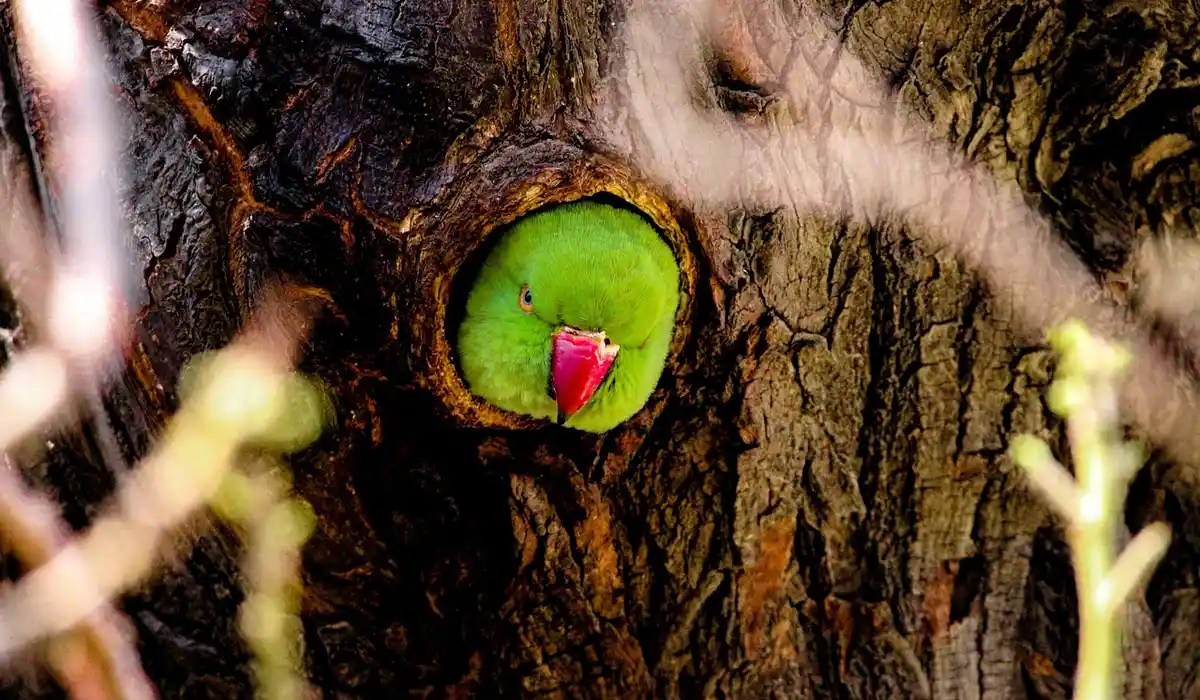
No, parrot species have wildly different mating seasons tied to their native habitats and environmental cues. In my years caring for parrots like Sage and Sunny, I’ve seen firsthand how their breeding cycles don’t sync up at all.
African Greys, such as my smart Sage, often respond to longer daylight hours and may show breeding readiness in spring or early summer. Quaker parrots, by contrast, can have two breeding peaks yearly-spring and fall-due to their adaptability. Sunny, my social Sun Conure, gets frisky in late spring, with vibrant calls and nest-chewing antics that differ from Sage’s calmer, more methodical approach.
Here’s a quick list of common pet species and their typical breeding windows based on my observations and general knowledge:
- African Grey Parrot: Spring to early summer, with some variation in captivity.
- Sun Conure: Late spring through summer, often triggered by warmth and light changes.
- Green-cheeked Conure: Spring and summer, similar to Sun Conures but may start earlier.
- Quaker Parrot: Spring and fall, adapting to seasonal shifts in their environment.
- Budgerigar: Can breed year-round in stable indoor settings, with peaks in warmer months.
Always consider your parrot’s origin and consult an avian vet to tailor care. Advocating for animal welfare means never forcing breeding and ensuring your bird’s health comes first. It’s crucial to use avcian vets who specialize in bird care.
Recognizing Mating Season Signs in Your Parrot
Spotting mating season cues early helps you support your parrot without stress. Watch for courtship behaviors like increased vocalizations, where your bird might chirp or squawk more to attract a mate.
Feather displays are common-parrots fluff up to look bigger or show off colors. Nest-building attempts, like shredding paper or hiding in dark corners, signal breeding mode. With Sage, my African Grey, I’ve noted her vent swelling slightly and her appetite surging as physical signs she’s ready.
Follow these steps to observe and document changes safely:
- Spend quiet time daily watching your parrot’s habits without disturbing them.
- Note any new behaviors in a journal, like frequency of vocalizations or nest-related activities.
- Check for physical changes weekly, such as vent swelling or weight shifts, but avoid handling too much to reduce stress.
- Consult an avian vet if you’re unsure, especially to rule out health issues mimicking breeding signs.
Keeping records helps you spot patterns and provide better care. I always prioritize my parrots’ comfort, ensuring they have a balanced diet and minimal disruptions during this sensitive time.
How Mating Season Alters Parrot Behavior
My green-cheeked conure Kiwi turns into a tiny feathered dictator every spring. Hormonal surges can flip your parrot’s personality like a switch, making even familiar interactions feel unpredictable. One moment she’s cuddly, the next she’s lunging at my hand for no clear reason.
Common Behavioral Shifts in My Flock
- Increased Aggression: My normally sweet sun conure, Sunny, gets fiercely protective of her cage and favorite toys.
- Extreme Clinginess: Kiwi follows me room-to-room, screaming if I leave her sight for even a moment.
- Territorial Displays: Sage, my African grey, spreads his wings wide and makes low growls when anyone approaches his play stand.
- Heightened Vocalization: Morning squawking sessions become louder and more persistent as they call for mates.
- Nesting Behaviors: I often find Kiwi shredding paper towels and tucking them under her wings.
Why These Changes Happen
These behaviors stem from primal instincts. Your parrot’s body is responding to longer daylight hours and hormonal triggers telling them it’s time to reproduce. That cage aggression? They’re protecting potential nest sites. The clinginess? They’ve chosen you as their mate. In many parrot species, mating is monogamous, with a bonded pair sharing nesting duties. During breeding season, this bond can intensify, and your bird may treat you as a mate.
I learned this the hard way when Sunny started plucking her chest feathers from frustration. Understanding these behaviors as natural biological responses rather than “bad behavior” completely changed my approach.
Managing Hormonal Behavior
- Use positive reinforcement to reward calm behavior with favorite treats
- Adjust sleep cycles to 10-12 hours of darkness to simulate non-breeding seasons
- Remove potential nesting sites like enclosed boxes or dark corners
- Limit petting on the back and wings, which can stimulate mating behavior
- Provide plenty of foraging toys and puzzles to redirect their energy
Caring for Your Parrot During Breeding Season
I treat breeding season like preparing for an athletic event – my parrots need extra nutritional support and environmental accommodations. In practice, I adjust care with the seasons—lighting, temperature, and enrichment follow natural cycles. This means nutrition, exercise, and habitat tweaks shift as the year changes. Seasonal care for parrots respects their natural cycles while keeping them healthy and stress-free in our homes.
Essential Diet Boosts
I gradually increase omega-3 rich foods about a month before expected hormonal behavior. These healthy fats support feather condition and help regulate their reproductive systems naturally. My flock gets:
- Flax seeds sprinkled over their pellets
- Chopped walnuts and almonds (in moderation)
- Cooked eggs with the shell for calcium
- Dark leafy greens like kale and chard
- Red palm oil added to their chop mixture
Creating a Supportive Environment
I’ve found that small environmental changes make a huge difference in managing breeding stress. Providing quiet retreat spaces helps them self-regulate when hormones make them feel overwhelmed.
With Sage, I set up a “quiet corner” with a perch away from household traffic. Giving him this designated safe space reduced his territorial displays by about 70%.
Step-by-Step Seasonal Housing Adjustments
- Move cages away from high-traffic areas but within sight of the family
- Add multiple perches at different heights to prevent territory disputes
- Increase shredding toys and foraging opportunities to satisfy nesting urges
- Cover cages for 12 hours nightly to mimic shorter winter days
- Monitor weight weekly to catch any health changes early
- Schedule vet check-ups before and after peak breeding season
My Personal Breeding Season Routine
Each morning, I check my parrots’ energy levels and adjust our interactions accordingly. On high-hormone days, I focus on training sessions that challenge their minds rather than physical affection.
I keep a small journal tracking their behaviors and what strategies work best. After three years of notes, I can now anticipate Kiwi’s mood shifts about two weeks before they happen. This proactive approach has made breeding season much smoother for all of us.
Most importantly, I never punish natural behaviors. Instead of scolding Sage for growling, I respect his space and redirect his attention with a favorite puzzle toy. This maintains our bond while honoring his instincts.
Captive vs. Wild Parrot Breeding Differences
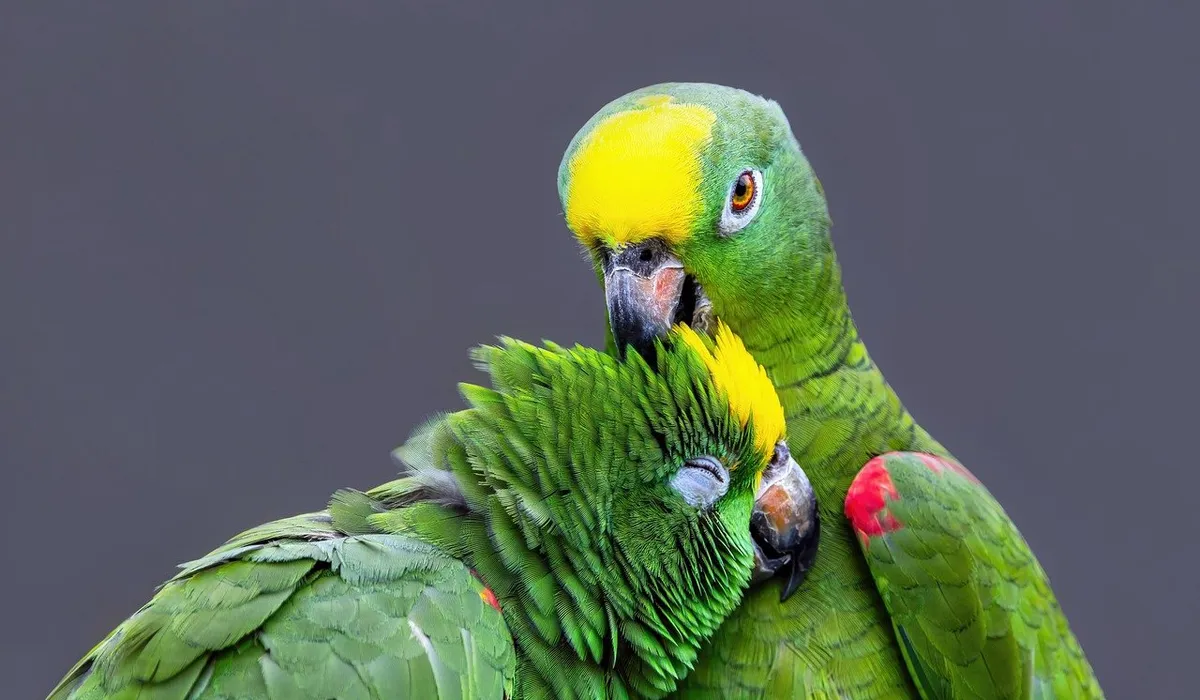
In the wild, parrots follow nature’s strict calendar, relying on environmental cues like longer daylight hours, increased rainfall, and abundant food sources to trigger breeding instincts. This predictable cycle ensures chicks hatch when survival odds are highest, with plentiful resources and favorable weather.
For our pet parrots, these natural signals get blurred or disappear entirely.
- Artificial lighting in our homes can simulate longer days year-round, confusing their internal clocks.
- Consistent, high-quality diets remove the seasonal “feast or famine” cue that tells wild parrots it’s a good time to raise young.
- Steady, comfortable temperatures eliminate another major seasonal trigger they’d experience outdoors.
My Green-cheeked Conure, Kiwi, once became unusually territorial and started shredding paper in mid-winter-behaviors I’d normally associate with spring. His indoor world, with its constant food and 12 hours of artificial light, had effectively convinced his body it was always breeding season.
This environmental stability means captive parrots can show breeding readiness-or full-blown hormonal behavior-at any time.
Ethical Considerations in Parrot Breeding
Breeding parrots is a serious commitment, not a casual experiment. The global pet trade already struggles with parrot overpopulation, leading to countless birds in rescues needing forever homes. Ethics and welfare in choosing a parrot involve weighing breeding risks against adopting from rescues. Adoption often aligns with animal welfare goals by reducing excess populations and giving birds a home.
Before even considering breeding, ask yourself some tough questions.
- Do you have confirmed, experienced homes waiting for every potential chick?
- Are you prepared for veterinary emergencies, which can be costly and life-threatening for both the parents and offspring?
- Is your pair genetically diverse and screened for common species-specific diseases?
From my years with parrots like my sociable Sun Conure, Sunny, and my clever African Grey, Sage, I’ve learned that their welfare must always come first. Sunny’s vibrant personality brings me so much joy, but I know encouraging her to breed would be irresponsible without a clear, ethical plan for her chicks.
Always consult an avian veterinarian before making any decisions. They can assess your birds’ health and help you understand the immense responsibility. For some parrots, like my Sage, breeding could cause undue stress given her more reserved nature, so I focus on enriching her life in other ways. Prioritizing their long-term health and happiness is the most compassionate choice a keeper can make. In a preventative care guide, annual vet check-ups are highlighted as essential for parrots. Regular exams help catch health issues early and guide preventive care.
FAQs
How long does parrot mating season last?
Parrot mating season typically lasts for several weeks to a few months, depending on the species and environmental conditions. In captivity, it may vary due to artificial lighting and consistent food availability. Considering the parrot life cycle, mating season is a key phase leading to egg development, hatching, and chick rearing. Understanding this life cycle helps explain why timing matters for breeding success and care.
How often can a parrot breed in a year?
Most parrot species have one primary breeding season per year, but some in stable climates may attempt to breed multiple times. Overbreeding should be avoided to protect the health of the birds.
What are ethical considerations in parrot breeding?
Ethical breeding requires ensuring homes for all offspring and prioritizing the birds’ health over profit. It involves consulting avian vets and avoiding practices that contribute to overpopulation or stress. Before getting a parrot, ask breeders detailed questions and consider contacting rescue organizations to explore adoption options.
Closing the Loop
Ultimately, your parrot’s breeding season is largely influenced by environmental cues like longer daylight hours and increased food availability. Your best strategy is to recognize these triggers and adjust your bird’s light exposure and diet to help discourage unwanted hormonal behavior. Providing a consistent routine and plenty of enriching activities outside of nesting are your most powerful tools for a harmonious home. In the Hormonal Season Parrots Survival Guide, you’ll find practical steps to apply these principles. This guide helps you recognize hormonal signs and adjust routines to keep your bird safe and content.
Being a fantastic parrot guardian means committing to a lifetime of learning about their complex needs. Continue observing your feathered friend and deepening your knowledge; their health and happiness are the ultimate rewards for your dedicated care. If you’re choosing to be a parrot guardian, take stock of your daily routine and resources to ensure you can provide a consistent, enriching environment. Your decision sets the stage for a lifelong partnership. Every bird is an individual, and your attentive love makes all the difference.
Further Reading & Sources
- breeding months – Lafeber® Pet Birds
- How Do Parrots Mate? Vet-Approved Reproduction Explanation | Hepper Pet Resources
- Mating Behaviors in Parrots – YouTube
Suzanne Levine is a dedicated parrot enthusiast and experienced avian caregiver with over 15 years of hands-on experience in parrot care. As the founder of Parrot Care Central, Suzanne is passionate about sharing her knowledge and insights to help fellow parrot owners provide the best possible care for their feathered friends. Her expertise spans nutrition, behavior, health, and enrichment, making her a trusted resource in the parrot care community.
Mating Behavior