
Why Do Parrots Sneeze? Spotting Serious Health Signs
Published on: August 24, 2026 | Last Updated: August 24, 2026
Written By: Suzanne Levine
You hear your parrot sneeze, and that sudden sound might send a wave of worry through you-is it just a harmless puff or a clue to something worse?
I’ve felt that same concern with my own parrots, like when Kiwi, my playful Green-cheeked Conure, started sneezing after playing in dusty corners. Drawing from years of hands-on experience, I’m here to break down the sneeze mystery so you can feel confident and informed.
We’ll explore three key takeaways together:
- Common, everyday reasons parrots sneeze that are totally normal.
- Warning signs that sneezing could point to a health issue needing quick action.
- Simple steps you can take at home to support your parrot’s respiratory health.
By the end, you’ll have straightforward advice to keep your feathered friend thriving. Topics covered: dust and irritants, infection symptoms, allergy triggers, vet visit timing, preventive care habits.
What Makes Parrots Sneeze: Harmless Habits vs. Health Alerts
Parrots sneeze for many of the same reasons we do. A simple dust particle or a tiny feather fragment can tickle their nostrils, prompting a quick, forceful sneeze to clear the passage. This is completely normal and happens most often during preening or after they’ve been playing in a dusty corner of their cage.
My green-cheeked conure, Kiwi, is a perfect example. She loves to roll in her cuttlebone dust, and without fail, she’ll let out a few powerful sneezes afterward. These occasional, isolated sneezes are just her body’s way of doing a little internal housekeeping. It’s a harmless habit, and she always goes right back to her playful antics.
- Dust from feathers, dander, or cage litter
- Small food particles, like powdery pellet dust
- Dry air, especially during winter months with indoor heating
- A simple tickle or irritation with no other symptoms
You need to pay attention to the frequency. A single “achoo” now and then is no cause for alarm, but a parrot that is sneezing repeatedly in a short period is telling you something is wrong. I once fostered a cockatiel who started sneezing fits, and it turned out the room’s air freshener was the irritant. Frequent sneezing is your cue to play detective and look for the source of the problem.
Spotting Trouble: When Sneezing Signals Respiratory Illness
When a sneeze is more than just a sneeze, your parrot will show you other signs. Respiratory infections are a serious threat to birds, and catching them early makes all the difference. Watch your feathered friend closely if the sneezing doesn’t stop. Use a quick respiratory distress checklist to spot signs of breathing problems early, such as open-mouth breathing, rapid or labored breaths, or tail bobbing. If you notice any of these, seek veterinary care promptly.
- Look for nasal discharge. A wet, bubbly, or discolored substance around the nostrils is a major red flag. Clear fluid might just be an irritant, but yellow or green mucus points to infection.
- Listen for abnormal breathing sounds. Wheezing, clicking, or labored breathing are not normal. My sun conure, Sunny, once had a respiratory bug, and the faint wheeze I heard between her sneezes was what sent us straight to the vet.
- Observe major behavior shifts. A sick parrot often becomes lethargic, fluffs up for long periods, and loses interest in food and play. A bird that stops chattering and interacting is a bird that needs help.
- Check for coughing or tail bobbing. A cough sounds different from a sneeze-it’s often deeper. Tail bobbing with each breath is a sign your bird is using extra effort to breathe.
- Monitor their appetite and droppings. A drop in food and water intake is a classic symptom of illness. Changes in their droppings can also indicate systemic problems.
I make it a habit to watch my African Grey, Sage, breathe quietly for a minute each day. Knowing your bird’s normal, quiet breathing pattern is the best baseline for spotting trouble. If you see mucus, hear a crackle, or notice any struggle, don’t wait. Your quick action is their best chance for a full recovery.
Common Illnesses Tied to Parrot Sneezing
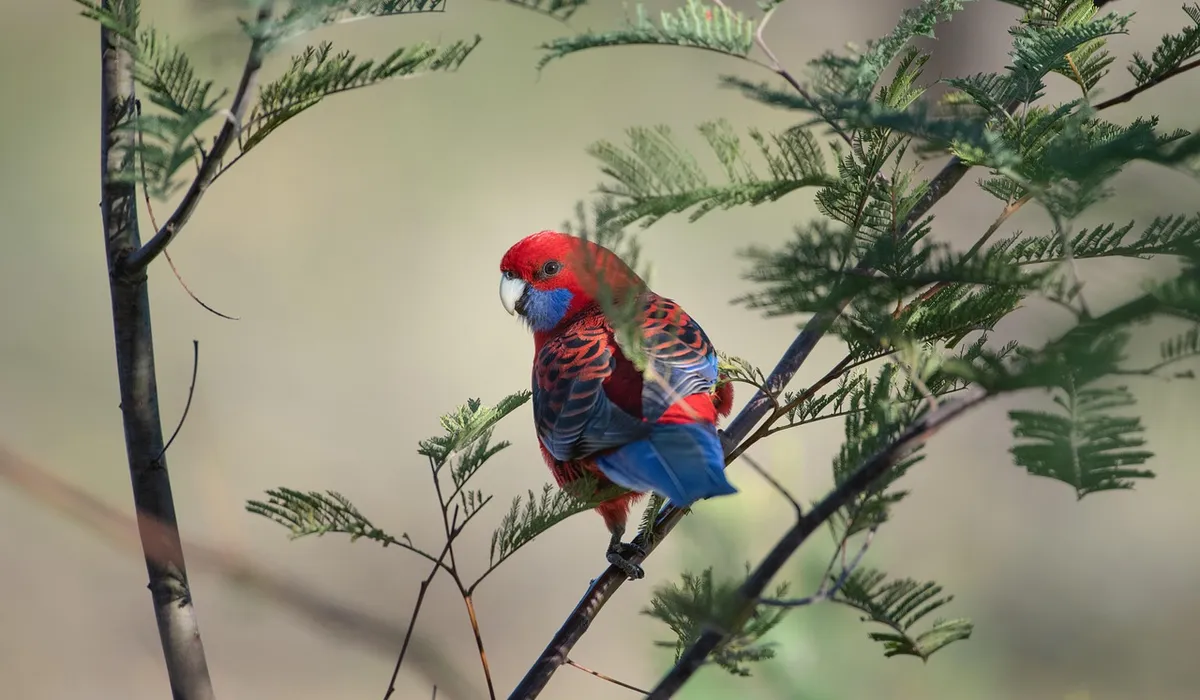
Sneezing in parrots often acts as a tiny alarm bell for underlying health problems you’ll want to address quickly.
My green-cheeked conure, Kiwi, once had a sneezing fit that turned out to be a mild respiratory infection. I learned firsthand how crucial it is to look deeper.
- Respiratory Infections: Bacterial, viral, or fungal invaders cause inflammation in air sacs and sinuses. Look for sneezing paired with nasal discharge or wheezing sounds.
- Sinus Issues: Blocked nostrils or sinus infections create pressure, forcing frequent sneezes. My sun conure, Sunny, needed a vet flush for a stubborn seed hull stuck in her nostril.
- Beak and Nare Problems: Overgrown beaks can misalign and irritate nasal passages. Regular beak checks are a simple prevention step.
Catching these issues early, like I did with Kiwi, often means a faster recovery and less stress for your feathered friend.
When to Call the Vet: Urgent Sneezing Signs
Knowing when to seek professional help can make all the difference for your parrot’s wellbeing.
- Monitor for 24 Hours: If sneezing is occasional with no other symptoms, just watch closely. Note any changes in behavior or appetite.
- Schedule a Vet Visit Within 48 Hours: Act if sneezing becomes frequent or you see any nasal discharge, especially if it’s colored yellow or green.
- Seek Immediate Emergency Care: Go straight to the vet for persistent sneezing with lethargy, open-mouth breathing, or a sudden loss of voice. These are major red flags.
Always have your avian vet’s emergency number saved and a small travel carrier ready to go. Preparing for a potential crisis brings peace of mind.
Allergies and Irritants: Sneezing Triggers in Parrots
Parrots have incredibly sensitive respiratory systems, and everyday household items can be major irritants, especially when it comes to environmental toxins.
My African Grey, Sage, started sneezing whenever I used a certain cleaning spray. I quickly learned to read labels and switch to bird-safe products.
- Dust and Dander: Feather dust, dry cage litter, and construction dust can all trigger sneezing fits. Regular cage cleaning and air filtration help immensely.
- Poor Air Quality: Smoke, strong perfumes, and aerosol sprays are toxic. I keep my parrots in a well-ventilated room far from the kitchen.
- Drafts and Dry Air: Cold drafts from windows or overly dry air from heating systems irritate delicate nasal passages.
Using a humidifier during winter months made a noticeable difference in reducing dry-air sneezes for all my birds. Simple environmental adjustments create a healthier, happier home for your parrot. Humidity and ambient temperature interact to affect a parrot’s health. Maintaining moderate humidity at a stable temperature supports respiratory comfort and overall well-being.
Home Care for a Sneezing Parrot: Safe and Soothing Steps
-
Start by keeping your parrot’s environment spotless to cut down on irritants. Wipe down cages daily and replace bedding weekly to remove dust and dander. A clean space reduces sneezing triggers and supports your bird’s respiratory health right away. This is part of a complete guide on cleaning your parrot’s environment safely. Following these steps helps ensure your bird stays healthy and comfortable. Use a humidifier to add moisture to the air, especially in dry climates, as it can ease nasal passages and prevent discomfort.
-
Minimize stress by creating a calm, predictable routine for your parrot. For a calm, scared, or stressed parrot, consistency is key to reducing anxiety. Offer a quiet corner away from loud noises and sudden movements. Providing familiar toys and perches helps your bird feel secure and speeds up recovery. These steps help keep your bird calm and resilient during stressful moments. Ensure they get a balanced diet with fresh fruits and veggies to boost their immune system, and limit handling to essential interactions until they improve.
-
I’ve seen this firsthand with my Green-cheeked Conure, Kiwi, who sneezed after playing in a dusty area. I monitored his behavior closely, noting any changes in appetite or energy. Daily checks let me spot issues early and adjust care before they worsened, keeping him happy and healthy. Keep a simple log of sneezing frequency and other symptoms to share with your vet if needed.
Veterinary Insights: Tests and Treatments for Sneezing Parrots
-
Vets often run diagnostic tests to check respiratory health, like blood panels and X-rays. These exams can reveal infections or blockages that home care alone might miss, giving you a clear path forward. Cultures or swabs might be taken to identify specific bacteria or fungi causing the sneezing.
-
Treatments vary based on the cause and can include antibiotics, antifungals, or anti-inflammatory medications. Follow your vet’s dosing instructions carefully to ensure a full recovery and avoid complications. Supportive care, such as fluid therapy or nebulization, might be used to ease breathing and comfort your parrot during treatment. Administering medication to a parrot safely and effectively requires careful handling and the right dosing tools. Always follow your vet’s instructions for administration and monitor your bird for any adverse reactions.
-
After treatment, schedule follow-up visits to monitor progress and prevent relapses. Regular vet check-ups and a clean, stress-free home are your best tools for long-term parrot wellness. In a preventative care guide, annual vet visits for parrots are highlighted as essential. Remember that prevention starts with proactive health monitoring and a healthy environment. Focus on prevention by avoiding smoke, strong scents, and drafts that could irritate your bird’s sensitive respiratory system.
FAQs
Are parrots with sneezing contagious to humans or other pets?
Most sneezing in parrots is not contagious to humans, but certain respiratory infections can spread to other birds. Isolate sick birds and practice good hygiene to minimize any risk of transmission.
Can allergies cause sneezing in parrots, and how are they treated?
Yes, allergies to irritants like pollen or household chemicals can trigger sneezing in parrots. Treatment involves removing the allergen and may include vet-prescribed medications or environmental adjustments. If you’re unsure about the allergies, it’s important to get a diagnosis from a professional.
What diagnostic tests and treatments might a vet use for a sneezing parrot?
Vets may perform tests like blood work or X-rays to identify underlying issues such as infections. Treatments can include antibiotics or supportive care like nebulization to ease breathing and promote recovery.
How can I care for a sneezing parrot at home safely?
Keep the cage clean and use a humidifier to reduce irritants like dust. Maintaining proper humidity is important for a parrot’s respiratory health and feather condition, since dry air can irritate airways and make feathers brittle. Ensure your parrot has a calm environment and a balanced diet to support their immune system during recovery.
When should I take my parrot to a veterinarian for sneezing?
Visit the vet if sneezing is frequent or paired with symptoms like nasal discharge or lethargy. Seek immediate care for severe signs like open-mouth breathing or loss of appetite to address potential emergencies.
Closing the Loop
When your parrot sneezes, pay close attention to the details. A simple, dry sneeze is often just dust clearing the airways, but frequent sneezing with discharge, wheezing, or lethargy is a red flag for something more serious. Trust your instincts and your bond with your bird; you are the first to notice when something is off.
Being a parrot guardian means committing to a lifetime of learning. Their health can change quickly, so staying curious, observing their daily habits, and building a relationship with an avian vet are the cornerstones of exceptional care. If you’re in the process of choosing a parrot guardian, look for someone who demonstrates patience, reliability, and a commitment to ongoing education. Ask about their access to avian veterinary care and how they handle emergencies. Your feathered friend relies on you for their well-being, making every bit of knowledge you gain a gift to them.
Further Reading & Sources
- Why Does My Parrot Sneeze? (Runny Nose vs. No Discharge)
- My Parrot is Sneezing – What’s Wrong!? | That Bird Blog
- Why is My Parrot Sneezing? 7 Common Causes & What to Do | PangoVet
Suzanne Levine is a dedicated parrot enthusiast and experienced avian caregiver with over 15 years of hands-on experience in parrot care. As the founder of Parrot Care Central, Suzanne is passionate about sharing her knowledge and insights to help fellow parrot owners provide the best possible care for their feathered friends. Her expertise spans nutrition, behavior, health, and enrichment, making her a trusted resource in the parrot care community.
Health & Wellness