
Can Parrots Eat Pasta and Noodles?
If you’re eyeing that bowl of pasta and wondering if it’s okay to share a bite with your parrot, you’re not alone-many bird owners worry about accidentally harming their pets with human foods.
As someone who’s cared for parrots like Kiwi and Sage for years, I’ve navigated this exact question and will guide you through the essentials to keep your feathered friend safe and happy.
- Safety first: Learn which pasta types are parrot-friendly and which to avoid.
- Simple prep steps: How to cook and serve pasta without hidden dangers.
- Healthy balance: Tips to ensure pasta is a treat, not a staple, in their diet.
You’ll get straightforward advice you can trust, covering key areas like safety guidelines, cooking methods, nutritional benefits, common risks, and smart alternatives.
Pasta and Noodles: A Safe Treat for Your Parrot?
Plain, cooked pasta can be a safe occasional snack for your parrot, but it should never replace their balanced diet. In my experience with Kiwi, my playful Green-cheeked Conure, I’ve seen how a small piece of plain spaghetti can spark curiosity without causing harm. Pasta is high in carbohydrates and low in essential nutrients, so overfeeding can lead to weight gain or nutritional gaps. I always opt for whole-grain varieties when I share a bite with Sunny, my social Sun Conure, because they offer a bit more fiber. Moderation is key-think of pasta as a rare treat, not a daily meal, to keep your feathered friend healthy and happy.
- Choose plain, unseasoned pasta without sauces or oils.
- Cook it until soft to prevent choking hazards.
- Limit portions to a tiny piece once a week or less.
Hidden Dangers in Your Pasta Bowl
Many pasta dishes contain ingredients that are toxic to parrots, turning a simple treat into a health risk. I learned this the hard way when Sage, my smart African Grey, showed interest in my garlic-infused noodles—garlic is a big no for birds. Sauces, salts, and spices can cause digestive upset or worse, so always serve pasta plain. Stick to basic preparations and avoid any human-seasoned options to protect your parrot from accidental poisoning. Even herbs and spices that are generally safe should be given with caution; you can find a complete guide to safe herbs and spices for parrots to help you make informed decisions.
High sodium levels in processed noodles can lead to dehydration or kidney issues in parrots. From caring for my flock, I’ve noticed how even a small amount of salt can make them thirsty and lethargic, so I rinse cooked pasta with water to remove any residue. Always check labels if using packaged pasta, and steer clear of anything with artificial flavors or preservatives. Being aware of early dehydration signs—such as reduced appetite, lethargy, fluffed feathers, or a dry beak—helps you intervene before it worsens. These steps can help prevent dehydration in parrots.
Toxic Additives to Avoid at All Costs
Some common pasta additives are extremely dangerous for parrots and must be eliminated from their diet. Onions and garlic, for example, contain compounds that can damage a parrot’s red blood cells, leading to anemia or worse. I never risk it with my birds, as even a tiny amount could harm their sensitive systems. Environmental toxins in the home—cleaners, aerosols, and fumes—can also make parrots sick. Keep these substances secured and use bird-safe products to protect them.
- Garlic and onions: Cause blood cell damage and weakness.
- High-sodium seasonings: Lead to kidney stress and dehydration.
- Artificial colors and preservatives: Can trigger allergies or toxicity over time.
- Butter or oily sauces: Contribute to obesity and liver problems.
Cheesy or creamy sauces might seem harmless, but they’re often high in fat and lactose, which parrots struggle to digest. I’ve seen Sunny get an upset stomach from just a lick of Alfredo sauce, so I keep all dairy-based toppings far away from their bowls. This aligns with general parrot dietary guidelines that emphasize simple, additive-free foods and balanced nutrition. Prioritize your parrot’s welfare by sticking to plain, additive-free options for a safe snack experience.
How to Serve Pasta Safely to Your Feathered Friend
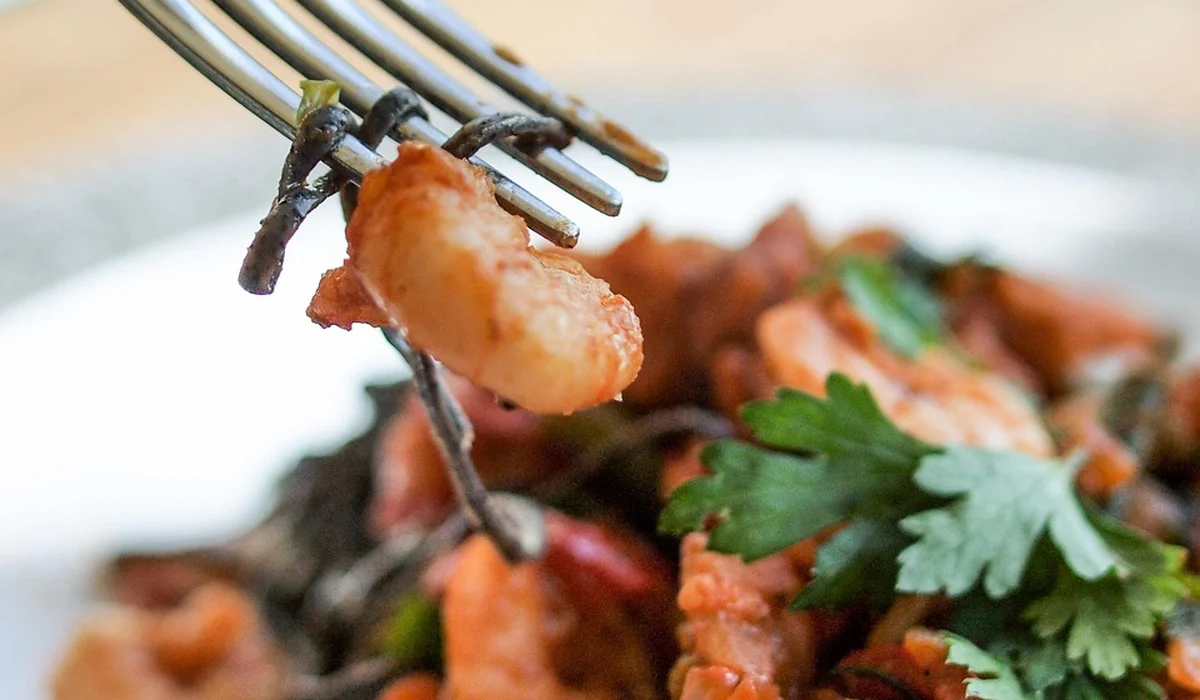
When I first offered pasta to my Green-cheeked Conure, Kiwi, I learned that plain, cooked whole-wheat noodles in tiny, bite-sized pieces work best to prevent choking. Always cool pasta completely and serve it without any sauces, oils, or seasonings that could harm your parrot’s sensitive system. It’s equally important to chop fruits and vegetables to safe sizes for your bird to enjoy.
- Cook pasta until soft but not mushy, then rinse to remove excess starch.
- Chop into small bits no larger than your bird’s beak for easy eating.
- Mix with fresh veggies like chopped spinach or bell peppers for added nutrients.
Spotting a Bad Reaction: What to Watch For
After feeding pasta to my Sun Conure, Sunny, I keep a close eye for any unusual behaviors that might signal discomfort. Watch for changes in droppings, lethargy, or loss of appetite, as these can indicate digestive upset from unfamiliar foods.
- Vomiting or regurgitation shortly after eating.
- Feather fluffing combined with reduced activity levels.
- Diarrhea or unusually watery droppings over several hours.
Beyond Wheat: Exploring Healthy Pasta Alternatives
Wheat-based pasta can be heavy on carbs, so I often swap in veggie-based options for my African Grey, Sage, to keep meals light and nutritious. Alternatives like zucchini or squash noodles provide vitamins without the gluten, making them gentler on your parrot’s stomach. Parrots can also enjoy cucumbers as a hydrating, low-calorie treat. They provide small amounts of vitamins and fiber, but should be given in moderation and cut into bite-sized pieces to reduce choking risk.
- Spiralized zucchini or yellow squash for a fun, stringy texture.
- Steamed sweet potato strips that mimic noodle shapes.
- Cooked quinoa or brown rice pasta for a whole-grain boost.
Creating Fun & Healthy Carrot “Noodles” at Home
I love making carrot noodles for my parrots because they’re colorful and packed with beta-carotene, which supports eye health. Use a spiralizer or vegetable peeler to create thin, curly strands that mimic pasta and entice picky eaters like Kiwi.
- Wash and peel fresh carrots to remove any pesticide residue.
- Slice into long, thin strips or use a spiralizer for twisty shapes.
- Lightly steam for 2-3 minutes to soften, then cool before serving.
Why Carrot Noodles Are a Brilliant Swap
Carrots add a sweet crunch that parrots adore, and they’re far lower in calories than traditional pasta. This swap reduces empty carbs while delivering essential vitamins like A and C, which boost immunity and feather health in birds like Sunny.
- High fiber content aids digestion and prevents obesity.
- Natural sugars satisfy cravings without spiking blood sugar.
- Bright orange color stimulates curiosity and foraging behavior.
Smart Swaps: Better Treats for a Balanced Parrot Diet
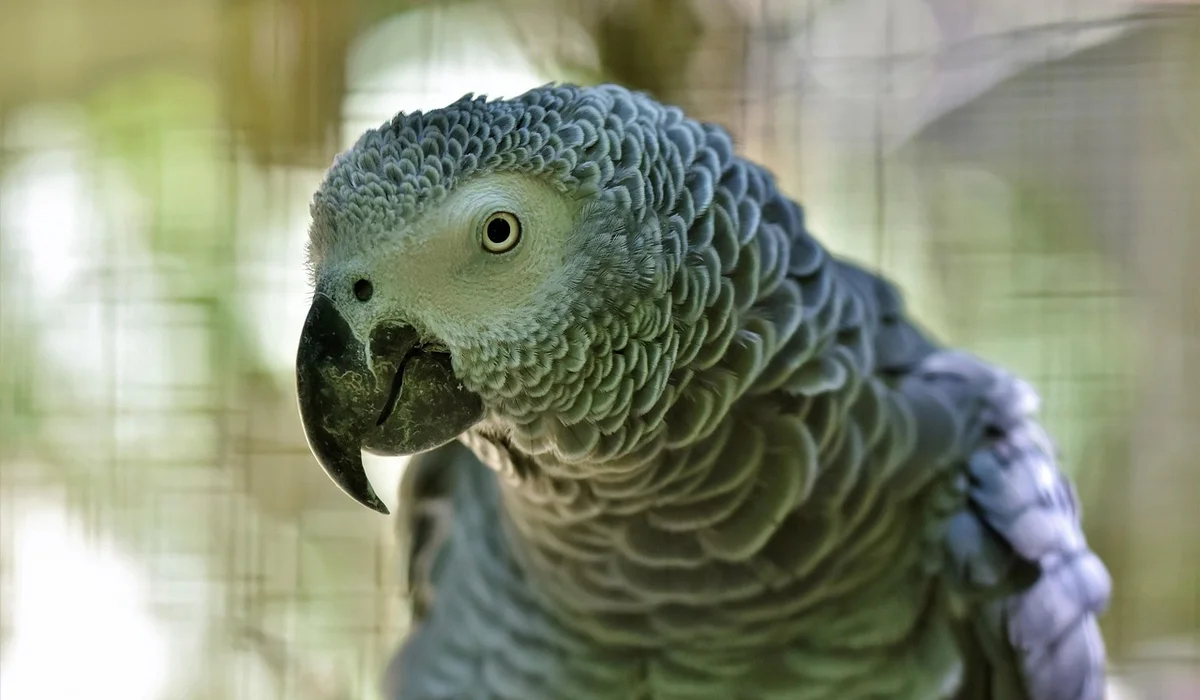
Instead of relying on pasta, I rotate in fresh fruits, veggies, and whole grains to keep my flock’s diet varied and exciting. Focus on nutrient-dense options like berries, leafy greens, and cooked legumes to support long-term health and prevent deficiencies.
- Blueberries or apple slices for antioxidants and hydration.
- Steamed broccoli florets rich in calcium and vitamin K.
- Cooked lentils or chickpeas for protein and fiber in small amounts.
FAQs
What is carrot pasta?
Carrot pasta is a nutritious, vegetable-based alternative to traditional pasta, made by shaping carrots into noodle-like forms. It provides a low-carb, vitamin-rich snack that can be safely offered to parrots in moderation.
Can carrots be used to make noodles?
Yes, carrots are excellent for creating noodles by spiralizing or peeling them into thin, curly strands. This method produces a fun, engaging treat that parrots can enjoy while benefiting from essential nutrients like beta-carotene.
How to cook carrot pasta noodles?
Lightly steam carrot noodles for 2-3 minutes to soften them without losing their crunch, which appeals to parrots. Always cool them thoroughly before serving to ensure they are safe and easy for your bird to eat.
What sauces pair well with carrot pasta?
For parrots, avoid all sauces due to potential toxins like garlic, salt, or dairy that can harm their health. Instead, serve carrot pasta plain or toss it with chopped, bird-safe vegetables for extra flavor and nutrients. It’s always important to be cautious and know what to avoid in their diet.
Are carrot pasta noodles healthy?
Carrot noodles are a healthy choice for parrots, packed with vitamins A and C that support immune function and feather health. They are low in calories and high in fiber, making them a smarter alternative to starchy wheat pasta. This aligns with our Safe Vegetables for Parrots: A Complete Edible Guide on parrot-safe foods. Feed carrots in moderation and vary vegetables to maintain a balanced diet.
In Closing
Based on my years caring for parrots like Kiwi and Sage, I always stick to plain, cooked pasta as an occasional treat, never a meal replacement, to keep their diet balanced and safe. Always skip sauces, salt, and oils to avoid health issues, and pair pasta with nutrient-rich veggies for variety. You can check out our guide on safe foods for parrots for more information.
As a parrot owner, I urge you to stay curious and keep learning about their needs—your feathered friend’s well-being depends on your commitment. Regularly check reliable sources and observe your bird’s reactions to new foods to build a happy, healthy life together. Understanding parrot diet requirements and following a species-specific, complete feeding guide will help you tailor meals for your bird. A reliable guide can outline safe foods, appropriate portions, and essential nutrients for your parrot’s species.
Further Reading & Sources
- Can Parrots Eat Pasta? Is It Safe for Them?
- Is It Safe For Birds To Eat Dry Pasta?
- Can Parrots Eat Pasta? – Parrot Website
Suzanne Levine is a dedicated parrot enthusiast and experienced avian caregiver with over 15 years of hands-on experience in parrot care. As the founder of Parrot Care Central, Suzanne is passionate about sharing her knowledge and insights to help fellow parrot owners provide the best possible care for their feathered friends. Her expertise spans nutrition, behavior, health, and enrichment, making her a trusted resource in the parrot care community.
Nutrition