
How Many Eggs Do Parrots Lay Annually?
Are you wondering how many eggs your parrot lays each year and feeling anxious about overbreeding or health risks?
I’ve raised parrots like Kiwi, my playful Green-cheeked Conure, and seen firsthand how egg laying varies-so I’ll guide you through the essentials to ease your mind.
You’ll get practical insights from my experience, focusing on three key takeaways:
- Average egg numbers differ widely by species and age
- Factors like diet and environment heavily influence laying cycles
- Simple steps to monitor and support your parrot’s well-being
Rest assured, this article gives straightforward advice on species variations, breeding triggers, and health care in a simple, easy-to-skim format.
Understanding Parrot Egg Laying Basics
Most parrots don’t lay eggs constantly like chickens. They typically produce a single clutch per breeding season, with the number of eggs varying dramatically by species. From my years with Kiwi, my Green-cheeked Conure, I’ve learned smaller parrots like her usually lay 4-8 eggs per clutch. This aligns with the typical breeding season for parrots.
Larger parrot species follow different patterns. My African Grey, Sage, might only lay 2-4 eggs if she ever breeds, which reflects the slower reproductive pace of larger birds. This natural limitation helps preserve their energy and health.
- Small parrots (conures, cockatiels, lovebirds): 4-8 eggs per clutch
- Medium parrots (Amazons, African Greys): 2-5 eggs per clutch
- Large parrots (macaws, cockatoos): 1-3 eggs per clutch
Factors That Influence Parrot Egg Production
Many elements affect how many eggs your parrot might lay. Understanding these factors helps you manage their health and prevent dangerous, chronic egg-laying. I’ve adjusted my flock’s environment based on these very principles.
Environmental Triggers for Egg Laying
Parrots are incredibly sensitive to their surroundings. Longer daylight hours mimic spring conditions, tricking their bodies into breeding mode. I use blackout covers on my birds’ cages to maintain consistent dark hours.
- Light exposure: 12+ hours of light often stimulates laying
- Nesting sites: Boxes, cozy corners, or even food bowls can trigger instincts
- Temperature fluctuations: Warm spells after cooler periods signal breeding time
- Rain sounds and humidity changes: Tropical species respond to wet season cues
My Sun Conure, Sunny, once started laying after I rearranged the furniture near her cage. Even small environmental changes can signal that conditions are perfect for raising chicks. Removing these triggers is your first defense against excessive egg production.
Health and Nutritional Impacts
Your parrot’s physical condition directly affects their reproductive capacity. Birds fed high-fat, high-protein diets often have more energy for egg production than those on balanced nutrition. I learned this when Kiwi began laying after too many sunflower seeds. This is also why many owners ask whether pellets or seeds should form the base of a parrot’s diet. Generally, a base diet of nutritionally complete pellets is preferred, with seeds kept as a treat or supplement in moderation.
- Calcium reserves: Each eggshell drains calcium from bones and muscles
- Body weight: Overweight birds may lay more eggs; underweight birds may not lay at all
- General health: Respiratory infections or parasites can halt egg production entirely
- Age: Young parrots (2-5 years) and mature adults have peak fertility
I always keep cuttlebone available and feed calcium-rich vegetables like kale and broccoli. Following general parrot dietary guidelines, I aim for a varied, balanced diet and ensure fresh produce is part of daily meals. I also include formulated pellets to round out nutrients. Proper nutrition builds the foundation for responsible parrot ownership and prevents the exhaustion that comes from constant egg-laying. Watching my birds thrive on balanced diets reinforces why animal welfare must come before any desire for breeding.
Typical Egg Counts by Parrot Species
Small to Medium Parrots
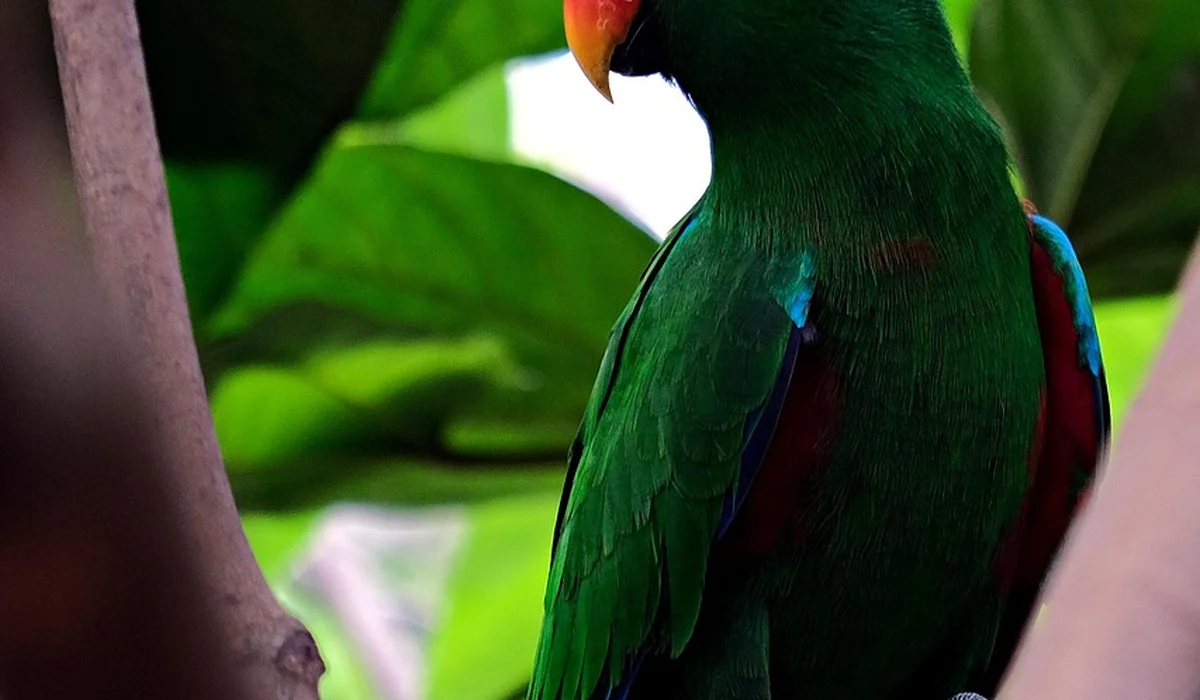
Small to medium parrots, like conures and cockatiels, often lay fewer eggs per clutch compared to larger species. From my time with Kiwi, my Green-cheeked Conure, I’ve noticed she typically lays 3 to 5 eggs in a single clutch, which is common for her size. These birds might produce one or two clutches annually if their environment encourages breeding, but overbreeding can strain their health.
- Cockatiels: 4 to 6 eggs per clutch
- Lovebirds: 3 to 6 eggs per clutch
- Conures: 3 to 5 eggs per clutch
Managing their nesting areas helps prevent excessive egg-laying, which I’ve found reduces stress on pets like Kiwi.
Large Parrots
Large parrots, such as African Greys and macaws, generally lay smaller clutches but require careful monitoring. With Sage, my African Grey, I’ve seen her lay just 2 to 3 eggs in a clutch, and she rarely breeds more than once a year without proper cues. This lower count aligns with their longer lifespans and higher energy needs for reproduction. Understanding their reproductive cycle is crucial for successful breeding.
- African Greys: 2 to 4 eggs per clutch
- Macaws: 2 to 3 eggs per clutch
- Amazon Parrots: 3 to 5 eggs per clutch
Providing a stable habitat has helped Sage avoid health issues linked to frequent egg production.
Nutrition and Health for Optimal Egg Production
Essential Nutrients and Supplements
Proper nutrition is key to supporting egg-laying without compromising your parrot’s well-being. I always ensure Kiwi and Sunny get a balanced diet rich in calcium and protein, which I’ve found makes eggshells stronger and reduces risks like egg-binding. Deficiencies can lead to weak eggs or health declines, so focus on whole foods and supplements. Be mindful of signs of nutritional deficiencies in parrots, such as dull feathers, lethargy, or changes in appetite. When these appear, a vet-guided dietary plan and targeted supplements can provide the solutions they need.
- Calcium: Offer cuttlebone or calcium blocks for shell formation
- Protein: Include cooked eggs or legumes in their meals
- Vitamins: Add vitamin D3 through sunlight or supplements for absorption
Rotating fresh veggies and fruits keeps their diet varied, something I do weekly to mimic natural foraging.
Recognizing and Managing Egg-Related Health Issues
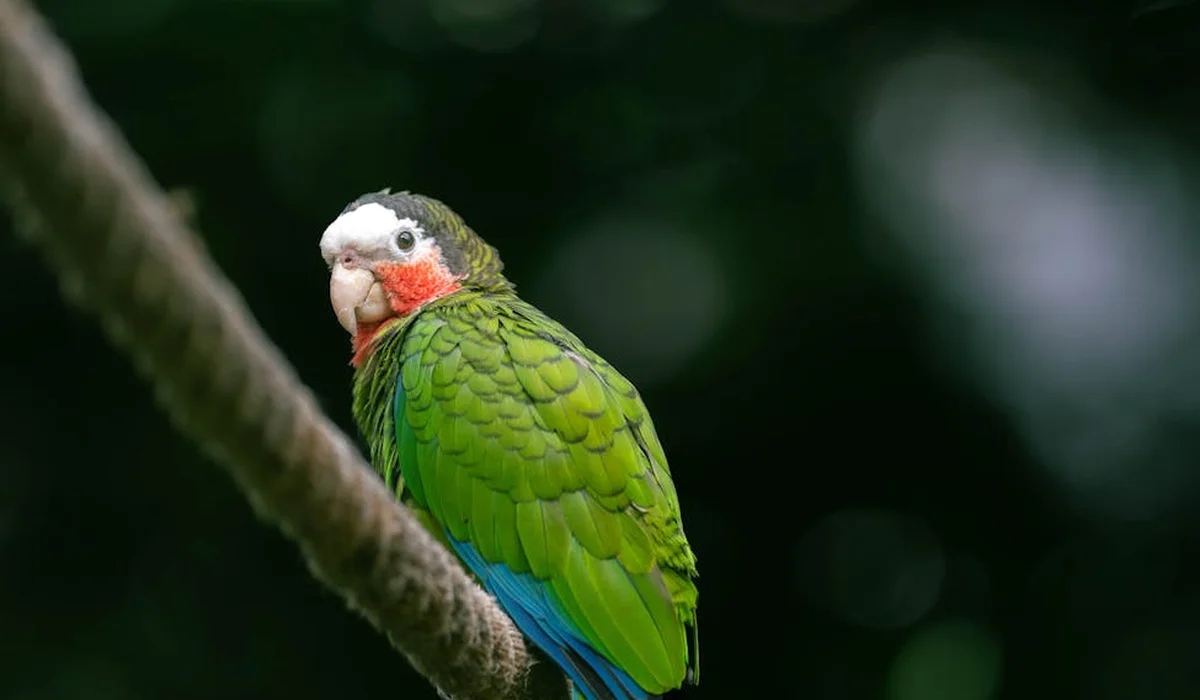
Keeping a close watch on your parrot’s health during egg-laying is non-negotiable. I learned this the hard way when my Green-cheeked Conure, Kiwi, became lethargic after a clutch; it was a wake-up call to be more vigilant. You must act quickly if you notice any unusual behavior.
Identifying Fertile vs Infertile Eggs
Knowing the difference can save you from unnecessary stress and preparation. A simple method I use is candling: hold the egg against a bright light in a dark room after a few days to check for veins. Fertile eggs show a network of red lines, while infertile ones appear clear or with a stationary yolk shadow.
- Fertile Eggs: Show spiderweb-like veins when candled; may feel slightly warmer as the embryo develops.
- Infertile Eggs: Remain clear or have a yellowish tint; no movement or development occurs over time.
If you find infertile eggs, it’s often best to remove them to prevent your parrot from wasting energy. My Sun Conure, Sunny, once sat on infertile eggs for weeks until I intervened; she bounced back quickly once they were gone.
Stress and Its Effects on Laying
Stress is a major trigger for excessive or problematic egg-laying in parrots. Loud noises, changes in routine, or even new pets in the house can push your bird into a laying frenzy. To tell if your parrot is stressed, here are 15 warning signs. Watch for signs like feather plucking, loss of appetite, or constant nesting behavior.
- Environmental Stressors: Sudden temperature shifts, insufficient sleep (aim for 10-12 hours of darkness), or lack of hiding spots.
- Physical Symptoms: Weakness, difficulty passing eggs (egg binding), or weight loss from nutrient depletion.
To manage this, create a calm environment and consult an avian vet if laying seems relentless. For a calm, scared, or stressed parrot, gentle routines and consistent interactions can help ease distress. Consistency and patience are key. Reducing stress not only protects their health but supports their overall welfare, which I prioritize with all my birds.
Supporting Your Parrot During Breeding Season
Breeding season demands extra care to keep your parrot healthy and happy. From my experience with Sage, my African Grey, providing consistent support prevents common pitfalls like malnutrition or behavioral issues. Your role is to be their steady anchor through this intense period. For practical guidance on body size, weight, and overall care, consult an African Grey parrot size, weight, and care guide to tailor meals and enrichment. These guidelines help keep your bird balanced and healthy during breeding season.
Incubation and Hatchling Care
If you have fertile eggs, incubation is a delicate process that requires attention to detail. Most parrots incubate their eggs for about 18-30 days, depending on the species, with constant turning to ensure even warmth. After hatch, hatch care for parrot eggs becomes essential to support healthy chicks. Provide a warm, clean brooding area and monitor the chicks for feeding and growth. Keep the nesting area clean and undisturbed to avoid abandonment.
- Monitor Temperature: Maintain a stable environment around 99-100°F (37-38°C); use a reliable thermometer to avoid fluctuations.
- Check for Hatching: Look for small “pips” or cracks in the eggshell, which signal the chick is starting to emerge.
- Assist Sparingly: Only help if a hatchling struggles for over 24 hours, and always under vet guidance to prevent injury.
Once hatched, focus on feeding and hygiene for the newborns. Hand-feeding may be necessary if the parent neglects them, but use specialized formulas and sterile tools to avoid infections. I’ve found that gentle handling builds trust and supports their development without causing undue stress.
FAQs
What are common signs of decreased egg production in parrots?
Common signs include a lack of nesting behavior or no eggs laid during typical breeding periods. Changes like reduced activity or appetite may also signal health issues affecting reproduction.
What are the risks and signs of egg binding in parrots?
Egg binding can lead to life-threatening complications such as infection or internal damage if untreated. Watch for symptoms like persistent straining, weakness, or a distended abdomen, and seek vet help immediately.
How does breeding season impact parrot egg production?
Breeding season heightens egg production due to natural cues like increased daylight and temperature shifts. This seasonal spike means parrots lay more eggs, so adjusting their environment can help manage frequency.
Final Words
Parrots lay eggs based on species, age, and environment, so tailor care to their needs. Keep an eye on diet and nesting to avoid health issues like egg-binding, which I’ve managed with my Green-cheeked Conure, Kiwi. Parrots also choose and sometimes build their nests, selecting cavities or materials that suit their species. Providing safe, appropriate nesting options helps them thrive.
Responsible ownership means committing to their lifelong well-being and staying informed. I always learn from my Sun Conure, Sunny, and encourage you to explore more on parrot care for a happier, healthier companion.
Further Reading & Sources
- Single Parrots and Egg Laying
- At What Age Do Parrots Start Laying Eggs?
- Parrot Eggs | Parrot Breeding | Parrots | Guide | Omlet US
Suzanne Levine is a dedicated parrot enthusiast and experienced avian caregiver with over 15 years of hands-on experience in parrot care. As the founder of Parrot Care Central, Suzanne is passionate about sharing her knowledge and insights to help fellow parrot owners provide the best possible care for their feathered friends. Her expertise spans nutrition, behavior, health, and enrichment, making her a trusted resource in the parrot care community.
Nesting