
Parrot Diet Requirements by Species: Your Complete Feeding Guide
Feeding your parrot the right diet can feel overwhelming, especially when you’re worried about making mistakes that could harm their health. I’ve been there myself with my own flock-Kiwi the playful Green-cheeked Conure, Sunny the social Sun Conure, and Sage the smart African Grey-each with unique tastes and needs. Getting their diets wrong led to issues like feather plucking or low energy, but through trial and error, I’ve found what works to keep them thriving.
I’m here to help you navigate parrot nutrition with confidence. You’ll learn the essential takeaways to tailor meals for your bird’s species, avoid common pitfalls, and promote lifelong wellness. Here are the key points we’ll cover:
- Species-specific dietary needs based on size, origin, and behavior
- Safe and toxic foods to prevent health emergencies
- Practical tips for balanced meals and feeding routines
By the end, you’ll have clear, actionable advice to support your parrot’s vitality. We’ll dive into species profiles, ideal food mixes, harmful items to avoid, and daily feeding schedules.
Why Your Parrot’s Species Shapes Its Diet
Your parrot’s species is like its dietary ID card, telling you exactly what fuel its body needs to thrive. I learned this firsthand when my Green-cheeked Conure, Kiwi, needed a completely different food mix than my African Grey, Sage. Their wild ancestors evolved in different parts of the world, eating from unique buffets of nuts, fruits, and vegetation.
A high-energy conure like Kiwi requires more fat and calories to support her acrobatic lifestyle. This means her diet includes more nuts and seeds than my calmer, larger parrot. My Sun Conure, Sunny, with his brilliantly colored feathers, needs extra vitamin A from foods like sweet potato and red peppers to keep his plumage vibrant.
Larger parrots, like my African Grey Sage, have different nutritional puzzles to solve. They are often prone to calcium deficiencies, so I make sure Sage gets plenty of dark leafy greens and a calcium supplement. Feeding a Macaw the same diet as a Cockatiel would be like feeding a marathon runner and a librarian the exact same meals-it just doesn’t work for their specific energy needs.
Essential Foods for a Balanced Parrot Diet
Creating the perfect parrot plate is an art and a science. A balanced diet isn’t just one thing; it’s a carefully crafted combination of several key food groups. Getting this mix right is the single most important thing you can do for your bird’s long-term health and happiness.
Pellets: The Foundation of Daily Nutrition
Think of high-quality pellets as your parrot’s daily multivitamin. After years of trial and error, I’ve found that a diet where pellets make up about 60-70% of the daily food intake keeps my flock in peak condition. When you compare pellets vs seeds as the base diet for your parrot, pellets are typically the stronger foundation for balanced nutrition. Seeds can be offered later as occasional variety or enrichment, not as the main base. They are scientifically formulated to prevent your bird from just picking out its favorite, often fatty, bits.
- Choose pellets that are specifically formulated for your parrot’s size (small, medium, or large hookbill).
- Look for brands that use natural coloring and avoid artificial preservatives.
- Always ensure fresh water is available, as pellets can make your parrot thirstier.
Seeds and Grains: Use with Caution
Seeds are the candy of the parrot world-delicious but not a complete meal. I use a small, measured amount of seeds as a training treat or a special sprinkle on top of healthier foods. An all-seed diet is a fast track to obesity, fatty liver disease, and a shortened lifespan for your feathered friend.
Instead of a seed-only mix, offer healthier whole grains. My parrots go crazy for cooked quinoa, brown rice, and whole-wheat pasta, which provide great energy and fiber. These are far better for them than a bowl full of sunflower seeds.
Fresh Fruits and Vegetables: Adding Variety
This is where you can get creative and have fun with your parrot’s diet! Fresh produce provides essential vitamins, minerals, and hydration that pellets alone can’t fully replicate. I make a “chop” for my birds—a finely chopped mix of different veggies—a few times a week. You can find some healthy and nutritious homemade parrot food recipes here to complement your parrot’s diet.
- Daily Staples: Dark leafy greens (kale, spinach), carrots, bell peppers, and broccoli.
- Healthy Treats: Berries, melon, apple (no seeds!), and papaya.
- Always Avoid: Avocado, chocolate, onion, and garlic, as these are toxic to parrots.
Wash all produce thoroughly to remove pesticides and offer it in a separate dish from pellets. Seeing my parrots eagerly dig into a colorful mix of veggies is one of the great joys of being a parrot parent.
Tailored Feeding Plans by Parrot Type
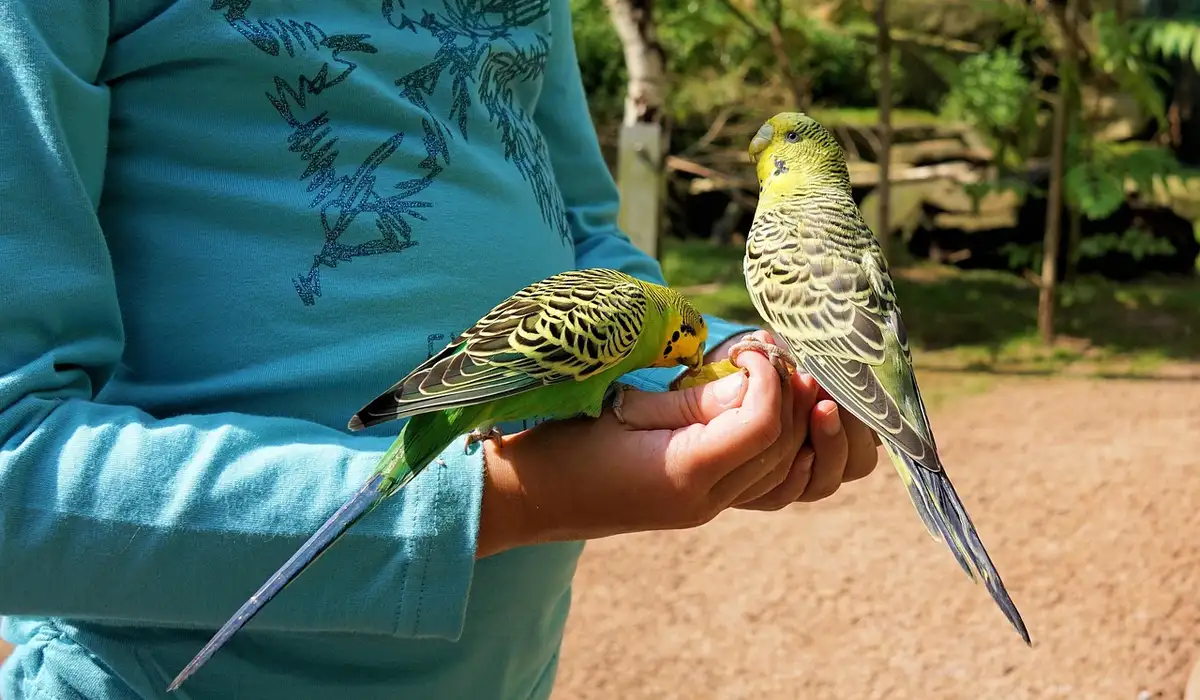
Small Parrots: Conures, Lovebirds, and Parrotlets
Small parrots like conures and lovebirds zip around with endless energy, so their diet needs to match their lively pace. I feed my Green-cheeked Conure, Kiwi, a mix of high-quality pellets, fresh veggies, and occasional fruits to keep him healthy and playful. These birds burn calories fast, so include nutrient-dense foods that support their rapid metabolism.
- Base diet of fortified pellets-aim for 60-70% of daily intake.
- Fresh vegetables: chopped kale, carrots, and bell peppers for vitamins.
- Limited fruits like apples or berries to avoid excess sugar.
- Small amounts of cooked grains or legumes for variety.
Watch portion sizes closely to prevent obesity, as these little guys can overeat easily. Rotate their food options weekly to mimic natural foraging and prevent boredom. I’ve seen Kiwi thrive on this plan, with brighter feathers and more curiosity in his daily antics.
Medium Parrots: African Greys, Amazons, and Quakers
Medium-sized parrots, such as African Greys, are brainy birds that need mental stimulation through their meals. My African Grey, Sage, enjoys puzzles with nuts and veggies, which keeps her sharp and engaged. These species often have specific nutritional gaps, like calcium deficiency in Greys, so tailor their diet carefully.
- Pellets should make up 50-60% of their diet, chosen for low iron if you have a Grey.
- Dark leafy greens like spinach and broccoli for calcium and antioxidants.
- Nuts and seeds in moderation-too many can lead to fatty liver disease.
- Cooked sweet potatoes or brown rice for fiber and energy.
Offer food in interactive toys to encourage natural behaviors and reduce stress. Regular vet checks help catch issues early, especially for species prone to dietary imbalances. Sage’s calm demeanor improved once I balanced her calcium intake with more greens and fewer seeds.
Large Parrots: Macaws, Cockatoos, and Eclectus
Large parrots have powerful beaks and longer lifespans, requiring diets that support strong bones and vibrant plumage. Eclectus parrots, in particular, need high vitamin A foods to avoid health problems like respiratory issues. I always advocate for whole, unprocessed foods to mimic their wild diet and promote welfare.
- Pellets as a base-40-50% for balanced nutrition, but watch for artificial dyes.
- Fresh fruits and veggies rich in beta-carotene: papaya, mango, and squash.
- Nuts with shells for beak exercise, like walnuts or almonds, but limit to a few per day.
- Lean proteins such as cooked eggs or legumes for muscle maintenance.
Monitor their weight regularly, as large birds can hide health issues until they’re serious. Providing a varied diet not only prevents deficiencies but also strengthens your bond through shared meal times. I’ve found that macaws especially love cracking open nuts, which turns feeding into a fun, sensory experience.
Daily Serving Sizes and Feeding Schedules
Figuring out how much to feed your parrot can feel like a guessing game. My general rule of thumb is to offer a daily food volume that’s roughly 25% of your bird’s body weight. Weight management is a practical part of care—monitor your bird’s weight over time to tell if it’s overweight. If the weight trends up, adjust portions and increase safe exercise, and check with a vet for guidance. But that’s just a starting point; a hyperactive Green-cheeked Conure will burn more fuel than a laid-back African Grey.
Portion Guidelines by Parrot Size
Activity level, metabolism, and even the time of year affect how much your bird needs. Always monitor your parrot’s weight and adjust portions to keep them at a healthy, stable size. This is a key part of parrot weight management and obesity prevention, anchored by knowing healthy weight ranges. Regularly tracking weight helps catch gradual changes before issues develop. Here’s a basic guide I’ve refined over the years.
| Parrot Size | Example Species | Daily Pellet Amount | Daily Fresh Food Amount |
|---|---|---|---|
| Small | Budgies, Lovebirds | 1.5 – 2 tablespoons | 1 teaspoon |
| Medium | Conures, Caiques, Senegals | 3 – 4 tablespoons | 1.5 – 2 tablespoons |
| Large | African Greys, Amazons | 1/4 – 1/3 cup | 3 – 4 tablespoons |
| Extra-Large | Macaws, Cockatoos | 1/3 – 1/2 cup | 1/4 – 1/3 cup |
Creating a Consistent Feeding Schedule
Parrots thrive on routine. A predictable schedule reduces stress and makes them feel secure. I feed my flock twice a day, and their eager chirps tell me they appreciate the consistency. When a vet visit is coming, practice calm, gentle handling at home to ease the clinic visit. This routine helps reduce stress during exams. You have two main options.
The Two-Meal System
This is the method I use for my conures and African Grey.
- Breakfast (7-8 AM): Offer a fresh mix of pellets and a small portion of chopped veggies. Remove any leftover fresh food after 1-2 hours to prevent spoilage.
- Dinner (5-6 PM): Provide a larger serving of a fresh “chop” or cooked food mix. This gives them all night to digest their main meal.
The All-Day Grazing Method
Some birds do well with pellets available all day and fresh foods offered at set times.
- Keep a measured amount of pellets in the cage at all times.
- Offer fresh fruits, vegetables, and other treats once or twice daily for 1-2 hour periods.
- This works best for birds that are not prone to overeating.
No matter which schedule you choose, always ensure fresh, clean water is available 24/7. I change my birds’ water bowls at least twice a day because they love to dunk their food!
Foods to Avoid: Keeping Your Parrot Safe
Feeding your parrot is an act of love, but a single wrong choice can have serious consequences. I learned this the hard way when my curious Green-cheek, Kiwi, once snatched a tiny piece of onion from my plate, leading to a frantic vet visit. Their metabolisms are incredibly sensitive, and what’s healthy for us can be poisonous for them.
Toxic Items That Are Off-Limits
This list is non-negotiable. These foods should never, ever be in your parrot’s beak. Keep them far away from your bird’s cage and play areas. This is part of our parrot diet myths debunked: 7 common misconceptions about avian nutrition. Knowing what to avoid is just one piece of the bigger nutrition picture.
- Avocado: Every part-the flesh, skin, and pit-contains persin, a toxin that causes rapid heart failure in birds.
- Chocolate: It contains theobromine and caffeine, which can cause vomiting, seizures, and is often fatal.
- Onions and Garlic: Whether raw, cooked, or powdered, they can lead to anemia by destroying red blood cells.
- Caffeine: Found in coffee, tea, and soda, it overstimulates a parrot’s heart and nervous system.
- Alcohol: It’s an absolute poison for their tiny bodies, causing severe organ damage.
- Fruit Pits and Apple Seeds: These contain trace amounts of cyanide, which is extremely dangerous over time.
- Salty, Sugary, or Fatty Human Snacks: Chips, candy, and fried foods can lead to obesity, heart disease, and liver problems.
Moderation Foods for Occasional Treats
Some foods are safe in tiny amounts but become problematic as a regular part of their diet. Think of these as the “junk food” of the parrot world-fine for a special reward but not for daily nutrition. My Sun Conure, Sunny, goes wild for a sliver of peanut, but I limit it strictly.
- Seeds and Nuts: High in fat, they should make up less than 10% of their total diet to prevent obesity.
- Dairy Products: Parrots are lactose-intolerant. A tiny bit of hard cheese or plain yogurt is okay rarely, but it can cause digestive upset.
- Certain Fruits (High in Sugar): Grapes, bananas, and mangoes are delicious but sugary. Offer small pieces just once or twice a week.
- Peanuts: They can harbor a toxic mold called aflatoxin. If you offer one, ensure it’s human-grade and unsalted, and only as a rare treat.
| Food Item | Why Moderation is Key | Safe Serving Suggestion |
|---|---|---|
| Sunflower Seeds | Extremely high in fat; can lead to fatty liver disease. | 1-2 seeds per day, maximum. |
| Banana | High natural sugar content. | A thin slice, once a week. |
| Hard Cheese | Lactose can cause digestive issues. | A piece the size of a pea, monthly. |
Supplements for Optimal Parrot Health
Even with a top-notch diet, your parrot might need a little extra boost to thrive. Supplements fill nutritional gaps that pellets or fresh foods can miss, especially for species with unique needs. I learned this firsthand when my Green-cheeked Conure, Kiwi, started showing dull feathers despite a varied diet. Adding a vitamin supplement brought back his vibrant green and red hues in weeks. Always consult an avian vet before starting any new regimen to avoid overdoing it, which can harm your bird.
Common Types of Supplements and Their Uses
Not all supplements are created equal, and your parrot’s species plays a big role in what they require. Calcium is vital for bone strength and egg-laying females, while vitamins like A and D support vision and immune function. For instance, my Sun Conure, Sunny, gets a sprinkle of powdered calcium on her moist foods to prevent deficiencies common in conures. Here’s a quick breakdown:
- Calcium blocks or powders: Great for African Greys like Sage, who need extra for cognitive health and strong beaks.
- Probiotics: Aid digestion, especially after antibiotic use or stress-Kiwi’s playful antics sometimes upset his tummy, so I add a probiotic to his water.
- Omega-3 fatty acids: Boost feather shine and reduce inflammation; Sunny’s social nature means she preens a lot, and this keeps her plumage radiant.
How to Safely Introduce Supplements
Start slow and observe your bird’s reaction closely. Mixing supplements into favorite foods, like mashed fruits or cooked grains, makes them more appealing and reduces waste. With Sage, my African Grey, I found she prefers liquids, so I use a drop-on supplement for her water bowl. Follow these steps for a smooth transition:
- Consult your vet to identify specific needs based on species, age, and health.
- Choose high-quality, avian-specific products-avoid human supplements, as they can be toxic.
- Begin with a small dose and monitor for changes in behavior or droppings.
- Adjust based on your parrot’s response; for example, Kiwi needed less calcium than recommended because his diet was already rich in greens.
Personal Tips from My Flock
Over the years, I’ve seen how tailored supplementation can prevent health issues. Rotating supplements seasonally mimics natural dietary shifts and keeps things interesting for curious birds like Kiwi. In winter, I add a vitamin D boost to Sunny’s food since she gets less sunlight, and it’s made her more energetic. Remember, supplements are a support, not a replacement for a balanced diet-advocating for animal welfare means prioritizing whole foods first and using extras wisely.
Preventing Common Diet-Related Issues
I’ve seen too many parrots suffer from problems that were completely avoidable with the right food. Getting their diet wrong can lead to serious health issues that shorten their lives and reduce their joy. Let’s tackle the big ones head-on. We’ll cover the most common parrot feeding mistakes and how to avoid them. Small adjustments now can greatly improve your bird’s health and happiness.
Obesity: The Silent Threat
My Green-cheek, Kiwi, would live on sunflower seeds if I let him. It’s a fast track to an overweight bird. Obesity puts immense strain on their heart and liver.
- Limit High-Fat Seeds: Treat seeds like candy, not a main course.
- Encourage Flight & Play: A busy, active bird is a healthy bird. I make sure Kiwi has plenty of out-of-cage time to burn energy.
- Weigh Weekly: A small kitchen scale helps you catch weight gain early, before it becomes a major issue.
Calcium Deficiency (Hypocalcemia)
This is a huge concern, especially for African Greys like my Sage and egg-laying females. A lack of calcium can lead to weak bones, seizures, and egg binding.
- Offer Cuttlebones & Mineral Blocks: These should be available 24/7. It lets your parrot self-regulate their intake.
- Incorporate Dark Leafy Greens: Kale, collard greens, and bok choy are fantastic, natural sources of calcium.
- Consult Your Vet About Supplements: For some species, a light dusting of calcium powder on fresh food a few times a week is a good safety net.
Vitamin A Deficiency
Birds on an all-seed diet are almost guaranteed to be deficient. This vitamin is critical for healthy skin, feathers, respiratory system, and eyesight.
- Feed Orange & Red Veggies: Sweet potatoes, carrots, red peppers, and squash are packed with beta-carotene, which their bodies convert to Vitamin A.
- Steam Hard Veggies: Lightly steaming carrots or sweet potato makes it easier for them to eat and digest, unlocking more nutrients.
- Ditch the Seed-Only Mentality: This is the single biggest change you can make for your parrot’s long-term health.
Common Questions
Can I share my own human food with my parrot?
Many human foods are safe for parrots, such as cooked whole grains and certain raw vegetables. However, you must always avoid toxic items like avocado, chocolate, and onions. To keep your bird safe, it’s essential to know the complete list of toxic foods parrots should avoid. This guide outlines those foods and explains why they’re dangerous.
Is it okay to change my parrot’s main food brand suddenly?
Sudden changes can cause digestive upset and food refusal in parrots. It is best to transition to a new food gradually over 1-2 weeks by mixing it with the old brand.
How do I get my parrot to try new healthy foods?
Introduce new foods patiently by mixing small pieces with their favorite items and eating the new food yourself to model behavior. Consistency and persistence are key, as it can take many attempts for a parrot to accept a new food.
Why is foraging important for my parrot’s diet?
Foraging provides essential mental stimulation and mimics natural feeding behaviors, preventing boredom. It also encourages physical activity, which helps maintain a healthy weight.
How often should I change my parrot’s water?
You should provide fresh, clean water at least twice daily to ensure it stays free of food debris and bacteria. Using a water bottle instead of an open dish can help keep the water cleaner for longer.
Feeding for a Lifetime of Joy
Your parrot’s health truly starts on their plate, and the biggest lesson I’ve learned with Kiwi, Sunny, and Sage is that a one-size-fits-all diet just doesn’t work. You must tailor their meals to their specific species, mixing a foundation of high-quality pellets with a vibrant daily rotation of fresh vegetables, fruits, and healthy proteins. These align with general parrot dietary guidelines that emphasize variety, balance, and appropriate portions. Tailor plans to your bird’s species and life stage for lasting health. Always research which human foods are dangerous, like avocado and chocolate, and provide constant access to fresh, clean water to keep them thriving.
Caring for a parrot is a long-term commitment to their well-being, and their dietary needs can evolve as they age. Embrace your role as a lifelong student of parrot care, observing your bird’s habits and consulting with an avian vet regularly to ensure their diet supports a long, vibrant life. Your dedication to learning and providing the very best is what transforms simple feeding into an act of profound love and companionship.
Further Reading & Sources
- What do parrots eat? – ExoticDirect
- Feeding African Grey Parrots | VCA Animal Hospitals
- Parrot Diets – Wild & Captive – The Parrot Society UK
Suzanne Levine is a dedicated parrot enthusiast and experienced avian caregiver with over 15 years of hands-on experience in parrot care. As the founder of Parrot Care Central, Suzanne is passionate about sharing her knowledge and insights to help fellow parrot owners provide the best possible care for their feathered friends. Her expertise spans nutrition, behavior, health, and enrichment, making her a trusted resource in the parrot care community.
Nutrition