
Can Parrots Eat Rice? A Simple Guide to Safe Feeding
If you’re worried about whether rice is a safe treat for your parrot or if it could cause health issues, you’re not alone-many bird owners share this concern.
As someone who has cared for parrots like Kiwi, my playful Green-cheeked Conure, for years, I’ve navigated these questions firsthand and am here to share reliable, experience-based insights.
I’ll break down the key takeaways to ease your mind, starting with:
- Rice is generally safe for parrots when prepared correctly, but raw rice poses risks that many overlook.
- Different types of rice, like brown or white, offer varying nutritional benefits that can support your bird’s health.
- Proper preparation methods, such as cooking without salt or oils, are essential to avoid digestive problems.
You’ll walk away with straightforward steps to feed rice safely, covering topics like safety basics, rice varieties, prep techniques, nutritional perks, and common pitfalls.
Is Rice Safe for Your Parrot’s Diet?
Yes, rice is perfectly safe for parrots when it’s cooked and served plain. Cooked rice offers a soft, easy-to-digest source of energy that many birds enjoy as part of a balanced diet. I’ve shared small portions with my Green-cheeked Conure, Kiwi, and he always gets excited—just watch for any signs of overeating to keep your feathered friend healthy. For a complete edible guide that covers safe vegetables for parrots, check out our parrot nutrition guide.
Always avoid feeding uncooked rice because it can be tough on their digestive systems. Stick to fully cooked rice without any salt, spices, or oils to prevent health issues and support their well-being. From my experience with Sunny, my Sun Conure, I’ve seen how simple, plain foods help maintain their vibrant feathers and energy levels.
Moderation is key to avoid weight gain or nutrient imbalances. Treat rice as an occasional snack, not a main meal, to ensure your parrot gets a variety of fruits, veggies, and pellets. I mix a spoonful into Sage’s diet now and then, and it keeps her curious and engaged without upsetting her stomach. For parrots, staying within healthy weight ranges is important to prevent obesity and related health issues. Regular weigh-ins and mindful portion control help support long-term weight management.
Exploring Different Rice Types for Parrots
What Are the Common Rice Varieties for Parrots?
Parrots can enjoy several rice types, each with unique benefits. Brown rice is a top choice because it’s packed with fiber and nutrients that support digestion and overall health. My African Grey, Sage, loves the nutty flavor, and it helps keep her beak strong and active.
- White rice: Easy to digest and great for picky eaters, but lower in fiber compared to whole grains.
- Brown rice: Rich in vitamins and minerals; ideal for adding variety and nutrition to meals.
- Wild rice: Higher in protein and antioxidants, though it should be cooked thoroughly to soften it up.
- Basmati or jasmine rice: These aromatic types are safe if plain, but avoid any seasoned versions.
Experiment with different varieties to see what your bird prefers. Kiwi, for instance, goes wild for brown rice mixed with chopped carrots-it’s a fun way to enrich his diet and mimic natural foraging behaviors.
How to Choose the Best Rice for Your Bird
Selecting the right rice involves considering your parrot’s size, age, and health needs. Opt for whole-grain options like brown rice whenever possible, as they provide more sustained energy and fewer empty calories. For younger or smaller birds, like conures, softer textures work best to prevent choking hazards.
- Check for additives: Always pick plain, unseasoned rice to avoid harmful ingredients like salt or artificial flavors.
- Consider cooking method: Steam or boil rice until it’s soft and fully cooled before serving to ensure it’s safe and palatable.
- Observe preferences: Offer small samples of different types to see which one your parrot enjoys most-Sunny adores wild rice for its chewy texture.
- Balance with other foods: Use rice as a supplement to a diet rich in fresh produce and high-quality pellets for optimal nutrition.
Keep portions small to maintain a healthy weight and prevent boredom. Rotating rice varieties can add excitement to mealtime and support your bird’s mental stimulation, much like how I switch things up for Sage to keep her smart mind engaged.
Health Perks of Adding Rice to Parrots Meals
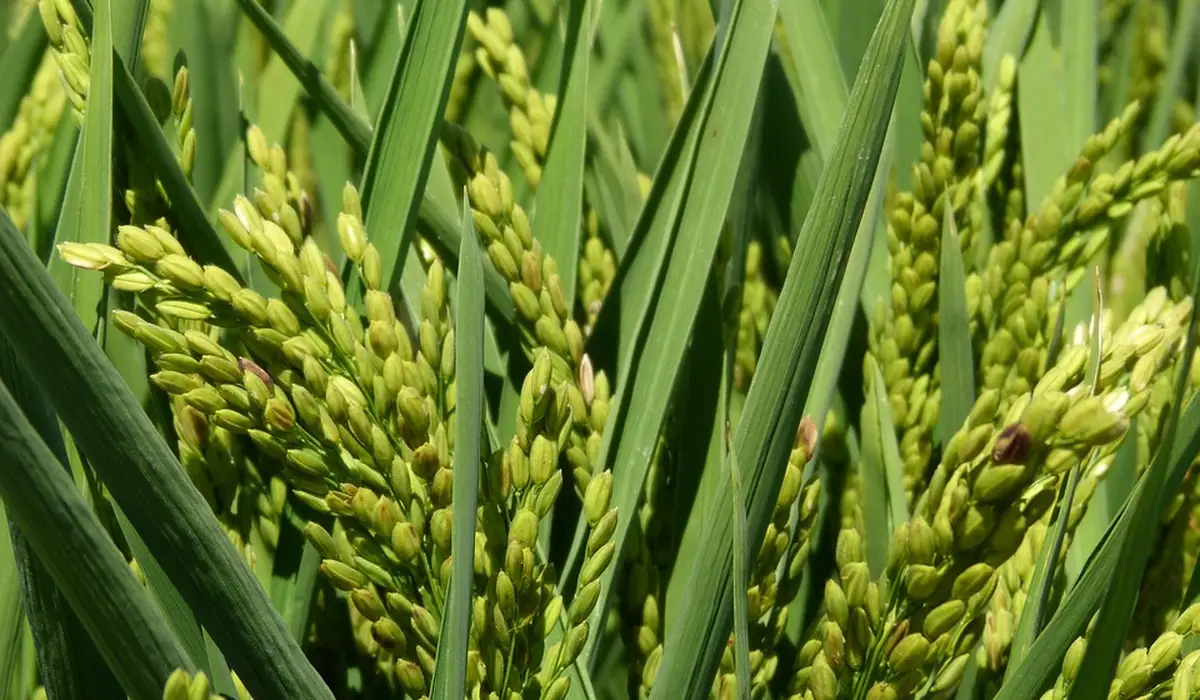
Rice isn’t just a filler; it’s a fantastic source of energy for your active bird. Plain, cooked rice provides easily digestible carbohydrates that fuel your parrot’s playful antics and chatter throughout the day. My conure, Kiwi, gets a little extra zoomie energy after a small rice treat, which is perfect before a training session.
Beyond energy, brown rice offers a nice fiber boost for digestive health. The fiber in brown rice helps keep your parrot’s digestive system running smoothly, preventing issues like constipation. I’ve noticed my African Grey, Sage, seems more comfortable and has better droppings when I include a bit of brown rice in his varied diet.
Rice also contains essential B vitamins that support a healthy metabolism and nervous system. These vitamins are crucial for maintaining your parrot’s beautiful feather condition and overall vibrant health. It’s a simple way to contribute to that glossy, healthy plumage we all love to see.
Step-by-Step Rice Preparation for Parrots
Preparing rice for your parrot is simple, but getting it right is non-negotiable for their safety. Always start with plain, uncooked rice—white or brown are both excellent choices, but avoid any pre-seasoned or instant rice mixes. I keep a dedicated bag of organic brown rice just for my flock. For homemade parrot food recipes, you can build balanced meals by mixing cooked grains with chopped vegetables and safe proteins. This keeps nutrition varied and allows you to tailor options to your flock.
Rinse the rice thoroughly under cool water until the water runs clear. This crucial step removes surface starches and any potential dust or contaminants that could irritate your bird’s sensitive system. It only takes a minute but makes a world of difference.
Cooking Methods That Keep Rice Bird-Safe
The safest way to cook rice for your parrot is by boiling or steaming it in plain water. Never, ever add salt, butter, oils, or any seasonings to the cooking water, as these can be toxic to parrots. I use a simple pot with a tight-fitting lid for perfectly fluffy rice every time.
Follow these simple steps for perfect parrot-safe rice:
- Measure one part rinsed rice to two parts water.
- Bring the water to a rolling boil first.
- Add the rice, reduce heat to a low simmer, and cover.
- Cook for 15-20 minutes for white rice, or 40-45 minutes for brown rice.
- Let the rice cool completely to room temperature before serving.
Always ensure the rice is fully cooled to prevent any risk of burning your parrot’s crop, a very sensitive part of their anatomy. I usually cook a batch in the morning so it’s ready for their afternoon meal.
How Much Rice to Feed Your Parrot
Rice should be a treat, not a staple. A good rule of thumb is to limit rice to no more than 10% of your parrot’s total daily food intake. For my smaller conures, this is about a teaspoon of cooked rice a few times a week. For species-specific guidance, refer to a complete parrot feeding guide to tailor portions and variety for your bird’s needs. It outlines diet requirements by species and helps you plan a balanced daily intake.
Portion size depends entirely on your parrot’s size and species. Larger parrots like Macaws or Greys can handle a tablespoon occasionally, while smaller birds like Budgies should only get a few grains. Watch your bird’s weight and adjust portions if you notice any changes.
Balancing Rice with Other Foods in Your Parrot’s Diet
A healthy parrot diet is a colorful mosaic of different foods. Think of rice as one small tile in the larger picture of your parrot’s nutritional needs, not the main event. I mix a small amount of rice into a chop full of fresh veggies for my birds. You can also find DIY parrot food recipes here to vary their diet even more.
Always pair rice with other food groups for a balanced meal. Combine a small portion of rice with dark leafy greens, chopped vegetables, and a high-quality pellet to create a complete and satisfying meal. My sun conure, Sunny, loves when I mix her rice with finely chopped broccoli and carrots.
Rotate rice with other healthy grains like quinoa or cooked oats to keep meals interesting. Variety isn’t just the spice of life for parrots; it’s the key to preventing nutritional deficiencies and food boredom. Following general parrot dietary guidelines, a varied, balanced diet supports their health. Pair grains with fresh vegetables and a suitable pellet or fortified mix for a complete daily intake. I switch up the grains I offer each week to keep my flock excited about mealtime.
Healthy Alternatives to Rice for Parrot Nutrition
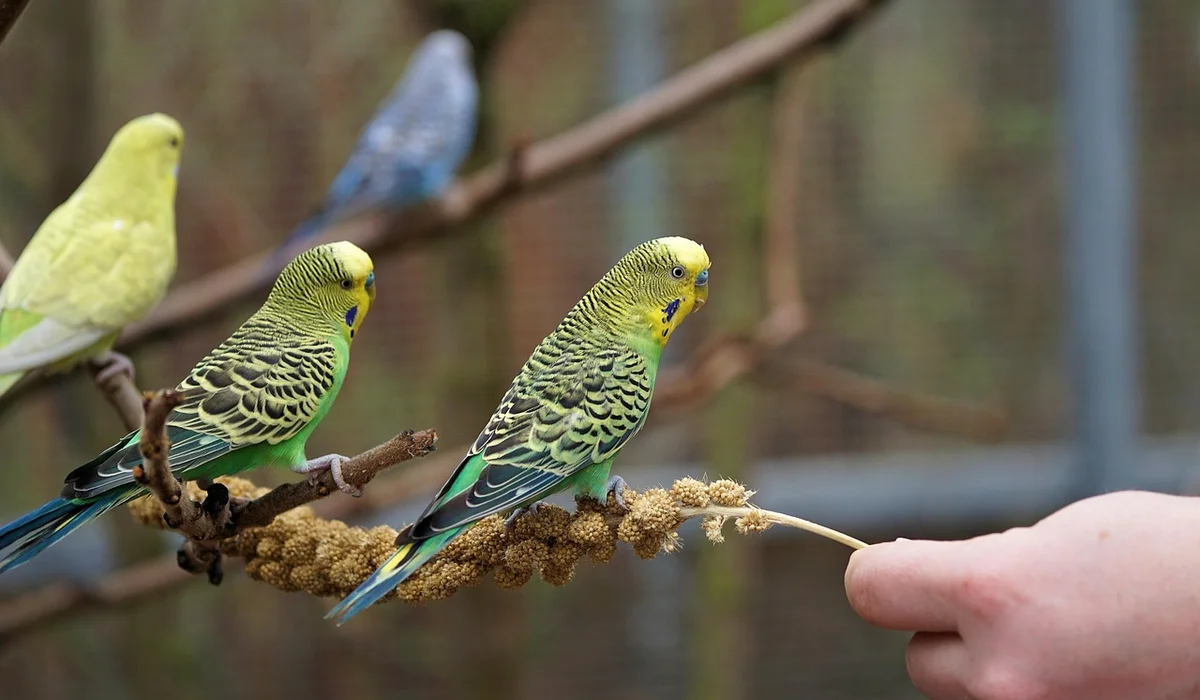
Rice can be a fun snack, but your parrot’s diet needs variety to keep them thriving. I rotate grains like quinoa and millet for my flock because they offer more protein and fiber than plain rice. Kiwi, my playful Green-cheeked Conure, adores the tiny seeds in millet sprays-it’s like a mini treasure hunt for him!
Fresh fruits and veggies are must-haves in our daily routine. Sunny, my social Sun Conure, brightens up when I add chopped sweet potatoes or bell peppers to her meals. These colorful foods provide essential vitamins that support their vibrant feathers and energy levels.
- Quinoa: A protein powerhouse that cooks quickly and mixes well with other foods.
- Millet: Easy to digest and perfect for training treats or sprinkling over meals.
- Oats: Great for colder days; I serve them cooked and cooled to Sage, my smart African Grey.
- Leafy greens: Spinach or kale add crunch and nutrients without extra calories.
Always wash and prepare these alternatives carefully to remove pesticides. Household toxins—such as cleaning products, aerosols, and fumes from non-stick cookware—can make parrots sick even in small amounts. I steam or lightly cook hard veggies to make them easier for my parrots to eat and digest. This small step prevents choking and keeps their tummies happy. Being mindful of these household dangers helps keep parrots healthy.
Storing Rice and Safety Tips for Parrot Owners
Proper storage keeps rice safe and tasty for your feathered friends. I store uncooked rice in a cool, dry place inside airtight containers to block moisture and pests. Moldy rice can harm parrots, so I check it often and toss anything that looks off.
Cooked rice needs extra care because it spoils fast. Refrigerate leftover rice within two hours and use it within three days to avoid bacterial growth. My parrots, like Sage, enjoy it chilled or at room temperature-never straight from the fridge if it’s too cold.
- Keep rice away from spices or salt, which are toxic to parrots.
- Serve rice plain and unseasoned; I mix it with safe veggies for a balanced treat.
- Avoid reheating rice multiple times, as it can develop harmful toxins.
- Monitor your parrot after feeding new foods for any signs of allergy or discomfort.
Clean feeding bowls daily to prevent contamination. I use stainless steel dishes for my parrots because they’re easy to sanitize and don’t harbor bacteria. This simple habit supports their long-term health and happiness.
FAQs
How many types of parrot rice exist?
Several types of rice are safe for parrots, with common varieties including white, brown, and wild rice. The exact number can vary, but these are the main options that provide different nutritional benefits for your bird.
What distinguishes the various parrot rice types?
Different rice types are distinguished by their nutritional profiles, such as higher fiber in brown rice versus the refined carbohydrates in white rice. Texture and cooking requirements also vary, with wild rice being denser and needing longer preparation times.
Where are parrot rice types commonly grown?
Brown and white rice are widely cultivated in regions like Asia, the Americas, and Europe, depending on the variety. Wild rice is often grown in North American wetlands, particularly in areas like the Great Lakes.
What are the typical uses for different parrot rice types?
Brown rice is commonly used to boost fiber intake in a parrot’s diet, supporting digestive health. White rice serves as a gentle, energy-rich treat, while wild rice can be included for its higher protein content in mixed meals.
How can you identify different parrot rice types?
You can identify rice types by visual cues, such as the light color and smooth texture of white rice compared to the darker, rougher grains of brown rice. Wild rice is recognizable by its long, slender shape and dark brown to black coloration.
Feeding Your Feathered Friend Right
Stick with plain, cooked brown rice as a healthy treat and always skip the salt, oil, and seasonings to keep your parrot safe and sound. For Quaker parrots, safe, simple options like plain rice can fit into a varied diet. Always verify new foods are bird-safe and introduce them gradually. Whether you serve it warm or at room temperature, rice can be a wonderful part of a varied diet that also includes pellets, fresh veggies, and other bird-safe foods.
Your parrot relies on you for everything, so committing to their well-being means staying curious and always learning more about their complex needs. We owe it to our intelligent, lifelong companions to provide not just love, but also the most informed and thoughtful care possible. When you compare large parrots to small parrots, you see how daily needs and space differ. That awareness helps prospective owners gauge the long-term commitment of each size.
Further Reading & Sources
- Can Parrots Eat Rice? Vet Approved Facts & FAQ | Hepper Pet Resources
- r/parrots on Reddit: Is rice bad for conures? I was having lunch (rice with carrot and meat) and my conure just came and eat 1 rice, and i wondered if rice is good for them
- The Truth About Rice for Parrots – Bird Street Bistro
Suzanne Levine is a dedicated parrot enthusiast and experienced avian caregiver with over 15 years of hands-on experience in parrot care. As the founder of Parrot Care Central, Suzanne is passionate about sharing her knowledge and insights to help fellow parrot owners provide the best possible care for their feathered friends. Her expertise spans nutrition, behavior, health, and enrichment, making her a trusted resource in the parrot care community.
Nutrition