When Do Baby Parrots Start Talking and Flying? (Development Timeline)
If you’re eagerly watching your baby parrot, you might feel a mix of excitement and worry about when they’ll start chatting or taking flight-and whether they’re hitting milestones on time.
I’ve raised parrots like Kiwi, Sunny, and Sage, and I’ll guide you through what to expect with clear, experience-based insights.
Here are the key takeaways we’ll cover:
- Typical age ranges for first words and flights across different parrot species.
- How factors like personality and environment shape their development.
- Simple signs to ensure your parrot is thriving and healthy.
You’ll walk away with practical advice you can trust. Talking milestones, flying timelines, species differences, care tips, and common concerns.
The Journey from Egg to Flight: Parrot Development Stages
From Egg to Hatch: Incubation Insights
Parrot eggs typically incubate for 18 to 30 days, depending on the species. During this time, parents or caretakers must maintain a stable temperature and humidity to support healthy development. I’ve seen in aviary settings how crucial this balance is-too much variation can lead to failed hatches. Always prioritize the welfare of breeding birds by providing a stress-free environment.
- Keep nesting areas clean and quiet.
- Monitor temperature around 99°F (37°C) for most species.
- Avoid handling eggs unnecessarily to prevent damage.
Chick Stage: Early Growth and Care
Newly hatched chicks are blind, featherless, and totally dependent on caregivers. Hand-feeding requires a strict schedule every few hours with specialized formula to mimic natural parent feeding. My Green-cheeked Conure, Kiwi, was hand-fed, and I learned that gentle handling and proper hygiene prevent infections. Watch for steady weight gain and alert behavior as signs of health.
- Feed high-protein parrot formula at 105°F (40°C).
- Provide a brooder for warmth until feathers emerge.
- Socialize early with soft talking to build trust.
Fledgling Stage: Ready for First Flights
Around 8 to 12 weeks, parrots enter the fledgling stage and attempt their first flights. This period is all about building wing strength and coordination through short, supervised practice. I remember Kiwi’s first flight at 10 weeks-it was clumsy but joyful! Ensure the space is safe with padded perches and no hazards like fans or open windows.
- Encourage flight in a enclosed, bird-proof room.
- Offer varied perches at different heights.
- Limit distractions to reduce stress during practice.
Juvenile to Adult: Maturing Milestones
Juveniles develop full plumage and learn social cues, reaching adulthood between 1 to 4 years based on species. This phase involves hormonal changes, so provide mental stimulation to curb unwanted behaviors like screaming. My Sun Conure, Sunny, became more independent around age 2, showing off his vibrant colors and playful antics. Regular vet checks help track milestones like sexual maturity.
- Introduce foraging toys to engage their curiosity.
- Maintain a balanced diet with pellets, veggies, and occasional treats.
- Spend quality time daily to reinforce bonding.
Unlocking Speech: When Parrots Start Talking
Typical Talking Age Ranges
Parrots begin vocalizing words anywhere from 6 months to 3 years, with species like African Greys often starting earlier. My African Grey, Sage, surprised me by mimicking “hello” at just 8 months, while conures like Kiwi may take over a year. That’s the gist of the question: how long does it take different parrot species to talk? Timelines vary widely by species and by individual, so expectations should be flexible. Smaller parrots might stick to whistles, but patience pays off. Track progress with a journal to note new sounds.
- African Greys: 6-12 months
- Conures: 1-2 years
- Amazon Parrots: 1-3 years
Factors Influencing Speech Development
Speech isn’t guaranteed-it hinges on environment, social interaction, and individual personality. Birds in noisy, engaging homes often pick up words faster than those in quiet isolation. Sunny, my social Sun Conure, learned phrases quickly because I talk to him during playtime. Positive reinforcement with treats or praise makes learning fun and effective.
- Daily human interaction boosts mimicry skills.
- Exposure to varied sounds like music or TV.
- Genetic predisposition in intelligent species.
Encouraging Your Parrot’s Vocal Skills
Start with simple, repeated words in a cheerful tone during calm moments. I’ve found that short, frequent sessions work better than long drills to keep your parrot engaged and stress-free. Use their favorite rewards-for Sage, it’s a bit of walnut-to celebrate attempts, even imperfect ones. Always respect their limits; not all parrots will talk, and that’s okay.
- Choose clear, one-syllable words like “hi” or “good.”
- Practice at the same time each day for consistency.
- Respond excitedly when they mimic to build confidence.
Taking Flight: Baby Parrot Flying Milestones
What is Fledging and When It Occurs
Fledging is that exciting moment when a baby parrot leaves the nest for the first time and begins to fly. This stage usually happens between 8 to 12 weeks for many parrot species, but it can vary based on breed and individual development. I remember watching my Green-cheeked Conure, Kiwi, at around 10 weeks old-he’d flap his wings wildly in the nest before taking that brave leap. It’s a natural process where they gain independence, so never rush it; let your bird set the pace to ensure their well-being.
Building Wing Strength and Coordination
Baby parrots build flight muscles through playful activities like flapping, climbing, and balancing. You can support this by providing varied perches and safe spaces for exercise, which I did with my Sun Conure, Sunny, by adding rope perches at different heights. Here’s a simple routine to encourage strength:
- Encourage short, supervised flapping sessions daily.
- Place toys that require reaching or pulling to boost coordination.
- Ensure a balanced diet rich in nutrients for energy-this made a huge difference for Sage, my African Grey, who was flying smoothly by 12 weeks.
Always monitor for signs of fatigue, and avoid overexertion to protect their health.
First Flight Experiences and Training
That first flight can be wobbly and unpredictable, but it’s a milestone full of learning. Start in a secure, enclosed area to prevent accidents, like I did with Kiwi in a bird-safe room with padded surfaces. Follow these steps for a positive experience:
- Remove hazards like ceiling fans or open windows.
- Use positive reinforcement-offer a favorite treat after a successful flight.
- Practice short distances gradually, building up as confidence grows.
If your parrot seems scared, give them time and never force it; patience is key to fostering a happy, healthy flyer. A calm, gentle approach helps a scared or stressed parrot feel safe. Watch for signs of stress and respond with soft words and slow movements.
Species Spotlight: Talking and Flying Ages by Parrot Type
African Grey Parrots
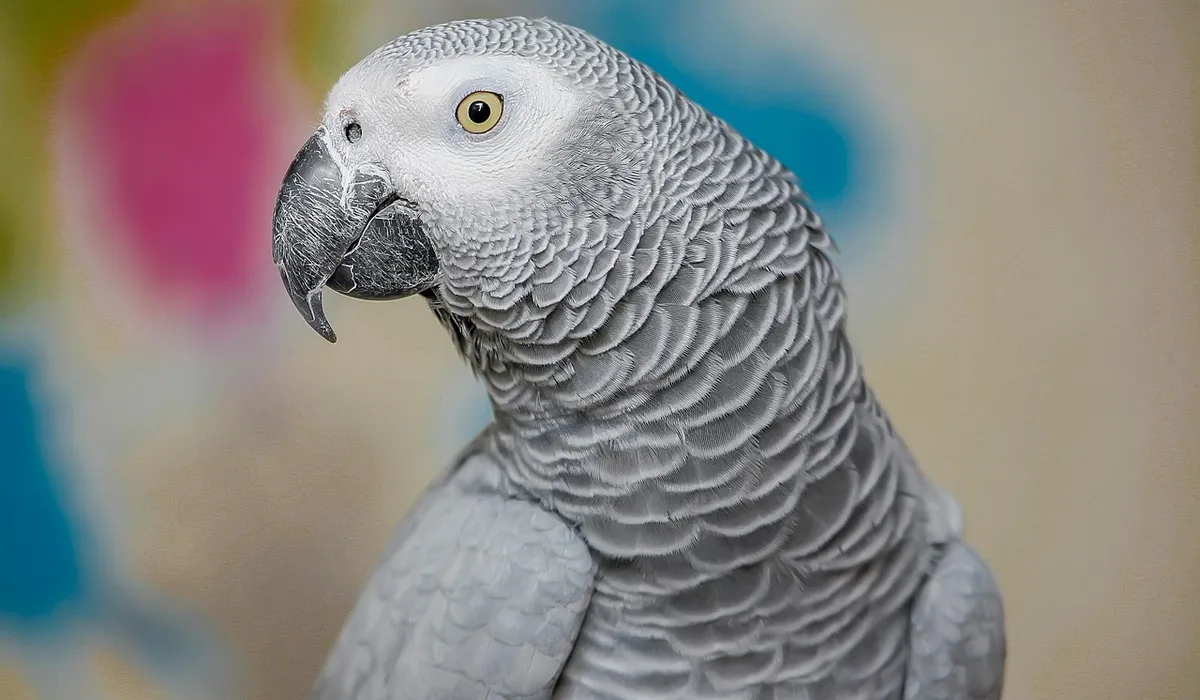
African Greys, like my smart and calm Sage, are late talkers but quick fliers. They often start mimicking words around 12 to 18 months, but flying begins as early as 10 to 14 weeks. These birds need mental stimulation to thrive, so I’ve found that talking to them daily and providing puzzle toys helps speed up their vocal development without stress.
Amazon Parrots
Amazon parrots are social chatterboxes with flying skills that develop steadily. Most begin talking between 6 to 12 months and take their first flights around 8 to 12 weeks. Their playful nature means they benefit from interactive training—I’ve seen them pick up phrases faster when rewarded with affection, much like how dogs learn tricks. To understand how parrots mimic human speech and sounds, you need to spend quality time with them.
Eclectus Parrots
Eclectus parrots have a gentle demeanor and follow a moderate timeline. Speaking typically starts at 1 to 2 years, while flying occurs between 10 to 16 weeks. Their diet is crucial; I always emphasize fresh fruits and veggies to support their energy for flight, as poor nutrition can delay milestones.
Ringneck Parrots
Ringnecks are known for their clear speech and agile flight. They often talk by 8 to 12 months and fledge around 7 to 10 weeks. These birds are independent, so I recommend socializing them early to prevent shyness-regular handling made my friend’s Ringneck a confident flyer and talker.
Conures and Other Popular Species
Conures, like my playful Kiwi and social Sunny, vary widely but are generally early fliers and moderate talkers. Green-cheeked Conures may start flying at 8 to 10 weeks and talking around 6 to 12 months, while Sun Conures often fledge by 9 to 11 weeks and speak by 8 to 14 months. Here’s a quick guide for common types:
- Green-cheeked Conures: Flying at 8-10 weeks, talking at 6-12 months.
- Sun Conures: Flying at 9-11 weeks, talking at 8-14 months.
- Cockatiels: Flying at 8-10 weeks, talking rarely or with whistles by 6 months.
Always tailor care to the species-for instance, Conures need lots of playtime to stay engaged, which I ensure by rotating toys weekly to keep things fresh and fun.
Nurturing Growth: How to Support Your Parrot’s Development
Optimal Diet for Growing Parrots
Feeding a baby parrot is not just about filling a bowl; it’s about building a foundation for a long, healthy life. I learned this firsthand raising my Green-cheeked Conure, Kiwi. A diet of only seeds is like feeding a child only candy-it lacks the essential nutrients for proper bone and feather development.
Your growing parrot needs a high-quality, species-specific pellet as the base of their diet. Many owners wonder whether pellets or seeds make the better base for a parrot’s diet. In general, a pellet-based base helps ensure balanced nutrition, with seeds used sparingly as a treat or supplement. Fresh vegetables like chopped kale, sweet potato, and carrots provide vital vitamins, while a small amount of fruit offers natural enrichment. I always chop everything into bite-sized pieces to make it easy for my birds to eat.
- High-quality pellets (60-70% of the diet)
- Fresh, chopped dark leafy greens and vegetables (30-40%)
- Limited fruits and healthy treats like nuts (10%)
- Constant access to clean, fresh water
Enrichment and Socialization Strategies
A bored parrot is an unhappy parrot, and that stress can stall their development. My Sun Conure, Sunny, thrives on daily interaction. Your voice is one of the most powerful tools for socialization. Talk to your parrot constantly, narrating your day in a calm, happy tone. If you’re wondering why your parrot seems bored, it’s usually a sign they need more enrichment. I help by rotating toys, adding foraging challenges, and mixing in short, varied sessions to keep Sunny engaged.
Rotate their toys frequently to keep their environment novel and challenging. Foraging toys that hide treats encourage natural problem-solving behaviors and provide mental exercise. I hide little pieces of walnut in a puzzle toy for Sage, my African Grey, and watching her figure it out is a joy.
- Spend at least 2-3 hours daily in out-of-cage social time.
- Introduce a variety of safe toys: shreddable, foraging, and noise-making.
- Play gentle music or nature sounds when you are not home.
- Use positive reinforcement with treats for calm, desired behaviors.
Monitoring Health and Milestones
Keeping a simple journal was a game-changer for me. I noted when Kiwi took his first wobbly step and when Sage mimicked her first sound. This helps you track progress and spot potential issues early.
Weigh your parrot weekly using a small gram scale; consistent weight gain is a key indicator of good health. A sudden drop in weight is often the first and most subtle sign that something is wrong. Monitor their droppings—consistent color and texture mean a happy digestive system. Keeping your parrot within its healthy weight range for parrots helps support obesity prevention and overall wellbeing. If weight trends outside the healthy range, adjust diet and activity and consult a veterinarian as needed.
- Weekly Weigh-ins: Track for steady growth.
- Feather Inspection: Look for smooth, emerging pin feathers.
- Activity Log: Note increases in playfulness and exploration.
- Vocalization Diary: Jot down new sounds or attempts at mimicry.
Red Flags: Signs of Developmental Delays and Vet Visits
Physical Development Delays
Baby parrots grow at an astonishing rate, so delays can become apparent quickly. If your chick is significantly smaller than its clutchmates or seems weak and lethargic, pay close attention.
Watch for feathers that refuse to unfurl or appear ragged and discolored. An inability to perch properly by the expected age is a major physical red flag that requires immediate attention. I once fostered a budgie who couldn’t grip a perch, and it turned out to be a nutritional deficiency we could correct.
- Persistent, mostly bare patches after feathers should have grown in.
- Constant sitting on the cage floor instead of perching.
- A pronounced “wobble” or head tilt that does not resolve.
- Difficulty balancing or coordinating movements.
Behavioral and Cognitive Red Flags
Behavior tells a deep story about a parrot’s mental state. While every bird has a unique personality, a complete lack of curiosity is concerning. A healthy baby parrot should be interested in its surroundings and new toys.
Excessive, monotone screaming is different from normal contact calls-it often signals distress or boredom. A sudden onset of feather plucking or self-mutilation is a severe behavioral cry for help, often linked to pain or extreme psychological stress. My friend’s parrot started plucking when the household routine became chaotic, a clear sign he was overwhelmed.
- No interest in playing or exploring.
- Extreme fearfulness that does not lessen with gentle socialization.
- Failure to respond to any auditory cues or familiar voices.
- Repetitive, stereotypical movements like pacing or head bobbing.
When to Seek Professional Help
You are your parrot’s first and most important advocate. Do not hesitate to call an avian vet if you see anything that worries you. It is always better to be safe and get a professional opinion.
Any sign of labored breathing, like tail bobbing or open-mouth breathing, is a dire emergency. If your parrot is fluffed up for more than a few hours, sitting on the cage floor, and refusing food, this indicates a critical level of illness. For quick reference, a respiratory distress checklist can help you spot signs of breathing problems in parrots early. Look for rapid or labored breathing, nasal discharge, or beak opening along with tail bobbing. Vets have told me that by the time a parrot looks “sick,” they have often been ill for a while, so early intervention is everything.
- Immediately: Labored breathing, injury, bleeding, or seizures.
- Within 24 Hours: Not eating, drinking excessively, or passing abnormal droppings.
- Schedule a Check-up: For any developmental delays or persistent behavioral changes.
FAQs
How does parental care influence the development timeline of parrots?
Parental care provides essential feeding and protection, which can accelerate growth and milestone achievement in chicks. Inadequate care may lead to delays, so consistent nurturing is crucial for timely development.
At what age do parrots reach sexual maturity?
Parrots typically reach sexual maturity between 1 to 4 years, depending on the species, with smaller parrots maturing faster. This milestone marks their readiness for breeding and often brings behavioral changes. During the breeding season, parrots perform courtship displays and vocalizations. The exact timing of their parrot breeding season timing depends on species, climate, and location.
How long do parrot chicks stay with parents after hatching?
In the wild, parrot chicks usually stay with their parents until they fledge and become independent, which can take several weeks to months. In captivity, hand-reared chicks may wean earlier but still benefit from social bonds. These early lessons are crucial for wild survival, teaching chicks to recognize predators and locate food. They also learn social cues and flocking behavior that increase safety in natural habitats.
What cognitive or physical milestones occur during parrot development?
Cognitive milestones include problem-solving and mimicry, while physical ones involve feather growth, perching, and coordinated movement. Tracking these helps ensure your parrot is progressing healthily through each stage.
Do different parrot species have significantly different development timelines?
Yes, development timelines vary greatly by species, with larger parrots like macaws taking years to mature compared to smaller ones like budgies. Always research your specific parrot type to set accurate expectations.
In Closing
Every baby parrot follows its own unique schedule, but generally, you can expect those first wobbly flights to happen between 10 to 14 weeks, while those adorable first words typically start bubbling up around the one-year mark. Patience is your best friend here, as forcing these milestones can do more harm than good for your feathered companion. To help you prepare, a baby parrot care complete guide for the first 90 days is invaluable. It covers feeding, housing, and gentle socialization to support healthy development.
Caring for a parrot is a long-term commitment that requires you to grow alongside your bird, always seeking new ways to enrich its life. Your dedication to learning and providing a loving, stimulating home is the single most important factor in your parrot’s health and happiness.
Further Reading & Sources
- What is the developmental cycle of baby parrots? – Companion Animals
- The Stages of Development for Baby Parrots
- The Important Stages in the Life of a Parrot
Suzanne Levine is a dedicated parrot enthusiast and experienced avian caregiver with over 15 years of hands-on experience in parrot care. As the founder of Parrot Care Central, Suzanne is passionate about sharing her knowledge and insights to help fellow parrot owners provide the best possible care for their feathered friends. Her expertise spans nutrition, behavior, health, and enrichment, making her a trusted resource in the parrot care community.
Chick Care