
Ultimate Parrot Problem Diagnostic Guide: Step-by-Step Troubleshooting Checklist
Published on: December 2, 2025 | Last Updated: December 3, 2025
Written By: Suzanne Levine
Is your parrot acting out of character, leaving you anxious and unsure what to do next? I’ve been there with my own flock, like when Kiwi started plucking feathers out of the blue.
Drawing from years of hands-on experience caring for parrots like Sunny and Sage, I’ll walk you through a clear, methodical approach to pinpoint issues and ensure your bird’s well-being. Here are three key insights you’ll gain:
- How to spot subtle signs of stress or illness before they escalate.
- A straightforward checklist to rule out common environmental and dietary triggers.
- Practical steps to address problems safely, putting your parrot’s health first.
You’ll leave with actionable advice that’s easy to follow, even if you’re new to parrot care. We’ll dive into topics like behavior changes, health symptoms, diet adjustments, cage setup, and social interactions, all laid out in a simple, scannable format.
What Does a Happy, Healthy Parrot Look Like?
When your parrot is thriving, it shows in every feather and chirp. A vibrant, engaged bird displays clear physical and behavioral cues that scream “I’m doing great!” From my years with Kiwi, Sunny, and Sage, I’ve seen firsthand how their happiness lights up the room. There are 10 key signs to tell if your parrot is happy. I’ll walk you through them.
Look for bright, alert eyes that follow your movements with curiosity. Healthy parrots have smooth, well-preened feathers without bald patches or discoloration. Kiwi’s green and red plumage always gleams when he’s feeling his best.
Their energy levels tell a big story. Playful antics, like climbing or tossing toys, signal a content mind and body. Sunny loves to hang upside down and squawk for attention-it’s her way of saying all is well.
- Active and inquisitive behavior, such as exploring new perches or puzzles.
- Clear, consistent vocalizations-happy chirps, not distressed screams.
- Balanced appetite with steady eating and drinking habits.
- Social interactions, like preening you or other birds, showing trust and bonding.
Sage’ calm, intelligent demeanor includes soft murmurs and focused problem-solving. Regular, firm droppings and a clean vent area are non-negotiable signs of internal health. Always prioritize their welfare by observing these daily.
Spotting Trouble: Common Signs Your Parrot Isn’t Feeling Well
Parrots hide illness well, so you must be a sharp detective. Early detection can save your feathered friend from serious health issues. I’ve nursed Kiwi back from a sneeze that turned into a respiratory scare-it taught me to watch closely.
Physical changes are your first red flags. Fluffed-up feathers for long periods often mean your bird is trying to conserve heat because it’s unwell. If Sage’s grey coat looks ruffled and dull, I know to check her temperature.
- Lethargy or lack of movement, like staying at the cage bottom.
- Weight loss or a prominent keel bone you can feel easily.
- Discharge from eyes or nostrils, or labored breathing.
- Changes in droppings: unusual color, consistency, or frequency.
Behavioral shifts scream for attention. A sudden loss of appetite or refusal of favorite treats is a major warning sign. When Sunny stopped eating her seeds, I rushed her to the vet and caught an infection early.
- Monitor vocal changes: increased silence or distressed noises.
- Watch for aggression or fear toward familiar people or environments.
- Check for repetitive behaviors, like excessive feather plucking.
- Note any imbalance or difficulty perching, which could indicate weakness.
Trust your gut-if something feels off, it probably is. Advocating for animal welfare means acting fast at the slightest hint of trouble. Your parrot’s life could depend on your vigilance.
Your Parrot Problem Diagnosis Checklist: A Step-by-Step Approach
Start with a Quick Health Check
Begin by observing your parrot’s overall demeanor right when you approach their cage. I’ve found that catching subtle shifts early can prevent bigger issues down the line, especially when it comes to treating a sick parrot. Look for changes in their usual energy—like if Kiwi, my Green-cheeked Conure, isn’t eagerly climbing or playing with his toys as he normally does. Check their posture; a hunched or fluffed-up bird might be feeling unwell. Peek at their eyes and nostrils for any discharge or swelling, which could signal infection. Listen for unusual breathing sounds, like wheezing or clicking, as these are red flags. Trust your gut; you know your bird’s normal better than anyone.
- Watch for lethargy or excessive sleeping during active hours.
- Note any weight loss by gently feeling their breastbone-it shouldn’t be sharp or protruding.
- Check for balance issues or difficulty perching, which might point to injury or illness.
Examine Feathers, Skin, and Beak
Feathers are like a parrot’s personal health report card, and I always inspect them closely during routine checks. Healthy feathers should be smooth, vibrant, and free of bald patches or breaks. Run your fingers gently over their body; if Sage, my African Grey, has dull or frayed feathers, it could mean nutritional gaps or stress. Look at the skin underneath for redness, scaling, or parasites. Don’t forget the beak-it should be symmetrical and not overgrown. Beak issues often stem from diet or lack of chewing toys, so provide plenty of safe wood to gnaw on.
- Identify signs of molting versus feather plucking-molting is natural, but plucking leaves uneven gaps.
- Check for crusty residue around the beak or eyes, which might indicate mites or infection.
- Ensure the beak isn’t cracked or discolored, as this can affect eating and comfort.
Monitor Eating, Drinking, and Digestion
Keep a close eye on what goes in and out, as digestive changes are often the first clue something’s off. I track Sunny’s eating habits daily; if she turns away from her favorite fruits, I investigate further. Note how much water they drink-too little or too much can signal dehydration or kidney issues. Examine their droppings for color, consistency, and frequency; healthy ones are firm with white urates and dark feces. Sudden weight loss or gain calls for a vet visit to rule out underlying problems.
- Offer a variety of fresh foods and note any aversions or preferences.
- Measure food and water intake to spot trends over time.
- Look for undigested seeds in droppings, which might mean digestive trouble.
Observe Behavior and Social Cues
Behavior tells a vivid story about your parrot’s well-being, and I’ve learned to read Kiwi’s playful antics like a book. Watch for shifts in vocalizations-loud squawks turning to silence can mean stress or illness. Notice how they interact with you or other birds; if Sunny, who’s usually social, starts hiding or biting, it’s a sign to slow down and reassess. Pay attention to body language, like pinned eyes or raised feathers, which communicate fear or excitement. Spending quality time together helps you spot these cues early and build a stronger bond.
- Track changes in sleep patterns or night frights, which disrupt rest.
- Observe play behavior-a lack of interest in toys might indicate boredom or pain.
- Note any repetitive actions, like pacing or screaming, that could stem from anxiety.
Decoding Common Parrot Health Issues and Symptoms
I’ve spent years with my flock-Kiwi, Sunny, and Sage-and I’ve learned their quirks are often the first clue something’s off. Spotting small changes early is your best defense against serious health problems. Let’s break down what to watch for.
Feather and Skin Troubles
Your parrot’s feathers are a billboard for their health. Plucking, dull colors, or bald patches scream for attention. In this complete guide to the most common parrot health concerns, you’ll learn what these signs mean and what to do next. We’ll cover prevention, diagnosis, and care so you can keep your bird thriving.
- Feather Plucking: This isn’t just boredom. It can signal skin infections, allergies, or liver issues. My conure, Kiwi, once plucked from a hidden mite infestation.
- Flaky or Discolored Skin: Dry, crusty skin often points to nutritional deficits, especially a lack of vitamin A.
- Broken Blood Feathers: These look like little red straws in a growing feather. They can bleed a lot and need immediate care.
Appetite and Dropping Changes
What goes in-and out-tells a huge story. A sudden shift here is a major red flag.
- Eating Less or More: A drop in appetite can mean infection or pain. Increased hunger might signal diabetes or malabsorption.
- Water Consumption Spike: If your bird is constantly at the water dish, think kidney issues or diabetes.
- Abnormal Droppings: Runny, discolored, or unusually smelly poop often indicates digestive trouble or internal infection.
Respiratory Red Flags
Birds hide respiratory illness until they’re very sick. You have to be a detective.
- Tail Bobbing: A slight up-and-down bob with each breath means your bird is working too hard to breathe.
- Wheezing or Clicking Sounds: Listen closely. These noises from the chest or nostrils are not normal and suggest respiratory infection.
- Nasal Discharge: Wet or crusty nostrils are a clear sign of sinus trouble or a more serious upper respiratory disease.
Behavior and Posture Shifts
Your parrot’s mood and how they carry themselves are powerful diagnostic tools.
- Lethargy or Fluffing Up: A bird that sits puffed up for hours is conserving energy to fight an illness. My sun conure, Sunny, did this with a low-grade fever.
- Balance Problems: Swaying, falling off perches, or a head tilt can indicate an ear infection or neurological issue.
- Aggression or Hiding: A normally social bird that suddenly bites or retreats is likely in pain or feeling very unwell.
| Symptom | Possible Cause | Your Immediate Action |
|---|---|---|
| Persistent Feather Plucking | Parasites, bacterial infection, nutritional deficiency, pain | Check for mites/lice, improve diet, schedule a vet exam |
| Sudden Loss of Appetite | Infection, organ disease, obstruction, poisoning | Offer favorite high-energy foods, keep warm, contact an avian vet immediately |
| Tail Bobbing & Wheezing | Respiratory infection, air sacculitis, heart disease | Ensure a warm, draft-free environment and seek emergency veterinary care |
Trust your gut-you know your bird better than anyone. If a behavior seems “off,” it probably is. Don’t wait and see; a quick call to your avian vet can make all the difference.
Environmental Checks: Is Your Home Hurting Your Bird?
Your parrot’s environment shapes their health and happiness more than you might think. I once saw my Sun Conure Sunny become withdrawn after we placed her cage near a drafty window, reminding me how small changes can have big impacts. So I started creating a safer and more stimulating indoor environment for her. Start by walking through your home with a bird’s-eye view to spot potential risks.
Household Toxins and Hidden Dangers
Many everyday items release fumes or particles that can poison your parrot. Non-stick cookware was a culprit for me; when I used a scratched pan, Kiwi started sneezing and seemed lethargic until I switched to ceramic. These environmental toxins are common in many homes and can affect parrots even at low exposure. Being aware of these household hazards helps keep your bird healthy. Check these common hazards:
- Aerosol sprays: Air fresheners, cleaners, or hairsprays can irritate delicate lungs.
- Lead and zinc: Old paint, certain toys, or metal cages might contain toxic metals.
- Plants: Lilies or philodendrons are pretty but poisonous if nibbled.
- Candles and incense: Smoke and scents can cause respiratory distress.
Always opt for natural cleaners and ventilate rooms well. After switching to vinegar-based solutions, Sage’s calm demeanor returned, showing how clean air supports their well-being.
Cage Setup and Placement Pitfalls
Where and how you set up the cage affects your bird’s stress levels and safety. My African Grey Sage taught me that a cage in a high-traffic area made her anxious, so we moved it to a quiet corner where she feels secure. Use this checklist to evaluate:
- Location: Avoid kitchens (fumes), bathrooms (humidity), or direct sunlight (overheating).
- Perch variety: Mix natural wood perches of different thicknesses to prevent foot sores.
- Toys and enrichment: Rotate toys weekly to keep minds engaged and prevent boredom.
- Cleanliness: Dirty cages harbor bacteria; I spot-clean daily and do a deep scrub each weekend.
Birds need space to stretch and play. Upgrading Kiwi’s cage to a larger one sparked her curiosity and reduced feather-plucking urges.
Noise, Light, and Social Stressors
Parrots are sensitive to their sensory environment, from sounds to social cues. Loud TVs or sudden noises used to startle Sunny, making her less affectionate until we created a calm routine. Sound management in the home can reduce stress for your parrot and improve overall behavior. By actively shaping the noise environment, you help Sunny stay calm. Assess these factors:
- Noise levels: Constant loud sounds can cause anxiety; provide quiet times for rest.
- Lighting: Ensure 10-12 hours of darkness for sleep-cover the cage at night like I do for all my birds.
- Social interaction: Isolation hurts; spend quality time talking or playing daily.
- Other pets: Keep cats or dogs at a safe distance to avoid predatory stress.
Mental stimulation is key for smart birds like Sage. Introducing foraging toys transformed her calmness into engaged problem-solving sessions.
Temperature and Air Quality Watch
Extremes in temperature or poor air flow can lead to health issues. I noticed Kiwi panting on a hot day, so we added a fan (not directly on her) and misted her with water to cool down. Monitor these elements closely:
- Temperature range: Keep it between 65-80°F; avoid drafts from windows or AC vents.
- Humidity: Aim for 40-60% to support respiratory health-use a humidifier if needed.
- Air pollutants: Dust, smoke, or strong odors should be minimized; I run an air purifier near the cages.
Regular checks help you catch problems early. By making these tweaks, my parrots’ vibrant personalities shine through, proving a safe home is a happy one.
When to Rush to the Vet: Emergency Red Flags
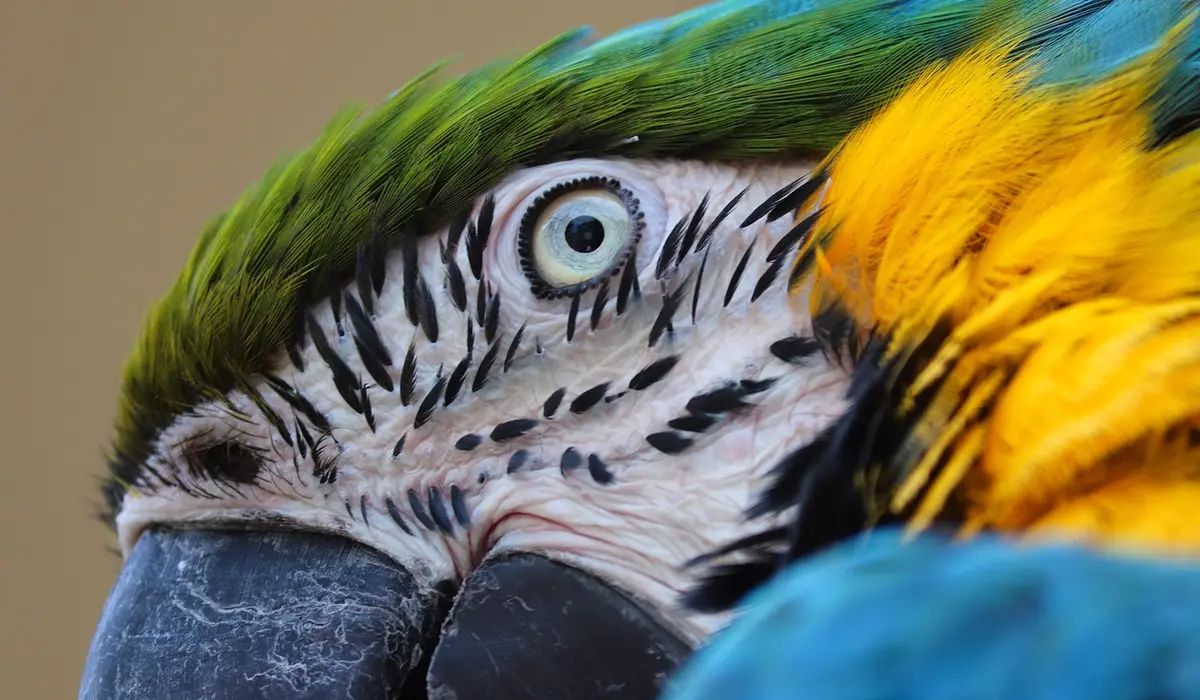
Over my years caring for Kiwi, Sunny, and Sage, I’ve learned that parrots are masters at hiding illness until it’s critical. Spotting these warning signs early can mean the difference between a quick recovery and a heartbreaking loss.
If you notice any of these symptoms, don’t wait-grab your bird and go straight to an avian vet.
- Labored breathing or open-mouth panting: When Sunny once puffed up and gasped after overheating, I knew it was a respiratory emergency. Breathing troubles often signal infections or toxins that need immediate treatment.
- Uncontrolled bleeding from any wound: Even a tiny nick can lead to shock if blood flow doesn’t stop. Apply light pressure with a clean cloth and head to the clinic without delay.
- Sudden inability to perch or stand: If your parrot tumbles off its favorite spot or can’t balance, it might have a fracture or neurological issue. This happened with Kiwi after a clumsy fall, and an X-ray revealed a minor sprain.
- Seizures, tremors, or loss of consciousness: These are never normal and require urgent care. Keep your bird in a safe, quiet space while you transport them to prevent injury.
- Refusal to eat or drink for more than a few hours: Parrots like Sage, who usually devour her meals, skipping food is a giant red flag. Dehydration and starvation set in fast with these small creatures.
- Repeated vomiting or watery diarrhea: It’s not just messiness-it can point to poisoning or severe infection. Watch for other signs like lethargy or discolored droppings.
- Visible trauma from accidents or attacks: Even if your bird seems fine after a scare, internal injuries might be lurking. I always get Sage checked after any rough play session.
- Suspected poisoning from plants or chemicals: Symptoms include drooling, weakness, or odd behavior. Remove any potential toxins and seek help immediately to protect their delicate systems.
Your parrot’s life could depend on your swift action, so never hesitate to err on the side of caution.
Keeping Your Parrot Thriving: Preventive Care Tips
Preventing issues before they start saves you and your feathered friend from stress. I’ve learned that a little daily effort keeps my parrots like Kiwi, Sunny, and Sage happy and healthy for years. Understanding why parrots die suddenly involves common causes like heart disease, respiratory infections, toxins, and malnutrition. Prevention comes from regular vet checks, safe housing, and a balanced diet.
Fuel Their Bodies Right: Nutrition Basics
A balanced diet is your parrot’s best defense against illness. Fresh veggies, high-quality pellets, and occasional fruits make a world of difference in their energy and feather quality. These are the basics of general parrot dietary guidelines. Tailor portions and variety to your bird’s species, age, and health.
- Offer a mix of pellets (70%), fresh vegetables like carrots and leafy greens (20%), and fruits as treats (10%).
- Avoid avocado, chocolate, and salty foods-they’re toxic and can cause serious health scares.
- Change water daily to prevent bacteria buildup; I use filtered water for all my birds to keep things simple.
Keep Minds Busy: Enrichment and Play
Boredom leads to feather plucking and other behavioral issues. Rotating toys and introducing new challenges keeps their brains engaged and reduces mischief.
- Provide foraging toys: Hide treats in puzzle feeders to mimic natural hunting behaviors.
- Offer a variety of perches with different textures, like natural wood and rope, to exercise their feet.
- Schedule daily out-of-cage time for flying and exploration; Kiwi loves her supervised jungle gym sessions!
Build Strong Bonds: Social Interaction
Parrots are social creatures who thrive on connection. Spending quality time together strengthens trust and prevents loneliness, which I’ve seen with Sunny’s cheerful chirps during our chats.
- Talk or sing to your parrot daily-even a few minutes builds rapport.
- Teach simple tricks using positive reinforcement, like step-up commands with a favorite treat.
- Watch for signs of stress, such as screaming or aggression, and adjust interaction levels accordingly.
Monitor Health Proactively: Routine Checks
Catching problems early can save your parrot’s life. Regular vet visits and at-home observations help you spot changes before they escalate.
- Schedule annual check-ups with an avian vet for vaccinations and overall health assessments.
- Weigh your parrot weekly to track any sudden weight loss or gain.
- Check droppings, feathers, and behavior daily; Sage’s calm demeanor alerts me if something’s off.
Create a Safe Haven: Environment Setup
Your parrot’s living space impacts their well-being immensely. Ensuring a clean, stimulating cage reduces risks of injury and illness over time. Proper parrot housing and cage requirements vary by size and species.
- Place the cage in a family area but away from drafts and direct sunlight to avoid temperature swings.
- Use non-toxic cleaning supplies and avoid aerosols that could harm their sensitive respiratory systems.
- Provide 10-12 hours of quiet, dark sleep each night to support their natural rhythms and mood.
FAQs
How often should I replace my parrot’s toys to keep them engaged?
Rotate toys weekly to prevent boredom and stimulate their curiosity. Introducing new textures and puzzles encourages natural behaviors and reduces stress.
What are the signs of dehydration in parrots?
Watch for sunken eyes, lethargy, and dry or flaky skin. Provide fresh water daily and seek veterinary care if symptoms don’t improve quickly.
Can changes in my routine affect my parrot’s behavior?
Yes, parrots thrive on consistency and may show anxiety through feather plucking or aggression. Stick to a regular schedule to promote their sense of security. When my parrot started plucking, a steady routine helped stop the plucking. Enrichment, proper nutrition, and veterinary checks can support this effort.
Closing the Loop
From my years with Kiwi, my playful Green-cheeked Conure, I’ve learned that using a step-by-step diagnostic checklist helps you catch problems early and respond effectively. Staying observant and methodical in your approach ensures you address issues before they escalate. Trust your instincts and the process to keep your parrot thriving.
Caring for parrots like Sunny, my social Sun Conure, is a rewarding responsibility that requires ongoing education and compassion. Your commitment to continuous learning and attentive care builds a lifelong, trusting relationship with your feathered companion. Always prioritize their health and happiness through informed, loving actions.
Further Reading & Sources
- ANAFI Troubleshooting guide Parrot Technical Communication 1/4
- Parrot ANAFI AI Troubleshooting Guide: Fix Common Drone Issues – DroneHundred
- Parrot AR.Drone 2.0 Troubleshooting – iFixit
Suzanne Levine is a dedicated parrot enthusiast and experienced avian caregiver with over 15 years of hands-on experience in parrot care. As the founder of Parrot Care Central, Suzanne is passionate about sharing her knowledge and insights to help fellow parrot owners provide the best possible care for their feathered friends. Her expertise spans nutrition, behavior, health, and enrichment, making her a trusted resource in the parrot care community.
Health & Wellness