
What Makes Quaker Parrots Unique? Nesting and Temperament Explained
If you’re considering a Quaker Parrot, you’re probably wondering what sets them apart from other birds and whether their lively nature fits into your home life.
I’ve spent years caring for parrots like my playful Kiwi and social Sunny, so I know how important it is to understand a bird’s true character before bringing one home. I’ll help you grasp their uniqueness by highlighting three key aspects:
- Their remarkable nest-building talents that create mini-fortresses in the wild.
- A temperament blending sharp intelligence with deep social bonds.
- Distinctive behaviors that make them both charming and challenging companions.
You’ll walk away with practical insights for responsible pet ownership. Topics covered: nesting behaviors, temperament traits, care tips, comparisons to other parrots
Getting to Know Your Quaker Parrot
Living with a Quaker parrot feels less like owning a pet and more like hosting a tiny, feathered CEO with strong opinions on interior design and the daily schedule. Their intelligence isn’t just a trait; it’s the driving force behind every quirky, charming, and sometimes mischievous thing they do. I’ve watched my own birds solve simple puzzles to get a treat, and the look of pure triumph in their eyes is something I’ll never forget.
Quaker Parrot Nesting: More Than Just a Home
For most parrots, a nest is a temporary spot for raising chicks. For a Quaker, it’s a multi-generational fortress. This powerful nesting instinct is what truly sets them apart from other parrot species and explains so much of their complex behavior. That nesting impulse also makes the ideal cage size and setup a practical consideration. When people ask about ideal cage size and setup requirements for a Quaker parrot, they discover that a roomy, multi-level cage with varied perches and enrichment is essential to honor that architectural instinct. My first Quaker, Pip, would meticulously tuck bits of paper into the cage bars every evening—a small echo of the grand architectural projects his wild cousins undertake.
Building Big: Communal Nests Explained
Imagine a bird-built apartment complex, and you’re close to picturing a Quaker parrot nest. They don’t just build a simple cup; they construct sprawling, multi-chambered structures out of twigs.
- Each mated pair has its own private entrance and chamber within the larger structure, like a little avian neighborhood.
- These nests can become enormous, sometimes weighing hundreds of pounds and housing dozens of birds across multiple generations.
- This behavior is so ingrained that even captive Quakers with no need for shelter will still compulsively gather and weave materials.
This isn’t just about survival; it’s about community. Watching them work together shows a level of social planning that is rare in the bird world.
Nesting and Bonding: Lifelong Partnerships
The drive to build and maintain a nest is deeply tied to a Quaker parrot’s heart. They are monogamous, often choosing a partner for life.
- Courtship begins with mutual preening and soft chattering, a gentle negotiation of partnership.
- The pair will then work as a seamless team, with one bird often gathering twigs while the other weaves them into the structure.
- This shared responsibility for their home cements their bond, making them incredibly loyal and devoted to one another.
In your home, this translates to a bird that sees you as its flock. Your Quaker’s desire to “build” with paper or toys is their way of including you in their life’s most important work. It’s a sign of deep trust and affection that should be gently encouraged with safe, destructible materials.
Quaker Parrot Temperament: Social Butterflies with Brains
Smart and Chatty: Why Quakers Love to Talk
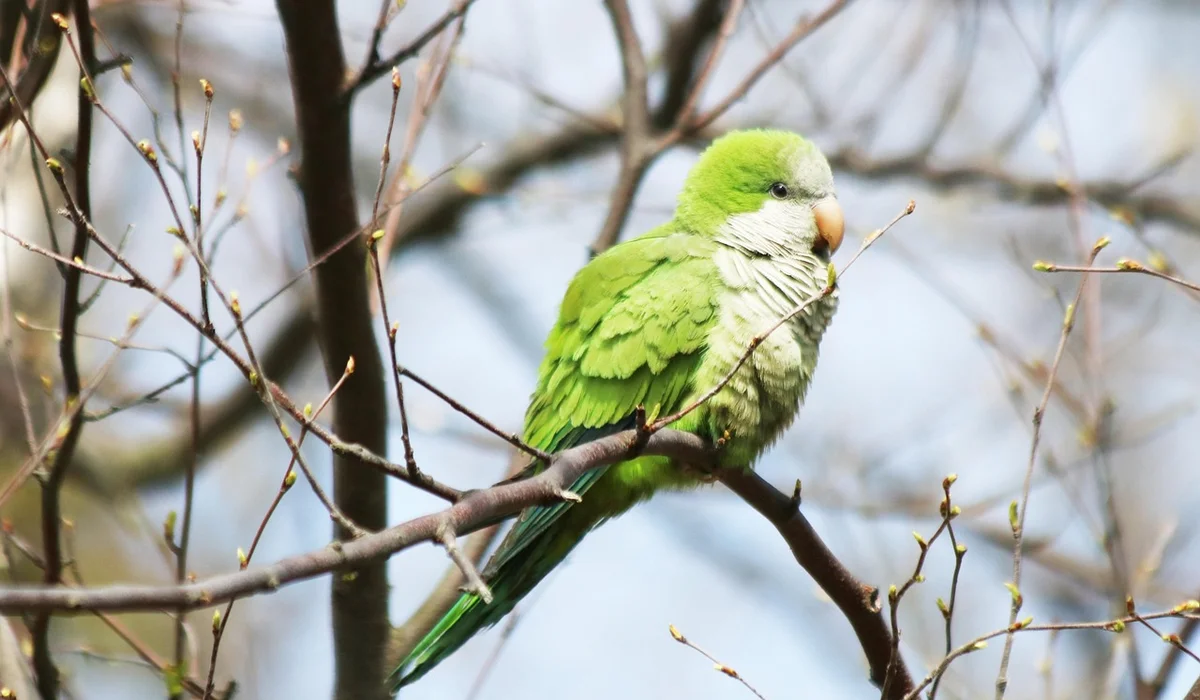
Quaker parrots have brains that rival some of the cleverest birds I’ve known. Their ability to mimic speech isn’t just a party trick – it’s a way they bond and communicate with you. From my years caring for parrots like Sage, my African Grey, I’ve seen how intelligence shines through in their playful banter. If you’re wondering when Quaker parrots start talking, they typically begin mimicking words around six to twelve months, though it varies by individual. Consistent daily conversation can help them pick up phrases more quickly. Quakers pick up words and phrases quickly because they’re social creatures who thrive on interaction. They often use sounds to express emotions, from happy chirps to excited squawks. Engaging in daily conversations with your Quaker can strengthen your relationship and keep their mind sharp. I’ve noticed that when I talk to Kiwi, my Green-cheeked Conure, she responds with her own little noises, showing how much they crave that back-and-forth.
These birds don’t just repeat words randomly. Quakers can associate phrases with actions, like saying “hello” when you enter the room. Their chatty nature stems from a deep-seated need for social stimulation. If you provide a lively environment, they’ll reward you with endless entertainment and companionship.
Affection and Play: Keeping Your Quaker Happy
Quaker parrots are bundles of energy and love, always seeking your attention. Regular playtime is non-negotiable for their happiness and mental health. I learned this firsthand with Sunny, my Sun Conure, who gets grumpy if she doesn’t get her daily cuddle sessions. Quakers enjoy physical affection, like gentle head scratches or perching on your shoulder. Incorporate a variety of toys to prevent boredom—think shreddable items, bells, and swings. Rotate them weekly to keep things exciting, just like I do for Kiwi to spark her curiosity. Also, before bringing a Quaker parrot home, check local regulations and permits—care includes legality. A quick Quaker Parrot Care guide can help you stay compliant while meeting their needs.
Play isn’t just fun; it’s essential for their well-being. Simple games like fetch or hide-and-seek can satisfy their need for interaction and reduce stress. Always supervise play to ensure safety, and watch for signs of joy, like fluffed feathers or happy chirps. Advocating for animal welfare means providing this enrichment daily-it’s what keeps these social butterflies thriving.
Daily Care for Your Quaker Parrot
Enrichment Ideas: Fun and Learning Combined
Enrichment turns routine care into an adventure for your Quaker. Mixing fun with learning helps prevent behavioral issues and promotes a healthy, engaged bird. Based on my experience, here are some effective ideas:
- Puzzle feeders that require problem-solving to access treats.
- Foraging toys filled with safe, edible goodies to mimic wild behaviors.
- New perches and climbing structures to explore different textures and heights.
- Music or nature sounds to stimulate their auditory senses-Sage loves calm classical tunes.
- Social time with you or other household members for bonding and play.
Rotate enrichment items regularly to maintain novelty and challenge their intellect. I’ve seen how this approach keeps my birds, like Kiwi, from getting bored and developing bad habits.
Training Tips: Building a Bond Through Play
Training your Quaker parrot should feel like a game, not a chore. Using positive reinforcement builds trust and makes learning enjoyable for both of you. When you train a tame Quaker parrot, patience and consistency pay off. This approach helps you build a bond while teaching tricks or good behavior. Start with short, 5-10 minute sessions to keep their attention. Here’s a simple step-by-step approach:
- Choose a quiet time and place to minimize distractions.
- Use their favorite treats as rewards for desired behaviors.
- Begin with basic commands like “step up” onto your hand.
- Gradually introduce tricks, such as waving or retrieving objects.
- Always end on a positive note to reinforce good feelings.
Consistency and patience are key-celebrate small successes to keep motivation high. From training Sunny, I’ve found that this method deepens our bond and makes daily interactions more rewarding. Remember, advocating for their welfare means training without force, focusing on kindness and respect.
Ownership Insights: What to Expect with Quaker Parrots
Living with a Quaker parrot is like having a tiny, feathered CEO who runs a very successful construction company from inside your home. Their industrious nature is one of their most defining traits, and it’s something you absolutely need to be prepared for. From my years with Kiwi, my green-cheeked conure, I’ve learned that a busy beak is a happy beak, but Quakers take this to a whole new level of dedication. Is a parrot the right pet for you? A Quaker is a fantastic match for the right owner who can meet their social and enrichment needs day after day.
The Master Builders: Understanding Quaker Nesting
Quaker parrots are the only parrot species that build elaborate, communal stick nests in the wild. This isn’t just a seasonal hobby; it’s a core part of their identity. This powerful nesting instinct doesn’t switch off just because they live in your living room. They will try to build with anything they can get their beaks on.
- Unconventional Building Materials: Expect them to meticulously shred newspaper, dismantle wicker baskets, and tuck stray pens or straws into cage corners.
- Architectural Ambition: They don’t just pile sticks. They weave them together, creating surprisingly sturdy structures. My friend’s Quaker built a multi-level “condo” out of popsicle sticks!
- Territorial Tendencies: The nest site becomes their castle. You may notice more protective or nippy behavior around this area, which is a natural instinct to guard their hard work.
A Personality Packed with Sass and Smarts
If you’re looking for a quiet, decorative pet, a Quaker is not for you. Their temperament is a vibrant mix of clownish antics, fierce intelligence, and a dash of stubbornness. My sun conure, Sunny, is social and loud, but Quakers bring a different kind of chaotic energy to the table.
They are incredibly clever and can learn a large vocabulary. Don’t be surprised if your Quaker starts mimicking your laugh or the microwave beep with perfect comedic timing. They observe everything and love to be in the middle of the action.
This intelligence means they need constant mental stimulation. A bored Quaker is a destructive Quaker. You must provide a rotating arsenal of foraging toys and puzzle feeders to keep that brilliant mind occupied and out of trouble. I learned this the hard way when my first parrot, a clever little lovebird, decided my favorite book looked tastier than his wood block.
Navigating the Chatter and the Clatter
Quakers are vocal birds. They don’t just squawk; they chatter, mumble, and hold what sound like full, albeit one-sided, conversations. Their noise level is more of a constant, busy background hum than the occasional loud shriek of some larger parrots. It’s part of their charm, but it’s something to consider for apartment living.
Their vocal nature ties directly into their social needs. Quakers form incredibly strong bonds with their human flock and can suffer from separation anxiety if left alone for too long. They thrive on interaction, whether it’s training sessions, shoulder time while you work, or just being included in household activities.
Key Points for a Happy Quaker Home
- Provide safe, destructible materials like untreated wood and palm fronds to satisfy their building urge.
- Engage their brain daily with training, talking, and new toys to prevent boredom.
- Establish a consistent routine. Quakers find great comfort in knowing what to expect from their day.
- Be patient with their territorial moods, especially around their chosen nesting spot.
- Commit to their long lifespan. A well-cared-for Quaker can be your companion for 20-30 years.
Welcoming a Quaker into your home is a lively, long-term commitment. Their unique blend of architectural genius and big personality makes every day an adventure, ensuring you’re never bored. Just be ready for a little bit of controlled chaos and a whole lot of love.
FAQs
Are Quaker parrots suitable for first-time bird owners?
Quaker parrots are intelligent and social but can be demanding, making them better for owners with some bird experience. Parrots, including Quaker parrots, are among the most intelligent birds. This high intelligence means they thrive on learning new tricks and vocabulary. Their need for constant mental stimulation and potential for noise may challenge beginners.
How do Quaker parrots interact with other household pets?
Quaker parrots can be territorial and may not get along with other pets, especially smaller animals. Always supervise interactions to prevent stress or injury for all involved. If biting is a concern, seek breed-specific training tips for Quaker parrots. Use calm, positive reinforcement to stop biting and build trust.
What is the typical noise level of a Quaker parrot?
Quaker parrots are moderately noisy, with frequent chattering and mimicry rather than loud, piercing screams. They thrive in environments where their vocal nature is appreciated and managed.
Do Quaker parrots suffer from separation anxiety?
Yes, Quaker parrots form strong bonds and can experience separation anxiety if left alone for long periods. Providing enrichment and a consistent routine helps reduce this issue. To help your parrot cope when you’re gone, use interactive toys and a predictable schedule. These steps support separation anxiety management even when you’re not home.
How can I tell if my Quaker parrot is stressed or unhappy?
Signs of stress in Quaker parrots include feather plucking, increased aggression, or excessive screaming. A content bird will be engaged, playful, and show curiosity in its surroundings. If you’re unsure, there are 15 warning signs to tell if your parrot is stressed. Learning these signs can help you address the issue quickly.
Final Thoughts
Quaker parrots shine with their communal nesting instincts and vibrant, social temperaments. In my years caring for birds like Sunny, my sun conure, I’ve seen firsthand how offering safe nesting materials and plenty of interaction prevents boredom and builds trust. Tailoring their environment to mimic natural habits reduces stress and fosters a joyful, well-adjusted companion. For bonding and taming Quaker parrots, begin with short, daily sessions and gentle, consistent handling. Patience and positive reinforcement help build trust and smooth socialization.
Embracing responsible ownership means committing to lifelong learning about parrot care, from diet to behavioral cues. I always advocate for regular health checks and staying curious-your Quaker parrot’s well-being grows with your knowledge. Every bird deserves a home where their unique needs are met with patience and dedication.
Further Reading & Sources
- The Nest-building Behavior of the Adaptable Quaker Parakeet | Peggy’s Parrot Place
- r/QuakerParrot on Reddit: Nests?
- Quaker Parakeets: How You Can Make These Birds Feel at Home
Suzanne Levine is a dedicated parrot enthusiast and experienced avian caregiver with over 15 years of hands-on experience in parrot care. As the founder of Parrot Care Central, Suzanne is passionate about sharing her knowledge and insights to help fellow parrot owners provide the best possible care for their feathered friends. Her expertise spans nutrition, behavior, health, and enrichment, making her a trusted resource in the parrot care community.
Nesting