
How to Tell if Your Parrot is Stressed: 15 Warning Signs
If your feathered friend seems off lately, you might be wondering if stress is the culprit-and that worry is completely valid. I’ve spent years caring for parrots like my playful Kiwi and wise Sage, and I know how subtle their distress signals can be.
In this guide, I’ll walk you through the top warning signs, based on both research and my own flock’s quirks. You’ll get a clear understanding of:
- Physical changes that scream “I’m not okay,”
- Behavioral shifts you should never ignore,
- And simple ways to create a calmer home for your bird.
By the end, you’ll have a solid action plan. We cover feather plucking, appetite loss, aggression, vocal changes, posture issues, sleep disturbances, repetitive motions, fear responses, bonding shifts, cage behavior, digestive troubles, breathing changes, play disinterest, preening excess, and environmental triggers-all in easy-to-scan detail.
Spotting Stress: 15 Key Behaviors to Watch For
- Feather Plucking: I noticed Kiwi pulling out his green feathers during a noisy week. This often signals boredom or anxiety as parrots seek control in stressful situations.
- Over-Preening: Sunny started grooming non-stop, leaving bald spots. Excessive preening can mean your bird is trying to soothe itself from environmental stress.
- Self-Mutilation: Sage once bit his skin when left alone too long. This extreme behavior points to deep distress or health issues needing quick attention.
- Increased Screaming: Kiwi’s playful chirps turned into loud cries after a routine change. Parrots scream more when they feel threatened or ignored.
- Decreased Vocalization: Sunny, usually chatty, fell silent for days. Quietness often hides fear or sadness in social birds.
- New Sounds like Growling: Sage growled when a new pet entered the room. Unfamiliar noises show your parrot is on high alert.
- Hyperactivity: Kiwi zoomed around his cage non-stop during a storm. Frenzied movements are a common response to sudden changes.
- Lethargy: Sunny slumped in a corner after we skipped playtime. Low energy can indicate depression or physical discomfort.
- Pacing: Sage walked back and forth when his favorite toy was missing. Repetitive pacing reveals frustration or confinement stress.
- Repetitive Behaviors: Kiwi bobbed his head for hours out of boredom. These actions help parrots cope with a lack of stimulation.
- Fluffed Feathers: Sunny puffed up when the room got too cold. Fluffing is a sign of illness or unease, not just coziness.
- Tail Flicking: Sage flicked his red tail rapidly during a loud argument. This quick movement often means irritation or nervousness.
- Wing Droop: Kiwi’s wings sagged after a long car ride. Drooping wings suggest exhaustion or heat stress.
- Panting: Sunny panted heavily in a stuffy room. Panting signals overheating or respiratory distress from anxiety.
- Appetite Shifts: Sage refused his favorite nuts during a house move. Changes in eating habits highlight emotional or physical turmoil.
Feather and Grooming Red Flags
- Feather plucking stands out as a major red flag. When Kiwi started, I learned it’s different from healthy preening, which is gentle and even.
- Over-preening leaves feathers frayed or missing. Sunny’s case taught me that stressed birds groom too much, unlike normal routines.
- Self-mutilation involves biting skin or muscles. Sage’s experience showed me this is a cry for help, often from loneliness or pain.
Vocal and Activity Shifts
- Screaming changes from joyful to frantic. Kiwi’s increased noise meant he felt unsafe, while decreased sounds from Sunny signaled withdrawal.
- New growls or hisses emerge under stress. Sage’s growling warned me of his discomfort with unfamiliar situations.
- Hyperactivity and lethargy are two sides of the same coin. I saw Kiwi’s zoomies and Sunny’s slumps as clear signs their environment was off-balance.
- Pacing and repetitive actions like head bobbing indicate boredom. These behaviors helped me realize my parrots needed more engaging activities.
Physical and Appetite Clues
- Fluffed feathers can mask illness. When Sunny puffed up, I checked for drafts or sickness, as it’s not always for warmth.
- Tail flicking and wing droop are subtle but telling. Sage’s tail movements and Kiwi’s droopy wings clued me into their discomfort.
- Panting and appetite shifts often link to stress. Sunny’s panting and Sage’s food refusal reminded me to monitor their daily habits closely.
What Stresses Parrots Out? Common Triggers
- Environmental stressors like poor cage setup upset parrots. I saw Kiwi struggle in a cramped cage, so I upgraded to a spacious one with perches.
- Noise levels from TVs or vacuoles can cause anxiety. Sunny hid when loud sounds erupted, teaching me to keep volumes low.
- Routine changes, like altered feeding times, disrupt their sense of security. Sage became irritable when I shifted his schedule, so I stick to consistency.
- Social factors such as isolation lead to loneliness. Neglecting playtime made Sunny withdrawn, so I prioritize daily interactions.
- Interactions with humans or pets need careful management. Kiwi felt threatened by fast movements, so I approach slowly and calmly.
- Diet imbalances or boredom from lack of enrichment trigger stress. I noticed Sage chewing cage bars when bored, so I add toys and varied foods.
- Health issues often underlie behavioral changes. Regular vet checks helped me catch problems early, reducing stress for all my birds.
Environmental and Social Stressors
- Cage environment matters greatly for parrot well-being. I ensure Kiwi’s cage has toys and hiding spots to prevent anxiety from confinement.
- Loud noises from household appliances startle parrots. Sunny’s fear of the blender taught me to introduce sounds gradually or move cages away.
- Lack of enrichment leads to destructive behaviors. Sage’s boredom resulted in feather plucking, so I rotate toys and offer foraging puzzles.
- Minimizing triggers involves creating a calm, predictable space. My routine includes quiet times and supervised out-of-cage play to keep stress low.
Stress or Sickness? Telling the Difference
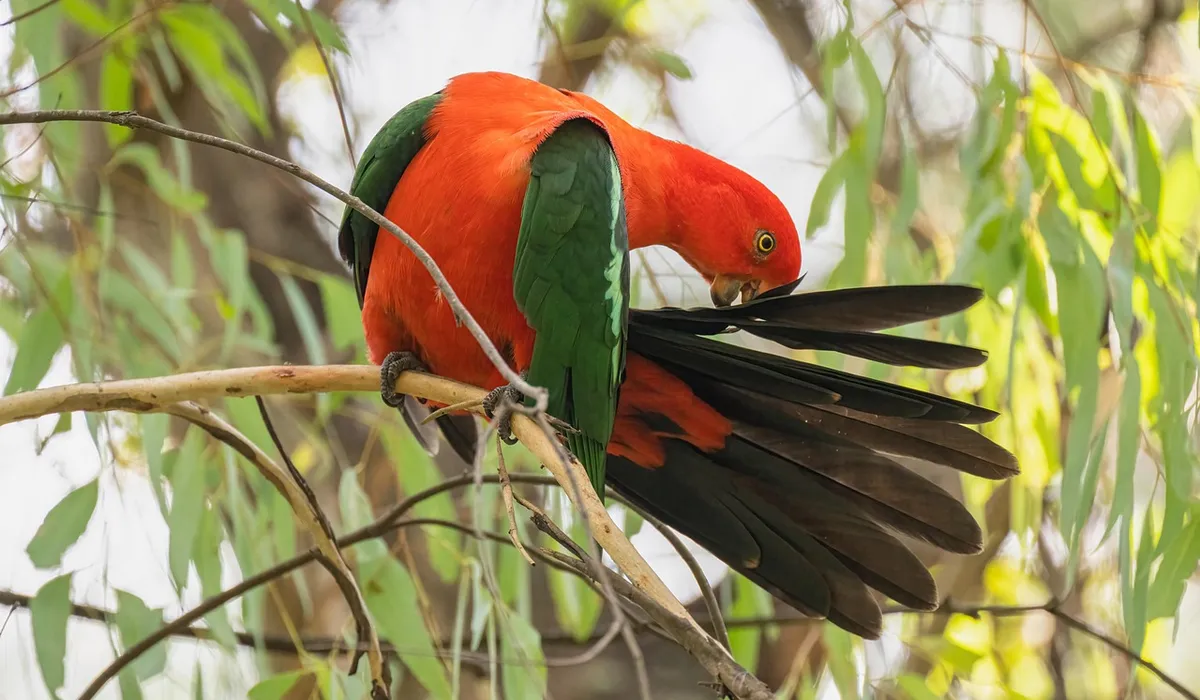
Figuring out if your parrot is stressed or genuinely sick can feel like detective work. Stress often shows up in specific situations, while illness lingers no matter what’s happening around your bird. Shaking can be a normal response to excitement, temperature changes, or after a bath. If the shaking is frequent, persistent, or accompanied by other symptoms, it could be a health warning sign. For more information, you can check out our article on shaking: normal vs warning signs.
Here’s how I break it down with my flock:
- Check the duration: Stress behaviors usually fade once the trigger is gone. If your bird plucks feathers only when the vacuum runs, that’s likely stress. Sage, my African Grey, once stopped eating for a day after a houseguest arrived-but she bounced back once things calmed down.
- Observe the context: Ask yourself what changed recently. A new pet, moved furniture, or loud construction can spike stress. Illness symptoms, like diarrhea or labored breathing, appear without these obvious triggers.
- Look for multiple clues: Sick parrots often have physical signs-watery eyes, weight loss, or crusty nostrils. Stress might just make them extra jumpy or silent.
When my sun conure, Sunny, started refusing her favorite berries, I first thought it was stress from a new toy. But when she also sat puffed up for hours and slept more, I rushed her to the vet. It turned out to be a minor infection. Trust your gut-if something feels off for more than a day, assume it’s health-related until proven otherwise.
Quick Guide: Stress vs. Sickness
| Symptom | Likely Stress If… | Likely Sickness If… |
|---|---|---|
| Feather Plucking | Happens during specific events (e.g., thunderstorms) | Constant, with red or inflamed skin |
| Loss of Appetite | Brief, resolves when environment calms | Persists for days, with weight loss |
| Lethargy | Bird perks up with favorite person or toy | Consistent, even with encouragement |
| Vocal Changes | Quiet only when startled | Lasting silence or unusual sounds |
Easing Parrot Anxiety: Practical Calming Strategies
Helping a stressed parrot isn’t about quick fixes—it’s about building a peaceful, predictable life. Small changes in their environment and daily interactions can turn anxiety into contentment. Consistent, routine training provides clear expectations and practical strategies to handle behavioral issues. With regular, positive sessions, you can guide your parrot toward calmer, cooperative behaviors.
- Revamp their cage setup: Move perches to different heights weekly. I add natural wood branches for Kiwi, my green-cheek conure, to keep her feet healthy and mind engaged.
- Introduce foraging toys: Hide almonds or bits of apple inside cardboard rolls or puzzle feeders. Sunny loves shredding paper cups to find her treats-it mimics wild behavior and cuts boredom.
- Adjust their diet: Swap sugary seeds for fresh veggies like chopped kale and bell peppers. I mix in a pellet base for balanced nutrition, which helped Sage’s feather condition improve dramatically.
- Schedule social time: Parrots thrive on connection. Spend 15 minutes twice a day talking or training. Even sitting near their cage while you read can reassure them.
Never yell or force interactions-that just deepens fear. Patience and consistency are your best tools for earning their trust.
Enrichment and Routine Tips
Boredom is a huge stressor for intelligent birds like parrots. Enrichment turns their cage into a playground and their day into an adventure. If you’re wondering why my parrot seems bored, I can help. I offer practical enrichment ideas to spark curiosity and reduce stress.
- Foraging fun: Stuff a small box with crinkly paper and snacks. My birds spend hours dismantling it, which keeps their beaks busy and minds sharp.
- Playdate possibilities: If your parrot is socialized, supervised visits with another calm bird can boost mood. Kiwi and my friend’s cockatiel have “chatter sessions” that leave them both chirping happily.
- Stable routines: Feed, cover, and uncover their cage at the same times daily. Parrots find comfort in predictability-it makes their world feel safe.
- Noise control: Keep their space away from TVs or busy hallways. I use a small fan for white noise during fireworks season, which helps muffle sudden sounds.
From my experience, a stressed parrot isn’t being difficult – they’re asking for help. By tuning into their needs and offering gentle support, you’ll see their true personality shine through again. If the behavior continues, consider seeking professional help from an avian veterinarian or certified behaviorist. They can help identify underlying causes and tailor a plan to support your bird.
When Stress Lingers: Duration and Next Steps
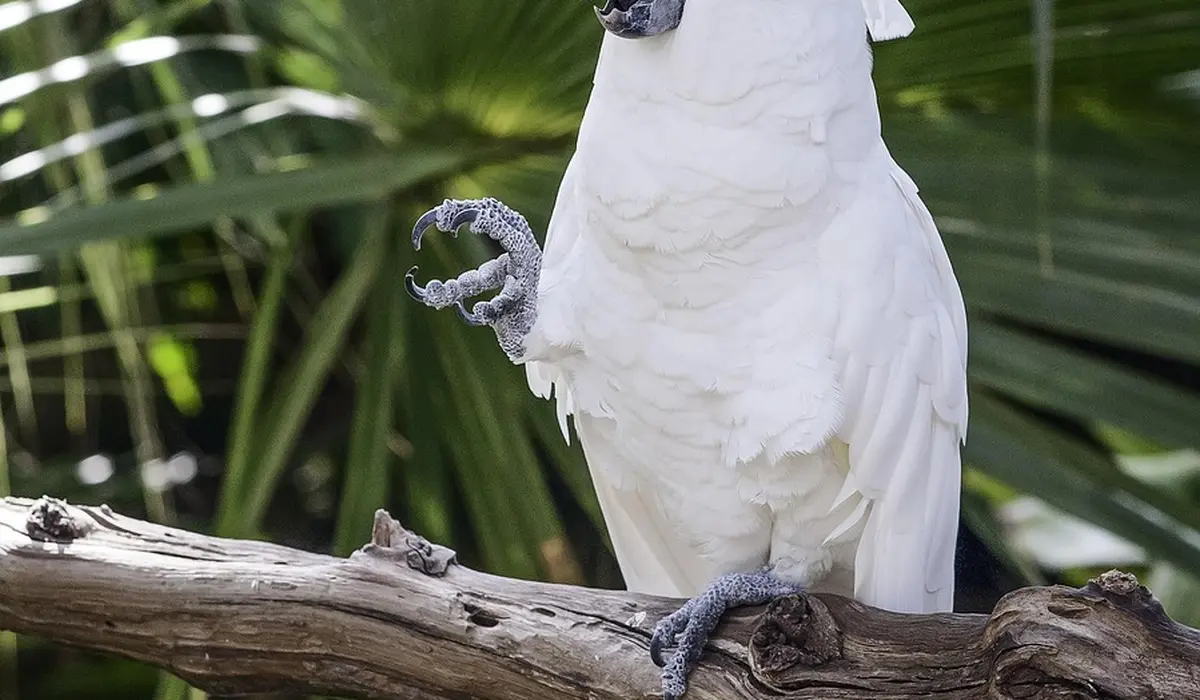
Most parrot stress is a fleeting reaction, like my conure Kiwi getting spooked by a sudden noise, calming down within minutes. Acute stress from a single event should fade within a few hours as your parrot processes and feels safe again. Fluffing can be a normal sign of comfort or temperature regulation when your bird is content. But if the fluffing is prolonged, or paired with loss of appetite or unusual silence, that’s your cue to look deeper and consider sick signs.
I keep a simple log for my flock, jotting down behaviors and potential triggers. If you don’t see any improvement after three days of providing a calm environment and removing obvious stressors, it’s time to call your avian vet. For vet visits, plan how you handle your parrot to reduce stress. Practice gentle, calm handling at home and bring a familiar carrier. With my African Grey, Sage, persistent feather-plucking was our red flag for an underlying health issue, not just boredom.
- Monitor for at least 72 hours after you’ve addressed environmental factors.
- Seek immediate veterinary help if you see self-mutilation, bleeding, or complete refusal to eat or drink.
- Blood in the droppings or significant weight loss are non-negotiable signs for a professional check-up.
Managing parrot anxiety is a marathon, not a sprint. True progress happens in tiny, almost imperceptible steps, like my Sun Conure, Sunny, taking one more millet spray from my hand than she did the week before. Your quiet, consistent presence is the most powerful medicine you can offer a stressed bird. A calm, steady presence helps a scared parrot feel safe. With patience, calm becomes the path to lasting calm.
- Observe without staring; parrots can find direct eye contact threatening.
- Maintain their routine for feeding, sleep, and out-of-cage time to build predictability.
- Celebrate the small victories, because trust rebuilds one peaceful moment at a time.
FAQs
How does noise affect parrot stress?
Loud or sudden noises can startle parrots and trigger fear responses like hiding or increased screaming. Maintaining a quiet, predictable environment helps reduce their anxiety and promotes a sense of security. By managing household noise, you help your parrot manage stress. A calmer soundscape supports steady, cooperative behavior.
Can diet affect parrot stress?
Yes, an unbalanced diet lacking essential nutrients can lead to physical discomfort and heightened stress levels. Providing a varied diet with fresh vegetables, fruits, and high-quality pellets supports overall health and reduces stress-related behaviors.
What enrichment activities help reduce parrot stress?
Enrichment activities like foraging toys and puzzle feeders engage their natural instincts and prevent boredom. Regular social interaction and introducing new, safe toys can also lower stress by keeping them mentally stimulated. Choosing the best toys and enrichment activities helps prevent boredom and stress. A varied mix of puzzle, foraging, and interactive toys keeps them engaged and mentally challenged.
Final Thoughts
From my time with Kiwi and Sunny, I’ve learned that spotting stress early means watching for changes in eating, vocalizing, or feather condition. By staying alert to these 15 signs, you can quickly soothe your parrot and prevent bigger health issues. It’s especially important to recognize signs of pain in parrots, as this often requires immediate attention.
Caring for a parrot like Sage reminds me that responsible ownership means always growing your knowledge and adapting to their needs. Commit to ongoing education in parrot care to build a trusting, stress-free bond with your bird.
Further Reading & Sources
- Signs Your Parrot Is Stressed | Blog | Long Island Bird and Exotics Pet Vet
- How to Help If Your Pet Bird Is Stressed
- How To Tell If a Bird Is Stressed, Depressed, or Anxious | PetMD
Suzanne Levine is a dedicated parrot enthusiast and experienced avian caregiver with over 15 years of hands-on experience in parrot care. As the founder of Parrot Care Central, Suzanne is passionate about sharing her knowledge and insights to help fellow parrot owners provide the best possible care for their feathered friends. Her expertise spans nutrition, behavior, health, and enrichment, making her a trusted resource in the parrot care community.
Health & Wellness