
How Parrots Adapt to Tropical Rainforests
Have you ever worried about how parrots find enough food or avoid predators in the dense, bustling tropical rainforests? I’ve spent years caring for parrots like Kiwi and Sunny, and their wild cousins face similar daily struggles.
I’ll guide you through their incredible survival strategies with three key takeaways.
- Specialized beaks and feet that make feeding and climbing a breeze.
- Bright colors and loud calls used for talking and hiding from danger.
- Smart social groups that help them stay safe and raise young together.
You’ll get easy-to-follow tips based on real parrot behavior. Feeding habits, physical features, social life, and why protecting their homes matters.
Parrots as Tropical Rainforest Natives
Most parrot species originally hail from lush tropical rainforests, where warm temperatures and high humidity create their ideal living conditions. This natural heritage means your pet parrot’s comfort is deeply tied to mimicking that moist, balmy environment, especially through proper humidity control. I’ve noticed my own birds, like Kiwi and Sunny, visibly perk up when the room feels more like a tropical morning.
In the wild, parrots spend their lives across different rainforest layers. They primarily inhabit the canopy—the dense, leafy roof of the forest—and the understory, the shaded area beneath it. In rainforest habitats, parrots occupy multiple vertical zones, especially the canopy and understory. This distribution across layers shapes their behavior and needs in the wild. This vertical living means they are accustomed to flying, climbing, and foraging at various heights, which is crucial to remember for their cage setup and out-of-cage time.
Understanding their wild home directly translates to better pet care. Providing adequate humidity helps prevent dry skin and brittle feathers, while offering ample space for climbing and flight satisfies their innate need for vertical exploration. My African Grey, Sage, uses every level of her tall cage, reminding me how vital that vertical dimension is to their well-being.
Physical Adaptations for Rainforest Life
A parrot’s beak is a masterful tool, perfectly shaped to crack open tough nuts and seeds or slice into juicy fruits. This powerful, curved design allows them to access food sources that many other animals simply can’t, which is why offering a variety of hard and soft foods keeps your pet engaged and healthy. I watch Kiwi expertly dismantle a walnut, and it’s a clear glimpse into his wild instincts.
Their zygodactyl feet, with two toes pointing forward and two backward, are built for life in the trees. This unique foot structure gives them an incredible grip for climbing branches, manipulating objects, and holding food, much like having a built-in set of versatile tools. Sunny uses her feet to hold a piece of fruit while eating, a behavior straight from the rainforest.
Feather coloration isn’t just for show; it’s a survival strategy. Many parrots sport green feathers that blend seamlessly with the rainforest canopy, providing camouflage from predators like hawks and snakes. Even my brightly colored Sun Conure has patterns that could help break up her outline among sun-dappled leaves.
Flight adaptations enable parrots to navigate the dense, tangled world of the rainforest with agility. Their strong, broad wings allow for quick takeoffs, sudden stops, and maneuverable flight through tight spaces, which is why pet parrots need safe areas to stretch their wings and practice these natural movements. Seeing my birds dart around the room, I’m always amazed at their aerial precision, a direct result of their evolutionary home. To translate this agility into a home setting, create a safe, stimulating indoor flight environment for your parrot—a room free of hazards with varied perches and engaging toys. Regular, supervised flight sessions in that space can help maintain their coordination, health, and joy.
Diet and Foraging Behaviors in the Wild
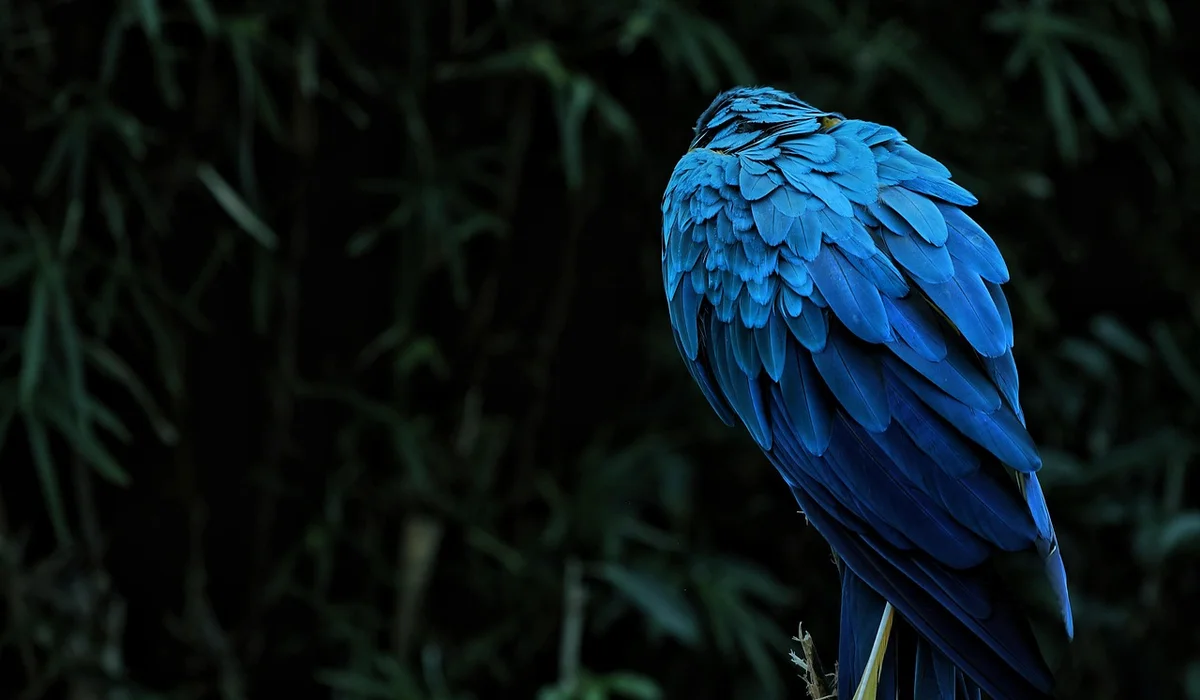
In the rainforest, parrots enjoy a vibrant buffet that changes with the seasons. Their daily menu includes seeds, ripe fruits, crunchy nuts, sweet nectar, and the occasional insect for a protein boost. I’ve seen my own Green-cheeked Conure, Kiwi, get especially excited for berries, mirroring that wild instinct for colorful, fleshy fruits.
Wild parrots are master foragers, using their strong beaks like multi-tools. They crack open tough nuts, peel fruit skins, and even help their ecosystem by dispersing seeds through their droppings. Foraging is a social activity; flocks move together, chattering as they feed, which helps them locate food sources and stay safe. These tactics are central to wild parrot survival behavior. They forage together and disperse seeds to bolster food security and resilience.
This variety is the gold standard for nutrition. Replicating this diverse, colorful diet for your pet parrot prevents nutritional deficiencies and keeps mealtime engaging. I rotate through different fruits, veggies, and high-quality pellets for my flock to mimic that natural dietary rhythm. Following general parrot dietary guidelines helps balance variety with safe portions. Tailor the mix to your parrot’s species, age, and health.
Social and Vocal Communication
Parrots thrive in large, noisy flocks—it’s their survival strategy. Sticking together in groups helps them spot predators more effectively and share information about abundant food patches. A lone parrot in the wild is a vulnerable parrot, which is why companionship is baked into their DNA. In human households, understanding these flock dynamics helps keep pet parrots social and less stressed. It also guides daily routines and enrichment that mimic flock interactions.
Their vocal repertoire is incredibly complex. Parrots use distinct calls to warn the flock of danger, attract a mate with special songs, or simply maintain contact with their group members throughout the day. My Sun Conure, Sunny, has a specific “check-in” chirp he uses when he can’t see me, a direct echo of this wild behavior.
This deep-seated need for connection directly impacts pet parrot care. Providing ample social interaction, whether from you or a feathered friend, is non-negotiable for preventing loneliness and associated behavioral issues like feather plucking. A socially engaged parrot is a happy, mentally stimulated parrot.
Nesting and Reproduction Strategies
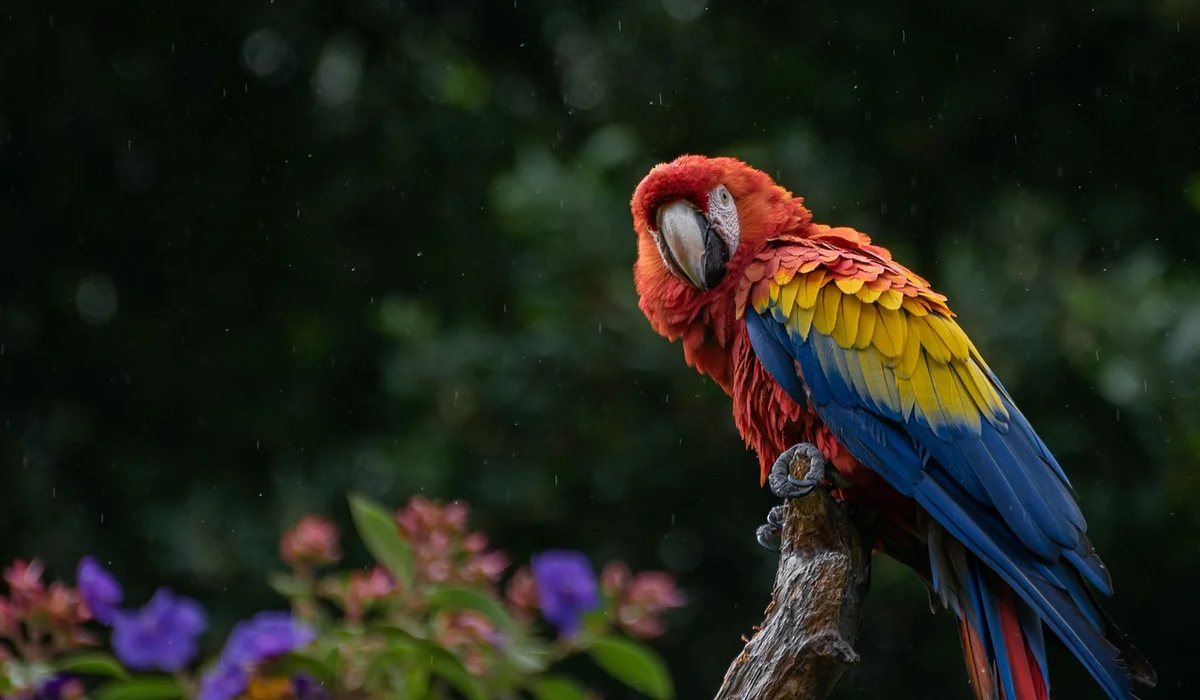
In tropical rainforests, parrots rely on tree cavities to shield their nests from predators and harsh weather. These natural hollows act like secure apartments, keeping eggs and chicks safe while parents focus on feeding and protection. I’ve seen this with my Green-cheeked Conure Kiwi; she always seeks out cozy, enclosed spaces to feel secure, much like her wild cousins.
- Tree cavities provide insulation and reduce exposure to threats, which is vital for raising healthy young.
- Breeding seasons often align with rainy periods when food is plentiful, ensuring parents can gather enough nutrients.
- Parental care involves both mates sharing duties-one might guard the nest while the other forages, fostering strong family bonds.
To mimic this in your home, offer nesting boxes made of safe, untreated wood placed high in the cage. Adding soft bedding materials like shredded paper or coconut fibers can recreate that snug, wild-like environment for your pet parrot. From my experience with Sage, my African Grey, providing a quiet, dimly lit area during breeding mimics the seclusion of tree cavities, reducing stress and encouraging natural behaviors. You can learn more about how to make a nesting box for parrots to ensure it suits your bird’s needs.
Applying Wild Adaptations to Pet Parrot Care
Set up your parrot’s cage to encourage movement and exploration, just like they’d do in the rainforest canopy. Include multiple perches at varying heights and textures to promote climbing and short flights, which keeps their muscles strong and minds engaged. For my playful Kiwi, I use natural wood branches and rope perches-she loves hopping between them, mimicking her wild instincts.
- Use cage accessories like ladders and swings to simulate tree branches and encourage physical activity.
- Offer a diet rich in fruits, nuts, and vegetables to mirror wild foraging; hide treats in puzzle toys to spark curiosity.
- Spend quality time interacting daily to fulfill their social needs, reducing loneliness and stress.
- Maintain humidity levels around 50-70% and temperatures between 65-80°F to replicate tropical conditions.
Varied diets prevent boredom and nutritional gaps-I rotate foods for Sunny, my Sun Conure, to keep her excited about mealtime. Regular social play and enrichment toys, like foraging balls, can cut down on feather-plucking and other stress-related issues. Always monitor your home’s environment; a small humidifier near the cage helps maintain moisture, supporting respiratory health and vibrant plumage, much like the damp air of a rainforest.
FAQs
How does a parrot’s wild diet influence the nutritional needs of pet parrots?
Wild parrots eat a varied diet that provides essential vitamins and minerals from natural sources. In the wild, they forage for seeds, fruits, nectar, and buds, adapting to seasonal availability. This natural foraging is why mimicking wild diversity with fresh fruits, vegetables, and nuts helps prevent deficiencies and supports overall health in captivity. If you’re curious about the specifics, you can learn more about what do wild parrots eat.
What are the benefits of providing UV lighting for pet parrots?
UV lighting enables parrots to produce vitamin D3, which is vital for calcium metabolism and strong bones. It also encourages natural behaviors and can enhance feather vibrancy and mental well-being.
How can I create a safe outdoor experience for my parrot?
Use a secure harness or a well-constructed outdoor cage to allow supervised time in natural sunlight. Many wonder if the best harnesses and leashes really enable safe outdoor time for parrots. With proper fit and diligent supervision, they can provide a valuable opportunity for outdoor enrichment. Always check for potential hazards like predators or extreme temperatures to keep your parrot stress-free and protected.
Closing Thoughts on Parrot Care
Remember, mimicking a parrot’s rainforest life means offering varied foods, social interaction, and mental challenges-my Green-cheeked Conure, Kiwi, thrives when I provide puzzle toys and fresh veggies, just like in the wild. Focus on creating a stimulating home environment to keep your parrot healthy and happy.
Commit to being a responsible owner by always learning about parrot needs and supporting ethical care practices. Your dedication to understanding their natural behaviors ensures a better life for your feathered friend. When it comes to Quaker parrots, understanding their care characteristics is essential. Following a legality guide helps ensure compliant, responsible ownership.
Further Reading & Sources
- Parrots of the Rainforest
- How does a parrot adapt in the rainforest? – Quora
- Rainforest Parrots – Animal Corner
Suzanne Levine is a dedicated parrot enthusiast and experienced avian caregiver with over 15 years of hands-on experience in parrot care. As the founder of Parrot Care Central, Suzanne is passionate about sharing her knowledge and insights to help fellow parrot owners provide the best possible care for their feathered friends. Her expertise spans nutrition, behavior, health, and enrichment, making her a trusted resource in the parrot care community.
Amazon Parrots