
How to Safely Get a Parrot Off Your Shoulder
Published on: April 24, 2026 | Last Updated: April 24, 2026
Written By: Suzanne Levine
That sudden moment when your parrot refuses to leave your shoulder can spike your anxiety, making you fear a nip or a stressed-out bird.
With years of hands-on experience caring for parrots like Kiwi, Sunny, and Sage, I’ve faced this exact scenario and can help you handle it calmly. We’ll focus on three core areas to ease your mind:
- Reading your parrot’s body language to prevent panic
- Using gentle, step-by-step techniques for safe removal
- Avoiding actions that could harm your bird or break trust
You’ll get practical, easy-to-follow guidance that prioritizes your parrot’s well-being. Topics covered: understanding parrot behavior, safe handling steps, common mistakes, tools to use, and building long-term trust.
Why Parrots Love Shoulder Perching
Parrots instinctively seek high vantage points, a behavior rooted in their wild ancestry where elevated spots meant safety from predators. Your shoulder represents the ultimate safe perch in their eyes, combining height with the comfort of your closeness.
This position also fosters deep social bonding. In a flock, birds preen and rest side-by-side. When your parrot chooses your shoulder, it’s a sign of immense trust and affection. I’ve spent countless hours with my Green-cheeked Conure, Kiwi, perched there, quietly chattering as I worked.
Despite the sweet sentiment, this high perch comes with real risks. A sudden noise can startle even a calm bird, leading to a reflexive bite near your face or a dangerous fall from shoulder height. My Sun Conure, Sunny, once took a tumble after being spooked by a delivery truck, a heart-stopping moment that taught me to be hyper-aware of our surroundings.
Reading Your Parrot’s Body Language for Safe Removal
Successfully asking your parrot to step off starts with understanding its mood. A calm, content bird will have relaxed, smooth feathers and may softly grind its beak. Recognizing these relaxed signals is your green light to initiate a gentle removal.
Watch for these stress cues before you make a move:
- Pinned eyes (the pupils rapidly contracting and expanding)
- Feathers flattened tightly against the body
- A stiff, upright posture
- Low, guttural vocalizations or sudden silence
My African Grey, Sage, gives a very subtle warning by slightly tucking one wing when she’s feeling uneasy. I’ve learned to wait until she relaxes it before I even think about asking her to step up. Rushing the process when you see anxiety is a surefire way to get nipped and damage trust. Always take a moment to observe; their body tells you everything you need to know.
Gentle Methods to Transfer Your Parrot Off Your Shoulder
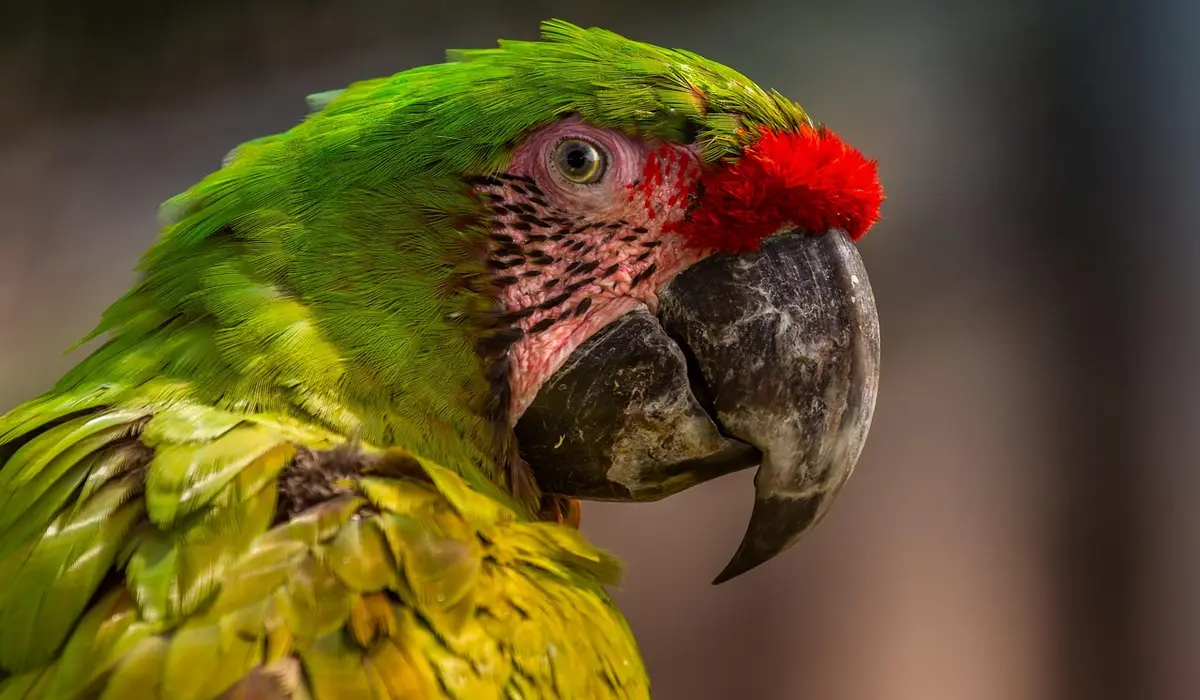
Using a Hand or Perch for Step-Down
Getting your feathered friend to step off your shoulder can feel like a dance-one you both need to learn. I’ve found that offering a hand or a familiar perch works wonders with my conure, Kiwi, who loves to cling but responds well to gentle cues. Start by moving slowly to avoid startling your bird.
- Hold your hand or a perch steady near their chest, just below shoulder level, and say a clear command like “step down.”
- Wait patiently for them to shift their weight-don’t rush or push, as this can erode trust over time.
- Reward immediately with a tiny treat or praise when they comply, reinforcing that stepping off leads to good things.
Training “step up” and “step off” commands daily builds a routine that reduces stress for both of you. With Kiwi, I practice in short bursts, using his favorite seeds to keep it fun and predictable.
Tools Like Towels or Gloves for Difficult Cases
Sometimes, birds get spooked or defensive, making a simple transfer tricky. In those moments, a soft towel or glove can be a lifesaver, but use them sparingly to protect your bond. I once had to gently wrap Sunny, my sun conure, during a vet visit when she was too anxious to step down.
- Drape a lightweight towel over your hand to create a barrier if your parrot tends to nip-this minimizes bites without causing harm.
- Reserve these aids for high-stress situations, like sudden noises or health checks, not everyday interactions.
- Avoid relying on tools too often; overuse can make your bird fearful and damage the trust you’ve worked hard to build.
Always prioritize your parrot’s comfort by moving slowly and speaking in a calm tone to reassure them. For animal welfare, I only use towels as a last resort, focusing instead on building confidence through positive experiences. This approach is especially helpful for a calm scared stressed parrot, as steady, gentle interactions reduce fear and promote trust. By maintaining a patient, predictable routine, you support the parrot in moving from stress toward calmness.
Training Your Parrot for Easy Shoulder Exits
Consistent training turns shoulder exits from a struggle into a smooth habit. Positive reinforcement is key—rewarding small successes encourages your parrot to cooperate willingly. I’ve seen this with Sage, my African grey, who now steps down on cue after months of patient practice. In positive reinforcement training for parrots, we reward the desired behavior immediately with a small treat and plenty of praise. This approach keeps training cooperative and fun.
- Use a distinct verbal cue, like “off,” paired with a hand signal, and give a treat right after they move.
- Keep sessions brief-just 5-10 minutes daily-to prevent boredom and maintain their attention.
- Mix up rewards, from bits of fruit to head scratches, to keep things exciting and motivating.
Trust grows when you’re predictable and gentle, so stick to a routine that your parrot can rely on. Over time, this builds a deeper connection and makes shoulder transitions effortless.
Handling Panic or Biting During Removal
Seeing your parrot’s body go stiff or hearing a sudden squawk can make your heart race. Staying calm is your superpower here, as birds easily pick up on your tension. I’ve had my conure, Kiwi, flare up in fear from a sudden noise, and my first instinct was to freeze and breathe deeply — especially since being calm helps in identifying if your parrot is stressed.
Emergency Steps for Aggression or Fear
- Stop all movement immediately. Do not try to shake or push your bird off.
- Speak in a low, soothing voice using simple, reassuring words like “It’s okay” or “Easy now.”
- If a bite seems imminent, slowly present a familiar perch or a sturdy toy for them to target instead of your skin.
- Gently blow a soft, steady stream of air toward their face; this can often distract and pause aggressive behavior.
Bite Prevention and Gentle Descent
Never yank your arm or body away if you feel a bite coming. Move with deliberate slowness to encourage a step-down onto a nearby surface. I always keep a portable T-stand within arm’s reach for moments like these. Offer your hand or the perch at chest level, applying slight pressure against their lower belly to prompt stepping.
When to Pause and Reassess
If your bird’s feathers are pinned, their pupils are pinning rapidly, or they are lunging, it’s time to pause. Back off for a few minutes to let everyone’s adrenaline levels settle. Sometimes, just waiting for your parrot to relax on their own is the safest removal strategy. Preening can be a normal self-soothing response to worry, but persistent, frantic grooming can signal ongoing stress.
Preventing Unwanted Shoulder Perching Habits
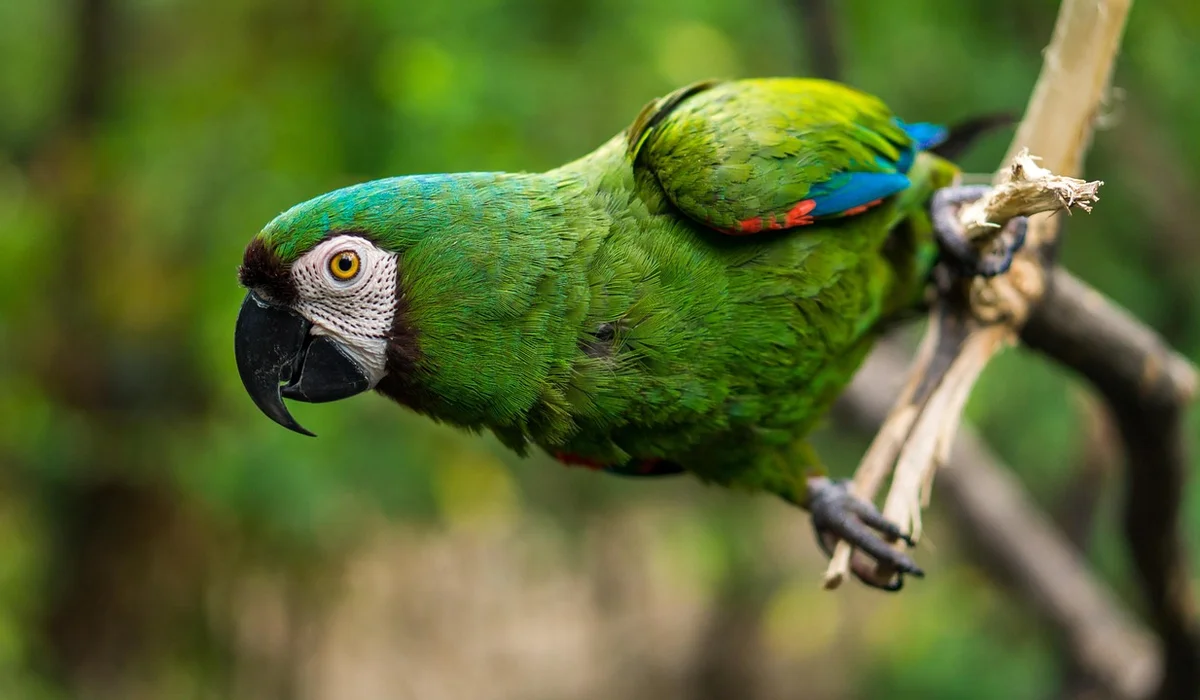
Shoulders feel like a throne to a parrot, but constant access can lead to territorial behavior. Creating appealing alternatives is key to breaking the shoulder habit gently. My sun conure, Sunny, used to scream until he was shoulder-bound, until I made other spots more fun.
Alternative Perches and Socialization
- Set up playstands or java trees in the rooms you frequent most.
- Rotate foraging toys and puzzles on these stands to keep your parrot mentally engaged.
- Schedule regular, short training sessions on a table or play gym to reinforce that fun happens elsewhere.
Setting Boundaries with Harness or Leash Training
A well-fitted harness can be a game-changer for setting physical boundaries. Harness training teaches your parrot that outside time is a structured privilege, not a right. Start with short, positive sessions inside, rewarding calm behavior with a favorite treat.
Reinforcing Good Behavior Off the Shoulder
Reward every voluntary step-off with high-value treats and enthusiastic praise. Consistency turns “off the shoulder” into a positive action, not a punishment. I keep a small dish of chopped walnuts handy to immediately reward my African Grey, Sage, when she chooses her stand over my shoulder.
Essential Safety Gear and Practices
-
Harnesses are fantastic for guiding your parrot without force. I always use a lightweight harness with Kiwi, my Green-cheeked Conure, to steer her gently off my shoulder during training sessions. This tool gives you control while keeping your bird calm and secure, especially if they get spooked easily. Many owners wonder if the best harnesses and leashes are meant for taking parrots outside. With careful fitting and gradual outdoor exposure, you can safely take your parrot outside for supervised exploration and enrichment.
-
Bird-proofing your space is non-negotiable for safety. Remove hazards like open windows, ceiling fans, or toxic plants to create a stress-free zone for your parrot. These are essential steps for a parrot-proof room that supports safe, confident flights. A well-prepared space reduces stress and makes flight time safer and calmer. From my experience with Sunny, my Sun Conure, a safe room means fewer panic flights and smoother shoulder transitions.
-
Regular vet visits help lower your parrot’s anxiety levels. Scheduling check-ups for Sage, my African Grey, lets me spot health issues early, making him more relaxed during handling. A healthy bird is less likely to resist or bite when you need to move them or handle during a vet visit to reduce stress.
FAQs
What should I do if my parrot bites when I try to remove it from my shoulder?
Stay calm and avoid sudden movements to prevent escalating fear. Use a perch or toy to redirect their attention before gently encouraging a step-down.
How do I get a parrot off my shoulder in Minecraft?
In Minecraft, jumping or entering water will automatically dislodge the parrot from your shoulder. You can also attach a lead to pull them off gently.
What is the method to get a parrot off your shoulder in Minecraft?
Simply jump or swim to make the parrot fly away on its own. Using a lead or taking damage from a fall will also remove it quickly. To safely catch an escaped pet parrot, approach slowly, speak softly, and offer a familiar treat to lure it back. If you can’t safely guide it down, contact a local avian rescue or veterinarian for help.
Is there a command to make a parrot leave your shoulder in Minecraft?
Yes, you can use the /tp command to teleport the parrot to another location. Alternatively, jumping repeatedly forces them to detach without cheats.
How do I get a parrot off my shoulder in Minecraft on Nintendo Switch?
On Nintendo Switch, the mechanics are the same; jump or swim to make the parrot fly off. Enable cheats to use commands like /tp for instant removal.
Closing the Loop
Getting your parrot off your shoulder safely boils down to patience and positive reinforcement. Always stay calm, offer a tempting alternative perch or treat, and learn to read your bird’s unique body language to avoid stressful confrontations. These gentle methods protect both your skin and the precious trust you’ve built with your feathered friend. Training your parrot to step off your shoulder can make this process even easier.
Mastering this simple skill is just one part of being a fantastic parrot guardian. Every interaction is a chance to strengthen your bond, so keep observing, learning, and growing alongside your intelligent companion. Your commitment to their well-being makes all the difference in their happy, healthy life.
Further Reading & Sources
- r/Minecraft on Reddit: How do i get a parrot off my shoulder?
- Parrots on Shoulders “Rules”: Keeping a Bird Off Your Shoulder
- How to Get a Parrot Off Your Shoulder in Minecraft: 5 Ways
Suzanne Levine is a dedicated parrot enthusiast and experienced avian caregiver with over 15 years of hands-on experience in parrot care. As the founder of Parrot Care Central, Suzanne is passionate about sharing her knowledge and insights to help fellow parrot owners provide the best possible care for their feathered friends. Her expertise spans nutrition, behavior, health, and enrichment, making her a trusted resource in the parrot care community.
Obedience Training