10 Critical Parrot Health Indicators Every Owner Should Monitor
Published on: September 11, 2026 | Last Updated: September 11, 2026
Written By: Suzanne Levine
Are you lying awake at night, worried that your parrot’s subtle shifts in behavior could be masking a hidden health crisis?
I’ve shared my home with parrots like Kiwi, Sunny, and Sage for years, and I’ve learned that catching small changes early can make all the difference. This guide will walk you through the essential signs to watch, so you can feel confident and keep your bird healthy. Here are three key takeaways you’ll gain:
- Learn to spot physical changes in feathers, eyes, and weight that often signal underlying issues.
- Understand how shifts in appetite, droppings, and vocalizations can reveal your parrot’s well-being.
- Identify behavioral cues like activity levels and posture that indicate comfort or distress.
You’ll receive clear, practical advice based on my hands-on experience. The 10 indicators covered include: feather quality, appetite and drinking habits, droppings appearance, energy and activity levels, vocalizations and sounds, weight stability, breathing patterns, eye and nostril condition, foot and beak health, and general behavior and temperament.
Why Your Parrot’s Health Demands Daily Attention
Parrots are masters of disguise when it comes to illness; their survival instinct tells them to hide weakness. Daily observation is your only real tool for catching problems before they become life-threatening emergencies. Our complete guide to the most common parrot health concerns outlines common signs to watch for. Keep it handy for quick reference.
I learned this the hard way with my Green-cheeked Conure, Kiwi. One afternoon, he was just a little less interested in his favorite bell toy. It was so subtle, easy to dismiss as a lazy day. But that tiny shift in his playful curiosity was the only clue that a minor infection was starting. Because I acted on that small sign, we avoided a much scarier vet visit.
- It helps you catch illnesses early, when treatment is simpler and more effective.
- You establish a baseline for what “normal” looks and acts like for your unique bird.
- Consistent monitoring saves you money by preventing advanced, costly medical procedures.
- It strengthens your bond, as you become more attuned to their non-verbal language.
- You can quickly identify and remove potential hazards in their environment.
The Physical Check: Eyes, Beak, and Feathers
A quick, gentle once-over each day gives you a wealth of information. Your hands and eyes are the most important diagnostic tools you own. I make this a part of our morning routine, usually when my birds are out for some supervised playtime.
Healthy feathers should be smooth and vibrant, not frayed or dusty. A normal molt is a gradual process, not a sudden bald patch. The beak should be symmetrical and smooth, and the cere-the fleshy area above the beak-should be clean and dry. My Sun Conure, Sunny, has a perfect, waxy-looking cere that tells me his respiratory system is in top shape.
Feather Quality and Molt Patterns
Run a finger gently against the grain of the feathers on their back and chest.
- Look for broken blood feathers, which appear as dark quills.
- Check for bald spots, especially under the wings and on the chest.
- Notice any discoloration or a powdery residue, which can indicate mites.
- Normal molting means you’ll find a few feathers in the cage, but your bird shouldn’t look patchy.
- Abnormal molting or plucking leaves large bare areas and can be a sign of stress, boredom, or illness.
Beak and Nail Health
A parrot’s beak is constantly growing, like our fingernails. Providing plenty of natural wood perches and chew toys is the best way to encourage natural, safe wear. Choosing the right perches helps manage nail length and supports beak health. Varying perch textures and thicknesses can promote healthy wear.
- Watch for flaking, cracks, or unusual soft spots on the beak.
- Overgrowth can prevent your bird from eating properly.
- Discoloration or crusty material can signal a fungal or bacterial infection.
For nails, I only do a very light trim if they become sharp enough to snag on my clothing. I use a small, human nail clipper and only take off the very tip, being hyper-aware of the quick. If you are not 100% confident, leave this to an avian vet or a professional groomer.
Eyes and Cere Condition
Your parrot’s eyes should be bright, clear, and fully open.
- Any discharge, swelling, or constant squinting is a major red flag.
- The pupils should respond evenly to changes in light.
- A crusty, discolored, or wet cere is often linked to respiratory infections or nutritional problems.
- Blocked nostrils can make breathing labored; you might hear clicking or wheezing sounds.
My African Grey, Sage, once had a slightly runny cere. It turned out to be a minor allergy, but catching it early meant a simple environmental change fixed the issue. Their eyes and nares are direct windows to their respiratory health.
Inside Out: Digestion and Droppings
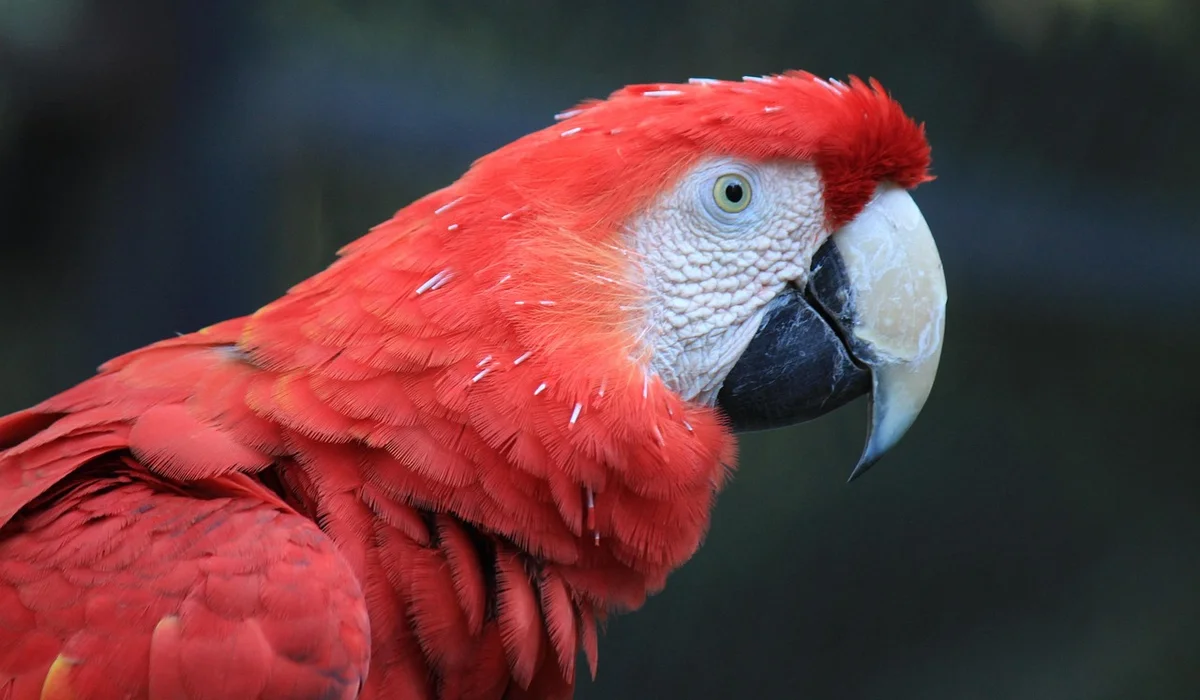
Keeping an eye on your parrot’s digestion gives you a clear window into their health. I always start my day by checking Kiwi’s food bowl and droppings—it’s a simple habit that’s saved me from bigger worries. A quick home parrot health check, done daily, helps you spot clues early and stay on top of any changes. It’s easy to weave into your routine.
Assess appetite by noting if they eat eagerly or pick at food. Watch digestion through consistent droppings and smooth eating. Hydration shows in bright eyes and moist skin.
| Stool Type | What It Means |
|---|---|
| Green, firm with white urates | Healthy and normal |
| Watery or runny | Possible diarrhea or infection |
| Red or black streaks | Could indicate internal bleeding |
| Yellow or odd colors | Often a sign of liver issues |
Appetite and Eating Habits
Good appetite means your parrot dives into meals and tries new foods. Sunny, my sun conure, chirps excitedly when I bring fresh fruits-that’s a happy, healthy sign.
- Signs of good appetite: Eager eating, exploring food, weight stability.
- Signs of poor appetite: Food left untouched, weight loss, lethargy.
Parrot vomit looks like undigested food or a milky substance, often stuck to feathers. To tell them apart, vomiting is an involuntary expulsion from the stomach, while regurgitation is typically a voluntary act associated with bonding. Regurgitation is normal during bonding, but frequent vomiting needs a vet.
Droppings: Color, Consistency, and Clues
Healthy droppings are greenish-brown with a firm texture and white urate part. Diarrhea, or loose droppings, often points to infections or diet problems-act fast to prevent dehydration.
Once, Sage had watery droppings for a day; I caught it early, adjusted her diet, and she bounced back quickly. Regular checks make all the difference.
Weight and Hydration
Monitor weight with a small scale—weigh your parrot weekly at the same time. Keeping a log helps spot slow changes, like when Kiwi lost a few grams and needed a diet tweak. This practice supports weight management and helps keep your parrot in healthy weight ranges. It also aids obesity prevention.
- Use a digital kitchen scale.
- Place your parrot gently on it.
- Record the weight each week.
Signs of dehydration include sunken eyes, dry skin, and lethargy. Offer fresh water daily and mist your parrot to encourage drinking. Recognizing these signs early helps prevent dehydration from escalating. Regular hydration checks are a simple, practical way to keep your parrot healthy.
Behavior Tells: Energy, Posture, and Voice
Your parrot’s behavior shouts their health status without a word. I’ve learned to read Sage’s subtle shifts-it’s like decoding a secret language of well-being. Most shivers are normal—driven by excitement, grooming, or temperature. However, if you want to learn more about the difference between normal shivers vs warning signs, it’s important to note that persistent shaking, especially with fluffed feathers, lethargy, or a change in appetite, can be a health warning sign worth a vet check.
Observe energy by how much they play and move. Watch posture for balance issues. Listen to vocalizations for any unusual sounds.
Energy Levels and Activity
Track playfulness through toys and interactions. Lethargy, like when Sunny stayed quiet for hours, can signal illness or stress.
- Healthy signs: Active play, exploring, normal perching.
- Warning signs: Sitting still, fluffed feathers, tail drooping.
Changes in perching, like gripping weakly, or tail position shifts often mean discomfort.
Posture, Balance, and Movement
Abnormal posture, such as leaning or wobbling, might mean joint pain or infection. If your parrot struggles to balance, it’s time for a vet visit-I saw this with Kiwi once and caught a minor infection early.
- Check for even weight on both feet.
- Observe walking and flying for smoothness.
- Gently feel legs and wings for swelling.
Vocalization Changes
Monitor sounds for increases, like constant squawking, or decreases, like sudden silence. Distress calls or unusual noises often link to health issues or environmental stress.
For instance, Sage’s chatter dropped when she felt unwell; adjusting her cage setup and diet brought back her lively voice. Always consider factors like noise or new pets.
Breathing Easy: Respiratory Health
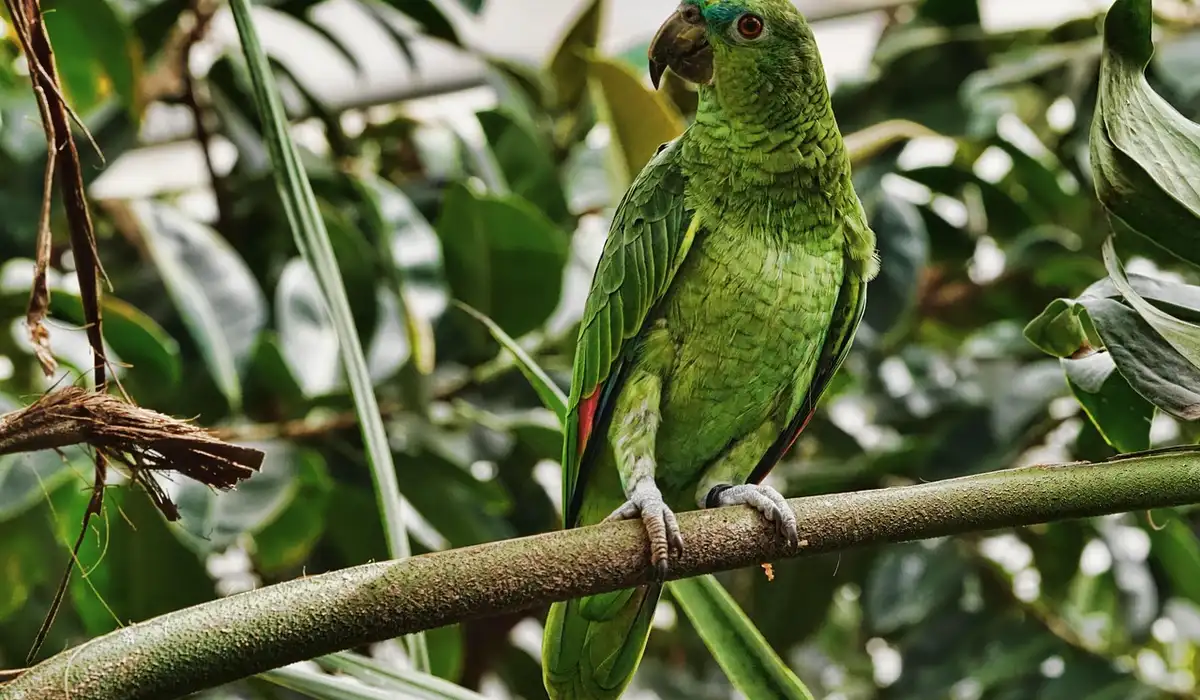
- Common respiratory symptoms in parrots include frequent sneezing, nasal discharge that’s watery or colored, and audible wheezing or clicking sounds when they breathe. I’ve seen Kiwi sneeze a few times after playing with dusty toys, but when it happens repeatedly with discharge, it’s a clear signal something’s wrong.
- To check your parrot’s breathing, gently hold them and listen for any raspy or labored noises while watching their chest move smoothly. Normal breathing is quiet and even, but if you hear gasping or see their tail bobbing with each breath, it’s time to act fast.
- For minor nose blockages, use a soft, damp cloth with warm water to wipe the nostrils gently, but always call your vet if it doesn’t clear up quickly. When Sunny had a slight blockage from household dust, a careful clean helped, but I never hesitate to seek professional help for anything persistent.
Signs of Respiratory Issues
- Indicators of colds or infections include constant sneezing, runny or crusty nostrils, coughing fits, and breathing with an open beak even at rest. For instance, Sage once showed labored breathing during a seasonal change, which turned out to be a minor infection that needed treatment.
- Differentiate from normal behavior by noting that occasional sneezing or preening-related sounds are fine, but if it’s paired with lethargy, fluffed feathers, or loss of appetite, it’s not typical. Healthy parrots might sneeze to clear debris, but sick ones often have multiple symptoms that don’t improve on their own.
Preventing and Addressing Blockages
- Tips for maintaining a clean environment involve regularly cleaning cages, avoiding smoke or strong chemical fumes, and using air purifiers to reduce dust and allergens. Keeping the air clean in my home has made a huge difference for all my birds, especially Kiwi who’s prone to respiratory sensitivities.
- Quick steps for minor blockages include using a saline solution to moisten the area and gently wiping, but emphasize that serious cases like persistent discharge or breathing struggles require immediate vet care. I always remind fellow owners that trying home remedies for severe issues can risk their parrot’s health, so vet visits are non-negotiable.
When to Worry: Red Flags and Vet Visits
- Critical signs that need immediate veterinary attention include difficulty breathing, not eating or drinking for over a day, severe weakness, or any sudden collapse. If your parrot shows these red flags, don’t wait-rush them to the vet to prevent life-threatening complications.
- Healthy parrots should have checkups at least once a year, but older birds or those with past health issues might need visits every six months. Based on my routine with Sage and the others, annual exams help catch problems early and keep them thriving for years.
- A thorough health checkup typically involves weight checks, feather and skin exams, beak and nail assessments, and listening to the heart and lungs for abnormalities. During my vet visits, they always do a full workup, from checking Sunny’s vibrant plumage to ensuring Kiwi’s breathing is clear and strong.
FAQs
What are the key health indicators for parrots?
Focus on monitoring physical traits like feather quality and eye clarity, along with behavioral cues such as activity levels and vocalizations. Regular observation of these areas helps catch potential issues before they escalate.
How can you tell if a parrot is ill?
Watch for sudden changes like lethargy, reduced appetite, or unusual silence, which often signal underlying problems. Physical symptoms such as fluffed feathers, nasal discharge, or labored breathing also require immediate attention.
What are the signs of dehydration in parrots?
Look for sunken eyes, dry or flaky skin, and a noticeable lack of energy as common indicators. Dehydrated parrots may also show reduced interest in drinking water and have sticky, abnormal droppings. Knowing what normal droppings look like helps you spot warning signs early. Normal droppings are well-formed with consistent color and texture; changes in color, consistency, or frequency can indicate illness and warrant a vet visit.
How often should a healthy parrot have a vet check?
Schedule annual wellness exams for most healthy parrots to maintain their overall health and catch any early issues. Birds with chronic conditions or senior parrots might need checkups every six months for closer monitoring. Regular vet visits are a key part of any parrot preventative care guide, helping you identify early signs of illness. They also help you maintain a tailored health plan for your bird.
What environmental factors affect parrot health?
Air quality, temperature stability, and exposure to toxins like smoke or chemicals can significantly impact their well-being. Maintaining a clean, draft-free space with proper humidity levels helps prevent respiratory and stress-related problems.
Final Thoughts on Feathered Friends
Keeping a close watch on your parrot’s daily habits—from their eating patterns and droppings to their energy levels and feather condition—gives you the power to spot trouble early. Your daily observations are the most powerful tool you have for catching health issues before they become serious. Trust your gut; you know your bird best, and any persistent change warrants a call to your avian vet. Understanding common health issues across different parrot species can guide prevention and care. Tailor routines to your bird’s unique risks to reduce problems before they start.
Caring for a parrot is a wonderful, long-term journey that asks for your dedication and a willingness to keep learning. Commit to being a student of your parrot’s unique needs and behaviors throughout their life. This ongoing education is the heart of responsible ownership and ensures your feathered companion thrives by your side for years to come.
Further Reading & Sources
- Parrot Health | Parrots and Disease | Parrots | Guide | Omlet UK
- How to Conduct a Parrot Health Check – The Open Sanctuary Project
- Cockatiel Advice and First Aid 101 – Parrot Health
Suzanne Levine is a dedicated parrot enthusiast and experienced avian caregiver with over 15 years of hands-on experience in parrot care. As the founder of Parrot Care Central, Suzanne is passionate about sharing her knowledge and insights to help fellow parrot owners provide the best possible care for their feathered friends. Her expertise spans nutrition, behavior, health, and enrichment, making her a trusted resource in the parrot care community.
Health & Wellness