Why Does My Parrot Hate a Specific Person? Understanding Bird Prejudices
Published on: February 9, 2026 | Last Updated: February 9, 2026
Written By: Suzanne Levine
Has your parrot suddenly started squawking, biting, or hiding from one person in your life, making you anxious about their sudden dislike?
I’ve faced this with my own flock, like when Kiwi, my Green-cheeked Conure, once shied away from a visitor for no obvious reason. You’re not alone, and I’ll break down the common causes so you can address this behavior head-on.
Here are the main takeaways we’ll dive into:
- How past experiences shape your parrot’s reactions to people
- The role of body language and energy in triggering bird fears
- Simple ways to rebuild trust and reduce jealousy or territorial behavior
You’ll get straightforward advice to help your parrot feel safer and more social. Topics covered: behavioral triggers, environmental factors, training techniques, body language signs, trust-building steps, and handling jealousy. You’ll also learn bonding techniques that work to build trust with your parrot. With consistent practice, these methods help your bird feel secure and eager to engage.
What Sparks Parrot Prejudices?
Common Bird Biases
- Gender reactions – some parrots strongly prefer one gender, often due to past experiences with primary caregivers.
- Clothing biases – my conure Kiwi absolutely despises anyone wearing hats or large sunglasses.
- Accessory aversion – Sunny, my sun conure, once bit someone repeatedly for wearing jangling bracelets.
- Beard and glasses phobias – many parrots fear facial hair or eyewear they’re not accustomed to seeing.
- Height and size preferences – larger individuals sometimes trigger instinctual fear responses in smaller parrots.
How Parrots Express Dislike
- Beak aggression includes lunging, nipping, or full biting – Sage gives warning nips before actual bites.
- Tail flicking rapidly indicates irritation – I see this when Kiwi spots someone she dislikes approaching.
- Feather fluffing makes them appear larger when threatened – Sunny puffs up like a cotton ball around strangers.
- Hissing and growling sounds serve as clear verbal warnings before physical reactions occur.
- Turning their back completely shows ultimate disapproval – my birds will literally show someone their tail feathers.
Triggers Based on Sights and Sounds
- Deep voices often startle parrots – Sunny hides when my deep-voiced friend visits.
- Sudden movements trigger flight responses – quick gestures make my birds retreat instantly.
- Bright colors alarm some parrots – Kiwi reacts nervously to neon clothing.
- Loud noises like laughter or coughing can cause panic – I’ve seen all my birds startle at unexpected sounds.
- Unfamiliar scents from perfumes or lotions create suspicion – strong fragrances make my parrots keep their distance.
The Roots of Bird Biases
Early Life Experiences
- Past trauma from rough handling creates lasting fears – rescue birds often carry these emotional scars.
- Lack of early socialization limits their comfort with diversity in people and environments.
- Negative veterinary visits can generalize to anyone wearing similar scrubs or using certain tools.
- Habituation through gradual, positive exposure helps overcome these learned fears over time.
- Conditioning with treats and patience rebuilds broken trust – I’ve successfully rehabilitated several fearful parrots this way.
Social Learning from Owners
- Parrots mirror human emotional responses – if you tense up around someone, your bird will too.
- They observe family hierarchy and may challenge perceived “lower ranking” household members.
- Your vocal tone and body language around others directly influences your parrot’s reactions.
- Consistent calm behavior from you teaches parrots that new people aren’t threats.
- I’ve noticed my parrots become friendlier when I consciously relax during introductions.
Cognitive Studies on Avian Biases
- Research shows parrots possess sophisticated cognitive abilities rivaling primates.
- Avian decision-making involves complex memory processing and emotional associations.
- Studies demonstrate parrots can hold grudges based on single negative experiences.
- Cross-species communication research reveals parrots read human body language exceptionally well.
- Trust building requires understanding their unique psychological makeup and communication style.
Fear or Prejudice? Decoding Your Parrot’s Reactions
Key Differences Between Fear and Bias
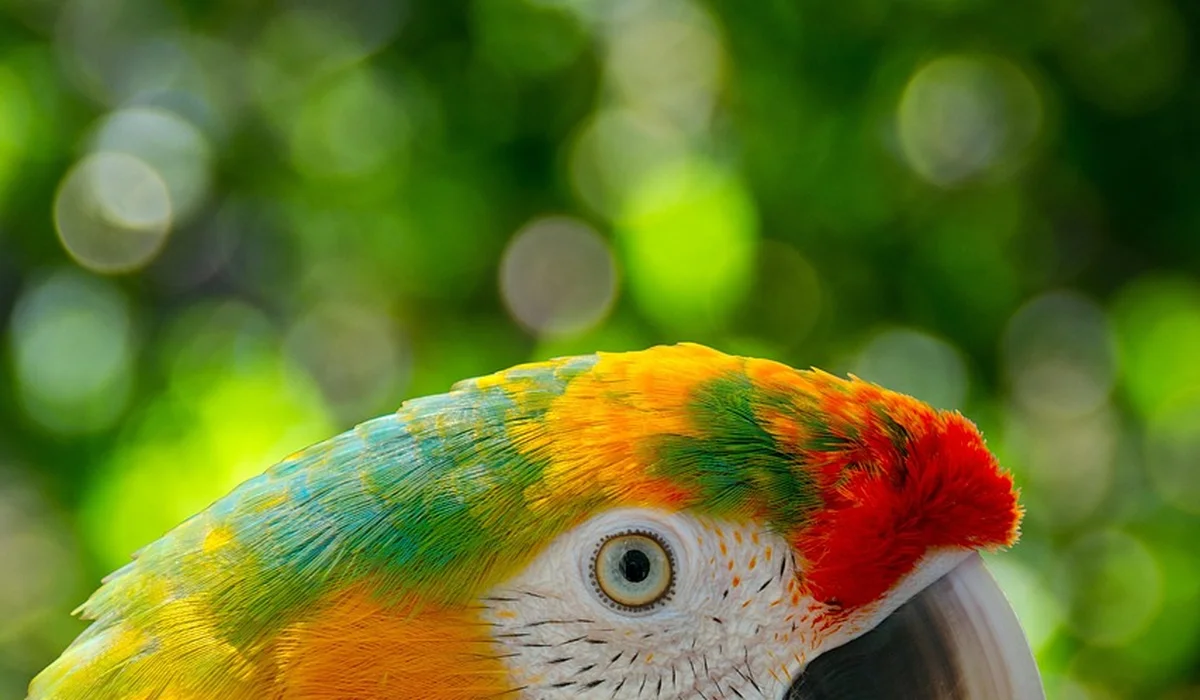
Watching your parrot react negatively to someone can be confusing. Fear responses are often immediate and intense, like your bird puffing up, screaming, or trying to flee at the mere sight of a person. My Green-cheeked Conure, Kiwi, used to do this with anyone wearing hats-a classic fear trigger. These reactions are classic socialization slip-ups—part of the eight mistakes that create a fearful parrot. Avoiding these errors can help you retrain with gradual, positive exposure and build confidence in new people.
- Fear symptoms: Rapid breathing, dilated pupils, frantic wing flapping, or hiding. These happen even if the person is calm and not interacting.
- Bias symptoms: Your parrot is fine with others but consistently lunges, nips, or turns away from one specific person, even in relaxed settings. It’s a calculated dislike, not a panic.
For instance, if your parrot shrieks when your friend simply walks into the room, that’s likely fear. If it only bites your partner’s finger during step-up training but is sweet to everyone else, that’s probably a learned prejudice.
When It’s Just a Preference
Parrots, like people, have favorites. Harmless preferences show up as your bird choosing to sit on one shoulder over another or chirping more for certain family members. It doesn’t disrupt their daily routine or cause stress. Sometimes this strong bond verges into mate guarding, showing jealousy toward other people or pets. If your bird becomes overly bonded, gentle boundaries and structured enrichment can help.
- Signs of preference: Gentle beak nudges to solicit scratches from one person, relaxed body language, and normal eating/sleeping patterns around them.
- Signs of harmful bias: Refusing food from that person’s hand, aggressive posturing that interrupts bonding attempts, or feather plucking when they’re near.
My Sun Conure, Sunny, adores my sister but merely tolerates my brother-that’s preference. If she started throwing her food bowl whenever he entered, I’d know it was a bias needing attention.
Steps to Smooth Feathers: Reducing Prejudices
Positive Reinforcement Techniques
Rewarding calm behavior works wonders. Have the “disliked” person offer high-value treats like millet or nuts whenever they’re near, without forcing interaction. The goal is to create positive associations.
- Start with the person sitting quietly across the room and tossing treats into the cage.
- Progress to hand-feeding through cage bars once your parrot seems comfortable.
- Always let the bird set the pace-no sudden movements or direct eye contact initially.
I used this with my African Grey, Sage, who distrusted a visitor. Within weeks, she was taking walnuts directly from his palm after consistent, patient rewarding.
Desensitization and Habituation
Gradual exposure reduces anxiety over time. Break interactions into tiny, manageable steps to avoid overwhelming your parrot. This approach also helps with separation anxiety, easing how parrots cope when you’re gone. With consistent practice, your parrot learns that you will return, reducing distress during absences.
- Day 1-3: The person enters the room, stands far away for 5 minutes, then leaves. Repeat twice daily.
- Day 4-7: They sit closer while reading or talking softly, ignoring the bird completely.
- Day 8+: They offer a favorite toy or treat from a safe distance, slowly decreasing space as tolerance grows.
Consistency is non-negotiable. Even 10 minutes daily builds trust faster than sporadic, longer sessions.
Environmental Enrichment Ideas
A stimulated parrot is a happier, less biased parrot. Enrichment lowers overall stress, making your bird less likely to fixate on disliking someone.
- Rotate foraging toys weekly-puzzle feeders or cardboard boxes with hidden treats encourage mental engagement.
- Install safe wood perches at different heights for climbing and exploring.
- Play gentle music or nature sounds to create a calming atmosphere during interactions.
When Kiwi gets cranky, a new shreddable toy often resets his mood. Reducing boredom directly translates to fewer aggression triggers around people he’s unsure about.
Building Trust with Your Parrot
Daily Routine Adjustments
Establishing a steady daily rhythm makes your parrot feel secure and loved. Consistency in small acts, like feeding at the same time or greeting them each morning, builds a foundation of trust over weeks. I’ve seen this with Kiwi, my Green-cheeked Conure; our morning chatter sessions have turned him from shy to sociable. Science shows parrots need regular rest to reach REM sleep, which supports mood and memory. Predictable routines also reduce night frights and help them rest more soundly.
- Interact briefly but often-say hello when you pass their cage or offer a quick head scratch to reinforce your bond without pressure.
- Learn to read their signals: relaxed feathers mean contentment, while rapid beak grinding can show anxiety, helping you adjust your approach on the fly.
Introducing New People Safely
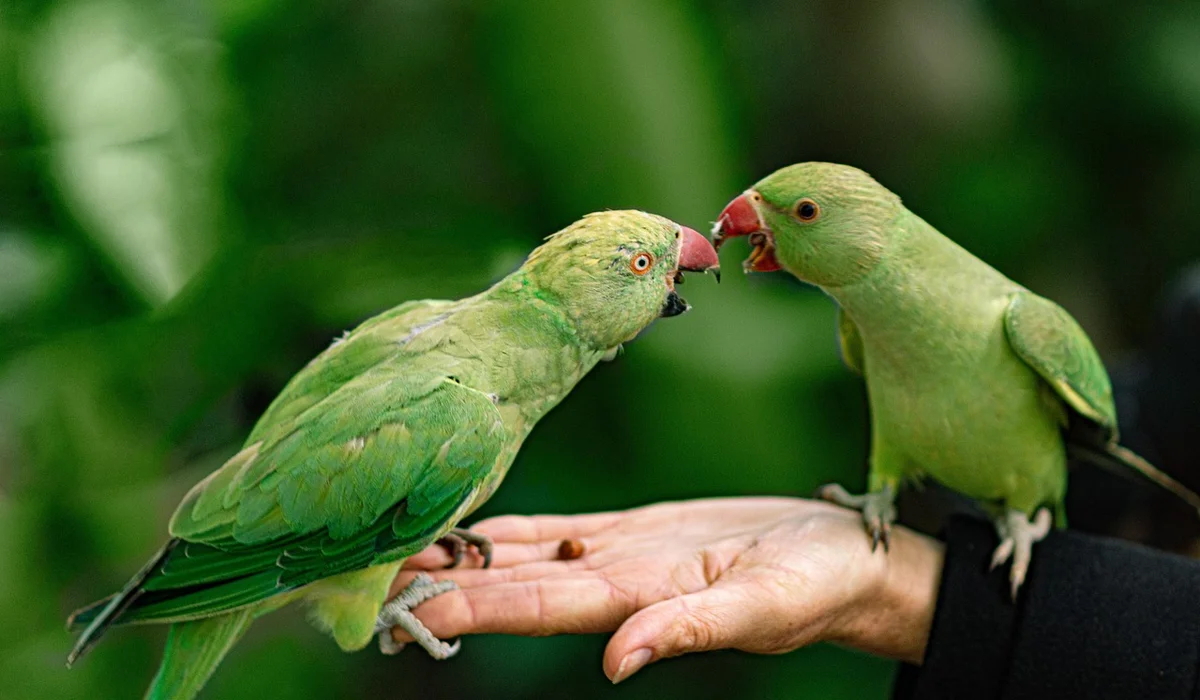
Slow, positive encounters prevent fear from taking root. Let your parrot observe new faces from a safe distance first, using treats to create happy memories. This approach is a core principle of positive reinforcement training for parrots, rewarding calm curiosity with treats. By shaping small steps and rewarding progress, you build trust. When my friend met Sunny, my Sun Conure, we started with her tossing favorite fruits from across the room until Sunny felt curious, not threatened.
- Begin with the person sitting quietly nearby, avoiding direct stares that birds find intimidating.
- Use high-value rewards, like nuts or seeds, handed by the new person to build positive associations gradually.
- Increase interaction time only if your bird stays calm, watching for signs like relaxed posture or soft chirps.
When to Seek Expert Advice
Signs You Need a Professional
Don’t wait if your parrot’s behavior turns severe or constant. Aggression that doesn’t fade with patience, such as repeated biting or frantic screaming, often signals underlying stress that needs specialized care. Understanding why parrots bite—identifying causes and triggers such as fear, pain, or resource guarding—[helps you respond effectively](https://parrotcarecentral.com:/why-do-parrots-bite-understanding-the-causes-and-triggers). When you know the triggers, you can adjust routines, enrichment, and handling to prevent bites. I learned this with Sage, my African Grey; his feather-plucking habit improved only after we consulted an expert, sparing him prolonged distress.
- Watch for extreme fear, like hiding for most of the day or refusing food, which can harm their health if ignored.
- Act early to protect their welfare-timely help prevents small issues from becoming big problems, ensuring a happier life for your feathered friend.
Finding a Qualified Avian Behaviorist
Pick a specialist with a track record in parrot psychology. Look for credentials like certification from avian organizations and real-world experience with birds similar to yours. When I sought help for Kiwi’s skittishness, I made sure the behaviorist had worked with conures to get tailored, effective strategies. Routine training—short daily sessions with clear cues—reinforces those strategies over time. It helps you handle behavioral issues through consistent practice.
- Ask for client testimonials or case studies to verify their success in handling complex parrot behaviors humanely.
- Choose someone who emphasizes positive reinforcement and avoids harsh methods, prioritizing your bird’s emotional and physical well-being above all.
Final Thoughts
When your parrot shows a clear dislike for someone, it’s usually about trust and safety, not random spite. We can build bridges by respecting their boundaries, moving at their pace, and using positive reinforcement like treats and calm interactions. If a negative incident has occurred, focus on rebuilding trust with calm exposure and consistent, gentle routines. Reintroduce with patience and positive reinforcement to help them feel secure again. Always look for the root cause in their environment or past experiences, as this understanding is the first step toward mending the relationship.
Being a great parrot guardian means committing to lifelong learning about their complex emotional worlds. Our feathered friends rely on us to be their patient advocates, so let’s continue to educate ourselves and provide them with the secure, loving homes they deserve. Our complete guide to the most common parrot health concerns can help you spot early warning signs and take proactive steps.
Further Reading & Sources
- If the Characters of Pride and Prejudice Were Birds, What Would They Be? – Always Austen
- Looking at Parrots as People. – Three Birds and a Cloud
- About parrots – “Him choke from prejudice” | Cha
Suzanne Levine is a dedicated parrot enthusiast and experienced avian caregiver with over 15 years of hands-on experience in parrot care. As the founder of Parrot Care Central, Suzanne is passionate about sharing her knowledge and insights to help fellow parrot owners provide the best possible care for their feathered friends. Her expertise spans nutrition, behavior, health, and enrichment, making her a trusted resource in the parrot care community.
Socialization