
Parrot Mating and Breeding Season: Timing and Tips
Published on: March 10, 2026 | Last Updated: March 10, 2026
Written By: Suzanne Levine
Are you noticing unusual behaviors in your parrot and wondering if it’s mating season? You might be worried about aggression, egg-laying, or how to keep your feathered friend healthy during this time.
From my years of caring for parrots like Sunny, my social Sun Conure, I’ve learned that understanding breeding cycles is key to their well-being. I’ll guide you through the essentials with these three takeaways:
- Seasonal triggers vary by species and location, not just a fixed calendar date.
- Behavioral signs, like increased vocalization or nesting, signal the start of mating.
- Proper care adjustments prevent stress and support parrot welfare.
You’ll walk away with clear, easy-to-follow advice. We’ll explore seasonal triggers, behavioral changes, health considerations, environmental factors, and species-specific differences in this guide.
Your Parrot’s Internal Clock: Understanding Seasonal Breeding Cycles
Your parrot doesn’t check a calendar. Their body responds to ancient, instinctual rhythms governed by the world outside your window. I’ve watched my own Green-cheeked Conure, Kiwi, get noticeably more active and vocal as the days grow longer, a clear sign her internal clock is ticking. This isn’t random behavior; it’s a deeply programmed biological drive.
The Master Conductor: Environmental Cues
Think of your parrot’s brain as a tiny, sophisticated control center. It’s constantly monitoring two primary signals from the environment:
- Daylight Duration (Photoperiod): This is the big one. More hours of light signal the brain to ramp up hormone production, telling the body it’s time to get busy.
- Food and Rainfall: In the wild, breeding coincides with abundance. More rain means more lush vegetation and more available food to raise hungry chicks.
In our homes, we accidentally manipulate these cues all the time with artificial lighting and a constant, plentiful food supply. This is why some captive parrots can show breeding behavior year-round, which can be physically and emotionally draining for them.
Nature’s Green Light: What Triggers Parrot Mating Season?
So what exactly flips the switch? It’s a combination of factors that work together to create the perfect conditions. From my experience with Sunny, my Sun Conure, the change is palpable. Her calls become more frequent, and she starts seeking out dark, cozy spots.
The Primary Triggers
Here are the main environmental factors that kickstart the breeding season:
- Increasing Daylight: As spring approaches, the lengthening days are the most powerful natural trigger. The pineal gland in your parrot’s brain is highly sensitive to this change.
- Rising Temperatures: Warmer weather often pairs with longer days, reinforcing the signal that a favorable season is here.
- Abundant Food Sources: The availability of rich, high-fat and high-protein foods (like nuts and certain fruits) provides the necessary energy for breeding and rearing young.
- Seasonal Rains: For many species, the onset of the rainy season signals a burst of new plant growth and insect life, creating a natural buffet for a growing family.
How This Manifests in Your Home
Your cozy living room can mimic these perfect conditions without you even realizing it. A lamp left on for 14 hours a day feels like an eternal summer to your parrot. An always-full food dish signals endless abundance. This confusion can lead to chronic egg-laying or persistent hormonal behavior, which is a serious health risk.
Watching my African Grey, Sage, I learned to be proactive. Managing light exposure and diet is the kindest way to respect their natural cycles and prevent stress on their bodies. It’s about working with their instincts, not against them.
Spring Fever or Autumn Urges? Pinpointing Breeding Season Timing
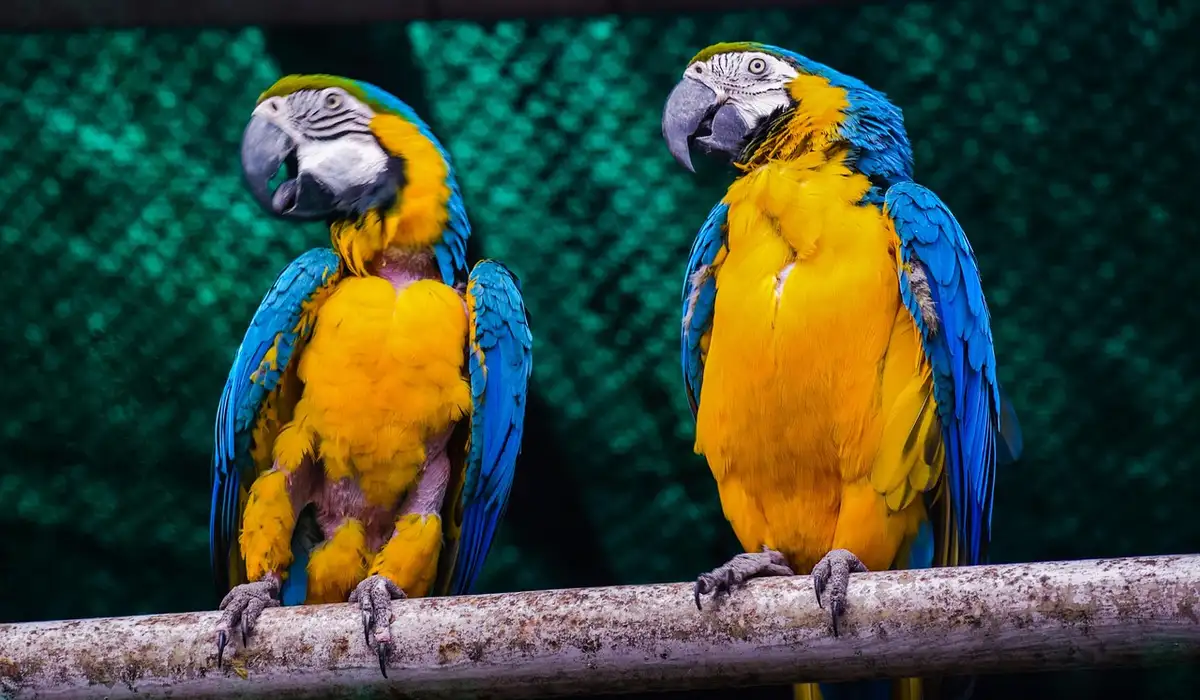
Many people think breeding season is a simple spring event, but it’s far more complex for our feathered friends. Your parrot’s internal clock is tuned to subtle environmental shifts, not just a date on the calendar. I’ve seen this firsthand with my own flock; my Green-cheeked Conure, Kiwi, often shows different signs than my African Grey, Sage.
The primary trigger for most parrots is the lengthening of daylight hours. This signals to their bodies that conditions are optimal for raising chicks.
- Northern Hemisphere: This typically means late winter into spring, often from February through June.
- Southern Hemisphere: The pattern reverses, with peak season falling between August and December.
- Tropical Species: For parrots from equatorial regions, breeding can be tied to rainy seasons, which ensure a boom in food availability.
But that’s not the whole story. In our cozy, climate-controlled homes, these natural signals can get scrambled. Consistent, abundant food and artificial lighting can trick a parrot’s system into a near-constant state of readiness. My Sun Conure, Sunny, once got hormonal in the dead of winter because her cage was near a very bright lamp. It’s a common issue for indoor birds.
Is My Parrot in the Mood? Recognizing Nesting and Courtship Behavior
When hormones surge, your parrot’s personality can shift dramatically. It’s not just about being “moody”—they are driven by powerful, instinctual urges. Recognizing these behaviors is your first step to managing them effectively and keeping your bird healthy. For more on understanding and managing hormonal seasons, the hormonal season parrots survival guide offers practical steps and tips. It helps you anticipate triggers and maintain your bird’s well-being during peak seasons.
You might notice your parrot becoming more vocal or territorial. Here are the classic courtship and nesting signs to watch for. If aggression appears, it’s often tied to root causes like hormones, stress, or health issues. Identifying these triggers is the first step to addressing the behavior.
- Increased Regurgitation: Your bird may bob its head and try to “feed” you, its favorite toy, or a mirror. This is a primary mating behavior.
- Seeking Dark, Enclosed Spaces: A parrot suddenly obsessed with getting under the sofa, inside a closet, or into a cardboard box is looking for a nest site.
- Destructive Chewing & Shredding: They aren’t being naughty. They are gathering and preparing nesting material, often tearing up paper or wood.
- Heightened Aggression or Protectiveness: A normally sweet bird might start lunging or biting, especially if you approach their chosen “mate” (which could be you!) or their perceived nest area.
- The “Mating Dance”: Pupils pinning (rapidly dilating and contracting), wings slightly quivering, and a lowered head are a clear invitation.
Seeing Sage, my typically calm African Grey, get hyper-focused on shredding a phone book was my clue she was feeling broody. It’s crucial to understand these actions are not acts of defiance but expressions of a deep biological drive. Responding with patience and by adjusting their environment is the kindest approach for their welfare.
Species Spotlight: Breeding Seasons for Popular Pet Parrots
African Grey Parrot Mating Season
My African Grey, Sage, is a perfect example of a parrot whose breeding instincts are heavily influenced by environmental cues. African Greys typically enter their breeding season from late winter into early summer, roughly from October to April in their native ranges, but this can shift for indoor pets. I’ve noticed Sage becomes more vocal and shreds paper more diligently during this period, a clear sign of nesting behavior. These birds are monogamous and form incredibly strong pair bonds, so a single pet bird might direct this energy towards a favorite human or toy. You’ll often see them seeking out dark, enclosed spaces to investigate as potential nest sites. Parrots, in the wild, either build nests or select safe cavities. Sage’s interest in dark spaces mirrors that instinct to choose a secure nesting site, even in captivity.
Quaker Parrot Breeding Season
Quaker parrots, also known as Monk Parakeets, are prolific breeders with a distinct seasonal pattern. Their primary breeding window aligns with spring and summer, generally kicking off around August and potentially lasting until January or February. What’s fascinating about Quakers is their legendary nest-building prowess. They don’t just use a nest box; they construct elaborate, multi-chambered stick fortresses. If you house a pair, you’ll need to provide safe, natural materials for this incredible instinct to play out. Be prepared for a noticeable increase in territorial behavior around their chosen nesting area. This Quaker parrots’ nesting temperament explained—bold nest-building and vigilant territory defense—helps explain why Quaker parrots have a uniquely pronounced nesting style. Together, their cooperative, multi-chamber stick nests and active defense set them apart from many other parrot species.
Conure Family Breeding Cycles
Having lived with both a Green-cheeked and a Sun conure, I’ve seen firsthand how their cycles can differ. Many conure species, like my playful Kiwi (a Green-cheek), often breed between February and July, but they can be opportunistic and have multiple clutches per year if conditions are perfect. Sunny, my Sun Conure, became noticeably more cuddly and regurgitative-a classic breeding behavior-during these months. Conures are cavity nesters, so the mere presence of a dark, cozy space like a cardboard box or a tent can trigger their hormonal instincts, even if you don’t intend to breed them.
Creating the Right Conditions: Managing Your Pet’s Breeding Environment
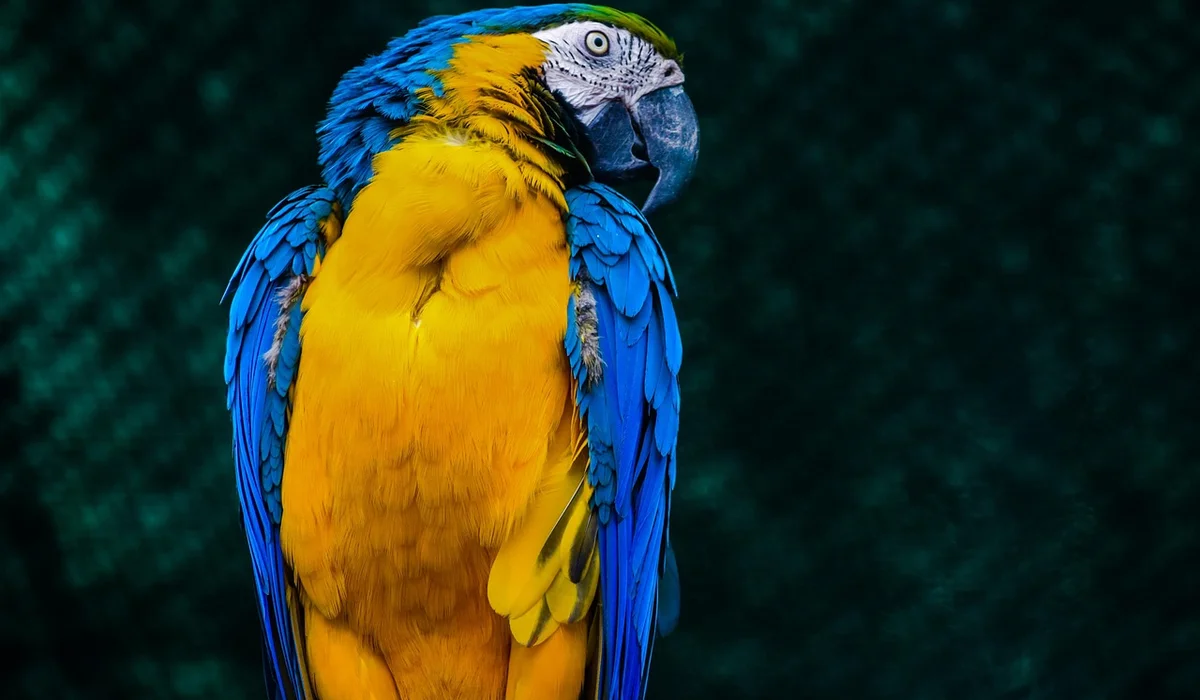
Managing your parrot’s environment is the single most effective way to support a healthy breeding cycle or, conversely, to discourage unwanted hormonal behavior. It all starts with mimicking the natural seasonal changes they would experience in the wild. You might be wondering: do I adjust my parrot’s care for different seasons? The short answer is yes—seasonal tweaks to light, temperature, and routine can support their natural rhythms. This isn’t just about a nest box; it’s about controlling the entire sensory experience for your bird.
Light and Darkness Cycles
Longer daylight hours signal the start of the breeding season. I maintain a strict 10-12 hours of uninterrupted darkness for my flock year-round to prevent them from thinking it’s always spring. Use a timer for their cage lights to ensure consistency. This simple practice helps regulate their hormones and prevents chronic egg-laying in females, which can be physically draining and dangerous.
Dietary Adjustments
Abundant food in the wild signals a great time to raise chicks. During non-breeding periods, I keep their diet lean and healthy, high in pellets and vegetables, with fatty seeds and nuts only as rare treats. If you are intentionally breeding, you would gradually introduce more high-fat, high-protein foods like soaked and sprouted seeds, cooked eggs, and legumes in the weeks leading up to the expected season. For the average pet owner looking to discourage breeding, keeping the diet “boring” is a powerful tool.
The Nesting Site
Your home is full of potential nesting sites you might not even realize. Remove or restrict access to any dark, enclosed spaces like cardboard boxes, under furniture, or fabric huts, as these can strongly stimulate breeding instincts. If you are providing a formal nest box for a breeding pair, ensure it is the correct size and style for your specific parrot species and mounted in a quiet, high part of the cage. Always use safe, untreated wood. If you are considering making a nesting box for parrots, start with a design tailored to your species’ size. A DIY box should use safe materials, provide ventilation, and be mounted high up with easy access for cleaning.
Managing Social Interactions
How you interact with your parrot can fuel or calm their hormonal drive. Avoid petting your bird on the back, wings, or under the tail feathers, as this is perceived as mating behavior. Instead, focus petting on the head and neck, which is socially acceptable and non-stimulating. For a calm, scared, or stressed parrot, gentle handling and a predictable routine can help ease anxiety and reduce hormonal spikes. If your bird becomes overly territorial or aggressive, it’s a sign you need to adjust their environment and interactions to help them calm down.
Caring for Your Breeding Pair: Health and Parental Roles
Getting your parrots ready for breeding starts long before the first egg appears. A truly successful breeding season is built on a foundation of peak physical health and a deep understanding of natural parrot parenting. From my years with Kiwi and Sunny, I’ve seen firsthand how proper preparation prevents countless problems.
Fueling for Success: The Pre-Breeding Diet
Think of this as athlete training. Your parrots need extra energy and specific nutrients. I gradually transition my flock about six weeks before I expect breeding behavior. Thinking in terms of the parrot life cycle helps frame why conditioning matters at each stage. By aligning diet and training with the life cycle of a parrot, we support healthier development and more successful breeding outcomes.
- High-Quality Pellets: These should remain the dietary base, making up about 50% of their food.
- Calcium Powerhouses: Offer cuttlebone, mineral blocks, and dark leafy greens like kale daily. Calcium deficiency is a leading cause of egg-binding, a life-threatening condition for hens.
- Healthy Fats and Proteins: Increase servings of soaked or sprouted seeds, legumes, and a little hard-boiled egg.
- Fresh Veggies and Fruits: Provide a colorful variety for vitamins. My conures go wild for chopped sweet potato and bell peppers.
The Vital Pre-Breeding Veterinary Checkup
Never skip this step. I schedule a wellness exam for any bird I’m considering for breeding.
- A certified avian vet will check their weight, overall body condition, and plumage.
- They can run tests for common diseases like Psittacosis or Polyomavirus that can be passed to chicks.
- This is your chance to discuss your specific parrot species’ needs and any potential genetic concerns.
Setting the Stage: The Breeding Environment
Your pair needs a safe, quiet, and private space to feel secure enough to raise a family.
- Location: Move their cage to a low-traffic area of your home away from loud noises and other pets.
- Nesting Box: Provide a properly sized wooden nest box high in the cage. Ensure the entrance hole is the correct diameter for your species.
- Bedding: Offer safe nesting materials like untreated pine shavings or shredded paper. I’ve watched my pairs meticulously arrange them for days.
Understanding Parrot Parenting Roles
Parrots are often dedicated co-parents. Knowing their jobs helps you monitor normal behavior.
- The Hen’s Job: She will lay the eggs and spend the vast majority of her time incubating them, only leaving for brief breaks to eat, drink, and defecate.
- The Cock’s Job: His primary duty is to guard the nest box and feed the hen while she incubates. You’ll often see him regurgitating food for her at the nest box entrance-this is a beautiful sign of a bonded pair.
- After Hatching: Both parents will work tirelessly to feed the chicks a special regurgitated substance called “crop milk.”
Signs of a Healthy, Attentive Pair
Watch for these positive behaviors that indicate good parenting instincts.
- The hen is settled on the eggs, turning them regularly.
- The cock remains vigilant nearby, bringing food to his mate.
- Both birds appear alert and in good body condition, not overly stressed or plucked.
When to Step In: Recognizing Parental Problems
Sometimes, intervention is necessary for the chicks’ welfare. Be prepared to hand-feed if you see these red flags.
- Egg Neglect: Eggs are left cold for extended periods.
- Chick Neglect: Parents are not feeding the newborns, or chicks appear cold and weak.
- Aggression: A parent begins attacking eggs or chicks. This is heart-breaking but does happen.
- Parent Illness: If one bird becomes sick, the other may be unable to manage all the parental duties alone.
FAQs
How can I tell if my parrot is entering mating season?
Watch for behavioral changes like increased vocalization and seeking dark spaces. These signs indicate hormonal activity driven by environmental cues.
What steps can I take to discourage breeding in my pet parrot?
Limit daylight exposure to 10-12 hours and avoid providing high-fat treats. Remove access to potential nest sites like fabric huts or cardboard boxes.
Is it normal for parrots to breed year-round in captivity?
No, constant breeding is unnatural and stems from artificial lighting and abundant food. This can cause stress and health problems like chronic egg-laying.
How long does the typical parrot breeding season last?
It generally spans from late winter to early summer, but varies by species and location. In the northern hemisphere, this is often February through June.
What should I do if my female parrot lays eggs unexpectedly?
Ensure she has calcium supplements and consult an avian vet to monitor for issues like egg-binding. Avoid disturbing the eggs initially to prevent further stress.
Final Thoughts
In short, managing your parrot’s environment is the most powerful tool you have to prevent unwanted breeding behavior. Keep an eye on daylight hours, limit high-fat foods, and rearrange their cage occasionally to signal that it’s not nesting time. Additionally, handle behavioral issues through routine training with positive reinforcement. Regular, short training sessions keep your parrot mentally engaged and responsive to cues.
Being a great parrot guardian means committing to lifelong learning about their complex needs. Your dedication to understanding their natural rhythms is what truly creates a happy and healthy home for your feathered friend. When you’re choosing a parrot guardian, prioritize someone who shares that commitment to ongoing education and consistent routines. A thoughtful choice in guardianship helps ensure the parrot’s needs are met, even when you’re not the primary caregiver.
Further Reading & Sources
- breeding months – Lafeber® Pet Birds
- The timing of birds’ breeding seasons: a review of experiments that manipulated timing of breeding – PMC
- Parrot Breeding Programmes | birdhealth
Suzanne Levine is a dedicated parrot enthusiast and experienced avian caregiver with over 15 years of hands-on experience in parrot care. As the founder of Parrot Care Central, Suzanne is passionate about sharing her knowledge and insights to help fellow parrot owners provide the best possible care for their feathered friends. Her expertise spans nutrition, behavior, health, and enrichment, making her a trusted resource in the parrot care community.
Mating Behavior