Macaw Parrot Prices: Your Complete Cost Guide by Species
Published on: March 23, 2026 | Last Updated: March 23, 2026
Written By: Suzanne Levine
Dreaming of a majestic Macaw but stressing over the price tag and hidden expenses? You’re right to think beyond the initial cost-parrots like my playful Green-cheeked Conure Kiwi taught me that ownership involves lifelong commitment and budgeting.
I’ve navigated parrot costs firsthand with birds like Sunny, my social Sun Conure, and I’m here to guide you through Macaw pricing without the overwhelm. You’ll get clear insights on key factors that shape prices, including species rarity, upfront investments, and long-term care needs.
- How different Macaw species vary in price due to availability and traits
- Essential upfront costs beyond the bird, like cages and vet checks
- Smart budgeting for food, toys, and health care to ensure your Macaw thrives
By the end, you’ll feel confident in your planning. We’ll dive into species prices, initial setup, ongoing expenses, and responsible buying tips-all in an easy-to-skim format.
What You Need to Know About Macaw Price Tags
When you first see a macaw’s price, it can feel like a punch to the wallet. That initial number is just the entry fee; the real cost is a lifelong commitment to their care and well-being. I learned this firsthand after years of sharing my home with parrots like my playful Kiwi and smart Sage.
Several key factors determine the final price tag of a macaw. A bird’s age, its coloration, and its breeder’s reputation all play a huge role.
- Age: Hand-fed, weaned babies are typically the most expensive due to the intensive labor involved.
- Source: Reputable breeders often charge more than pet stores, but you’re paying for health guarantees and proper early socialization.
- Color Mutations: Standard colors are common, but rare color variants can multiply a bird’s price many times over.
- Taming and Training: A parrot that is already hand-tamed and stepping up will cost significantly more than an untamed bird.
Always budget for the bird’s future, not just its purchase price. The cost of the Eclectus parrot itself is often just a fraction of your total lifetime investment in their health and happiness. You need a massive cage, high-quality food, and a dedicated avian vet fund. In a clear Eclectus parrot cost breakdown, you’ll see the purchase price is only the beginning, with ongoing expenses for housing, nutrition, enrichment, and veterinary care continuing for years.
Macaw Prices by Species: From Common to Rare
Popular Macaw Species and Their Costs
These are the macaws you’re most likely to find in the aviculture world. Popular species offer a fantastic balance of availability, personality, and relative affordability. I’ve met so many of these charismatic birds, and their energy is simply contagious.
- Blue and Gold Macaw: $1,200 to $3,000. The classic macaw, known for its intelligence and strong bond with owners.
- Scarlet Macaw: $2,000 to $4,000. A stunning, fiery bird with a personality to match its vibrant feathers.
- Green-winged Macaw: $2,500 to $4,500. Often called a “gentle giant” for its calmer demeanor compared to other large macaws.
- Military Macaw: $1,500 to $2,500. A slightly smaller, hardy macaw with a beautiful green plumage.
Remember, a lower price does not mean a lesser companion. My conure, Kiwi, cost less than a macaw but provides just as much joy and requires just as much dedicated care. The real value is in the relationship you build.
Rare and High-End Macaw Varieties
This is where macaw prices truly skyrocket. Rare macaws are often expensive due to limited breeding numbers, unique colorations, or conservation status. Owning one is a major responsibility and a significant financial undertaking.
- Hyacinth Macaw: $10,000 to $20,000+. The gentle giant of the macaw world, its stunning cobalt-blue feathers and high demand command a premium price.
- Lear’s Macaw: Extremely Rare. This bird is critically endangered and generally not available in the pet trade, which makes any potential price astronomical.
- Hahn’s Macaw: $800 to $1,200. While a mini-macaw, its smaller size and big personality make it a sought-after “budget” option for the macaw experience.
- Color Mutations (e.g., Blue & Gold, Scarlet): $5,000 to $15,000+. Unique colors like albino or lutino are bred selectively and are exceptionally rare.
Before falling for a rare bird’s beauty, do your homework. Ensuring you can provide a forever home for a creature that may outlive you is the most critical purchase consideration of all. Their long lifespan means your commitment spans decades.
Factors That Shape Macaw Prices
How Age and Breeding Affect Cost
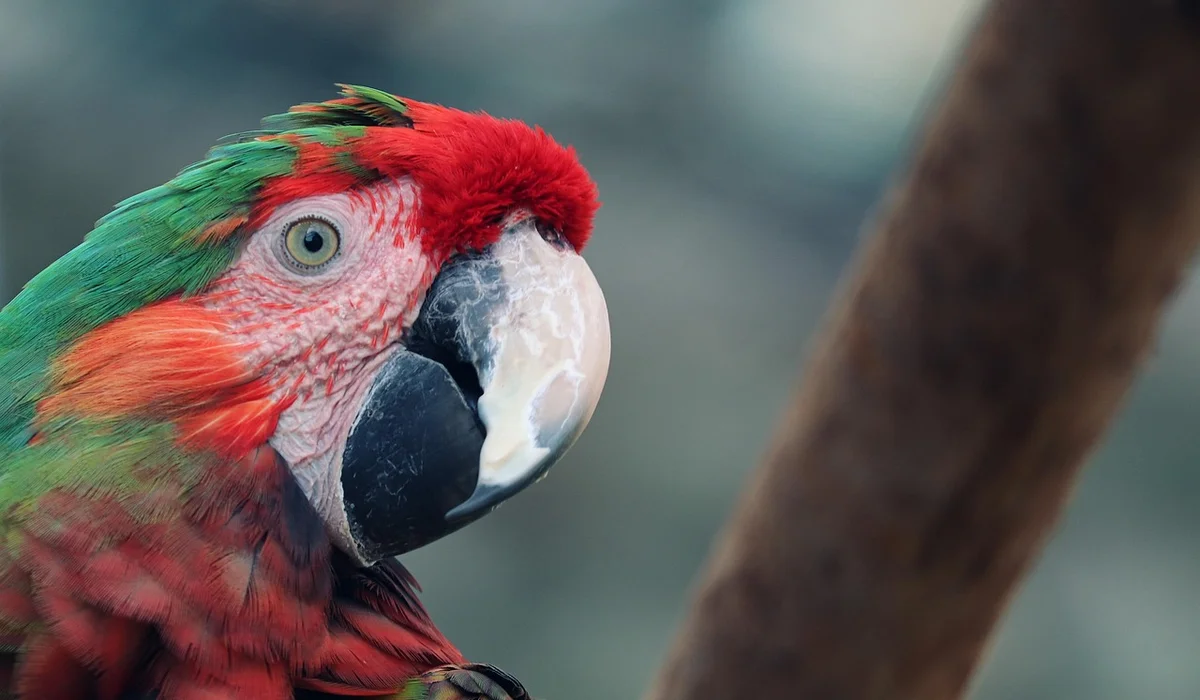
Age plays a huge role in what you’ll pay for a macaw. Baby macaws, often called chicks, usually cost more because they require intensive hand-raising and socialization. From my time raising Kiwi, my green-cheeked conure, I saw firsthand how young birds need constant attention, which drives up their price. Hand-raised birds tend to be pricier but are often tamer and easier to bond with. Adult macaws might be cheaper, but they can come with established habits that need patience to adjust.
Breeding status also swings the price tag. Captive-bred macaws from reputable breeders cost more due to health guarantees and proper care. Wild-caught birds are generally less expensive but come with ethical concerns and potential health issues, something I always advise against for animal welfare. Proven breeders, those that have successfully raised chicks, can be the most expensive because of their proven genetics. For readers focusing on Amazon parrots, these price dynamics are part of a complete guide on amazon parrot prices and the costs of different species. In that guide, you’ll see how prices vary across common Amazon species.
- Baby macaws: Higher cost for hand-raising efforts
- Adult macaws: Lower initial price, possible behavior adjustments
- Hand-raised vs. parent-raised: Tamer birds command premium prices
- Captive-bred: Healthier, costlier, with better socialization
Location and Legal Considerations
Where you live can drastically change macaw prices. In areas with high demand or limited breeders, like big cities, prices soar. I’ve noticed that rural areas might offer lower costs, but availability is sparse, making it a trade-off for potential owners. Import laws and regulations, such as CITES for endangered species, add layers of cost and paperwork. Some states or countries have strict bans on certain macaw species, pushing prices up for legal options.
Legal hurdles aren’t just about money—they protect these amazing birds. Always check local wildlife laws before buying; skipping this step could lead to fines or worse, harm to the parrot. Transport costs from breeders in other regions can inflate the price, so factor in shipping or travel expenses. For a clear answer on how much a parrot costs, check out our complete initial purchase price guide. It breaks down the upfront price and essential setup costs.
- Urban vs. rural: Higher prices in high-demand zones
- CITES regulations: Extra fees for protected species
- State bans: Limited supply increases costs
- Transport: Shipping adds hundreds to the bill
The Full Picture: Macaw Ownership Costs Beyond Purchase
Setup and Recurring Expenses
Buying the macaw is just the beginning—setup costs hit hard. A sturdy cage for a large bird like a macaw can run $500 to $1500. When I set up Sunny’s space, my sun conure, I spent over $800 on a cage alone, and macaws need even more room to thrive. Add in perches, toys, and feeding dishes, and you’re looking at another $200-$500 upfront. That’s where a essential equipment budgeting guide comes in. It helps you plan cage size, perches, toys, feeding dishes, and maintenance within a realistic budget. Toys are essential for mental stimulation; macaws chew constantly, so budget for replacements.
Recurring expenses add up fast. High-quality pellets, fresh fruits, and veggies cost about $50-$100 monthly. Vet care is non-negotiable; annual check-ups run $100-$300, and emergencies can skyrocket that. Grooming for nails and wings might be $50 per session a few times a year. Don’t forget insurance or savings for unexpected health issues-it’s a safety net I wish I’d had earlier with Sage, my African grey.
- Initial setup: Cage, toys, perches-budget $700-$2000
- Monthly food: Pellets, fresh produce-plan for $50-$100
- Veterinary care: Annual visits and emergencies-set aside $200-$500 yearly
- Ongoing needs: Grooming, toy replacements-allow $100-$300 annually
Where to Buy or Adopt a Macaw
Finding your feathered friend starts with choosing between adoption and buying, and each path has its own quirks and costs. You can explore reputable breeders, avian rescues, or specialized pet stores to bring a macaw into your life. I’ve visited many breeders over the years and always check for clean, spacious enclosures-it’s a sign they prioritize bird health.
Adoption centers often house macaws needing second chances, which tugs at my heart as an animal advocate. Rescuing a bird not only saves money but also gives a deserving parrot a loving home, something I’ve seen transform lives firsthand. When I adopted my Green-cheeked Conure Kiwi, the process was smooth and affordable, reinforcing how adoption benefits both pet and owner. That said, deciding between adoption and buying a parrot isn’t a one-size-fits-all choice. It’s about finding the right fit for your home and lifestyle while weighing factors like age, temperament, and long-term care commitments.
Adoption vs. Buying: Cost and Care Insights
Adopting a macaw typically costs less upfront, often ranging from $100 to $500, while buying from a breeder can run $1,000 to $3,000 or more for common species. Adoption fees usually cover initial vet checks and basic care, making it a budget-friendly option that supports animal welfare. I’ve fostered older macaws and found they adapt well with patience, though some may need extra training due to past experiences.
Buying from breeders gives you a hand-raised chick, which might bond faster but comes with higher expenses. Purchased macaws often require ongoing costs for socialization and health guarantees, so factor that into your long-term budget. In my experience, adopting an adult bird like my Sun Conure Sunny meant lower initial costs and the joy of providing a forever home.
- Adoption pros: Lower cost, supports rescues, immediate companionship
- Adoption cons: Potential behavioral issues, limited species choice
- Buying pros: Healthier lineage, younger birds, breeder support
- Buying cons: Higher price, may encourage overbreeding if not ethical
Always prioritize macaws’ well-being by choosing sources that emphasize humane practices. I advocate for adoption whenever possible, as it reduces the strain on rescue systems and gives these intelligent birds a fresh start.
Macaw Prices in Different Regions
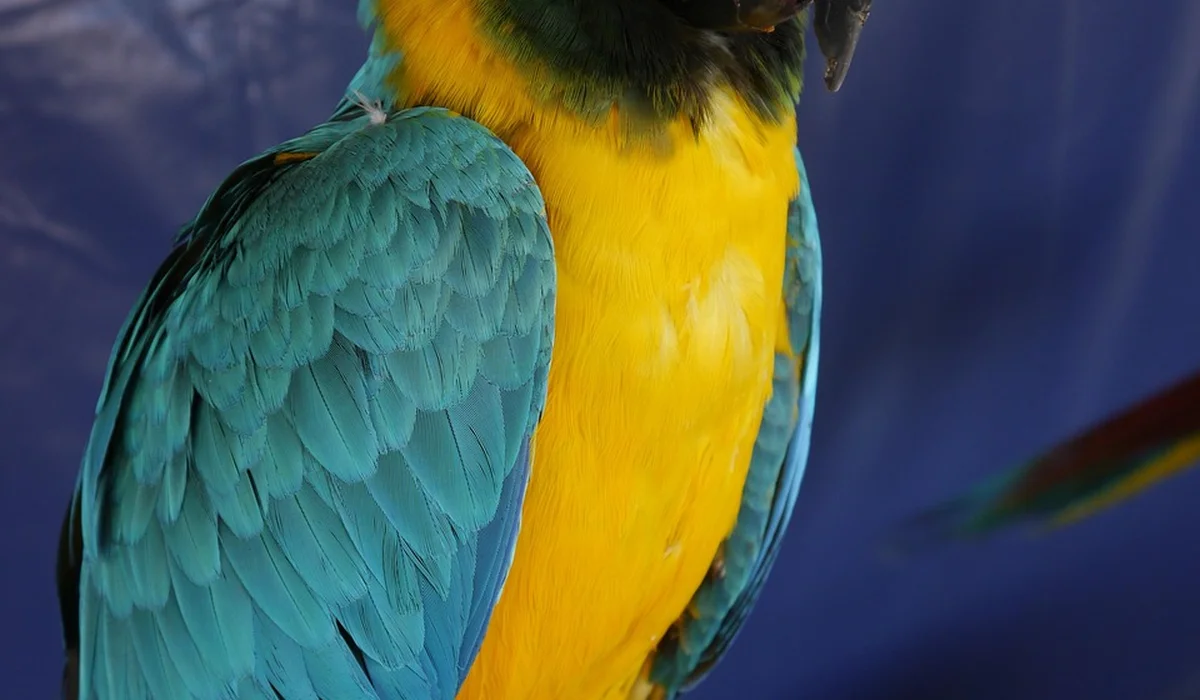
Macaw prices shift based on where you live, influenced by local demand, import laws, and breeder availability. In the United States, common species like Blue and Gold Macaws often cost $1,200 to $2,500, while rarer Hyacinth Macaws can exceed $10,000. I’ve chatted with breeders nationwide and noticed urban areas like California have steeper prices due to higher overhead.
European markets might see similar ranges, but taxes and regulations can add 10-20% to the total. Countries with strict animal import rules, such as Australia, often have limited supply, driving prices up for locally bred macaws. My African Grey Sage came from a trusted European source, and the regional variations taught me to always research local norms before committing.
| Region | Common Macaw Species | Approximate Price Range |
|---|---|---|
| North America | Scarlet Macaw, Blue and Gold | $1,000 – $3,000 |
| Europe | Green-winged Macaw, Military Macaw | €900 – €2,800 |
| Asia | Hyacinth Macaw, Hahn’s Macaw | Varies widely, often $2,000 – $15,000+ |
Factor in additional costs like cages, vet visits, and diet to avoid surprises. Regional price differences remind me to plan carefully, ensuring I can provide a stable home no matter where I shop or adopt. Always verify breeders’ credentials to avoid supporting unethical practices that harm these magnificent birds.
Smart Tips for Buying Your Macaw
Before you fall for those bright feathers and big personality, take a deep breath. Buying a macaw is a huge commitment, and a smart purchase goes way beyond just the initial price tag. I learned this the hard way with my first parrot, and I want you to be fully prepared.
Budget for More Than Just the Bird
The bird’s cost is just the first drop in the bucket. You need to be ready for the lifetime of expenses that follows. For a Quaker parrot, the initial purchase is only the start. A practical Quaker parrot budgeting guide should cover cage setup, toys, food, routine vet care, and ongoing maintenance.
- The Big Cage: A proper macaw cage is an investment, often costing as much as a small macaw itself.
- Quality Food & Toys: These aren’t one-time purchases. Macaws are powerful chewers and need a constant supply of safe, destructible toys to stay happy and healthy.
- Unexpected Vet Bills: Avian veterinarians are specialists. An emergency visit can easily run into the hundreds, if not thousands, of dollars.
Choose Your Source Wisely
Where you get your macaw matters immensely for its health and temperament.
- Reputable Breeders: A good breeder will be transparent, allow visits, and provide extensive health records. They socialize their chicks, which is crucial for a well-adjusted bird.
- Adoption & Rescue: Don’t overlook rescues! Many wonderful macaws need a second chance at a forever home. My green-cheek, Kiwi, was a rehome, and he’s the most playful soul.
- Red Flags to Avoid: Steer clear of sellers who can’t answer basic questions, have dirty facilities, or pressure you into a quick sale.
Do Your Homework Before You Hand Over Cash
This is your moment to be a detective. A little legwork now saves heartache later.
- Visit in Person: See the bird, its parents (if possible), and its living conditions. Look for bright eyes, clean feathers, and curious behavior.
- Ask for a Vet Check: A pre-purchase examination by an avian vet is non-negotiable for me now. It can uncover hidden health issues.
- Spend Time Interacting: See how the bird responds to you. Is it fearful, aggressive, or inquisitive? This tells you a lot about its past and personality.
Remember, you are making a commitment that could span decades, so taking your time to make the right choice is the smartest move you can make. Rushing this process often leads to mismatched homes and unhappy birds, something I am passionate about preventing through good education.
FAQs
What is the price of a Macaw parrot?
Macaw parrot prices vary widely by species, with common types like Blue and Gold starting around $1,200 and rare Hyacinth Macaws exceeding $10,000. Factors such as age, breeding source, and color mutations significantly affect the final cost. In a complete price comparison guide, you’ll see how the cheapest parrots stack up against the most expensive ones. This helps buyers understand value, long-term care costs, and what trade-offs come with different price points.
What is the price of a Macaw parrot in India?
In India, Macaw parrot prices generally range from ₹80,000 to ₹3,00,000 INR for common species, influenced by local demand and import regulations. Rare species or color variants can cost more, so always verify breeder credibility and bird health. Compared with Macaws, the Indian ringneck parrot is smaller and typically more affordable. For specifics on its cost, size, and care, see our Indian Ringneck Parrot Cost, Size, and Care Guide.
What is the price of a Macaw parrot in the UK?
In the UK, expect to pay £1,500 to £4,000 for popular Macaw species like Scarlet or Green-winged, depending on factors like age and training. Additional costs for cages, vet care, and permits should be factored into your budget.
What is the price of a Macaw parrot in Singapore?
In Singapore, Macaw prices are often higher due to strict import laws, starting around SGD 2,500 for common species and rising for rarer ones. Ensure you account for legal fees and avian vet checks to comply with local regulations.
What is the price of a Macaw parrot in Pakistan?
In Pakistan, Macaw parrot prices can range from PKR 150,000 to PKR 600,000, varying with species rarity and seller reputation. This sits within an international parrot prices cost guide that also covers markets in the Philippines, Nigeria, and South Africa. Prices vary by country due to local demand, regulations, and supply dynamics. Always prioritize purchasing from ethical sources to avoid supporting illegal trade and ensure the bird’s well-being.
Closing the Loop
When you look at macaw parrot prices, remember that the initial purchase is just the start. The real investment is in their decades of life, requiring a steady budget for quality food, large cages, and specialized vet care. Choose a species whose long-term needs and personality you can genuinely meet, not just one whose upfront cost fits your wallet. Consider your lifestyle and home environment to ensure it’s the right fit for a macaw.
Bringing a macaw into your home is a profound commitment to a highly intelligent creature. Responsible ownership means dedicating yourself to learning about parrot behavior, nutrition, and enrichment every single day. Your ongoing education is the greatest gift you can give your feathered friend, ensuring they live a full, vibrant, and happy life by your side.
Further Reading & Sources
- MACAW PARROTS – Exotic Parrot Pet Store
- Macaws – Ana’s Parrots & Supplies
- Macaw Parrots Archives – Worldwide Exotic Parrots Farm
Suzanne Levine is a dedicated parrot enthusiast and experienced avian caregiver with over 15 years of hands-on experience in parrot care. As the founder of Parrot Care Central, Suzanne is passionate about sharing her knowledge and insights to help fellow parrot owners provide the best possible care for their feathered friends. Her expertise spans nutrition, behavior, health, and enrichment, making her a trusted resource in the parrot care community.
Finding a Parrot