
Jamaican Parrot Species: Native Birds and Conservation
You might be wondering what incredible parrots call Jamaica home and if they are in danger of disappearing forever. The vibrant calls and flashes of color in the treetops are part of the island’s soul, and their future is a story we all share.
I will help you get to know these amazing birds by covering the most important details you need. We will look at:
- The specific parrots native to the island and their unique traits.
- The real-world threats pushing these species toward extinction.
- The vital conservation efforts working to save them.
You will get a clear picture of the situation and learn how you can be part of the solution. The article covers: Jamaican Parrot Species, Threats to Survival, Current Conservation Programs, How You Can Help, Ecotourism Opportunities, Future Outlook.
Meet the Jamaican Parrot: What Species Calls Jamaica Home?
The star of the show is the Jamaican Amazon, a stunning green parrot you won’t find anywhere else in the world. Its official scientific name is Amazona collaria, a label used by researchers and conservationists.
When we say a bird is “endemic,” it means this species naturally lives and breeds only in that one specific place. This makes the Jamaican Amazon a truly unique and irreplaceable part of the island’s natural heritage.
- Common Name: Jamaican Amazon or Yellow-billed Parrot
- Scientific Name: Amazona collaria
- Endemic Status: Found only in Jamaica
I remember the first time I saw an Amazon parrot up close; it was a vibrant Yellow-headed Amazon, a cousin to the Jamaican species. Its intelligence and playful curiosity instantly captivated me, giving me a small glimpse into the charismatic personality these incredible birds possess. Parrots are widely regarded as highly intelligent, notable for their problem-solving and speech mimicry. Their cognitive gifts often spark the same sense of wonder I felt that day.
Where Do Jamaican Parrots Live and What Do They Look Like?
These parrots thrive in Jamaica’s lush, green mountain forests. You’ll find them flitting through the canopy at mid to high elevations, particularly in the Cockpit Country and the John Crow Mountains. The air is thick with the scent of damp earth and blooming flowers, a perfect sanctuary for wildlife.
Their appearance is a beautiful mosaic of tropical colors. Seeing one in the wild is like spotting a living jewel against the deep green leaves.
- A body primarily cloaked in vibrant green feathers
- A distinctive white forehead and a striking pale pink ring around the neck
- A namesake horn-colored beak that can look yellowish
- Brilliant blue feathers accenting the wings
- A medium-sized parrot, typically reaching about 28 centimeters (11 inches) in length
Their wild diet is a natural buffet of local fruits, seeds, nuts, and blossoms. They feast on things like wild figs, the fruits of the Jamaican dogwood tree, and mangoes when in season. There are no recognized subspecies of the Jamaican Amazon, making this single population all the more precious. Protecting their forest home is critical to ensuring their survival.
Why Are Jamaican Parrots Facing Threats and What’s Their Status?
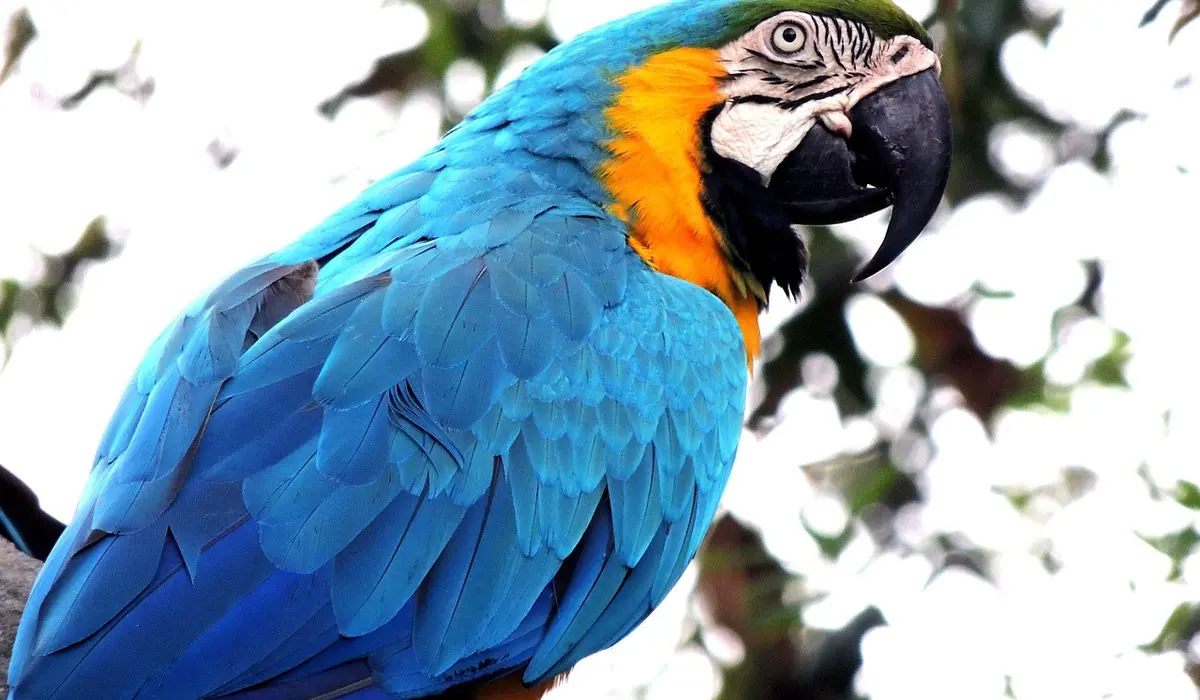
Jamaica’s parrots, like the Yellow-billed and Black-billed Parrots, are classified as endangered due to a rapid decline in their populations. I’ve seen firsthand how habitat destruction from deforestation is the single biggest driver, stripping these intelligent birds of the tall, mature trees they need for nesting and feeding. These same pressures also threaten African Grey Parrots, whose populations have declined for similar reasons. They are endangered largely due to habitat loss and the illegal pet trade, illustrating a broader crisis for rainforest parrots.
- Deforestation for agriculture and urban development
- Illegal pet trade and poaching of chicks from nests
- Introduction of invasive species like rats and mongoose that prey on eggs
- Increasing frequency of severe hurricanes damaging forest canopies
The loss of these parrots creates a ripple effect across the entire ecosystem. As key seed dispersers, their decline threatens the regeneration of Jamaica’s native forests, which in turn impacts countless other species that depend on that habitat. In the wild, parrots forage on a mix of wild fruits, seeds, and flowers. This means their access to natural habitats directly shapes what they eat. Watching my own parrots interact with different foods at home gives me a tiny window into this vital ecological role they play in the wild.
From my years in wildlife advocacy, protecting these parrots isn’t just about saving one species. It’s about preserving the intricate web of life that makes Jamaica’s environment function and thrive for everyone. The CITES treaty explains that owning exotic parrots is tightly regulated and often illegal without proper permits. This helps prevent illegal wildlife trade while steering ownership toward responsible, legal avenues. A forest without the chatter and color of its native parrots is a quieter, poorer place.
How Are People Helping Jamaican Parrots Survive?
Dedicated conservationists are fighting back with a multi-pronged approach to give these birds a fighting chance. Organizations like the Jamaican Conservation and Development Trust run critical breeding and release programs to bolster wild populations, carefully monitoring the health and success of each bird.
Habitat restoration is a massive, ongoing effort. Here are the key steps teams are taking:
- Identifying and protecting critical nesting areas from further logging.
- Launching community-based reforestation projects with native tree species.
- Installing artificial nest boxes in areas where natural cavities are scarce.
- Continuous field research to track parrot movements and population trends.
Ecotourism and education are powerful tools in this fight. When visitors come to see these magnificent birds in their natural habitat, it creates a sustainable economic incentive for local communities to protect them. School programs are teaching the next generation why their national bird is a treasure worth saving.
Seeing the resilience of parrots in my own home, like my curious Green-cheeked Conure Kiwi, fuels my belief in these efforts. Every protected acre and every successfully fledged chick is a victory, but the work is far from over. Supporting these conservation programs is one of the most direct ways we can ensure the wild calls of Jamaican parrots don’t fall silent. For hurricane season, many parrot owners plan ahead with secure cages and travel carriers, plus a small emergency kit of food and water. Being prepared helps birds and their humans ride out storms with less stress.
What Should Pet Parrot Owners Know About Jamaican Parrots?
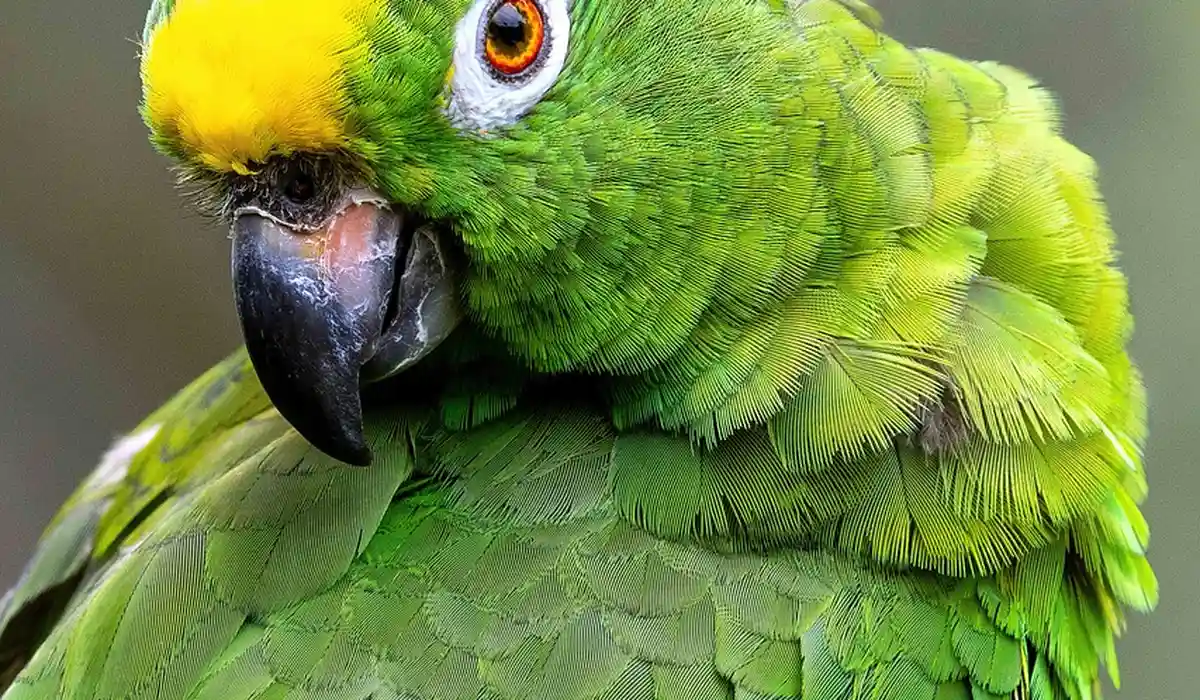
Owning a parrot connects you to the wild world these magnificent birds come from. Your choices as a pet owner directly impact the survival of wild species like the Jamaican Parrots, making ethical decisions the foundation of true care, especially when it comes to choosing between breeding and adoption.
Ethical Considerations and Avoiding Wild-Caught Birds
The global pet trade has devastated wild parrot populations. Jamaica’s parrots are no exception.
- Always choose a bird from a reputable breeder who can provide full documentation.
- Wild-caught birds often suffer from immense stress, disease, and behavioral issues, making them challenging pets.
- Supporting the legal, captive-bred market helps reduce the financial incentive for poachers to trap birds from their natural habitats.
By welcoming a responsibly sourced bird into your home, you are casting a vote for the protection of their wild cousins.
Support Conservation Through Responsible Pet Ownership
Caring for your parrot with respect is a form of conservation in action. My own Green-cheeked Conure, Kiwi, reminds me daily that a well-cared-for pet is a testament to the species’ worth. Understanding the care they need is crucial.
- Provide a large, enriching cage with plenty of natural wood perches and foraging toys.
- Feed a high-quality, varied diet of pellets, fresh vegetables, and limited fruits.
- Schedule regular check-ups with an avian veterinarian to ensure a long, healthy life.
Giving your parrot an excellent life is the most powerful story you can tell others about why these birds deserve our utmost protection everywhere. Understanding the 15 deadly household mistakes that could kill your parrot helps turn that protection into practical safety at home. By learning what to avoid, you can keep your feathered friend thriving and safe.
How to Get Involved in Jamaican Parrot Conservation
Your support can extend far beyond your living room. Here are direct ways to help.
- Donate to organizations dedicated to Caribbean wildlife, such as the World Parrot Trust or BirdLife International.
- Sponsor a nest box or a specific parrot through a recognized Jamaican conservation program.
- Educate your friends and family about the plight of wild parrots and the importance of ethical pet ownership.
Even a small, recurring donation can fund critical field research and habitat restoration projects that give these birds a fighting chance.
A Personal Reflection on Care and Respect
When I adopted my African Grey, Sage, I made a promise to honor his intelligence and complex nature. That promise isn’t just to him; it’s a commitment to all parrots, affirming that they are not commodities but feeling beings deserving of freedom and dignity, whether in a forest or a family home. Every time I see him solve a puzzle or gently take a treat, I’m reminded of the brilliant wild minds we are fighting to save.
FAQs
What is the Jamaican parrot species called?
The species is commonly referred to as the Jamaican Amazon. It is also known as the Yellow-billed Parrot due to its distinctive beak coloring. In a parrot species identification guide, you compare this parrot to look-alikes to see how they look different. Do different parrots look alike?
What is its scientific name?
Its scientific name is Amazona collaria. This classification helps researchers and conservationists accurately identify and study the species.
Where is it endemic to?
It is endemic exclusively to the island of Jamaica. This means it naturally exists and breeds only in this specific location.
What does it eat?
Its diet primarily consists of native fruits, seeds, and nuts. It forages for items like wild figs and blossoms in its forest habitat.
What is its conservation status?
It is listed as an endangered species by conservation authorities. This status reflects significant population declines and high extinction risk.
Wrapping It Up
Ultimately, protecting Jamaica’s spectacular parrots means championing their wild homes and making mindful choices as a caretaker. Supporting conservation programs and choosing captive-bred birds are powerful actions that directly safeguard these species for the future.
Your journey in pet parrot care is a continuous, rewarding path of learning. Commit to understanding their complex needs, and you’ll help ensure all parrots, both in homes and jungles, live vibrant, fulfilling lives. To create a long-term care plan for your parrot, you translate care into consistency. A simple plan outlines daily routines, nutrition, enrichment, training, and regular veterinary checks to support years of well-being.
Further Reading & Sources
- jamaica parrot project
- jamaica parrot project report
- Jamaican Parrots Being Sold Illegally – Jamaica Information Service
Suzanne Levine is a dedicated parrot enthusiast and experienced avian caregiver with over 15 years of hands-on experience in parrot care. As the founder of Parrot Care Central, Suzanne is passionate about sharing her knowledge and insights to help fellow parrot owners provide the best possible care for their feathered friends. Her expertise spans nutrition, behavior, health, and enrichment, making her a trusted resource in the parrot care community.
Rehabilitation