Cheapest vs Most Expensive Parrots: Complete Price Comparison Guide
Published on: March 27, 2026 | Last Updated: March 27, 2026
Written By: Suzanne Levine
Are you excited to welcome a parrot into your home but stressed about how much it might cost? I felt the same way when I first started, and I’ve learned a lot from raising my own feathered friends like Kiwi, Sunny, and Sage.
In this guide, I’ll help you navigate parrot prices with ease, drawing from my personal experience to give you honest advice. You’ll get clear takeaways on what drives costs up or down, so you can budget wisely and focus on what really matters-happy, healthy birds.
- Key factors that make parrots cheap or expensive, from breed rarity to personality quirks.
- Real price examples I’ve encountered, including budget-friendly and luxury options.
- Hidden expenses beyond the sticker price, like vet care and enrichment toys.
By the end, you’ll feel confident making a choice that fits your wallet and lifestyle. We’ll dive into topics like initial purchase costs, ongoing care budgets, breed comparisons, adoption savings, and animal welfare tips to ensure your parrot thrives.
What Drives Parrot Price Differences?
I’ve seen parrot prices swing wildly, and it’s rarely just about the species. The cost is a cocktail of rarity, demand, and the bird’s individual traits. My Green-cheeked Conure, Kiwi, was a mid-range bird, but her specific coloring and playful personality did nudge her price up a bit compared to a standard green-cheek. That same pattern shows up with Amazon parrots, where prices swing by species—from common Blue-fronted Amazons to rarer Yellow-naped Amazons. A complete guide to Amazon parrot prices by species can help you understand the costs involved.
- Rarity & Availability: Birds that are hard to breed or import, like certain macaws or eclectus parrots, command premium prices. The basic law of supply and demand is in full force.
- Color Mutations: A standard green budgie is very affordable, but a rare lacewing or lutino mutation can cost ten times more. This is one of the biggest price drivers I’ve noticed.
- Age & Training: A hand-fed, weaned baby parrot costs significantly more than an untamed adult. My African Grey, Sage, was more expensive because he came with basic step-up training, which saved me weeks of work.
- Species Popularity: Birds featured in movies or social media often see a price surge due to increased demand. Always research beyond trends to find the right fit for your home.
- Breeder Reputation & Vet Care: A reputable breeder who provides health guarantees and initial vet checks will charge more, and that extra cost is worth every penny for your peace of mind.
Budget-Friendly Parrots: Affordable Feathered Friends
You absolutely can find a wonderful parrot companion without draining your savings. Some of the most charming and personable parrots are also the most affordable. I always encourage potential owners to look at these species first, as they offer incredible companionship for a modest investment. For first-time owners, starting with a small parrot can make budgeting easier and care more approachable. These pocket-sized companions often come with lower upfront costs and simpler ongoing care requirements.
| Species | Average Price Range | Quick Care Notes |
|---|---|---|
| Budgerigar (Budgie/Parakeet) | $20 – $60 | Small, social, relatively quiet. Great for apartments and first-time owners. |
| Cockatiel | $80 – $250 | Gentle, whistles beautifully, less demanding than larger parrots. A fantastic all-around pet. |
| Lovebird | $100 – $250 | Bold, playful, and full of personality in a small package. Can be nippy if not socialized. |
| Green-Cheeked Conure | $250 – $600 | Quieter than most conures, clownish personality. My Kiwi is a constant source of entertainment. |
| Parrotlet | $150 – $350 | Tiny but feisty! They have big parrot attitudes and are surprisingly intelligent. |
Finding a bargain often means looking beyond traditional pet stores. I’ve had great experiences with avian rescues and bird-specific adoption organizations. You give a bird a second chance at a loving home, and the adoption fee is typically much lower than a breeder’s price. If you go with a breeder, choose one who is transparent, allows visits, and prioritizes the birds’ health over profit.
Top Picks for Cheap Talking Parrots
If a chatty companion is your dream, you don’t need to spend thousands. Some of the most gifted talkers are also among the most budget-friendly birds you can find. My first budgie, Pip, had a vocabulary of over 50 words and cost me less than a nice dinner out.
- Budgerigar (Budgie): The undisputed champion of cheap talking parrots. Males are especially vocal and can learn extensive vocabularies with patience.
- Quaker Parakeet (Monk Parakeet): These are incredible talkers with clear, crisp voices. They are social and bond deeply, which fuels their desire to communicate.
- Indian Ringneck Parakeet: Known for their remarkable clarity and ability to mimic tones and inflections, making their speech sound incredibly human-like.
Assessing a parrot’s talking potential before you buy is part art and part science.
- Choose a Young Bird: Younger parrots, especially those still being hand-fed or newly weaned, are more impressionable and likely to pick up speech.
- Spend Time Interacting: Visit the bird multiple times. A curious, outgoing bird that watches you intently and tries to vocalize is a good candidate.
- Listen for Mimicry: Even young birds will babble and experiment with sounds. You’re listening for any attempts to copy human speech or household noises.
- Ask the Breeder: A good breeder will know their birds’ personalities and can point you toward the more vocal individuals in their flock.
- Be Realistic and Patient: Not every bird will talk, regardless of species. The joy of parrot ownership comes from the bond, not just the vocabulary.
Luxury Parrots: High-End Avian Companions
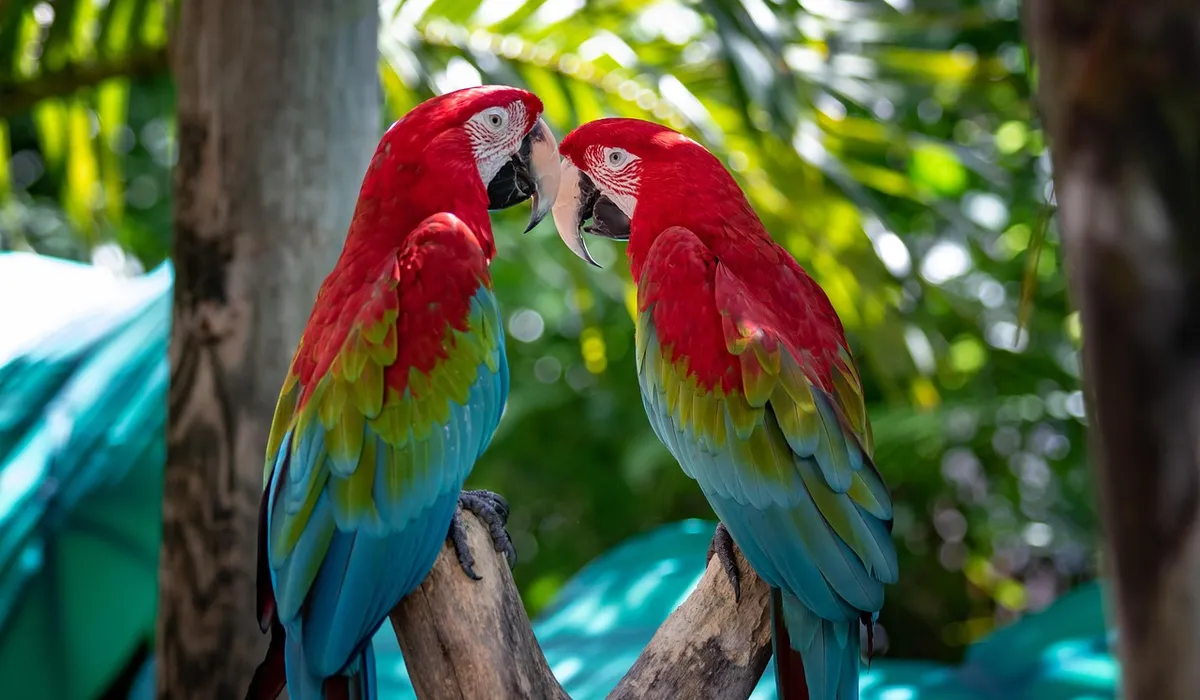
When you step into the world of high-end parrots, you’re not just buying a pet; you’re acquiring a living masterpiece. Owning a hyacinth macaw feels like having a piece of the tropical sky in your living room, but that piece of sky comes with a price tag that can soar between $12,000 and $25,000. Prices vary widely across macaw species, reflecting size, lineage, and rarity. In general, larger macaws tend to command higher prices, while smaller varieties can be more affordable. I once met a palm cockatoo at a sanctuary, and its prehistoric, almost dinosaur-like presence was utterly captivating, with costs ranging from $15,000 to a staggering $30,000.
Why These Birds Command Premium Costs
- Extreme Rarity: Many are endangered, with limited numbers in captivity.
- Complex Breeding: They have low reproduction rates and need specialized care.
- Collector Appeal: Their unique looks and intelligence make them status symbols.
- Lifespan Commitment: These birds can live 60+ years, demanding a lifetime home.
Why Some Parrots Cost a Fortune
The price isn’t just about beauty; it’s about the immense effort behind each bird. Breeding difficulty is a huge factor, as some species only lay one egg every few years and need constant monitoring. I’ve seen breeders work tirelessly through the night to ensure a single chick survives. Import laws add another layer, with strict regulations making legal acquisition costly and time-consuming.
- Breeding challenges and low success rates
- Strict international trade and import restrictions
- Unique physical traits like vibrant colors or large size
- High demand from dedicated collectors and enthusiasts
- Extensive veterinary and dietary needs from day one
Parrot Price Comparison Chart by Species
To give you a clear picture, here’s a breakdown of what you can expect to pay across different species. If you’re specifically shopping for a talking parrot, prices can vary widely by species and how well they talk. You’ll often see higher prices for proven talkers and hand-raised birds. Prices can swing based on where you shop, with breeders often charging more for hand-raised, socialized birds compared to large pet stores. I always recommend visiting breeders to see the conditions firsthand, as a healthy start is worth every extra penny.
| Species | Average Price | Key Features |
|---|---|---|
| Budgerigar (Budgie) | $20 – $50 | Small, friendly, great for beginners, many color mutations |
| Cockatiel | $80 – $250 | Gentle, whistles tunes, easy to tame, long crest feathers |
| Green-cheeked Conure | $250 – $600 | Playful, quieter than most conures, affectionate clown |
| African Grey | $1,500 – $4,000 | Extremely intelligent, excellent talker, needs mental stimulation |
| Amazon Parrot | $1,000 – $3,000 | Strong personality, vibrant colors, can be loud, social |
| Hyacinth Macaw | $12,000 – $25,000 | Largest flying parrot, stunning blue, requires vast space |
| Palm Cockatoo | $15,000 – $30,000 | Rare, uses tools, dramatic appearance, very specific care |
Always remember that the initial purchase is just the beginning; ongoing costs for food, large cages, and vet care add up quickly. My own Green-cheeked Conure, Kiwi, was a mid-range purchase, but her joyful antics have been priceless. Where you buy matters too-rescue organizations sometimes have amazing birds for lower fees, giving a second chance to a feathered friend in need.
Total Cost of Parrot Ownership: Beyond the Purchase
Buying the bird is just the first small part of your financial journey. The real commitment shows up in the years of care that follow the initial excitement.
Initial Setup vs. Ongoing Expenses
Think of initial costs as your startup investment and ongoing costs as your subscription to a happy, healthy parrot.
- Initial Costs: A proper cage, several perches, a variety of toys, food and water dishes, and the first vet check-up.
- Ongoing Expenses: High-quality pellets and fresh foods, routine veterinary care, replacing destroyed toys, and utilities like electricity for heat and light.
Estimating Your Yearly Parrot Budget
Let’s break down what you can expect to spend annually. These are estimates, and your location and your bird’s specific needs will cause variations.
- Small Parrots (e.g., Budgies, Cockatiels)
- Food & Treats: $150 – $250
- Toys & Enrichment: $100 – $200
- Routine Vet Care: $100 – $200
- Estimated Yearly Total: $350 – $650
- Medium Parrots (e.g., Conures, Caiques)
- Food & Treats: $300 – $500
- Toys & Enrichment: $200 – $400
- Routine Vet Care: $200 – $300
- Estimated Yearly Total: $700 – $1,200
- Large Parrots (e.g., Macaws, Cockatoos)
- Food & Treats: $600 – $1,000+
- Toys & Enrichment: $400 – $800+
- Routine Vet Care: $300 – $500
- Estimated Yearly Total: $1,300 – $2,300+
I learned the hard way with my conure, Kiwi, that an emergency fund is non-negotiable. A sudden illness resulted in a $800 vet bill that would have caused serious financial stress without my savings. It taught me to always budget for the unexpected.
Budgeting for Parrot Care Over Time
Managing monthly costs is key to sustainable parrot ownership.
- Small Parrots: $30-$55/month for food, toys, and savings for vet care.
- Medium Parrots: $60-$100/month for the same essentials.
- Large Parrots: $110-$200+/month, as they consume and destroy more.
You can save money without ever cutting corners on your bird’s well-being. I buy pellets and nuts in bulk, which saves a significant amount over time. I also make my own bird-safe toys from untreated wood, cardboard, and leather, which my flock adores. Prioritize spending on high-quality food and expert avian vet care-these are not the areas to cheap out on.
Smart Shopping for Parrots on a Budget
Finding an affordable parrot requires patience and a sharp eye for animal welfare.
Steps to Find an Affordable Parrot
- Check Parrot Rescues and Shelters First. This is my number one recommendation. Adoption fees are typically much lower than breeder prices, and you’re giving a bird a second chance at a loving home.
- Network in Local Bird Clubs. Members often know of birds needing rehoming. These situations can be more affordable and you get insights from the previous owner.
- Be Patient and Wait for the Right Bird. Rushing leads to poor decisions. The perfect, budget-friendly parrot will come along if you wait.
Red Flags When Buying a “Cheap” Parrot
A low price can sometimes be a warning sign. Your priority should always be the bird’s health and history.
- The seller refuses to let you see where the birds are kept.
- The bird is listless, has ruffled feathers, or sits on the cage floor.
- There are multiple birds crammed into a single, dirty cage.
- The seller cannot provide any information about the bird’s age, history, or diet.
- The price seems too good to be true for the species.
Always trust your gut-if something feels off about the seller or the bird’s condition, walk away. Supporting unethical breeders or pet stores only perpetuates the cycle of animal suffering.
Evaluating a Parrot Before You Buy
When I went to meet Sunny, my sun conure, I spent over an hour just observing. Look for a bird that is alert, curious, and has bright, clear eyes. Check that its feathers are smooth and it’s not sneezing or wheezing. See how it reacts to people. Does it seem fearful or interested? Ask to offer it a treat from your hand. This simple test can tell you a lot about its personality and potential for tameness. Choosing a healthy, well-adjusted bird from the start saves you from immense heartache and vet bills later.
Is a High-Priced Parrot Worth the Investment?
This question keeps many prospective bird owners awake at night. From my years living with both budget-friendly and luxury parrots, the answer is deeply personal and hinges on your lifestyle, not just your wallet. The initial price tag is merely the entrance fee to a decades-long relationship. If you’re wondering ‘how much does a parrot cost’, check out our complete initial purchase price guide, which breaks down species prices, starter supplies, and initial setup costs.
Luxury Parrots vs. Budget Parrots: A Side-by-Side Look
| Aspect | Luxury Parrots (e.g., African Grey, Macaw) | Budget Parrots (e.g., Budgie, Cockatiel) |
|---|---|---|
| Initial Cost | High ($1,000 – $3,500+) | Low ($20 – $250) |
| Lifespan | Very Long (40-80 years) | Shorter (10-20 years) |
| Intelligence & Talking | Extremely high; extensive vocabularies | Moderate; can learn words and tunes |
| Social & Stimulation Needs | Intense; requires hours of daily interaction | Moderate; more independent but still social |
| Ongoing Costs (Food, Vet) | Very High | Moderate to Low |
| Beginner Friendliness | Challenging; complex needs can overwhelm | Excellent; forgiving and adaptable |
Long-Term Commitment: Does Cost Equal Happiness?
I adopted my African Grey, Sage, as a rehome. His previous family bought him for his impressive price tag and intelligence but couldn’t handle his emotional needs. A costly parrot is a lifetime responsibility that often outlives its first owner, making adoption a profoundly ethical choice. When weighing adoption versus buying a parrot, prioritize the bird’s well-being and your long-term ability to provide care. The right option is the one that ensures a stable, loving home for life.
Happiness for a parrot doesn’t come from its price. It comes from a stable home, mental stimulation, and a bonded flock-that’s you. My Sun Conure, Sunny, was a mid-range purchase, but her joy is boundless because her social needs are constantly met. The most expensive parrot will be miserable in a home that can’t provide time and engagement, while a humble budgie can be the happiest bird alive with the right care.
My Personal Stories: Making the Right Choice
When I got my first parrot, I was drawn to the majestic Macaws. Their beauty was undeniable, but my lifestyle as a busy professional was a terrible match. I chose a Green-cheeked Conure, Kiwi, instead. Kiwi’s lower cost meant I could invest more in a massive cage, premium food, and an avian vet fund, which ultimately gave him a better quality of life.
Later, when I was ready for the immense commitment, I welcomed Sage. The cost was significant, but my life was structured to handle his needs. My advice is to match the parrot’s demands to your reality, not your aspirations. Choosing the right pet parrot for your home lifestyle means weighing daily routines, space, and noise. I learned to align Sage’s needs with my life, not the other way around. A budget bird in a perfect home is a far greater success story than a luxury parrot in a stressful one.
- Ask yourself: How many hours a day can I genuinely devote to interaction?
- Consider your future: Are you prepared for potential vet bills that can exceed the bird’s purchase price?
- Visit rescues: I can’t stress this enough. You often find wonderful, older parrots whose “cost” is a donation and a promise of a forever home.
Common Questions
How much can I save by adopting a parrot instead of buying from a breeder?
Adoption fees are typically a fraction of a breeder’s price, often saving you hundreds or even thousands of dollars. You also give a wonderful bird a second chance at a loving home.
Are the ongoing costs for a cheap parrot significantly lower than for an expensive one?
While a smaller, budget-friendly parrot will generally have lower ongoing costs for food and toys, all parrots require a significant and lifelong financial commitment for proper vet care. The hidden costs of parrot ownership like veterinary visits, emergency care, cage upgrades, and replacement toys can add up over time. You should always budget for high-quality nutrition and potential emergencies, regardless of the initial purchase price.
Do parrot prices fluctuate significantly from year to year?
Yes, prices can change due to factors like breeding success rates, shifts in import/export laws, and trends in popularity. A species that was relatively affordable one year can become more expensive the next if it becomes harder to source.
In Closing
The true cost of a parrot extends far beyond the initial price tag, weaving in lifelong expenses for quality food, vet care, and a spacious habitat. Your choice should be a heartfelt match for your lifestyle and budget, not just your wallet at the moment of purchase. This article offers a complete parrot ownership cost breakdown from purchase through lifelong care to help you plan. It covers setup, recurring expenses, and contingencies so you can budget confidently.
Responsible parrot ownership is a rewarding journey built on a foundation of financial readiness and a deep commitment to learning. Building trust with your parrot through bonding techniques that work is a key part of that journey. With patience and positive, consistent interactions, you’ll strengthen the bond. I encourage you to keep exploring and growing in your knowledge of pet parrot care, ensuring you provide the vibrant, fulfilled life these intelligent companions deserve.
Further Reading & Sources
- How Much Does a Parrot Cost? (2025)
- How Much Does a Parrot Really Cost? Full Price Guide For Purchasing & Caring For Popular Pet Birds
- Parrot Prices in 2024: Purchase Cost, Supplies, Food, and More! – A-Z Animals
Suzanne Levine is a dedicated parrot enthusiast and experienced avian caregiver with over 15 years of hands-on experience in parrot care. As the founder of Parrot Care Central, Suzanne is passionate about sharing her knowledge and insights to help fellow parrot owners provide the best possible care for their feathered friends. Her expertise spans nutrition, behavior, health, and enrichment, making her a trusted resource in the parrot care community.
Finding a Parrot