
Recognizing Signs of Pain in Parrots: A Subtle Body Language Guide
Published on: February 17, 2026 | Last Updated: February 17, 2026
Written By: Suzanne Levine
You might be watching your parrot and feeling a knot in your stomach, unsure if their quietness or odd posture means they’re in pain-parrots are masters at hiding discomfort to protect themselves in the wild. I’ve been there with my own birds, like Kiwi and Sunny, where a slight change in behavior tipped me off to something deeper.
I’ll help you decode these subtle signals so you can act quickly. We’ll break down three essential areas:
- Spotting shifts in posture and movement that scream discomfort
- Listening for changes in vocalizations that hint at distress
- Noticing behavioral red flags in daily routines and social interactions
Drawing from my time with Sage, my African Grey, these insights come from real-life care and observation.
You’ll gain clear, step-by-step advice to keep your feathered friend healthy and happy. Topics covered include: body language cues, vocal changes, eating habits, grooming behaviors, environmental triggers, and when to call a vet. This guide blends my hands-on experience with practical tips you can use today.
Why Parrots Hide Their Pain
In the wild, showing weakness makes you a target. My African Grey, Sage, once sat perfectly still for hours after a minor wing clip, only letting out a tiny sigh when she thought no one was watching. That stillness was her survival instinct kicking in.
- Evolution wired them to mask discomfort. A limping or lethargic bird is the first one a predator notices.
- Hiding pain helps them avoid being ostracized from their flock, which is a death sentence in nature.
- I’ve seen my conure, Kiwi, play with a toy moments after bumping her beak, immediately hiding any sign of shock or distress.
- Key traits that make pain hard to spot include unusual stillness, a drastic drop in vocalization, and pretending to eat or sleep normally.
Spotting Physical Pain Indicators
Your parrot’s body is a detailed map of their comfort. A slightly fluffed parrot sitting at the bottom of the cage isn’t being cozy; it’s a major red flag for illness or injury. You must learn to read the subtle landmarks. This ties into parrot cage myths—8 misconceptions that compromise safety and comfort. Understanding them helps you spot real problems and keep your bird safer.
- Posture changes include a hunched back, constant leaning on the cage bars for support, or sitting much lower on the perch.
- Watch for half-closed or squinty eyes, a crusty beak, an unusual head tilt, or one wing hanging noticeably lower than the other.
- Look for a tail that bobs sharply with each breath, audible breathing, or a bird that fiercely protects a specific foot or wing from being touched.
Follow these steps to check for pain without causing more stress.
- Observe from a distance for 10 minutes, noting their resting posture and any asymmetry.
- Offer a favorite treat and watch how they use their beak and feet to grasp it.
- Speak to them softly and watch for a normal, alert response in their eyes and head feathers.
- If you must handle them, do so with a soft towel and support their entire body, feeling for any flinching or tension.
Reading Behavioral Red Flags
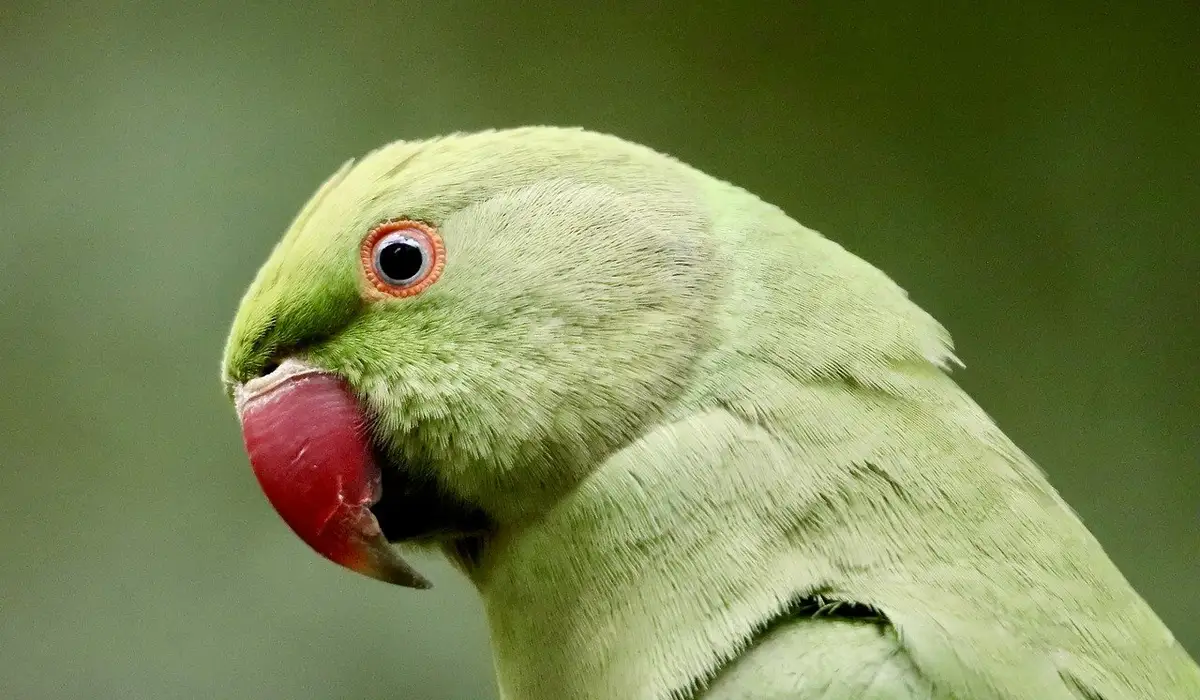
Your parrot’s daily habits tell a powerful story about their comfort level. I always watch my flock’s energy first because a sudden drop screams louder than any squawk. In a home, humans become part of the flock, so understanding parrot flock dynamics helps you support each bird’s comfort and keep the household calm. With that knowledge, daily care feels more intuitive.
Activity Level Changes
Parrots naturally burst with playful energy throughout the day.
- Lethargy or sleeping more than usual
- Reduced climbing or flying
- Staying fluffed up for long periods
- Loss of interest in favorite toys
My Green-cheeked Conure, Kiwi, normally bounces between perches constantly. When he stayed put all morning, I knew something was wrong.
Appetite and Movement Shifts
Pain makes simple actions feel overwhelming.
- Eating less or dropping favorite foods
- Reluctance to step onto perches
- Hiding in cage corners or dark spaces
- Shifting weight frequently while standing
Sunny, my Sun Conure, once refused mango – her absolute favorite treat. That food rejection was my first clue she needed veterinary attention.
Agitation and Self-Harm
Some parrots express pain through frantic behavior.
- Feather plucking in specific spots
- Excessive preening until skin is raw
- Biting at their own feet or wings
- Sudden aggression when approached
Self-mutilation is an emergency signal that requires immediate professional help. I learned this when Sage started over-preening her chest feathers.
Monitoring Daily Routines
Create a simple mental checklist for each day.
- Note their wake-up energy level
- Observe breakfast enthusiasm
- Track playtime engagement
- Monitor evening settling behavior
Small changes in routine often reveal big health issues early. I spot problems faster now that I know my birds’ personal baselines.
Listening for Vocal Distress Signals
Parrots use their voices to communicate everything from joy to suffering. Learning their sound vocabulary helps you become their best advocate. You can learn more about the specific sounds they make and what they mean in this comprehensive guide.
Changes in Vocalization Patterns
Healthy parrots have predictable daily sound rhythms.
- Unusual silence during normally noisy times
- Softer or strained versions of typical sounds
- Repetitive monotone calls instead of varied chatter
- Complete loss of learned words or phrases
When my normally chatty African Grey stopped talking, I immediately scheduled a vet visit. Her silence spoke volumes about her discomfort.
How Pain Affects Typical Sounds
Discomfort transforms their vocal personality.
- Morning squawks become weak or hoarse
- Contact calls sound urgent or panicked
- Happy chirps turn into sharp, short cries
- Content muttering disappears entirely
Kiwi’s playful screeches once turned into faint peeps. That drop in volume and energy was my red flag that pain was stealing his voice.
Personal Experience with Vocal Cues
Each of my parrots has distinct pain sounds I’ve learned to recognize.
- Sunny makes rapid clicking sounds when her feet hurt
- Kiwi produces low growls during digestive discomfort
- Sage repeats single notes instead of complex phrases
Building this sound library took years but now helps me respond faster to their needs.
Differentiating Pain Sounds from Normal Behavior
Follow these steps to identify genuine distress.
- Learn their baseline happy sounds first
- Note the context surrounding unusual vocalizations
- Check for matching physical symptoms
- Compare current sounds to previous illness episodes
- Record suspicious sounds for your veterinarian
Context is everything when interpreting parrot vocalizations. A lone sound might not mean much, but combined with behavioral changes, it completes the pain picture.
Common Causes of Parrot Pain
Parrots hide pain well, but knowing common triggers helps you spot subtle signs early. Injuries from falls or rough play often cause sudden discomfort, while beak issues like overgrowth or cracks can lead to chronic pain. Illnesses such as infections or arthritis sneak up slowly, making them easy to miss without close observation. This is part of a complete guide to the most common parrot health concerns. It helps you spot warning signs early and know when to seek care.
Environmental factors play a huge role in your parrot’s well-being. A poorly set up cage with sharp edges or incorrect perches can cause foot sores or joint strain over time. Natural wood perches with varying diameters promote foot health, whereas dowel perches can create pressure points. Diet problems, like vitamin deficiencies, weaken their bodies and amplify pain—I learned this when Kiwi’s playful antics slowed down due to a lack of calcium in his meals.
Psychological stressors are just as damaging as physical ones. Loneliness or boredom can trigger feather plucking or self-mutilation, turning emotional distress into real physical pain. With Sunny, her social nature meant that isolation led to stress-induced aches, reminding me how vital mental health is for their overall comfort.
| Pain Source | Prevention Tips |
|---|---|
| Injuries from falls or fights | Use safe, rounded perches and supervise playtime |
| Beak overgrowth or damage | Provide chew toys and regular vet check-ups |
| Poor cage setup | Choose spacious cages with varied, natural perches |
| Nutritional deficiencies | Offer balanced pellets, fresh veggies, and fruits |
| Psychological stress | Ensure daily interaction, toys, and a stimulating environment |
Pain vs. Illness: Key Differences
Distinguishing pain from illness saves lives, as each shows unique warning signs. Pain often brings sharp, localized behaviors like favoring a leg or beak grinding, while illness spreads systemically with symptoms like weight loss or nasal discharge. Behavioral cues differ too-pain might make your parrot irritable or withdrawn, whereas sickness could cause overall lethargy or loss of appetite.
Compare symptoms to pinpoint the issue quickly. For pain, watch for physical signs like fluffed feathers or reluctance to move; for illness, look for broader issues like changes in droppings or breathing patterns. I once misread Sage’s calm demeanor as contentment, but it was chronic pain from arthritis-teaching me to never assume quiet means happy.
- Observe sudden behavior shifts, like aggression or hiding
- Check for specific pain indicators, such as limping or vocal changes
- Monitor for illness markers, including fever or consistent fatigue
- Consult an avian vet for a professional assessment
Assessing acute pain versus chronic illness requires a step-by-step approach. Start by tracking symptom duration-short-term issues often signal pain, while long-lasting ones hint at underlying illness. Use gentle handling to feel for tender spots, and always prioritize a vet visit to avoid guesswork that could harm your feathered friend.
When to Seek Veterinary Care

Knowing when to rush your feathered friend to the vet can feel overwhelming. Trust your gut-you know your parrot’s normal behavior better than anyone. My conure Kiwi once sat puffed up for hours, and that little change sent me straight to the clinic. It’s always best to handle your parrot carefully during a vet visit to reduce stress.
Emergency Signs Needing Immediate Action
Some symptoms scream for urgent help. Any breathing trouble—like open-mouth breathing, tail bobbing, or audible clicks—is a major red flag. These are key items on a respiratory distress checklist for spotting breathing problems in parrots. Quick recognition can prompt urgent veterinary care. Severe lethargy where your parrot won’t perch or respond is equally alarming.
- Heavy, labored breathing or gasping
- Uncontrolled bleeding from any part of the body
- Inability to stand, fly, or maintain balance
- Seizures, fainting, or sudden collapse
- Exposed bone or a visibly broken limb
Non-Urgent Symptoms Still Requiring a Vet Visit
Other signs might not need a midnight dash but still demand professional eyes. Subtle changes in droppings, eating habits, or vocalizations often hide bigger issues. My sun conure Sunny once got quieter, and it turned out to be a minor infection needing treatment.
- Consistent weight loss you can feel on their keel bone
- Mild but persistent fluffing or hunching over
- Reduced appetite lasting more than a day
- Increased aggression or fear without clear cause
- Minor feather plucking that’s new or worsening
Preparing for a Stress-Free Vet Visit
A little prep makes vet trips smoother for everyone. Acclimate your parrot to their travel carrier weeks before any appointment. I leave Kiwi’s carrier out with treats inside so it feels like a safe space, not a scary box.
- Pack familiar perches, a favorite toy, and some of their regular food
- Cover the carrier with a light cloth to reduce visual stress
- Bring a recent photo or video of concerning behaviors
- Note down any diet changes, new household products, or recent events
- Keep your own energy calm-parrots pick up on our anxiety instantly
Comforting Your Parrot at Home
Your presence alone can be a powerful pain reliever. Creating a quiet, predictable environment helps your parrot conserve energy for healing. When my African Grey Sage had a sore foot, just dimming the lights and speaking softly made a huge difference. The ultimate guide to full-spectrum lighting for parrots explains how the right spectrum and intensity can ease stress and support healing. Lighting choices matter for recovery and comfort.
Safe Handling and Calm Spaces
Handling a hurting parrot requires extra gentleness. Move slowly and avoid sudden gestures that might startle them. I never force interaction if they seem tense or try to move away. Regular, routine training can help address behavioral issues by building trust and encouraging calm responses. Short, daily sessions with positive reinforcement can make progress more predictable.
- Offer a hand at their chest level and let them step up voluntarily
- Support their feet fully and avoid squeezing their body
- Set up a hospital cage in a quiet corner with low perches
- Maintain a stable room temperature away from drafts
- Reduce loud noises like TV, vacuums, or shouting
Soothing Techniques That Really Work
Simple comforts can ease your parrot’s distress. Soft, rhythmic talking or humming mimics flock sounds and provides security. I’ve spent hours reading aloud to my birds when they felt unwell-they relax at the sound of a familiar voice. It is also beneficial to manage household noise to reduce stress.
- Gentle head scratches if your parrot normally enjoys them
- Offering a favorite treat or warm, mushy food from a spoon
- Playing quiet nature sounds or soft classical music
- Placing a security item like a cherished toy nearby
- Maintaining their normal daily routine as much as possible
When to Skip Home Care and Call the Vet
Some situations simply aren’t DIY. Never give human medications or attempt wound care without veterinary guidance. I learned this the hard way when a well-meaning friend suggested aspirin for one of my birds-it could have been deadly.
- Visible injuries, swelling, or bleeding
- Suspected poisoning from plants, foods, or fumes
- No improvement after 24 hours of supportive care
- Signs of dehydration like sunken eyes or sticky mouth
- Behavior changes that worry you, even if they seem minor
Monitoring Progress and Adjusting Care
Recovery needs careful observation. Keep a simple daily log of food intake, activity levels, and droppings to spot trends. When Sage was recovering, tracking his progress helped me see tiny improvements I might have missed.
- Weigh your parrot daily at the same time using a kitchen scale
- Note any changes in vocalization or interaction
- Watch for normal preening and stretching behaviors returning
- Adjust perches and food/water placement for easier access
- Share your observations with your vet during follow-up calls
FAQs
How can you tell if a parrot is in pain?
Watch for physical cues like a hunched posture or fluffed feathers, and note any behavioral shifts such as reduced activity or aggression. Changes in vocalizations, like unusual silence or strained sounds, can also indicate discomfort.
What tests might a vet perform to diagnose parrot pain?
A vet may conduct a physical exam to check for tenderness or swelling and use diagnostic tools like X-rays to spot fractures. Blood tests or cultures might be ordered to rule out infections or systemic illnesses causing the pain.
How should you observe a parrot for pain without stressing them?
Observe from a distance for several minutes to note posture and movement without intrusion. Speak softly and avoid sudden gestures to keep the environment calm and non-threatening.
What are the differences between pain and illness signs in parrots?
Pain often causes localized symptoms like favoring a limb or beak grinding, while illness may lead to broader issues like consistent lethargy or droppings changes. Behavioral cues for pain include irritability, whereas sickness might involve a complete loss of appetite.
When should you seek veterinary care for parrot pain?
Seek immediate help for emergencies like breathing difficulties or uncontrolled bleeding. For persistent issues such as reduced eating or unusual fluffing, schedule a vet visit within 24 hours to prevent complications.
Closing the Loop
Your parrot’s well-being is in your hands, and spotting pain means watching for small changes in their posture, eyes, and daily habits. Trust your gut-you know your feathered friend better than anyone, and if something seems off, it probably is.
Being a great parrot parent means committing to lifelong learning about their complex needs and behaviors. Stay curious, keep observing, and always partner with an avian vet to give your parrot the happy, healthy life they deserve.
Further Reading & Sources
- How To Tell If Your Bird Is In Pain And What To Do About It
- Pain in Parrots: What Parrot Parents Should Know – Pet Birds by Lafeber Co.
- 5 Signs Mean Your Bird May Be Sick or in Pain
Suzanne Levine is a dedicated parrot enthusiast and experienced avian caregiver with over 15 years of hands-on experience in parrot care. As the founder of Parrot Care Central, Suzanne is passionate about sharing her knowledge and insights to help fellow parrot owners provide the best possible care for their feathered friends. Her expertise spans nutrition, behavior, health, and enrichment, making her a trusted resource in the parrot care community.
Health & Wellness