
Safe Cookware Choices: Understanding Teflon and Non-Stick Risks
Published on: February 6, 2026 | Last Updated: February 6, 2026
Written By: Suzanne Levine
Are you worried that your favorite non-stick pan might be putting your family’s health at risk without you even knowing? I’ve been there myself, tossing out old Teflon-coated pans after my own research and experiences showed me the hidden dangers.
Let me guide you through the essentials so you can cook with confidence. Here are the key points we’ll explore:
- Health hazards linked to Teflon coatings and how they can affect you.
- Safer cookware options that won’t compromise your meals or well-being.
- Practical tips for choosing and using pans to minimize risks in your kitchen.
You’ll walk away with straightforward advice to protect your loved ones. We’ll dive into: dangers of Teflon, safe alternatives, selection tips, maintenance advice, and environmental impacts.
Why Teflon and Non-Stick Coatings Threaten Your Parrot’s Health
You might not realize how everyday cookware can put your parrot in danger. Teflon and similar non-stick coatings release invisible fumes when overheated, and these can be deadly for birds like my conure, Kiwi, who loves hanging out near the kitchen. Their tiny lungs are super sensitive, making them vulnerable to toxins we might not even notice. This is a prime example of the kinds of risks covered in our complete guide to the most common parrot health concerns. By understanding these risks, you can protect Kiwi and other parrots from preventable health issues.
I learned this the hard way when a friend’s parrot fell ill after a cooking mishap. Birds can’t process these chemicals like we do, leading to rapid health declines that are heartbreaking to witness. It’s not just about avoiding high heat; even minor overheating can spell trouble.
The Science Behind Toxic Fumes from Overheated Non-Stick Surfaces
When non-stick pans get too hot, the coating breaks down into toxic particles. These fumes contain PTFE, a chemical that turns into a gas and attacks a bird’s respiratory system on contact. Think of it like a silent poison cloud that spreads fast through your home.
Birds have air sacs that make them breathe more efficiently, but this also means they inhale more toxins per breath. In my years caring for parrots like Sunny, I’ve seen how quickly fumes can cause distress, even from a distance. To keep Sunny safe, I also stay within the ideal temperature range for a pet parrot, typically around 70–80°F (21–27°C). A steady, comfortable temperature supports respiratory health and helps reduce sensitivity to fumes and toxins.
- PTFE coatings release gases that bind to oxygen in the blood.
- This leads to suffocation-like symptoms in birds within minutes.
- Overheating isn’t rare-it happens with empty pans or high-heat cooking.
Spotting Teflon Poisoning Symptoms in Your Feathered Friend
Watch for sudden changes in your parrot’s behavior, as early signs can save their life. If your bird starts breathing heavily or seems weak, it could be Teflon poisoning, and you need to act fast. Learning about environmental toxins and household dangers that can affect parrots can help prevent such situations. I recall Sage, my African Grey, once showed slight lethargy after I used an old non-stick pot, and it scared me into switching to safer options.
Symptoms often appear quickly and worsen without prompt care. Look for labored breathing, loss of balance, or a droopy posture—these are red flags that demand immediate attention. Parrots hide illness well, so any odd behavior should raise concern. A quick respiratory distress checklist can help you spot breathing problems early. Signs to watch include rapid or labored breaths, open-mouth breathing, and tail bobbing in parrots.
- Check for rapid or noisy breathing-listen for wheezing or gasping.
- Observe if they’re less active or refusing food, which is unusual for playful birds like Kiwi.
- Note any tremors or seizures, as these indicate severe exposure.
If you spot these signs, move your parrot to fresh air right away and contact a vet. Quick action can make all the difference, as I’ve seen in emergencies with other bird owners. Additionally, have an emergency guide on what to do if your parrot eats something toxic and call your avian vet immediately. Time is critical—do not wait for symptoms. Always keep your kitchen well-ventilated and opt for ceramic or stainless-steel cookware to prevent risks.
Bird-Safe Cookware Alternatives: What to Use in Your Kitchen
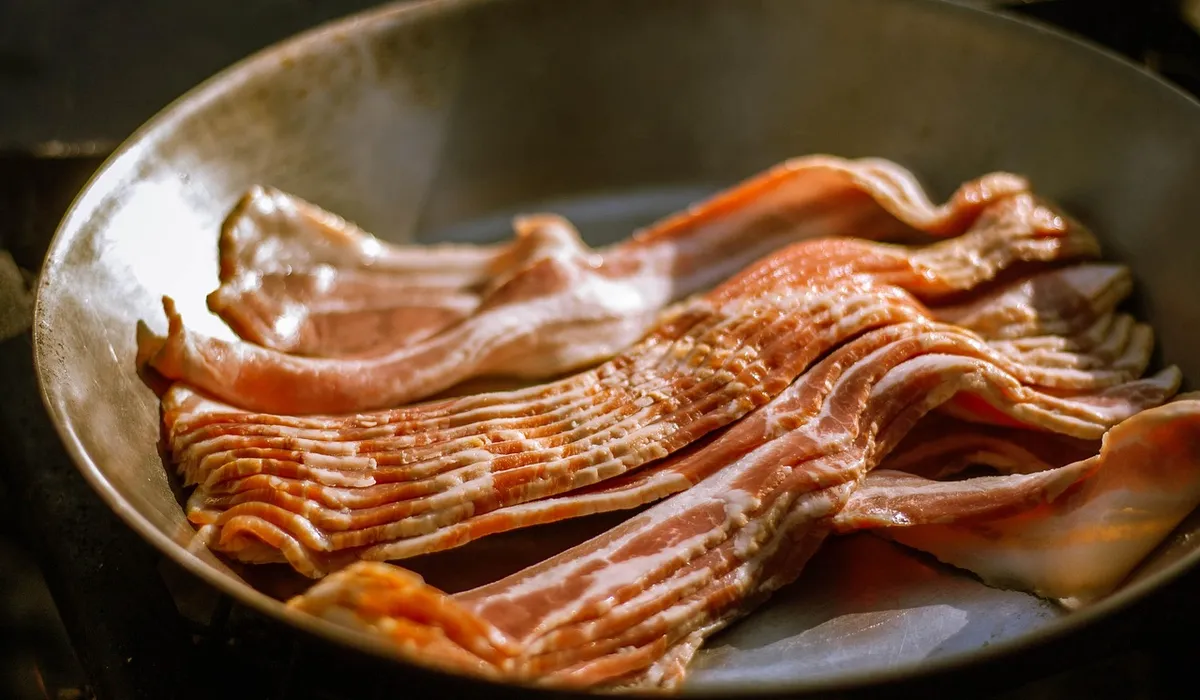
Evaluating Materials: From Stainless Steel to 100% Ceramic
After Kiwi, my Green-cheeked Conure, started acting sluggish around my old non-stick pans, I dove into finding safer options. Switching to materials like stainless steel or ceramic can drastically reduce risks to your parrot’s respiratory system.
Here’s a quick list of bird-safe cookware I rely on daily:
- Stainless Steel: It’s durable, easy to clean, and doesn’t emit toxic fumes even at high heats. I use it for sautéing veggies, and Kiwi’s playful chirps have returned since the change.
- Cast Iron: When seasoned well, it offers a natural non-stick surface without chemicals. My Sun Conure, Sunny, adores the smell of meals cooked in it, and I feel confident it’s safe.
- 100% Ceramic: Free from PTFE and PFOA, it heats evenly and is a top choice for baking. Sage, my African Grey, stays calm and curious when I use ceramic pots, showing no signs of stress.
Each material has unique benefits, but they all prioritize your bird’s well-being over convenience.
I’ve found that investing in these alternatives not only protects my parrots but also lasts longer, saving money in the long run. Always check for certifications like PFOA-free on ceramic items to ensure total safety.
How to Cook Safely with Parrots in Your Home
Cooking with parrots nearby means taking extra steps to avoid accidents. Proper ventilation is your best friend to prevent any harmful buildup in the air. These are essential steps to parrot-proof the room for a safe flight. Keep cords tucked away and doors to the kitchen closed during cooking.
Follow these simple steps to keep your feathered companions secure:
- Open windows wide or turn on an exhaust fan before you start cooking to circulate fresh air.
- Monitor heat levels closely-even safe cookware can smoke if overheated, so use medium settings.
- Keep your parrots in a separate, well-ventilated room during meal prep to minimize exposure.
From my experience, Sunny’s social nature means she tries to fly into the kitchen, so I distract her with toys in another area. Regularly cleaning your cookware prevents residue that could irritate sensitive bird lungs.
I always do a quick check for any unusual odors or smoke before bringing my birds back into the space. Staying vigilant with these habits has kept Kiwi, Sunny, and Sage healthy and happy for years.
Caring for Your Non-Toxic Cookware to Ensure Long-Term Safety
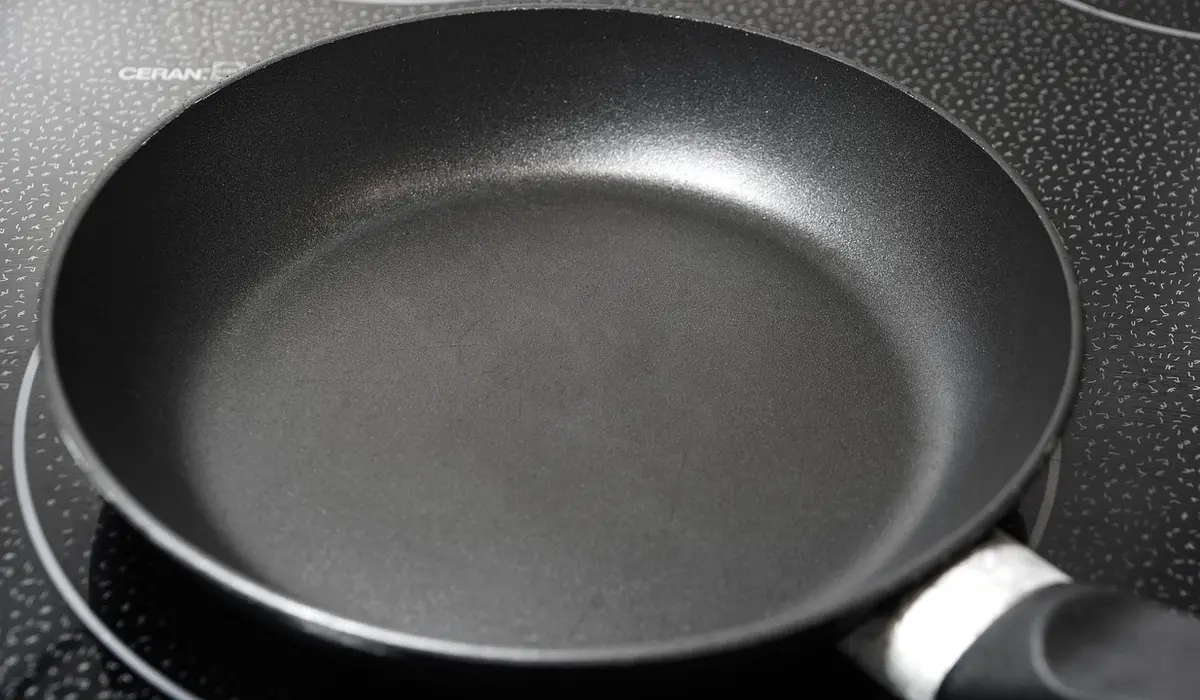
Keeping your cookware in top shape is key to protecting your feathered friends from hidden dangers. Proper care extends the life of safe options like stainless steel, cast iron, and ceramic, reducing the risk of toxic exposure over time. I rely on these for my parrots Kiwi, Sunny, and Sage, and a little maintenance goes a long way.
Types of Non-Toxic Cookware to Consider
- Stainless steel: Durable and easy to clean, but avoid overheating to prevent sticking.
- Cast iron: Naturally non-stick when seasoned, but requires regular oiling to stay safe.
- Ceramic or glass: Scratch-resistant and inert, ideal for avoiding chemical leaching.
After switching to stainless steel pans, I noticed how much peace of mind it brought-no more worrying about fumes during meal prep. Always inspect your cookware for signs of wear, like deep scratches or chipping, which can harbor bacteria or release particles. A quick visual check before each use keeps things secure.
Simple Steps for Daily Care
- Wash with mild soap and warm water after each use to remove food residues.
- Dry thoroughly to prevent rust or mold growth, especially with cast iron.
- Store in a dry, cool place away from humidity to maintain integrity.
I make it a habit to hand-wash my cast iron skillet instead of using a dishwasher, as harsh detergents can strip the seasoning. Seasoning cast iron with a thin layer of oil after cleaning creates a natural barrier that enhances safety and performance. This routine has kept my cookware bird-friendly for years.
Avoiding Common Pitfalls
- Never use metal utensils on ceramic coatings to prevent scratches.
- Skip abrasive cleaners that can damage surfaces and lead to degradation.
- Rotate cookware regularly to ensure even wear and avoid overuse of one piece.
When I first started, I learned the hard way that a scratched pan can be a breeding ground for issues. Replace any cookware that shows significant damage, as compromised surfaces may leach metals or chemicals into food. Your parrot’s health is worth the small investment in safe replacements.
Emergency Actions if Your Parrot Is Exposed to Toxic Fumes
Acting fast can save your parrot’s life if they inhale fumes from overheated non-stick coatings. Birds have sensitive respiratory systems, and even brief exposure to Teflon fumes can cause rapid breathing distress or worse. I once had a scare with Kiwi when a neighbor’s pan smoked, and quick action made all the difference. These events highlight why parrots can die suddenly from toxic fumes. Prevention means avoiding sources like overheated non-stick coatings and keeping living areas well ventilated and bird-safe.
Immediate Steps to Take
- Move your parrot to a well-ventilated area away from the source immediately.
- Open windows and doors to clear the air and reduce fume concentration.
- Contact an avian vet or emergency pet clinic without delay for guidance.
Time is critical here-every second counts in preventing respiratory damage. Monitor your bird for symptoms like wheezing, lethargy, or loss of balance, and keep them calm to reduce stress. In my experience, having a vet’s number saved on speed dial is a lifesaver.
What to Watch For After Exposure
- Labored breathing or panting, which signals respiratory distress.
- Decreased activity or refusal to eat, indicating possible poisoning.
- Unusual vocalizations or agitation, a sign of discomfort or pain.
After that incident with Kiwi, I learned to keep a bird first-aid kit handy with items like a carrier and vet contacts. Prevention is best, but knowing these steps empowers you to respond effectively in a crisis. Always err on the side of caution and seek professional help even if symptoms seem mild.
Long-Term Prevention Tips
- Use a kitchen thermometer to avoid overheating pans during cooking.
- Educate household members about the risks of non-stick cookware around birds.
- Consider switching entirely to safer alternatives to eliminate the hazard.
Sharing this knowledge with my family helped create a safer environment for Sunny and Sage. Advocating for animal welfare means making small changes that add up to big protections for your parrot. Your vigilance today ensures many happy, healthy years together.
FAQs
Are all ceramic cookware coatings safe for parrots?
Not all ceramic coatings are bird-safe, as some may contain hidden PTFE or other toxins. Always look for labels specifying 100% ceramic or PTFE-free to ensure your parrot’s respiratory health is protected. Additionally, our toxic vs non-toxic guide covers safe plants and warns about using essential oils around parrots. It helps you distinguish which scents and plants are safe versus hazardous.
How can I safely dispose of old non-stick cookware to avoid harming my parrot?
Contact local waste management for guidance on disposing of non-stick items, as improper handling can release residues. Seal the cookware in a bag to prevent dust or fumes during transport to a recycling or hazardous waste facility.
Can using non-stick cookware in a separate room keep my parrot safe?
Fumes from overheated non-stick coatings can travel through ventilation systems and still pose a risk to birds in other areas. It’s safer to eliminate non-stick options entirely and use bird-friendly alternatives like stainless steel or cast iron throughout your home.
Final Words
When it comes to your parrot’s health, your kitchen choices matter immensely. Completely eliminate Teflon and similar non-stick coatings from your home, as the invisible fumes they release can be instantly fatal to birds. Instead, build your cookware collection around proven safe materials like cast iron, stainless steel, and ceramic. This approach is part of our complete guide to cleaning your parrot’s environment safely.
Caring for a parrot is a long-term commitment to learning and vigilance. Your responsibility extends beyond the cage, making your entire home a sanctuary free from hidden airborne threats. Understanding parrot cage myths—those eight common misconceptions that compromise safety and comfort—helps you separate fact from fiction. Armed with that knowledge, you can create a safer, more comfortable home for your bird. Keep asking questions, stay curious about pet parrot care, and always put their extraordinary well-being first.
Further Reading & Sources
- Is Nonstick Cookware Like Teflon Safe to Use?
- Are Teflon and nonstick pans only toxic if you scratch them? Or are they toxic no matter what? : r/cookware
- How Nontoxic Is ‘Nontoxic’ Cookware? – The New York Times
Suzanne Levine is a dedicated parrot enthusiast and experienced avian caregiver with over 15 years of hands-on experience in parrot care. As the founder of Parrot Care Central, Suzanne is passionate about sharing her knowledge and insights to help fellow parrot owners provide the best possible care for their feathered friends. Her expertise spans nutrition, behavior, health, and enrichment, making her a trusted resource in the parrot care community.
Health & Wellness