
Senior Parrot Health: Special Care for Aging Birds
Published on: February 1, 2026 | Last Updated: February 1, 2026
Written By: Suzanne Levine
Is your parrot moving slower or seeming less energetic as they get older? I’ve seen this firsthand with Sage, my African Grey, and it’s a common worry that hits close to home.
I’m here to ease your mind and share practical tips from my own flock. We’ll cover three core areas to boost your bird’s golden years:
- Customized diet plans for aging bodies
- Low-impact exercise to keep them engaged
- Spotting early signs of health changes
You’ll walk away with clear steps to support your parrot. This guide dives into key topics like nutrition, environment, and vet care in a simple list: nutrition, habitat adjustments, health monitoring.
Spotting the Signs of Aging in Your Parrot
You might notice your parrot slowing down or acting differently as they age, just like I did with my Green-cheeked Conure, Kiwi, who became less playful over time.
- Physical changes include feather dullness where colors fade, reduced mobility like struggling to climb, and weight shifts that you can track with a simple scale.
- Behavioral shifts involve altered sleep patterns, such as napping more during the day, and decreased activity levels, making them less interested in toys or socializing.
- Species-specific aging rates vary widely; for instance, smaller parrots like Sunny, my Sun Conure, show signs earlier around 10-15 years, while larger birds like Sage, my African Grey, might not age noticeably until their 20s.
Common Health Issues in Elderly Birds
Older parrots often develop health problems that need your gentle attention, and I’ve dealt with arthritis in Sage by adding softer perches to his cage. This helps explain why parrots can die suddenly and why prevention matters. Common causes include heart and respiratory issues, toxins, and injuries, so regular vet visits and a safe, supportive home go a long way.
- Age-related problems like arthritis cause joint stiffness, respiratory issues lead to labored breathing, and heart health concerns can result in fatigue or weakness.
- Checking weight and managing obesity is simple with a small digital scale; weigh your bird weekly and adjust their diet by offering more fresh veggies and fewer fatty seeds.
- Molt management becomes trickier as feathers regrow slower; provide a nutrient-rich diet and minimize stress to support healthy shedding.
- Other frequent ailments include eye cataracts, liver issues, and infections that require prompt vet care to keep your bird comfortable.
Nutrition and Diet for Senior Parrots
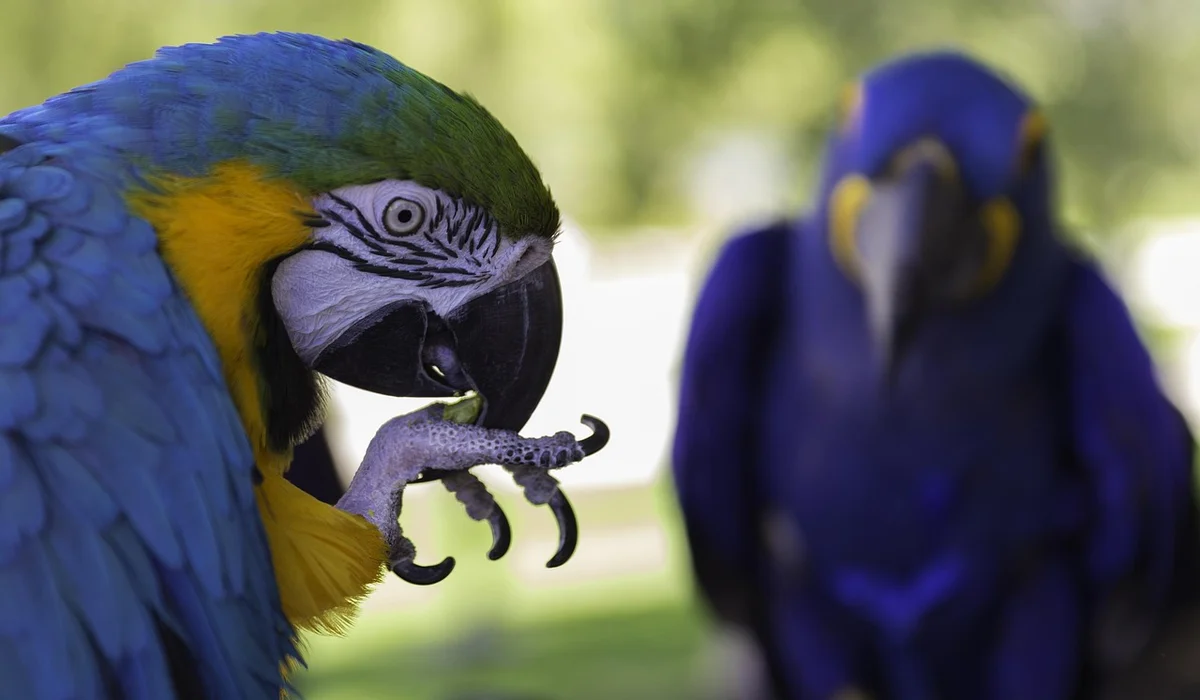
As parrots age, their dietary needs shift dramatically. My old African Grey, Sage, taught me that a senior bird’s diet requires more than just the standard seed mix. You must become a thoughtful chef for your feathered elder. A species-specific complete feeding guide helps tailor nutrition for age and species. It covers safe foods, portion sizes, and balancing vitamins and minerals for longevity.
Adjusting Their Balanced Diet
Senior parrots often struggle with hard foods. I started softening pellets with warm water or unsweetened fruit juice for my conures, making meals easier to digest. These adjustments align with general parrot dietary guidelines emphasizing soft textures and balanced nutrition. Always tailor textures and portions to your bird’s needs.
- Soak pellets and seeds to create a mushy, palatable consistency
- Add warm water to vegetables to enhance aroma and soften texture
- Provide multiple water sources throughout the cage to encourage drinking
- Offer watery fruits like melon and cucumber for extra hydration
Weight Management and Supplements
Keeping an aging bird at a healthy weight prevents joint stress. I weigh my birds weekly using a small kitchen scale to catch any gradual changes early.
- Establish a consistent weekly weighing routine
- Adjust food portions based on activity level and weight trends
- Consult your avian vet before adding any supplements
- Consider calcium supplements for birds showing signs of deficiency
- Use omega-3 supplements to support aging joints and feathers
Easy-to-Eat Meal Ideas
Soft, nutritious meals make eating enjoyable again for senior birds. My parrots go crazy for what I call ‘Senior Bird Mash’ – a warm, mixed vegetable and grain porridge.
- Cooked quinoa mixed with mashed sweet potato and chopped greens
- Soaked pellets blended with steamed broccoli and carrots
- Soft-cooked brown rice with grated squash and a sprinkle of flaxseed
- Mashed chickpeas with finely chopped spinach and cooked egg
Daily Care Routines for Aging Birds
Your senior parrot’s environment needs thoughtful modifications. When my Sun Conure, Sunny, started having balance issues, I completely redesigned his living space for safety and comfort.
Cage and Environment Modifications
Simple changes to their habitat can prevent injuries and reduce stress. I learned that wider, textured perches at varying heights help arthritic birds move comfortably.
- Install rope perches and wide wooden platforms for stable footing
- Place food and water dishes at chest level to avoid bending
- Add ramps between different cage levels
- Use softer cage floor materials like fleece or thick paper
- Ensure all perches are easily accessible without jumping
Gentle Exercise and Mental Stimulation
Senior birds still need engagement, just at a slower pace. My older birds enjoy simple foraging puzzles that challenge their minds without frustrating them.
- Create low-height play areas with favorite toys within easy reach
- Hide treats in paper cups or under shredded paper for light foraging
- Offer short, supervised out-of-cage time on flat surfaces
- Rotate familiar toys rather than introducing complex new ones
- Provide quiet companionship through talking and gentle music
Feather and Beak Care Routines
Regular grooming becomes increasingly important for comfort. I schedule weekly ‘spa days’ where I check each bird’s feathers, beak, and nails carefully. If you’re wondering, do I groom my parrot? Yes—nail, beak, and feather care are all included in this routine.
- Offer warm mist baths rather than cold water sprays
- Provide mineral blocks and soft wood pieces for gentle beak maintenance
- Check for overgrown nails and schedule professional trims as needed
- Gently preen hard-to-reach head feathers during bonding time
- Monitor for feather cysts or unusual wear patterns during handling
Monitoring Health and Preventative Care
Annual vet visits become non-negotiable as your parrot ages. I schedule check-ups for my African Grey, Sage, every six months now that he’s eight, because catching issues early is far easier than treating advanced problems. Your avian vet will likely recommend specific vaccinations based on your bird’s species and local disease risks, forming a crucial shield against preventable illnesses. To help reduce stress at the clinic, I practice gentle, at-home handling with Sage and bring his favorite toy. Ask your vet about safe handling during exams so you can support your bird throughout the visit.
Your daily observations at home are your first line of defense. I’ve learned to be a keen detective with my flock.
- Watch for subtle changes in feather quality, like dullness or persistent fluffing.
- Monitor their droppings consistently; color, consistency, and frequency shifts can signal internal trouble.
- Check their beak and nails for unusual growth or texture changes during handling.
- Listen for new or persistent sounds, like wheezing or clicking, that weren’t there before.
Establishing a baseline for normal behavior lets you spot deviations instantly. I keep a simple journal for each of my birds, noting their daily rhythms so a change doesn’t go unnoticed.
- Track sleep patterns; seniors might nap more, but excessive sleepiness is a warning.
- Log food and water intake meticulously. A sudden drop in appetite demands immediate attention.
- Note activity levels. Is your playful conure, like my Kiwi, suddenly hesitant to climb or fly?
When to Seek Veterinary Care
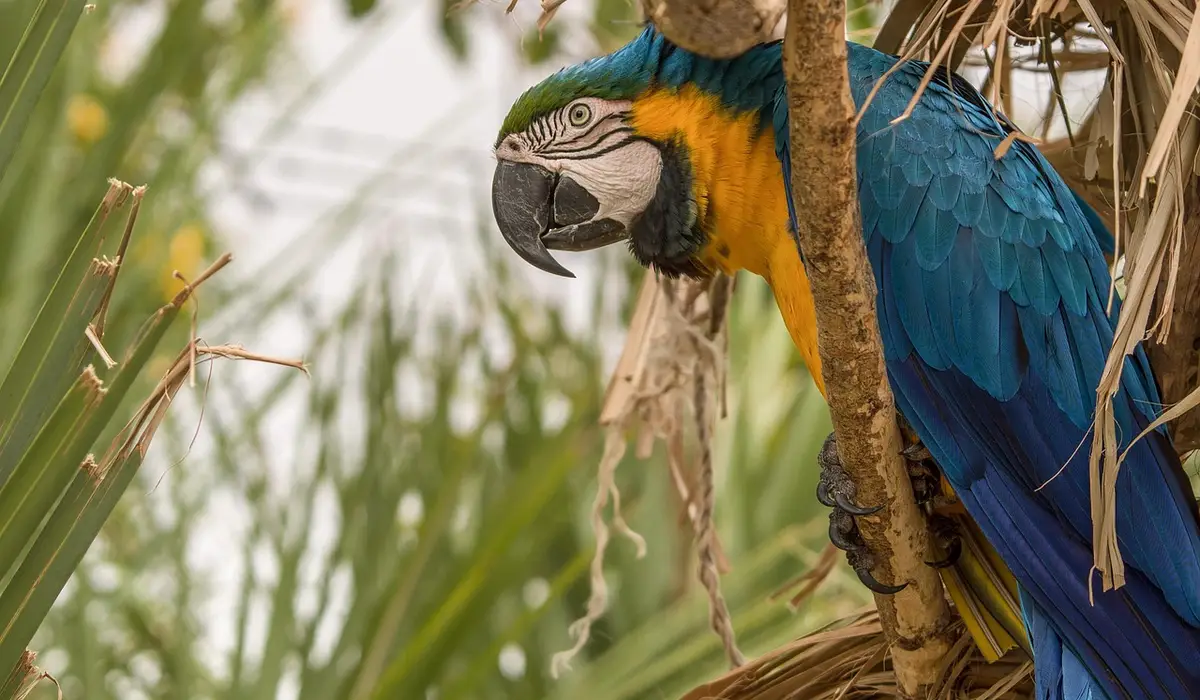
Some signs scream for an immediate vet trip. Don’t wait and see.
- Any sign of labored breathing, like tail bobbing or open-mouth breathing.
- Bleeding that doesn’t stop within a few minutes with gentle pressure.
- Suddenly being unable to perch or stand, indicating weakness or injury.
- Seizures, fainting, or a significant, rapid weight loss you can feel on their keel bone.
During a senior check-up, expect more than a quick look-over. My vet typically runs a full blood panel on Sage to check his organ function, something we started doing annually after he turned six. They might also recommend X-rays to assess bone density and check for internal masses, along with a thorough physical exam of every feather, scale, and orifice.
Preparing for the visit makes the experience less terrifying for your bird. I always bring their favorite travel carrier, a familiar perch, and a small treat to offer as a reward for their bravery. Covering the carrier with a light cloth during transport can provide a sense of security. Call ahead to ask if you can wait in your car to minimize stress from other clinic animals. These essential steps for traveling with a parrot help keep your bird calm and safe on outings.
Enhancing Quality of Life in Senior Years
Watching my own birds grow older has taught me that their golden years need extra thought and tenderness. Your focus shifts from training new tricks to simply ensuring every day is as comfortable and joyful as possible. This involves small adjustments to their home and routine that make a world of difference.
Creating a Comfort-First Environment
An aging parrot’s cage and surroundings need to evolve with them. I noticed my conure, Kiwi, started having trouble with her smooth, dowel perches, so I swapped them out.
- Install wider, textured perches made of natural wood to ease pressure on arthritic feet.
- Place food and water dishes at mid-level for easy access without climbing.
- Use soft, fleece cage liners instead of rough newspaper for tender feet.
- Ensure the cage is in a warm, draft-free area, as older birds struggle to regulate body temperature.
A few simple changes to their living space can dramatically reduce daily strain and discomfort.
Managing Pain and Improving Rest
Parrots are masters at hiding illness and pain, a survival instinct from the wild. You must become a keen observer. This is a complete guide to the most common parrot health concerns. It helps you spot early warning signs and know when to seek veterinary care.
- Watch for subtle signs like decreased activity, reluctance to move, fluffed feathers for long periods, or a change in vocalizations.
- Provide 10-12 hours of uninterrupted, quiet, and dark sleep each night to support their immune system.
- Discuss safe pain management options with your avian veterinarian; never administer human medications.
- Offer warm, moist foods like cooked sweet potato or oatmeal, which are easier to digest and soothing.
Prioritizing rest and being vigilant for pain signals are your most powerful tools for maintaining their well-being.
Providing Emotional Support and Connection
An older parrot’s world can become smaller, making your companionship more vital than ever. My African Grey, Sage, now prefers quiet chats over noisy play.
- Maintain a predictable daily routine for feeding, interaction, and bedtime to provide security.
- Engage in low-energy interactions like gentle head scratches, quiet talking, or simply sitting together.
- Place their cage in a room where the family spends time, so they feel included without being overwhelmed.
- If their eyesight is failing, always talk to them before approaching to avoid startling them.
Your calm, consistent presence is the greatest source of comfort and emotional stability for your senior bird.
Ensuring a Dignified Transition
This is the most difficult part of the journey, guided by compassion. It’s about honoring their life and preventing suffering.
- Monitor their quality of life by asking: Are they still eating and drinking? Do they still interact with you or their favorite toys? Is there more pain than pleasure in their day?
- Consult openly with your avian vet about prognosis and palliative care options to keep them comfortable.
- Consider humane euthanasia not as a failure, but as a final act of love when their bad days consistently outnumber the good.
- Ensure their final moments are peaceful, surrounded by familiar voices and touches in a calm environment.
Making end-of-life decisions from a place of love and selflessness is the ultimate responsibility of a devoted parrot guardian.
FAQs
Can senior parrots learn new tricks or behaviors?
Yes, but keep training sessions short and low-pressure to avoid stress. Focus on simple, positive reinforcement to maintain mental engagement without overexertion.
What is the ideal cage setup for a senior parrot’s comfort?
Choose a cage with wide, easy-to-access perches and dishes at chest height. Ensure it’s placed in a warm, draft-free area to support their temperature regulation. Consider the different types of parrot perches to provide the best support and comfort.
How do I introduce a new diet to my senior parrot safely?
Mix new foods gradually with familiar items to encourage acceptance. Monitor their response closely and consult a vet if they show signs of digestive upset.
Closing the Loop
Caring for your senior parrot means being their strongest advocate. This journey hinges on consistent veterinary check-ups, a tailored diet rich in easily digestible foods, and thoughtful modifications to their living space to keep them comfortable and engaged. Paying close attention to small changes in their behavior or appetite is your most powerful tool for early intervention and knowing how to treat a sick parrot promptly.
Owning a parrot is a lifelong promise that deepens with time. Stay curious, keep learning, and let your love for your feathered friend guide you to become the best caregiver you can be throughout every stage of their remarkable life. Your dedication makes all the difference in their golden years. If your parrot seems bored, you’re not alone—boredom is common and solvable. I’m here to help you find simple ways to keep them curious and engaged. For more tips, check out [this guide](https://parrotcarecentral.com:/why-is-my-parrot-bored-and-how-can-i-help) on how to address your parrot’s boredom.
Further Reading & Sources
- Caring For Older Parrots – Northern Parrots
- CARE FOR SENIOR PARROTS Visit aav.org or find us on Facebook at
- Cockatiel Advice and First Aid 101 – Parrot Care
Suzanne Levine is a dedicated parrot enthusiast and experienced avian caregiver with over 15 years of hands-on experience in parrot care. As the founder of Parrot Care Central, Suzanne is passionate about sharing her knowledge and insights to help fellow parrot owners provide the best possible care for their feathered friends. Her expertise spans nutrition, behavior, health, and enrichment, making her a trusted resource in the parrot care community.
Health & Wellness