
Emergency Guide: What to Do If Your Parrot Eats Something Toxic
Published on: January 23, 2026 | Last Updated: January 23, 2026
Written By: Suzanne Levine
Your parrot just ate something toxic, and that heart-pounding fear is real-I know because my Green-cheeked Conure, Kiwi, once snuck a bite of a houseplant, leaving me scrambling for answers.
Drawing from my years with parrots like Sunny and Sage, I’ll help you navigate this crisis with clear, actionable steps. We’ll focus on three lifesaving takeaways:
- Immediate actions to stabilize your bird and reduce harm
- Key symptoms of poisoning to spot right away
- Practical tips to prevent future accidents and protect your pet
You’ll get easy-to-follow advice that puts your parrot’s welfare first. Topics covered: first aid measures, common toxins, vet preparation, home safety checks.
Spot the Signs: Recognizing Poisoning Symptoms
Your parrot can’t tell you it feels sick, so you must become a detective of tiny changes. Watch for any sudden shifts in behavior or appearance, as these are your first clues that something is seriously wrong. A complete guide to the most common parrot health concerns can help you know what to watch for and when to seek care. Use it as your quick reference to stay proactive about your bird’s health.
- Tremors or Seizures: Uncontrollable shaking or a full-body fit is a major red flag. My conure, Kiwi, once had a slight tremor after nibbling a houseplant, and it was terrifying.
- Lethargy and Weakness: A bird that’s suddenly fluffed up, sleeping constantly, or can’t grip its perch needs help immediately.
- Vomiting or Regurgitation: This isn’t the happy, affectionate regurgitation; it’s forceful and often involves undigested food.
- Diarrhea: Watery, discolored, or unusually smelly droppings signal digestive distress.
- Excessive Drooling: A wet face or beak can mean their mouth is irritated or they’re having trouble swallowing.
- Ataxia (Loss of Coordination): If your parrot is stumbling, falling off perches, or flying into walls, its nervous system is affected.
- Rapid or Labored Breathing: Watch for open-mouth breathing or any obvious effort to draw air.
- Pale Mucous Membranes: Gently check the inside of their mouth; healthy tissue is pink, not pale white or bluish.
Act Fast: Immediate First Aid Steps
When you suspect poisoning, every second counts. Panic helps no one, but swift, calm action can save your bird’s life. Your primary goal is to get professional guidance on the line as quickly as possible. Knowing the common causes of sudden death in parrots can guide prevention. Understanding risks like poisoning, infections, and airway or heart problems helps you protect your bird before trouble starts.
- Assess the Situation Safely. Identify what your parrot ate and remove any remaining toxic substance from its reach. If it’s on their feathers, prevent them from preening and ingesting more.
- Do NOT Induce Vomiting. This is critical. A bird’s anatomy makes aspiration a huge risk, and you could cause more harm. I learned this the hard way in a frantic call to my vet.
- Contact a Professional Immediately. Call your avian vet or a pet poison control center. Have the suspected toxin, the amount ingested, and your bird’s species and weight ready.
- Follow Instructions for Activated Charcoal. Only administer activated charcoal if explicitly told to do so by the expert on the phone. It can bind to toxins in the gut.
- Keep Your Bird Calm and Warm. Place them in a quiet, dimly lit carrier or hospital cage with a heat source set to around 85-90°F (29-32°C). Stress uses up precious energy they need to fight the poison.
Know the Dangers: Common Toxic Items
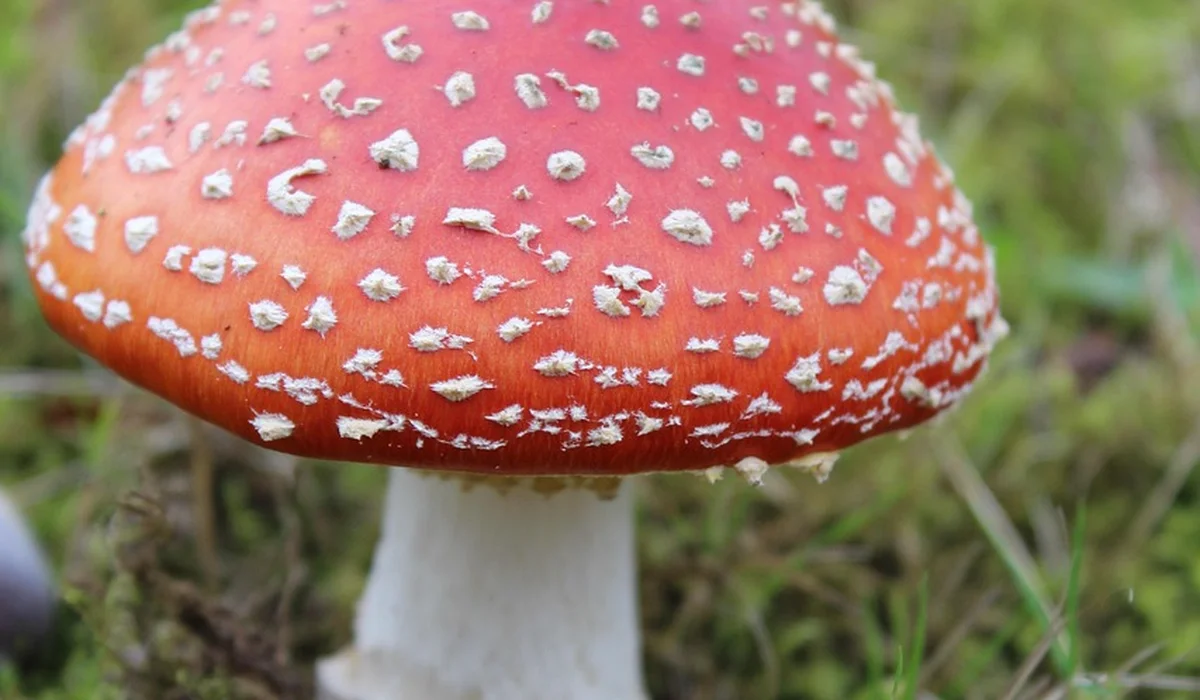
Your home is full of hidden dangers for a curious parrot. I learned this the hard way when my Green-cheeked Conure, Kiwi, decided to sample a houseplant I assumed was safe. Knowing what to look for can save your bird’s life. That’s why I focus on creating a safe, stimulating indoor flight environment for my parrot. A well-designed space helps them explore safely and stay engaged.
Household Hazards for Your Bird
Many everyday items release fumes or contain chemicals that are instantly toxic to a bird’s sensitive respiratory system. Understanding these risks helps you protect your feathered friend. This complete guide shows how to clean your parrot’s environment safely with bird-friendly products.
- Cleaning Products: Bleach, ammonia, aerosol sprays, and floor cleaners. Their fumes can cause immediate respiratory distress.
- Non-Stick Cookware: Overheated Teflon and similar coatings release odorless fumes that are often fatal to birds.
- Essential Oils and Air Fresheners: Even natural oils can be toxic when diffused; a bird’s lungs are incredibly efficient at absorbing them.
- Pesticides and Insecticides: Fly strips, bug sprays, and rodent poisons are designed to kill and are just as dangerous for your parrot.
- Heavy Metals: Lead (in old paint, stained glass, weights) and zinc (in some galvanized metals) cause heavy metal poisoning if chewed.
Foods and Plants to Avoid
Some human foods and common plants contain compounds that a parrot’s body simply cannot process.
- Avocado: The persin in avocado causes rapid heart failure and respiratory distress.
- Chocolate: Theobromine and caffeine are cardiac stimulants that can lead to seizures and death.
- Onions and Garlic: These can cause anemia by destroying red blood cells.
- Caffeine and Alcohol: These substances are toxic and can cause severe neurological and organ damage.
- Salty, Sugary, or Fatty Foods: They can lead to dehydration, obesity, and organ failure over time.
For plants, I now keep a list on my fridge after my scare with Kiwi; lilies, philodendron, dieffenbachia, and oleander are all highly toxic. When in doubt, assume a plant is unsafe.
Vet Visit: What to Expect and How to Prepare
Getting to an avian vet quickly is your top priority. The vet’s goal is to stabilize your bird and prevent further absorption of the toxin. Here’s what the process often involves. To reduce stress, handle your parrot gently during the visit and keep your voice calm. Using a familiar carrier can also help.
- Activated Charcoal: The vet may administer this to bind the toxin in the gut and prevent it from entering the bloodstream.
- Fluid Therapy: IV or subcutaneous fluids help support organ function and flush the system.
- Medications: These can include drugs to control seizures, protect the liver, or induce vomiting if safe to do so.
- Quarantine and Observation: Your bird will likely be kept in a warm, quiet, oxygenated incubator to reduce stress and allow for close monitoring.
Preparing for Your Avian Vet Appointment
Every second counts, and being prepared helps the vet make a faster, more accurate diagnosis.
- Bring the Toxin: Take the actual plant leaf, food wrapper, or a sample of the substance in a sealed bag.
- Note the Timeline: Write down exactly when you think the ingestion happened and when symptoms first appeared.
- List the Symptoms: Be ready to describe everything you’ve observed, no matter how small it seems.
- Know Your Bird’s History: Have your parrot’s approximate weight, age, and any pre-existing conditions ready to share.
I always keep my avian vet’s number and address in my phone and by the cage, because you never have time to search in a real emergency.
Prevention Plan: Avoiding Future Incidents
-
Start by thoroughly parrot-proofing every room your feathered friend accesses. I always do a quick scan for loose wires, small objects, or open containers that could tempt curious beaks like Kiwi’s.
Check all foods and plants for hidden toxins before they enter your parrot’s space. From my experience, I keep a list of safe options and double-check anything new—avocado and chocolate are definite no-gos. For quick safety, consult a complete list of toxic foods parrots should avoid. Keeping this list handy helps prevent dangerous snack choices.
Manage medications by storing them in locked cabinets well out of reach. Even child-proof caps aren’t parrot-proof, as Sunny once demonstrated with her clever paws.
-
Assemble a dedicated first aid kit with essentials like gauze, antiseptic wipes, and a pet-safe carrier. I update mine every few months to replace expired items and add new supplies based on vet advice.
Keep an updated contact list for your avian vet and animal poison control handy-save it on your phone and post it on the fridge. This simple step saved Sage when we needed quick guidance after a scare.
Safe Home Setup for Your Parrot
-
Perform regular home checks weekly to spot potential hazards like frayed cords or toxic dust buildup. I make it a habit every Sunday, looking for things my parrots might explore when I’m not watching. To help with this, I follow a Parrot-proof your home room-by-room complete checklist. It’s my go-to guide for a safer, bird-friendly space.
Choose safe alternatives for toys and perches, opting for untreated wood and stainless-steel hardware. After Kiwi chewed a painted toy, I switched to natural options that are just as fun and far safer.
FAQs
Why is it dangerous to induce vomiting in my parrot?
Inducing vomiting can lead to aspiration in birds because of their unique anatomy, causing further harm. Always follow veterinary advice instead of attempting this risky home remedy.
What should I do if I cannot reach a vet immediately?
Keep your parrot warm and calm in a quiet carrier to reduce stress while you try alternative contacts like a pet poison helpline. Avoid giving any food or water unless instructed by a professional to prevent complications. Home first aid is temporary and should be followed by urgent veterinary evaluation; if symptoms worsen, seek avian emergency care immediately.
How can I tell if my parrot is experiencing pain from poisoning?
Look for subtle signs like excessive feather ruffling, reluctance to move, or changes in vocalization that indicate discomfort. These behaviors can help you assess their condition before professional help arrives.
Final Thoughts
From my years with parrots like Kiwi and Sunny, I’ve learned that acting fast is your best bet if your parrot eats something toxic. Always call your avian vet immediately and try to identify what they ingested to give accurate info. But parrots can also fall ill from environmental toxins around the house—fumes, aerosols, and certain cleaners are particularly dangerous. Knowing these common household hazards helps you prevent exposure and act quickly. Keep your bird calm and avoid home remedies unless a pro guides you.
Owning a parrot is a joyful journey that demands your attention and care every day. Make it a habit to learn about parrot-safe foods and hazards, so you can prevent emergencies before they start. Your feathered friend’s well-being grows with your knowledge and love. Unfortunately, many parrot-care myths do more harm than good. To help you protect your bird, here are 10 dangerous parrot care myths that harm your bird.
Further Reading & Sources
- Poisons and Toxins – The Parrot Society UK
- Can You Spot a Poisoned Bird? Essential Guide
- First Aid for Birds
Suzanne Levine is a dedicated parrot enthusiast and experienced avian caregiver with over 15 years of hands-on experience in parrot care. As the founder of Parrot Care Central, Suzanne is passionate about sharing her knowledge and insights to help fellow parrot owners provide the best possible care for their feathered friends. Her expertise spans nutrition, behavior, health, and enrichment, making her a trusted resource in the parrot care community.
Health & Wellness