
Safe Plants and Essential Oils for Parrots: A Toxic vs. Non-Toxic Guide
Published on: January 15, 2026 | Last Updated: January 15, 2026
Written By: Suzanne Levine
You might be worried sick about accidentally harming your parrot with everyday plants or essential oils, and that fear is totally valid.
I’ve felt that same panic with my own birds-Kiwi’s playful nibbling, Sunny’s social curiosity, and Sage’s intelligent explorations taught me to be extra cautious. This guide will ease your mind by breaking down the essentials. Here are three key takeaways you’ll gain:
- How to spot safe and toxic plants quickly, using simple checks I rely on.
- Clear rules for using essential oils without risking your parrot’s health.
- Practical tips from my flock’s experiences to create a bird-safe home.
You’ll walk away with straightforward advice you can use today. The article dives into: Safe Plants, Toxic Plants, Essential Oils Safety, Personal Parrot Stories
Why Parrot Safety with Plants and Oils Matters
Your home is your parrot’s entire world, and what you bring into it can be a source of enrichment or a hidden danger. Many common household plants and essential oils contain compounds that are harmless to us but can be deadly to a parrot’s sensitive respiratory and digestive systems. I learned this the hard way when my curious Green-cheeked Conure, Kiwi, took a quick nibble of a seemingly harmless plant leaf and had a scary, but thankfully minor, reaction. That experience underscored how quickly everyday items can become dangerous, which is why many caretakers reference a complete list of toxic foods parrots should avoid. If you’re caring for a parrot, reviewing that list can be a simple but vital step to keep your bird safe.
Parrots have incredibly efficient respiratory systems and fast metabolisms, meaning toxins are absorbed quickly and can cause rapid organ failure. It’s not just about ingestion; the volatile compounds in many essential oils can overwhelm their delicate air sacs just from diffusing in the air. Creating a safe space isn’t just cautious—it’s a fundamental part of responsible parrot guardianship, especially when it comes to keeping them away from environmental toxins.
Safe Plants Your Parrot Can Enjoy
You can absolutely fill your home with vibrant, living things that are safe for your feathered friend to explore. Offering a variety of safe plants provides mental stimulation, encourages natural foraging behaviors, and can even offer nutritional benefits. My sun conure, Sunny, loves shredding the petals off safe flowers-it’s a fantastic boredom buster.
Bird-Safe Flowers and Herbs for Snacking
These are perfect for adding a little color and flavor to your parrot’s life. You can grow them in a windowsill garden or offer them as fresh treats.
- Dandelions: The entire plant-flower, leaf, and root-is safe and packed with vitamins. Just be sure they’re from an area free of pesticides.
- Nasturtiums: Their bright, peppery flowers are a huge hit. My birds love the spicy kick.
- Roses: Only organic, pesticide-free rose petals and hips are safe. They’re like a sweet, delicate snack.
- Basil, Cilantro, and Mint: These common herbs are perfectly safe and fun for birds to tear apart. The aromas are enriching, too.
- Marigolds (Calendula): These vibrant flowers are not only safe but are often used to support skin and feather health.
Parrot-Friendly Houseplants for Your Home
Greening up your living space doesn’t have to be a risk. These popular houseplants are generally considered safe for homes with parrots.
- Spider Plant: A hardy, non-toxic plant that’s easy to grow. Its dangling leaves are very tempting for a playful nibble.
- Boston Fern: Lush and full, this fern is safe and adds a wonderful jungle vibe to any room.
- Bamboo Palm: A great, safe option if you’re looking for a larger statement plant.
- African Violets: These flowering plants add a pop of color and pose no threat to your curious bird.
Is Aloe Vera Good for Parrots?
This is a tricky one that often causes confusion. The inner gel of the aloe vera plant is generally considered safe and is sometimes used topically on birds for minor skin irritations. However, the outer leaf and the yellow latex (a sap-like substance just under the skin) are toxic and can cause severe digestive upset.
Because it’s so difficult to separate the safe gel from the toxic parts completely, I never offer raw aloe vera to my parrots. The risk of them accidentally ingesting the wrong part is far too high for me to consider it a safe indoor plant. There are many other wonderful, zero-risk plants to choose from instead.
Toxic Plants to Keep Away from Your Parrot
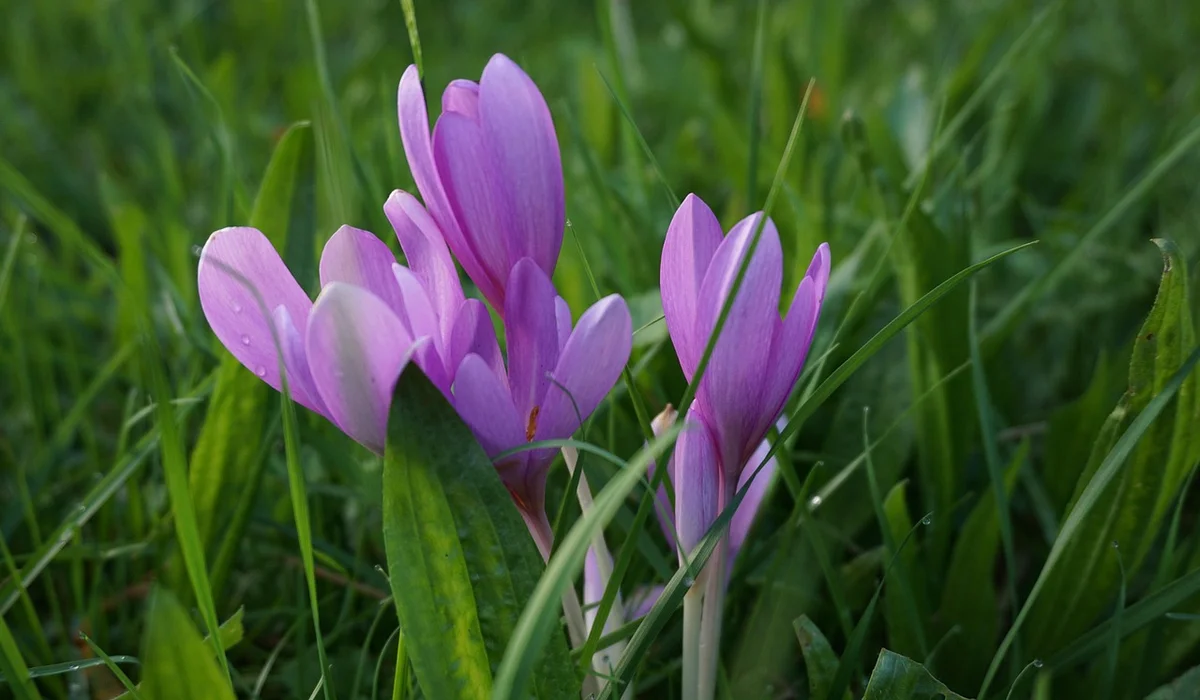
Common Household Plants That Are Dangerous
Many popular houseplants are surprisingly toxic to parrots. I learned this the hard way when my Green-cheeked Conure, Kiwi, took a sudden interest in my decorative plants. Their curious nature means they’ll nibble on anything within reach. This is why understanding the 10 dangerous parrot care myths that harm your bird is crucial, so you can separate myths from safe practices.
- Philodendron: Causes immediate oral irritation and difficulty swallowing.
- Pothos (Devil’s Ivy): Leads to intense burning in the mouth and vomiting.
- Dieffenbachia (Dumb Cane): Contains crystals that can swell a parrot’s throat shut.
- Peace Lily: Triggers intense digestive upset and can be fatal.
- Sago Palm: Every part is poisonous, causing liver failure and seizures.
Always check a plant’s safety before bringing it into your home, even if it’s placed far from the cage. Parrots are clever climbers and fliers who explore everything. In the same safety mindset, include toys in your parrot safety checklist, as unsafe toys can be dangerous. Regularly inspect toys for loose parts and non-toxic coatings to prevent hazards.
Flowers and Herbs to Avoid in Parrot Care
Some flowers and herbs that seem harmless can pose serious health risks. My Sun Conure, Sunny, once got into a bouquet, which taught me to be extra vigilant with floral arrangements. Their bright colors naturally attract a parrot’s attention.
- Lilies: Extremely toxic, causing severe kidney damage with just a few bites.
- Oleander: All parts are deadly, affecting the heart and nervous system.
- Foxglove: Contains compounds that lead to cardiac arrest in birds.
- Rhubarb Leaves: High in oxalic acid, resulting in tremors and kidney failure.
- Marijuana: Causes disorientation, depression, and potentially coma.
Stick to growing parrot-safe herbs like basil and cilantro in your kitchen garden instead. It provides a fun, edible enrichment without the danger.
Essential Oils and Aromatherapy Around Parrots
Are Essential Oils Safe for Parrots?
Most essential oils are not safe for parrots due to their highly sensitive respiratory systems. After noticing my African Grey, Sage, becoming lethargic around a diffuser, I did deep research and removed all oil products from my bird room. Their lungs are far more efficient than ours, absorbing toxins rapidly. This is a reminder that many parrot health concerns stem from environmental factors. For a broader, evidence-based overview, see our complete guide: Most Common Parrot Health Concerns — A Complete Guide.
- Tea Tree Oil: Can cause weakness, tremors, and liver damage.
- Eucalyptus Oil: Leads to respiratory distress and central nervous system depression.
- Peppermint Oil: Irritates the respiratory tract and can cause digestive issues.
- Cinnamon Oil: A potent irritant that may cause skin burns or breathing problems.
- Citrus Oils (like Orange or Lemon): Contain compounds that are toxic when inhaled by birds.
Parrots lack the specific enzymes to metabolize the concentrated chemicals in essential oils safely. What smells pleasant to us can overwhelm and harm them. For holiday gatherings, keep these scents away from birds and consult our holiday dangers parrots comprehensive seasonal safety checklist to minimize risks. It provides practical, bird-safe guidelines to protect parrots during the season.
Safe Ways to Use Oils in Bird Environments
If you wish to use oils, extreme caution and specific methods are necessary. I only use oils in a separate, well-ventilated room that my birds never enter, and I air it out for hours afterwards. Never apply oils directly to your bird or their cage.
- Use a diffuser in a closed room far from your parrot, and ventilate thoroughly before allowing them near.
- Opt for high-quality, 100% pure oils without synthetic additives, though purity doesn’t guarantee safety.
- Consider using a single drop on a cotton ball placed out of reach, never in an active diffuser.
- Monitor your parrot closely for any signs of respiratory distress, like wheezing or tail bobbing.
- When in doubt, skip the oils entirely and use natural air purifiers like open windows or safe houseplants.
Fresh air and proper hygiene are the safest ways to maintain a pleasant environment for your feathered friend. Their health is far more important than any fragrance.
Is Lavender Safe for Parrots?
Lavender is a topic of debate, but most experts advise against its use around parrots. While some bird owners use dried lavender sparingly, I avoid it completely after seeing how sensitive Sage is to even mild scents. The risks generally outweigh any potential calming benefits.
- The concentrated oil form is hazardous and should never be used near birds.
- Dried lavender buds may be less risky but can still cause respiratory irritation if dust is inhaled.
- Artificial lavender-scented products often contain chemicals that are definitively toxic.
- Signs of a reaction include sneezing, coughing, or a noticeable change in behavior.
For a calming effect, focus on providing your parrot with plenty of toys, interaction, and a predictable routine instead. A happy, engaged bird is naturally more relaxed without any external aids. Building trust is essential. Bonding techniques that work rely on patience and positive interactions.
Creating a Bird-Safe Home with Plants and Oils
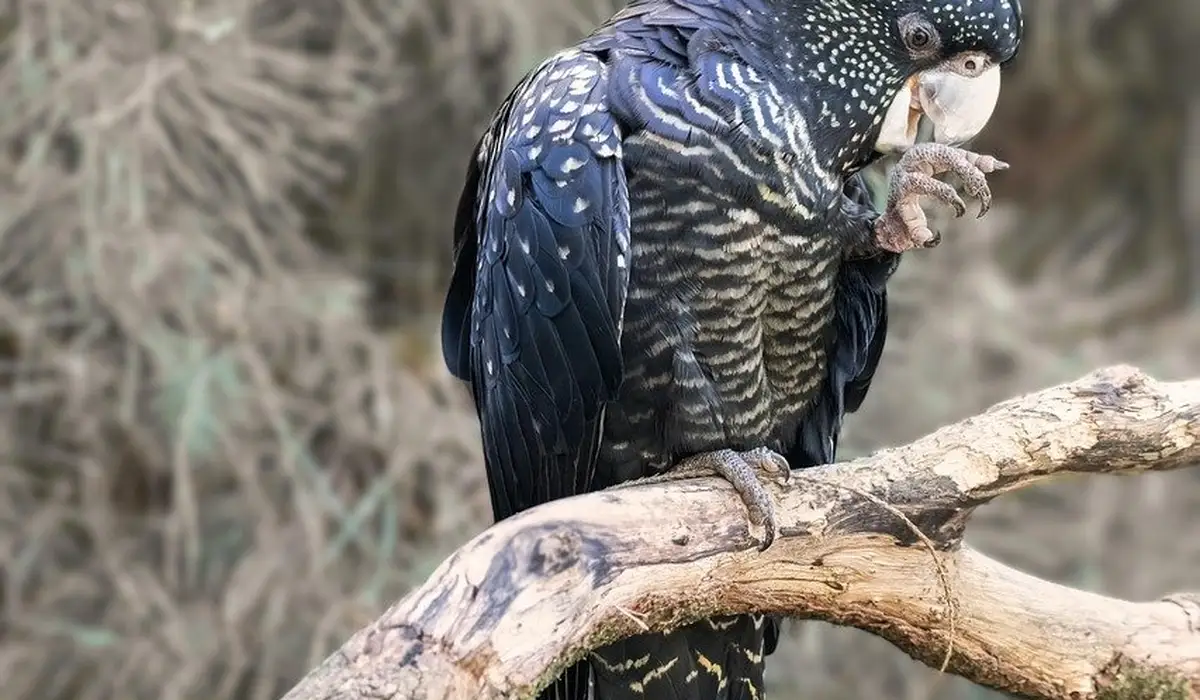
Steps to Assess Plant and Oil Safety
-
Identify plants and oils using botanical names to avoid mix-ups. Common labels like “ivy” can refer to toxic species, so I always double-check with reliable guides.
-
Cross-reference with avian veterinarian lists and trusted online resources. I keep a printed sheet handy for quick checks, especially when shopping for new items.
-
Introduce one new plant or oil at a time in small amounts. This lets you monitor your parrot’s reaction without overwhelming their system.
-
Watch for signs of toxicity, such as lethargy or changes in appetite. With Kiwi, my green-cheeked conure, I noticed he avoided a certain herb, so I removed it immediately.
-
Avoid essential oils in enclosed spaces or near cages. Even safe oils can irritate sensitive lungs, so I use them sparingly in well-ventilated areas.
DIY Enrichment Ideas with Safe Plants
-
Build a foraging tray with untreated wood shavings and rosemary sprigs. Kiwi spends hours digging through it, which keeps his mind active and happy.
-
Hang fresh branches from non-toxic trees like apple or birch for chewing. Sunny, my sun conure, loves the texture and often uses them for perching and playing.
-
Create edible wreaths with safe flowers like marigolds or pansies. These add color to the cage and provide a fun, nutritious snack.
-
Mix dried safe herbs into homemade paper toys for scent enrichment. Sage, my African grey, enjoys the calming aroma of chamomile in her shredding toys.
Real-Life Experiences and Pro Tips from Parrot Owners
I learned about plant safety the hard way when Sunny nibbled on a toxic leaf. It was a wake-up call that pushed me to create a strict “bird-proof” zone in our home with only verified safe plants.
Kiwi’s playful nature taught me to supervise all plant interactions closely. Even with non-toxic options, he sometimes chews too much, so I limit access to prevent overindulgence.
-
Involve your parrot in safe plant care to build trust and engagement. Letting them “help” water herbs under watch can turn into a joyful routine.
-
Rotate enrichment items weekly to keep things exciting. Parrots like Sage thrive on novelty, which reduces stress and boredom.
-
Always source plants from organic growers to avoid pesticides. I rinse everything with water and vinegar to ensure nothing harmful lingers.
FAQs
What should I do if my parrot is exposed to a toxic plant or essential oil?
Contact an avian veterinarian or an emergency pet poison hotline immediately for professional advice. Remove your parrot from the area and monitor closely for symptoms like difficulty breathing or changes in behavior. This is part of our emergency guide on what to do if your parrot eats something toxic. Have product information ready when you call.
Are there any natural alternatives to essential oils for freshening the air around parrots?
Yes, you can use safe methods like opening windows for ventilation or placing non-toxic plants like spider plants to purify the air naturally. Avoid synthetic air fresheners and focus on maintaining a clean, well-ventilated environment for your bird’s health.
How can I safely source and prepare plants for my parrot’s enrichment?
Purchase plants from organic growers to avoid pesticides and always wash them thoroughly with water and vinegar before introduction. Offer small, supervised amounts initially to ensure your parrot shows no adverse reactions before making it a regular part of their environment. This is part of our complete guide to cleaning your parrot and its environment safely. Continue applying these safe practices to keep your bird’s home clean and healthy.
Wrapping It Up
Always double-check plant and oil safety before introducing anything new into your parrot’s environment-your quick research could save their life. Stick to proven non-toxic options like spider plants and basil, and completely avoid known dangers like lilies or tea tree oil. When in doubt, leave it out and consult your avian vet for personalized advice, especially when considering any food items as per general parrot dietary guidelines.
Being a parrot parent means committing to lifelong learning, as new research on bird health emerges all the time. Stay curious, connect with fellow bird lovers, and keep prioritizing your feathered friend’s well-being through informed, compassionate choices every single day.
Further Reading & Sources
- Ultimate list of 1400+ bird-safe and toxic plants
- r/parrots on Reddit: Parrot Safe Houseplants?
- Common Bird-safe and Toxic Plants
Suzanne Levine is a dedicated parrot enthusiast and experienced avian caregiver with over 15 years of hands-on experience in parrot care. As the founder of Parrot Care Central, Suzanne is passionate about sharing her knowledge and insights to help fellow parrot owners provide the best possible care for their feathered friends. Her expertise spans nutrition, behavior, health, and enrichment, making her a trusted resource in the parrot care community.
Toxic Plants