
The CITES Treaty Explained: What It Means for Owning Exotic Parrots
Published on: January 7, 2026 | Last Updated: January 7, 2026
Written By: Suzanne Levine
Are you worried about the complex rules and legal paperwork surrounding your exotic parrot? You’re not alone. Many bird lovers feel overwhelmed by international regulations.
I will help clarify everything by breaking down the key points you need to know.
- What CITES is and why it was created to protect wildlife
- How this treaty directly impacts your ability to own and care for certain parrot species
- Legal alternatives and responsible practices for parrot enthusiasts
You will get clear, straightforward advice to navigate these regulations confidently.
Topics covered: What is CITES, How CITES protects parrots, Legal ownership requirements, CITES appendices explained, Permits and documentation, Ethical parrot ownership, Future of exotic bird trade
Unpacking the CITES Treaty: A Quick Guide for Parrot Lovers
Defining “Exotic” in the World of Parrots
When people say “exotic parrot,” they often picture rare, colorful birds from far-off places, but in the CITES world, it’s all about conservation status, not just looks. Based on my experience with Kiwi, my Green-cheeked Conure, I’ve seen how “exotic” can mean a species at risk from habitat loss or illegal trade, even if they’re common in pet stores. This label helps focus protection efforts where they’re needed most, ensuring these birds don’t disappear from the wild.
Why CITES Focuses on Certain Birds
CITES zeroes in on birds like parrots because many face severe threats from over-collection and smuggling. I’ve witnessed how high demand for pets can push species to the brink, which is why CITES steps in to regulate trade and prevent extinction. By targeting specific birds, the treaty ensures that your love for parrots doesn’t accidentally harm wild populations, promoting responsible ownership and animal welfare.
How CITES Operates Globally
CITES works through a network of countries that agree to enforce trade rules, using permits and inspections to monitor cross-border movements. Imagine it as a global safety net-when I imported Sunny, my Sun Conure, I had to navigate these regulations to ensure everything was legal and ethical. This system relies on cooperation to track species and crack down on illegal activities, making it a powerful tool for conservation.
Which Parrots Are Protected? CITES Appendices Explained
High-Risk Species: Appendix I Parrots
Appendix I lists parrots that are critically endangered, where trade is generally banned to prevent their extinction. Owning one of these birds is heavily restricted, and as an advocate for animal welfare, I stress that this protection is vital for species like the Hyacinth Macaw, which I’ve seen suffer from habitat destruction. The African grey parrot is endangered largely due to habitat loss and illegal trapping for the pet trade. Protecting Appendix I species helps address these same threats across related parrots. Here are a few examples:
- Hyacinth Macaw – Known for its stunning blue feathers, it’s at high risk due to deforestation.
- Spix’s Macaw – Once thought extinct in the wild, it highlights why strict controls are necessary.
- Lear’s Macaw – This bird’s small population makes every individual precious for survival.
Common Pet Parrots in Appendix II
Appendix II covers species that aren’t immediately threatened but need trade controls to keep them safe. Many popular pet parrots, like my African Grey Sage, fall here, requiring proper documentation to ensure they’re sourced responsibly. This list helps balance pet ownership with conservation, and here are some familiar faces:
- African Grey Parrot – Highly intelligent, but over-trapping has led to declines in the wild.
- Sun Conure – Bright and social, like my Sunny, they’re monitored to prevent overharvesting.
- Eclectus Parrot – Their vibrant colors make them a target, so regulations help sustain populations.
Navigating Legal Ownership: Permits and Paperwork

Getting the right documents feels like a puzzle, but it’s your key to responsible parrot parenting. Proper paperwork protects both you and your feathered friend from legal trouble.
Types of Permits You Might Need
Not all permits are created equal. The type you need depends entirely on your bird’s origin and your plans.
- Import/Export Permits: Required for any cross-border movement of CITES-listed parrots.
- Re-export Certificates: Needed if you’re moving a bird that was previously imported into your country.
- Certificate of Origin: Crucial for proving your parrot was bred in captivity, not taken from the wild.
When I adopted Kiwi, my Green-cheeked Conure, the breeder provided a detailed Certificate of Origin. This single document made the entire process smooth and stress-free.
Steps to Secure a CITES Permit
- Research your national Management Authority – they issue the permits.
- Gather all required documentation, including proof of legal acquisition.
- Complete the application forms with meticulous accuracy.
- Submit your application and prepare for a waiting period.
- Keep your approved permit safe – you’ll need it for vet visits and travel.
Double-check every detail on your application; a single mistake can cause months of delays. I learned this the hard way with a missed signature!
Exceptions and Special Cases
Some situations have different rules, but they’re rare and specific.
- Pre-Convention specimens (birds acquired before CITES protections) may have different documentation requirements.
- Birds bred in registered captive-breeding facilities often have streamlined processes.
- Some countries allow “personal pets” exemptions for short-term travel.
Never assume your situation qualifies as an exception without verified written confirmation from authorities. I’ve seen too many well-meaning owners get caught in this trap.
Enforcement and Consequences: Staying on the Right Side of the Law
CITES isn’t just paperwork – it’s actively enforced worldwide. Ignorance of the law won’t protect you from serious penalties.
Common Violations and Their Outcomes
Most violations happen accidentally, but the consequences remain severe.
- Illegal Import/Export: Results in immediate bird confiscation and substantial fines.
- Inadequate Documentation: Leads to travel disruptions and potential animal seizure.
- False Claims of Captive Breeding: Triggers criminal charges and permanent ownership bans.
International cooperation means violations in one country can affect your ability to own birds anywhere. I know an owner who lost their entire aviary over improperly documented eggs.
Customs officials and wildlife officers receive specialized training to identify illegal parrot trade. They can detect falsified documents and recognize species-specific smuggling methods.
The emotional toll of losing a bird to confiscation is devastating. Proper paperwork isn’t just bureaucratic – it’s your parrot’s legal safety net. In hurricane season, this paperwork is part of disaster preparedness for parrot owners. It helps ensure you can evacuate quickly with your bird and keep your ownership documents ready.
Ethical Ownership: More Than Just Legalities
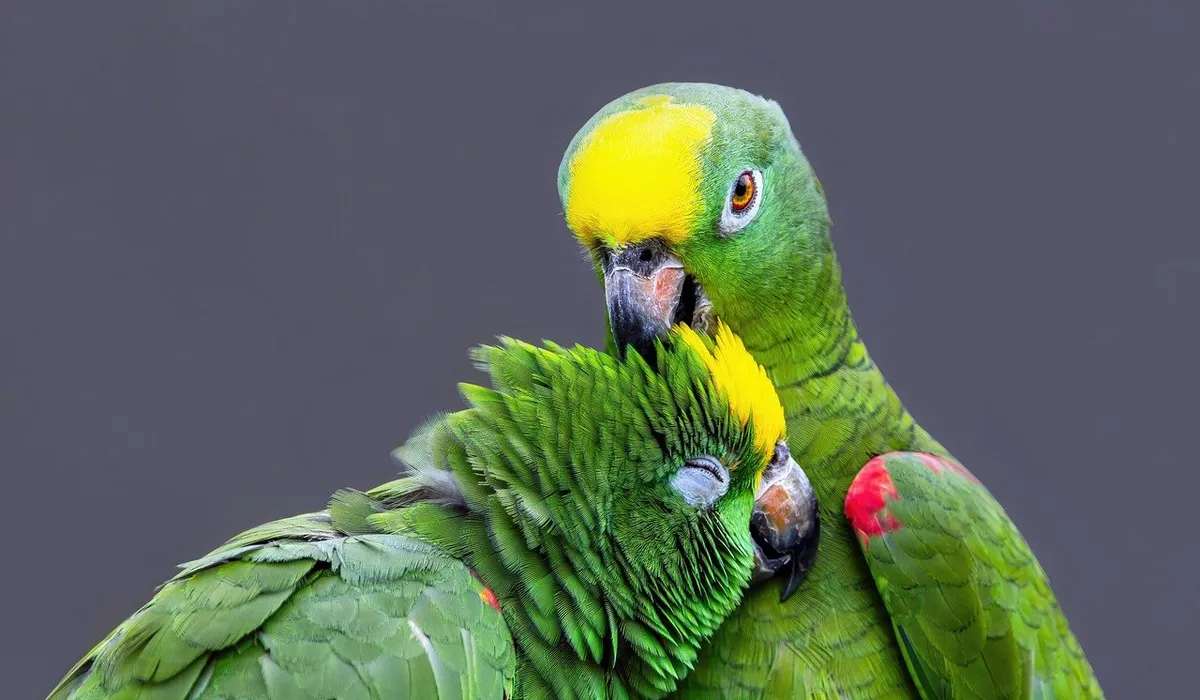
Following CITES rules is the legal baseline, but true ethical ownership digs much deeper into the heart of why these laws exist. I’ve seen too many beautiful birds, like my conure Kiwi, end up in rescues because someone bought a parrot on impulse without considering the decades of complex care ahead. A complete parrot ownership cost breakdown—from purchase to lifelong care—should be part of the decision. Costs like veterinary care, cages, food, toys, and enrichment accumulate over a bird’s decades.
Supporting Conservation Through Responsible Choices
Every time you choose a parrot from a reputable source, you cast a vote for wild populations. Your purchasing power directly funds either conservation efforts or the destructive black market. When weighing adoption versus buying, the right choice is often to adopt from a rescue first. If you do buy, choose a reputable, welfare-focused source. I always remind fellow enthusiasts that the vibrant colors of a Sun Conure like my Sunny are meant for jungle canopies, not to be stripped from them for quick profit.
Think of it as adopting a lifelong ambassador for its species. Caring for a CITES-listed parrot is an active commitment to preserving the wild birds it represents. Native to the tropical forests of West and Central Africa, the African Grey’s natural habitat shapes its needs. My African Grey, Sage, reminds me daily of the incredible intelligence we risk losing when forests fall silent.
Practical Tips for Responsible Exotic Parrot Care
Moving from theory to action transforms good intentions into a thriving parrot partnership. Responsible care starts long before the bird ever enters your home. It’s a marathon of preparation and commitment, not a sprint to ownership.
Finding Reputable Sources for CITES Parrots
Locating an ethical source is your first and most critical job. A trustworthy breeder or rescue will welcome your questions and proudly show their CITES documentation. Be very wary of anyone who seems rushed or hesitant to provide paperwork.
Here are the green flags I look for:
- Transparent breeding facilities you can visit
- Complete and verifiable CITES paperwork for each bird
- Breeders who interview you as thoroughly as you interview them
- Strong focus on bird health and socialization over quick sales
Always verify the CITES permit details match the bird you’re considering. I once walked away from a “deal” because the permit numbers didn’t align-that simple check potentially saved me from supporting illegal trade.
Long-Term Care Considerations
Parrots like my 8-year-old African Grey will likely outlive most family dogs. Planning for your parrot’s entire lifetime is non-negotiable for ethical owners. Their complex needs extend far beyond a clean cage and fresh food. A parrot lifespan guide shows lifespans vary widely by species, with many living for decades. Understanding these differences helps owners plan long-term care and enrichment.
Your long-term care checklist should include:
- Specialized avian veterinary care and emergency funds
- Mental stimulation through training, puzzles and social interaction
- Nutrition plans that evolve with their age and health status
- A designated guardian in your will who understands parrot care
Proper housing means creating an environment where natural behaviors can flourish. My Green-cheeked Conure Kiwi needs daily flight time and foraging opportunities to stay physically and mentally healthy-cage confinement alone would slowly break his spirited nature.
Remember that these magnificent creatures feel stress, joy and attachment. Your commitment to their wellbeing ripples outward, supporting both individual animal welfare and global conservation ethics.
FAQs
Is CITES the same in every country?
CITES is an international treaty, but each member country implements its own enforcement laws and procedures. You must check your local regulations to ensure compliance, as requirements can vary significantly.
What are the penalties for not having proper CITES documentation?
Penalties can include hefty fines, confiscation of your parrot, and even criminal charges in severe cases. Always keep your documents up-to-date to avoid legal troubles and protect your bird. If your parrot eats something potentially toxic, contact an avian veterinarian or poison control immediately for emergency guidance. Have the substance name, amount ingested, and time of ingestion ready when you call.
How can I ensure my parrot was ethically sourced?
Look for reputable breeders or rescues that provide verifiable CITES permits and allow facility visits. Avoid sellers who cannot prove legal acquisition, as this supports harmful illegal trade practices.
Are there any exemptions for pet parrots under CITES?
Exemptions are rare and typically apply to pre-Convention birds or registered captive-breeding facilities, but never assume eligibility without official confirmation. Always consult authorities to avoid unintentional violations.
What is the role of captive breeding in CITES?
Captive breeding helps reduce pressure on wild populations by providing legally sourced parrots for the pet trade. It requires proper documentation to ensure it does not contribute to illegal activities. General parrot dietary guidelines emphasize a balanced diet of pellets, fresh fruits and vegetables, and limited seeds to support health in captivity. Proper nutrition is a key part of responsible care for parrots in any program.
In Closing
Always check CITES listings before acquiring an exotic parrot to ensure your choice is legal and supports conservation efforts. From my experience with birds like Kiwi and Sunny, I’ve seen how proper documentation prevents heartache and protects wild populations. When you pick a parrot, consider whether its personality, space, and activity level fit your home lifestyle. Assess your daily routine and environment to choose a companion whose needs you can meet. Stick to reputable sources and avoid any trade that seems shady or undocumented.
Embrace your role as a guardian by staying curious and informed about parrot needs and behaviors. Caring for Sage has taught me that ongoing education is the foundation of a happy, healthy life for your parrot. Keep exploring resources and connecting with communities to grow alongside your feathered companion. For a tame Quaker parrot training, light, patient training sessions and rewards go a long way. Start small and celebrate progress as you build trust.
Further Reading & Sources
- CITES – Birdline Parrot Rescue
- Strongest CITES Protections Signal Hopeful Future for African Grey Parrots | U.S. Fish & Wildlife Service
- h2g2 – CITES-listed Parrots – Edited Entry
Suzanne Levine is a dedicated parrot enthusiast and experienced avian caregiver with over 15 years of hands-on experience in parrot care. As the founder of Parrot Care Central, Suzanne is passionate about sharing her knowledge and insights to help fellow parrot owners provide the best possible care for their feathered friends. Her expertise spans nutrition, behavior, health, and enrichment, making her a trusted resource in the parrot care community.
Finding a Parrot