
Natural Predators of Parrots: Wild Threats and Domestic Dangers
Published on: September 2, 2026 | Last Updated: September 2, 2026
Written By: Suzanne Levine
Are you losing sleep over what could harm your beloved parrot, whether they’re perched indoors or exploring outside?
I’ve spent years caring for parrots like Kiwi and Sunny, and I know that fear firsthand. This guide will break down the real risks and give you straightforward ways to safeguard your feathered companion.
- Spot the top wild predators that hunt parrots in their natural habitats.
- Uncover common household dangers, from other pets to everyday items.
- Gain simple, proven tips to create a safer environment for your parrot.
You’ll get clear steps to protect your parrot with confidence. We cover: wild predators, domestic threats, prevention methods, emergency signs, and habitat safety.
Wild Animals That Hunt Parrots in Nature
Birds of Prey: Hawks, Eagles, and Owls
From my time observing parrots, I’ve seen how alert they are to the skies. Birds of prey are the primary aerial hunters that parrots must constantly evade. Hawks use incredible speed and surprise, often snatching a parrot mid-flight. Eagles possess immense power, capable of carrying off larger parrot species from tree canopies. Owls operate with silent, deadly precision under the cover of darkness, catching roosting parrots completely unaware.
Mammals and Reptiles: From Monkeys to Snakes
Life in the trees presents a whole different set of challenges. Monkeys are surprisingly adept at raiding parrot nests for eggs and fledglings, showing remarkable problem-solving skills. Snakes are masters of stealth, slithering into nesting cavities to consume both eggs and adult birds. I’ve seen how opossums and raccoons will exploit any opportunity, using their dexterous paws to reach into crevices.
Unexpected Threats: Crocodilians and Foxes
Many parrot owners don’t realize the dangers that exist at ground level. Crocodilians lurk near water sources where parrots drink and bathe, launching explosive attacks from below. Foxes demonstrate remarkable patience, stalking parrots that forage for fallen fruits and seeds. Even domestic cats that have gone feral develop sophisticated hunting techniques specifically for birds. With holidays bringing new visitors and routine changes, a comprehensive seasonal safety checklist becomes essential. This checklist helps you spot ground-level threats and adjust housing, outdoor access, and routines to keep your parrot safe throughout the season.
Household Dangers for Your Pet Parrot
Other Pets: Cats, Dogs, and More
In my home, I maintain strict separation between my parrots and other animals. Even the gentlest family dog retains deep-seated predatory instincts that can trigger in an instant. Cats carry bacteria in their saliva that’s fatal to birds, making any scratch or bite potentially lethal. Rodents like hamsters or guinea pigs might seem harmless, but they can startle easily and cause your parrot to panic and injure itself. Predators and pests can be dangerous to pet parrots.
- Always supervise interactions between species
- Provide secure, separate living spaces
- Recognize subtle signs of stress in all animals
Toxic Substances in Your Home
Your household contains numerous hidden dangers for your feathered friend. Common kitchen items like avocado, chocolate, and onion can cause rapid organ failure in parrots. Cleaning products release fumes that damage their sensitive respiratory systems. Non-stick cookware, when overheated, releases gases that prove fatal within minutes. Many houseplants popular for home decoration are poisonous when nibbled. These environmental toxins are common household dangers that can make parrots sick. Being mindful of what you bring into your home helps protect their health.
- Audit your kitchen for unsafe foods
- Switch to bird-safe cleaning alternatives
- Research every plant before bringing it indoors
Airborne Hazards: Smoke and Essential Oils
What you can’t see can hurt your parrot most of all. Essential oils, while pleasant for humans, overwhelm a parrot’s delicate respiratory system and can cause neurological damage. Cigarette smoke creates chronic breathing problems and drastically shortens their lifespan. Scented candles and air fresheners contain chemicals that accumulate in their bodies over time. Even strong perfumes and hairsprays can trigger respiratory distress.
How to Bird-Proof Your Home and Yard
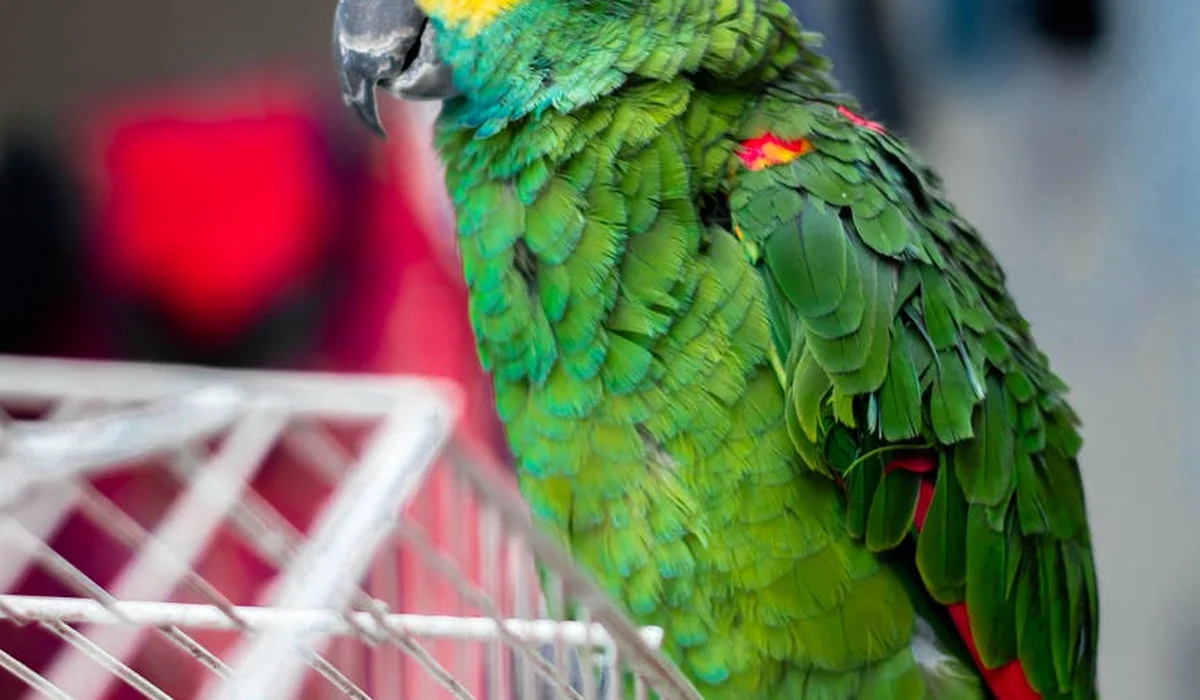
Safe Cage and Aviary Setup
Your parrot’s cage is their fortress, so make it predator-proof. I always use cages with locks on every door after my curious conure Kiwi figured out how to slide a simple latch open. Double-check bar spacing is narrow enough to prevent head entrapment but also too small for any paw to reach through. If you’re into DIY, you can build and decorate a safe, stimulating parrot cage. A good design makes enrichment easy.
- Select cages made of sturdy, non-toxic, powder-coated metals that can’t be easily bent or broken.
- Position the cage against a wall, away from windows and doors, to reduce exposure and your bird’s stress.
- Ensure the cage has multiple secure perches at different heights, allowing your parrot to move away if it feels threatened.
- Never leave the cage door open and unattended, even for a moment, as this is a prime opportunity for a quick attack.
Eliminating Common Hazards
Look at your home from your parrot’s perspective-what seems dangerous or enticing? Parrots are naturally curious, so you must remove temptations that could lead them into harm’s way. I keep all electrical cords wrapped in protective casing because Sage, my African Grey, once decided a charger cord looked like a fun chew toy.
- Tuck away or secure all loose wires, strings, and cords that could cause strangulation or electrocution.
- Keep toilet lids closed and buckets of water empty to prevent accidental drowning.
- Ensure all houseplants are non-toxic, as many common varieties are poisonous to birds.
- Store cleaning supplies, medications, and chemicals in locked cabinets well out of reach.
Yard Safety: Keeping Wild Predators Out
If your parrot enjoys supervised outdoor time, the yard must be a secure sanctuary. I only let my birds into our fully enclosed aviary, as an open yard is an invitation for disaster. Even with you present, a hawk can dive in seconds or a cat can spring from a hiding spot.
- Construct or use a completely enclosed aviary with a solid, locking door and a roof.
- Use hardware cloth with small openings (1/2 inch or less) instead of standard chicken wire, which is easily torn.
- Trim back tree branches and bushes near the aviary to eliminate hiding spots and climbing routes for predators.
- Never leave food or water bowls outside overnight, as they attract rodents and other animals that are themselves prey for larger hunters.
Protecting Parrots from Other Animals
Managing Multi-Pet Households
Living with other pets requires constant vigilance, no matter how well they seem to get along. The playful swat of a cat’s paw or the curious nudge from a dog’s nose can be fatal to a parrot due to bacteria in their saliva. I never allow my dog and birds to interact directly, no matter how gentle he seems.
- Always supervise any interaction, and when in doubt, keep them completely separated by a closed door.
- Train other pets to obey a solid “leave it” command to instantly divert their attention from the bird.
- Designate the bird’s room as a pet-free zone, providing your parrot with a safe space where it is never stalked or stared at.
- Be mindful of your parrot’s stress levels; constant predator pressure from another pet in the home can weaken their immune system over time.
Deterring Feral and Wild Intruders
Your home’s exterior is the first line of defense against nature’s hunters. Simple modifications can make your property far less appealing to animals looking for an easy meal. After spotting a raccoon on our porch one evening, I installed motion-sensor lights, and we haven’t seen one since.
- Seal any gaps, holes, or cracks in your home’s siding, foundation, or roof where animals could enter.
- Install sturdy screens on all windows and chimney caps on all flues.
- Use motion-activated sprinklers or lights to startle and deter nocturnal visitors like raccoons and opossums.
- Secure trash cans with locking lids and avoid leaving pet food outdoors.
Emergency Response for Predator Attacks
First-Aid Kit Essentials
Having a well-stocked avian first-aid kit ready can save precious minutes in a crisis. I keep one in a clearly marked container in a kitchen cabinet, and a smaller version in my travel bag for vet visits. Check it every few months to replace expired items.
- Styptic powder or cornstarch to quickly stop bleeding from a broken blood feather or nail.
- Self-cling bandage wrap (like Vetrap) that doesn’t stick to feathers or skin.
- Saline solution for flushing wounds or debris from eyes.
- Small, blunt-ended scissors and tweezers for safe feather or splinter removal.
- A small, clean towel to safely restrain and comfort your bird.
- Your avian vet’s emergency phone number and the number for the ASPCA Animal Poison Control Center.
Immediate Actions After an Attack
Staying calm is the most difficult but most important thing you can do. Your parrot will be terrified and in shock, so your calm demeanor is vital to prevent further stress. It’s important to know how to calm a scared or stressed parrot. Move quickly but gently to assess the situation and get help.
- Safely separate your parrot from the predator and move them to a small, dark, and quiet carrier or box to minimize stress.
- Do a quick visual assessment for obvious injuries like bleeding, broken bones, or puncture wounds.
- Apply direct pressure with a clean cloth to any bleeding wounds. For a blood feather, use styptic powder and pluck it if you are trained to do so.
- Call your avian veterinarian or the nearest emergency animal clinic immediately to tell them you are on your way.
- Keep your parrot warm during transport by placing a towel over part of the carrier, as shock can cause a dangerous drop in body temperature.
FAQs
What are the primary defense mechanisms parrots use against predators?
Parrots often rely on flock behavior and loud alarm calls to alert others of danger. They may also use camouflage or rapid, erratic flight to escape threats. If you’re wondering whether your parrot is about to take flight, watch for a forward-leaning stance, wings partially spread, or a quick hop toward the perch edge.
Which animals are considered the most common predators of parrots in the wild?
Birds of prey like falcons and mammals such as bats frequently hunt parrots in their natural habitats. Reptiles like large lizards also pose significant risks in certain regions. These predation pressures influence wild parrot survival behavior. They forage under cover, flock for safety, and rely on rapid escape flights and alarm calls to deter predators.
Can you list some unexpected predators that target parrots?
Insects like army ants can overrun parrot nests, while larger fish may snatch low-flying parrots near water. Even some bird species, such as corvids, are known to prey on eggs or juveniles.
What are some interesting facts about parrot predation?
Parrots have evolved strong beaks and claws partly for defense against smaller predators. Some species form mixed-species flocks to increase vigilance and reduce individual predation risk. Their beak behaviors can also provide insight into their mood and health.
How do parrots fit into the predator-prey dynamic in ecosystems?
As prey, parrots help sustain predator populations and influence food web stability. Their foraging habits can also indirectly affect predator behavior by altering local resource availability. In the wild, parrots primarily forage for seeds, fruits, and nuts, and sometimes insects. This wild foraging demonstrates that parrots do eat wild resources and highlights their role in natural ecosystems.
In Closing
Keeping your parrot safe means staying alert to dangers like outdoor predators and household pets, so always supervise their playtime and secure their cages. From my years with Kiwi and Sunny, I’ve seen how even a curious conure can attract risks, making proactive protection non-negotiable for their well-being — especially when it comes to ensuring their indoor play areas are secure.
Responsible parrot ownership thrives on never-ending learning, whether it’s about diet, behavior, or threats like predators. My journey with Sage taught me that every parrot has unique needs, and staying informed helps you provide a safer, happier life full of trust and companionship.
Further Reading & Sources
Suzanne Levine is a dedicated parrot enthusiast and experienced avian caregiver with over 15 years of hands-on experience in parrot care. As the founder of Parrot Care Central, Suzanne is passionate about sharing her knowledge and insights to help fellow parrot owners provide the best possible care for their feathered friends. Her expertise spans nutrition, behavior, health, and enrichment, making her a trusted resource in the parrot care community.
Bird-proofing Your Home