
Are Lovebirds Parrots? Your Quick Guide
Published on: August 3, 2026 | Last Updated: August 3, 2026
Written By: Suzanne Levine
You’re looking at that cheerful, colorful lovebird and wondering-does it belong to the famous parrot family, or is it something else entirely? It’s a common puzzle for bird lovers, and getting it right matters for their care and your understanding.
I’ve shared my home with parrots for years, from playful conures to clever African Greys, and I’ll help you sort this out. We’ll walk through the simple clues that connect these birds.
- Lovebirds absolutely are parrots, sharing core traits like curved beaks and zygodactyl feet.
- True parrots have specific features that set them apart from other bird groups worldwide.
- Many popular pet birds are parrots, even if their names don’t always make it obvious.
You’ll finish this article with a clear picture and confident answers. We cover: defining parrot traits, lovebird specifics, and other parrot-like birds.
What Makes a Bird a True Parrot?
Core Features of Psittacines
True parrots, or psittacines, share a set of distinct traits that set them apart from other birds. Their hooked beaks are not just for cracking seeds—they act like a third foot for climbing and exploring. I’ve seen this firsthand with Kiwi, my Green-cheeked Conure, who uses his beak to navigate cage bars and toys with ease. Note that ‘parrot’ and ‘parakeet’ are not the same thing: parakeets are small parrots. Explaining that difference helps when we look at which traits apply to each group.
Another key feature is their zygodactyl feet, with two toes pointing forward and two backward. This unique foot structure gives them a powerful grip for perching, handling food, and even hanging upside down. Watching Sunny, my Sun Conure, cling to my finger while preening shows how essential this adaptation is for their daily life.
- Strong jaw muscles for breaking tough nuts and fruits
- Ability to mimic sounds and speech in many species
- High intelligence for problem-solving and social interactions
- Vibrant plumage often used for communication and mating
Parrots thrive on social bonds and mental stimulation. From my experience with Sage, my African Grey, providing enrichment toys and interaction prevents boredom and supports their well-being. Parrots’ remarkable problem-solving abilities and their capacity to form intricate social bonds make them unique compared with other pets. This is why ongoing companionship and enrichment are essential. Always choose species-appropriate care to honor their natural instincts.
Lovebirds Unveiled: Are They Part of the Parrot Family?
Why Lovebirds Fit the Parrot Profile
Lovebirds absolutely belong to the parrot family, and their small size doesn’t make them any less authentic. These tiny birds pack all the classic parrot traits into a colorful, energetic package. I’ve cared for lovebirds in the past, and their playful curiosity mirrors that of my larger parrots like Kiwi and Sunny.
They exhibit the same hooked beaks and zygodactyl feet that define true parrots. Lovebirds use these features to shred toys, climb, and form strong pair bonds-hence their name. Their social nature means they need companionship, whether from another bird or dedicated human interaction, to stay happy and healthy.
- Members of the Psittaciformes order, just like macaws and cockatiels
- Display complex vocalizations and mimicry abilities
- Require a diet rich in pellets, veggies, and occasional fruits
- Show intelligence through toy manipulation and training responses
Advocating for their welfare, I stress that lovebirds deserve spacious cages and varied diets. Proper care ensures these little parrots live full, joyful lives without the stress of neglect. Their inclusion in the parrot family highlights the diversity and wonder of these amazing birds.
Beyond Lovebirds: Other Birds in the Parrot Spectrum
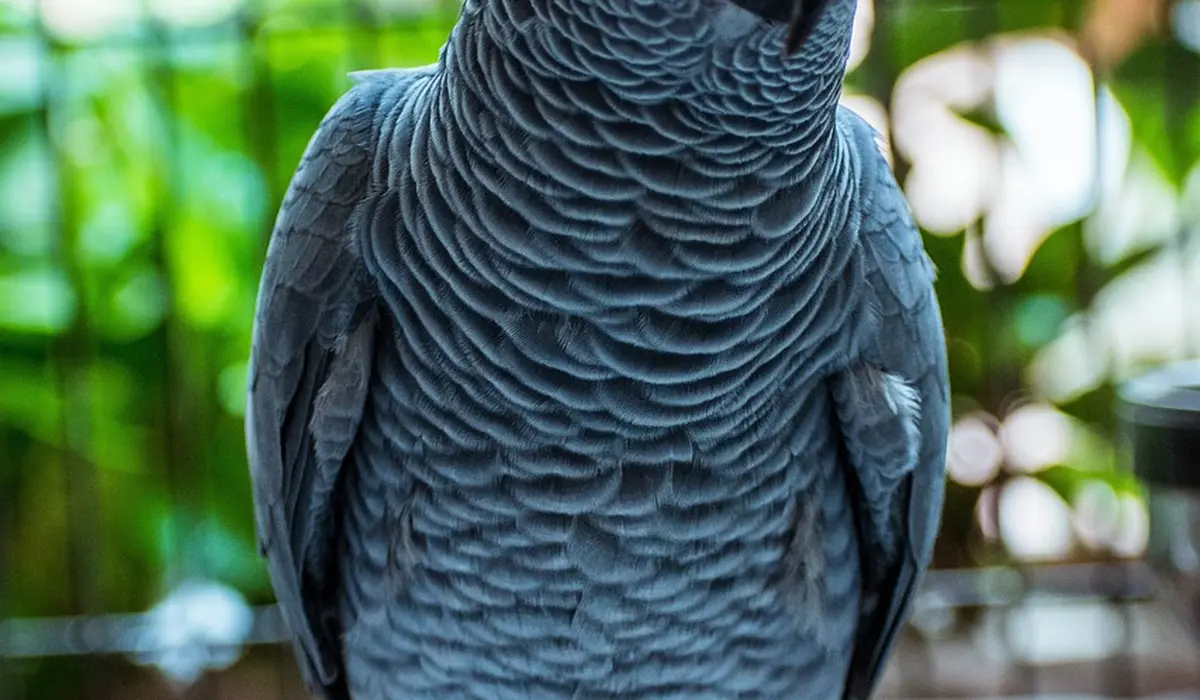
When I first brought home Kiwi, my Green-cheeked Conure, I realized how vast the parrot family truly is-it’s not just about lovebirds or the big names like macaws. Parrots span over 350 species, from tiny budgies to majestic cockatoos, all sharing traits like curved beaks and playful smarts. My Sunny, a Sun Conure, flashes vibrant yellows and oranges, showing off the colorful diversity in this group. Each type brings its own flair, whether it’s Sage’s calm intelligence as an African Grey or Kiwi’s endless curiosity. You can appreciate why they’re so colorful.
Many birds get lumped into the “parrot” category, but true parrots belong to the Psittaciformes order. Look for zygodactyl feet-two toes forward, two back-which help them climb and hold food, something I see daily with my birds as they explore their perches. This sets them apart from finches or canaries, who lack that gripping power and complex problem-solving ability.
Common Confusions: Parrots vs. Other Avian Groups
I’ve met folks who mix up parrots with pigeons or sparrows, but the differences are clear once you know what to spot. Parrots have strong, hooked beaks for cracking nuts and seeds, unlike the slender beaks of songbirds that mainly handle insects or grains. From caring for Sage, I’ve learned that parrots often mimic sounds and engage in social play, while other birds might stick to simpler calls and routines. Do different parrot beak behaviors mean different diets or personalities? The way a beak is used can reveal a lot about what a parrot can eat or how it solves problems.
Another mix-up happens with birds like hawks or owls, which are raptors, not parrots. Raptors have sharp talons for hunting, but parrots use their feet for climbing and manipulating objects—Kiwi loves tossing toys around with hers! In Australia, native parrot species such as cockatoos, rosellas, and budgerigars showcase vibrant colors and social, vocal behavior. These traits—curved beaks, nimble feet, and lively chatter—help distinguish parrots from raptors. Always check for that curved beak and chatty personality; it’s a dead giveaway you’re dealing with a parrot.
Caring for Lovebirds as Parrot Pets
Lovebirds might be small, but they pack a big parrot personality, needing attention and enrichment just like my larger birds. These little dynamos thrive on social bonds, so if you can’t spend hours with them daily, consider getting a pair to prevent loneliness. I’ve seen how Sage’s need for mental games applies to lovebirds too-they adore puzzles and foraging toys to keep their minds sharp.
Their diet shouldn’t be just seeds; a mix of pellets, fresh veggies, and occasional fruits keeps them healthy. I always offer chopped greens and a cuttlebone for calcium, mimicking what I do for Sunny to support strong bones and feathers. Lovebirds can be nippy if bored, so rotate toys weekly to spark their interest and reduce stress.
Essential Daily Care Steps
Start each morning with a quick routine to keep your lovebird happy and healthy—it’s what I do for all my parrots. Fresh food and water are non-negotiable; replace them daily to avoid bacteria buildup and ensure your bird stays hydrated and nourished. I use stainless steel bowls for Kiwi and the others because they’re easy to clean and don’t harbor germs. In line with general parrot dietary guidelines, a balanced diet should include a base of high-quality pellets plus a variety of fresh vegetables and fruits, with seeds or nuts limited to small amounts. This variety helps cover essential nutrients and keeps mealtime interesting for your feathered friends.
- Check the cage for droppings or spilled food-a quick wipe-down prevents odors and keeps the environment safe.
- Spend at least 30 minutes interacting through talking, training, or gentle play to strengthen your bond.
- Offer a variety of perches and toys to encourage natural behaviors like climbing and chewing.
- Monitor their behavior for signs of illness, such as lethargy or fluffed feathers, and act fast if something seems off.
End the day with a calm wind-down, perhaps covering the cage partially to signal rest time. Consistency in care builds trust and helps your lovebird feel secure, just like it does with my flock. Remember, skipping steps can lead to health issues, so make it a habit to prioritize their well-being every single day.
Choosing Your Feathered Friend: Lovebirds vs. Other Parrots
Behavior and Compatibility Insights
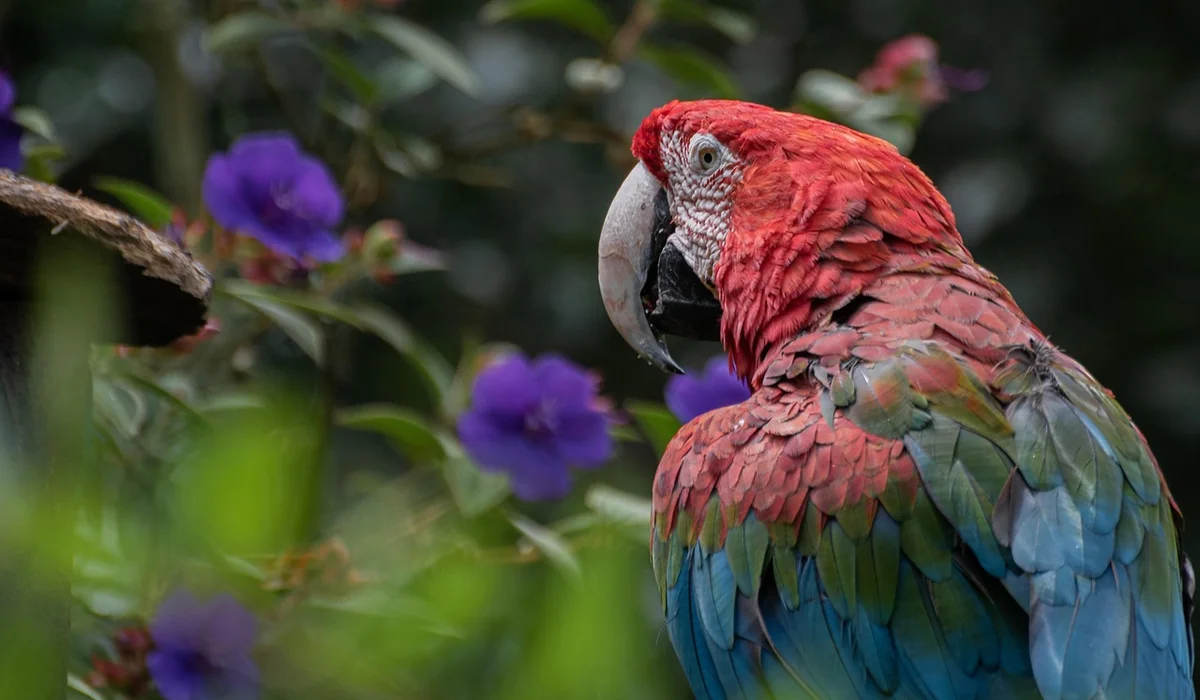
My green-cheeked conure, Kiwi, is a whirlwind of playful energy, but he’s very different from the lovebirds I’ve cared for over the years. Lovebirds pack a huge personality into a small body, often displaying a feisty, independent streak that larger parrots don’t always show. They form incredibly strong pair bonds, which is beautiful to witness but can sometimes make them less interested in human interaction if they have a bird companion.
In my home, my sun conure Sunny demands constant social engagement and will loudly announce if he feels ignored. Lovebirds can be quieter in volume than many larger parrots, but they are by no means silent, often communicating with charming chirps and chatters. Their smaller size doesn’t mean smaller needs; they require just as much mental stimulation and out-of-cage time to stay happy and healthy.
- Social Needs: Lovebirds thrive on interaction, either with you or a bonded mate. A solitary lovebird will demand your constant attention.
- Play Style: They are avid chewers and shredders. Providing destructible toys is not a suggestion-it’s a necessity for their well-being.
- Training Potential: While highly intelligent, lovebirds can be more stubborn and independent-minded than some larger, more eager-to–please parrot species like African Greys.
- Compatibility with Other Pets: Their small size makes them vulnerable. I would never allow my lovebirds to interact freely with my larger parrots or other household pets.
The Science Behind Parrot Classification
When people ask me if a lovebird is a “real” parrot, I explain it using a simple family tree. All lovebirds are indeed true parrots, belonging to the biological family Psittacidae, which includes everything from a tiny budgerigar to a massive macaw. Their scientific classification places them squarely within the parrot order Psittaciformes, sharing fundamental anatomical traits. This is similar to how cockatiels and cockatoos are also classified as parrots.
I often look at my African Grey, Sage, and my past lovebirds and see the same basic blueprint. The key features that bind them all together are a curved beak perfect for cracking seeds, zygodactyl feet (two toes forward, two back) for expert climbing and holding food, and a high level of cognitive ability. In a parrot species identification guide, a common question is whether different parrots look alike. Even with these shared traits, color patterns, size, and distinctive markings help tell species apart. These aren’t just similarities; they are the defining characteristics of the entire parrot family.
Lovebirds belong to the genus *Agapornis*, which is just one branch on the vast parrot family tree. Think of it like this: all poodles are dogs, and all lovebirds are parrots. They may look and act differently from an Amazon or a cockatoo, but they share the same deep-rooted genetic and evolutionary history. This scientific grouping helps us understand their core needs, which are fundamentally parrot needs-complex social lives, foraging enrichment, and long-term commitment from their caregivers.
FAQs
Are lovebirds parrots friendly?
Lovebirds are often friendly and affectionate with their owners, forming strong bonds through regular interaction. They can be social and playful, but may become nippy if they feel neglected or stressed.
Are lovebirds parrots good or bad?
Lovebirds are generally good pets for dedicated owners who can provide ample attention and enrichment. They might not suit beginners due to their high energy and need for consistent training to prevent behavioral issues.
Are lovebirds parrots for sale?
Lovebirds are commonly available for sale from pet stores, reputable breeders, and avian rescues. It’s essential to research sellers to ensure the birds are healthy and ethically sourced.
Are lovebirds parrots rare?
Most lovebird species are not rare and are widely bred in captivity, making them accessible in the pet trade. However, certain color mutations or specific species may be less common and harder to find.
Are lovebirds parrots dangerous?
Lovebirds are not typically dangerous, but they can bite if scared or mishandled, which might cause minor discomfort. Proper socialization and understanding their cues can minimize any risks of aggression.
Final Thoughts
So, are lovebirds parrots? Absolutely, and this means they share the complex needs of all hookbills. They require a spacious cage, a varied diet beyond just seeds, and, most critically, plenty of daily social interaction and mental challenges to stay happy and healthy.
Caring for any parrot, from a tiny lovebird to a large macaw, is a long-term commitment that demands our very best. When you compare large parrots to small parrots, you see how daily routines, space, and enrichment needs scale with size. This helps you plan a commitment that fits your lifestyle. I encourage you to keep learning, ask questions, and always prioritize the well-being of your feathered friend, ensuring you provide a home that honors their wild spirit and intelligence.
Further Reading & Sources
- Lovebirds vs Parakeets – Birds Comparison | by David Smith | Medium
- Parrotlet vs Lovebird ~ A Comparison of Two Small Pet Birds – Windy City Parrot
- Parrolet Vs Love Bird | Parrotlets Forum : TalkParrotlets
Suzanne Levine is a dedicated parrot enthusiast and experienced avian caregiver with over 15 years of hands-on experience in parrot care. As the founder of Parrot Care Central, Suzanne is passionate about sharing her knowledge and insights to help fellow parrot owners provide the best possible care for their feathered friends. Her expertise spans nutrition, behavior, health, and enrichment, making her a trusted resource in the parrot care community.
Finding a Parrot