
Yellow-Naped Amazon Conservation Status: A Guide to Their Future
Are you worried about the survival of the vibrant Yellow-Naped Amazon parrot? Their numbers are dropping fast due to habitat destruction and illegal pet trade, putting them at risk of disappearing from the wild. As someone who has spent years caring for parrots like my curious Green-cheeked Conure, Kiwi, I’ve seen how fragile these intelligent birds can be when their homes are threatened.
I will help you grasp the full picture by breaking down three key points.
- Current conservation rankings and what they mean for the species
- Primary dangers like deforestation and poaching that fuel their decline
- Practical steps you can take to support their protection and welfare
You will receive straightforward guidance to make a difference. We cover: habitat preservation, anti-trafficking laws, community education, and sustainable practices.
What Does ‘Endangered’ Mean for the Yellow-Naped Amazon?
The Yellow-Naped Amazon holds an Endangered status on the IUCN Red List, a classification that signals a high risk of extinction in the wild. This designation stems from criteria like rapid population declines-often over 50% in a decade-due to habitat destruction and illegal trapping. It was officially listed as Endangered in recent assessments, highlighting urgent conservation needs since the early 2000s as threats escalated.
Being Endangered directly threatens the species’ survival by shrinking their numbers and genetic diversity, making them more vulnerable to diseases and environmental changes. Habitat loss and the illegal pet trade are key reasons why African grey parrots are endangered. This status boosts global awareness, rallying conservation groups and bird enthusiasts to action, much like how I’ve seen increased attention help other parrots in my care, such as Kiwi and Sunny, thrive through community support. It reminds us that every bird in the wild is part of a fragile ecosystem we must protect.
Within the Amazona ochrocephala group, subspecies like the Yellow-Naped Amazon face unique risks, including localized habitat loss in Central America and targeted poaching for the pet trade. Each subspecies struggles with specific pressures, such as deforestation in nesting areas, which I’ve observed parallels with in captive settings where habitat quality is crucial for health. Advocating for their welfare means understanding these nuanced threats to push for tailored conservation efforts.
CITES and Legal Protections Across Their Range
CITES lists the Yellow-Naped Amazon under Appendix I, which bans international commercial trade to curb exploitation and protect dwindling populations. This strict regulation means that buying or selling these birds across borders is illegal without special permits, aimed at reducing pressure from the pet market. In my experience with parrot care, this helps ensure that only ethically sourced birds enter homes, promoting responsible ownership. Put simply, CITES explains what owning an exotic parrot involves: legal sourcing and compliance with permits. This means potential owners must verify that a bird was legally acquired and that any international movement complies with the law.
Key countries in their range have enacted local laws to bolster these protections:
- Honduras enforces bans on capture and trade, with penalties for violations.
- Nicaragua has habitat preservation acts that safeguard nesting sites.
- Guatemala implements wildlife protection statutes to combat poaching.
- Panama supports conservation zones that restrict human interference.
These national laws work alongside CITES to create a safety net, but enforcement varies, and illegal trade still persists in some areas.
For pet ownership, these protections mean that keeping a Yellow-Naped Amazon often requires legal documentation and adherence to strict guidelines, discouraging impulsive acquisitions. Are legal requirements for owning a parrot? They vary by country, but commonly include permits, species licenses, and adherence to welfare and transport rules. As someone who’s navigated parrot ownership laws, I know this reduces illegal trade by making it harder to profit from wild-caught birds, ultimately supporting species recovery. Stronger enforcement in countries like Nicaragua and Guatemala helps crack down on smuggling, ensuring these vibrant parrots have a fighting chance in the wild.
Why Are Their Numbers Dropping? Threats and Population Trends
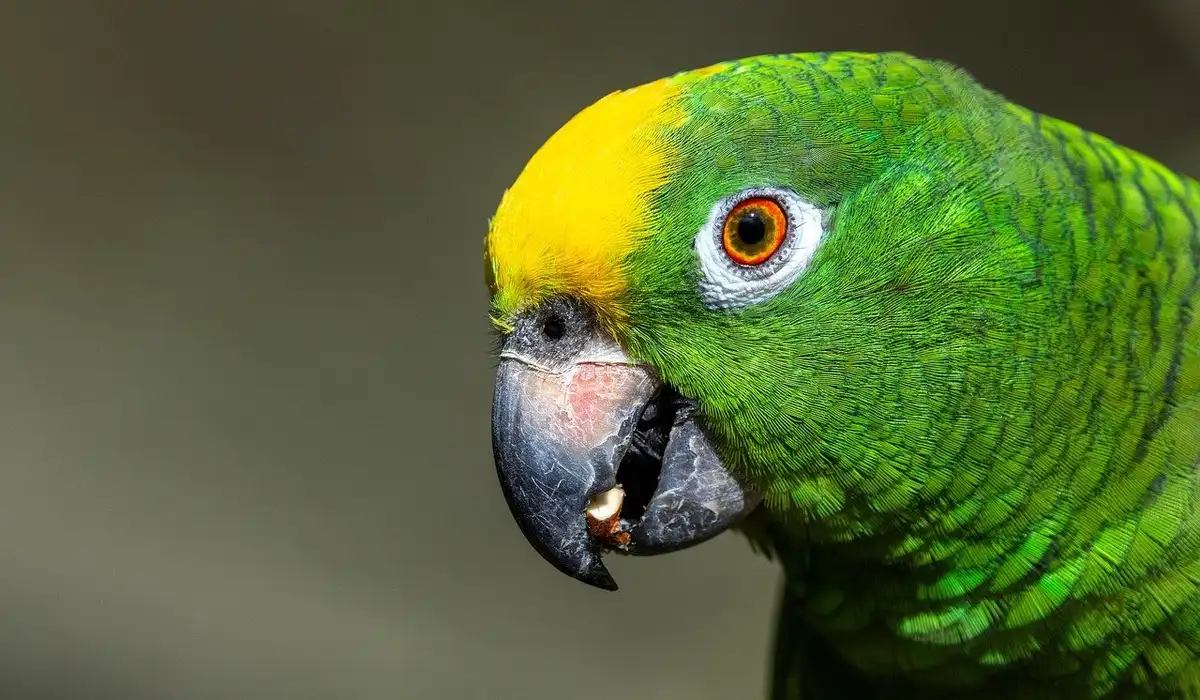
Seeing these brilliant birds vanish from the wild hits close to home for anyone who loves parrots. The primary culprits behind their disappearance are a devastating combination of habitat destruction and relentless trapping for the pet trade. Understanding wild parrot survival behavior—how they forage, migrate, and defend territories—helps explain which populations are most at risk. These survival strategies reveal resilience or vulnerability in changing habitats.
- Habitat loss from large-scale deforestation for agriculture and urban development has erased vast stretches of their forest home.
- The illegal pet trade continues to plunder wild nests, taking chicks and adult birds to be sold, despite international laws.
- Nesting site destruction is a critical multiplier; when the oldest, tallest trees are felled, generations of future parrots lose their homes before they even hatch.
The data paints a stark picture. The IUCN Red List classifies the Yellow-naped Amazon as Endangered, with estimates suggesting a population decline of over 50% in just three generations. In some regions, like Pacific Costa Rica, their iconic contact calls are now silent where they were once common.
Conservation Actions: What’s Being Done to Save Them
Thankfully, a wave of dedicated people and organizations are fighting back with smart, passionate strategies. Coordinated conservation is our best hope for turning the tide for this species.
- Managed breeding programs, both in zoological facilities and within protected range countries, are creating assurance populations to safeguard genetic diversity.
- The establishment and strict enforcement of protected areas and national parks provide crucial safe havens where forests and parrots can thrive.
- Species Recovery Plans are being implemented, outlining specific, actionable steps for population recovery from nest protection to public education.
In Central America, the heart of their range, initiatives are intensely focused on the ground. Specific projects in Honduras and Guatemala work directly with local communities to restore degraded habitats by planting native fruit and nut trees the parrots rely on. I’ve seen photos of these reforested areas, and the sight of young trees where there was once barren land is incredibly powerful.
Success hinges on continuous effort. Rigorous population monitoring through annual counts and nest checks provides the essential data to measure what’s working. Parrots build and choose their nests, so protecting nesting trees and safe habitats is integral to conservation. Community involvement is the backbone; when local people become nest guardians and eco-tourism guides, they become the parrots’ most effective protectors.
Pet Ownership: Ethical Considerations and Alternatives
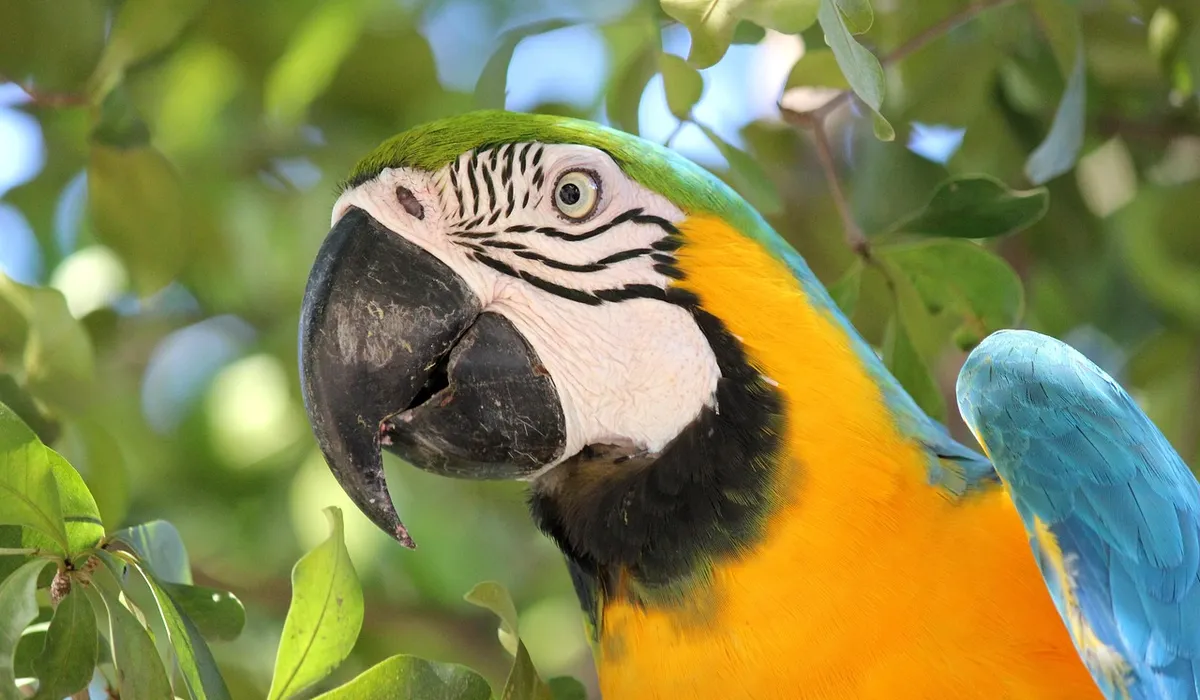
Owning a Yellow-Naped Amazon feels like holding a piece of the wild in your hands. Choosing a captive-bred bird from a reputable breeder is the only ethical path for bringing one into your home. That choice also touches on the larger ethics of parrot sourcing—breeding versus adoption and overall welfare. Some prospective owners also consider adoption from reputable rescues to give a home to birds in need and help reduce pressure on wild populations. I’ve seen the paperwork for my own birds, and it brings peace of mind knowing they weren’t taken from a fragile wild population. Their complex needs and long lifespan are a serious commitment that not every home can provide.
Stable Alternatives to an Endangered Parrot
If you love the personality of an Amazon but want a species with a brighter future, you have wonderful options.
- Green-Cheeked Conure: My conure, Kiwi, is a playful bundle of energy. These smaller parrots have stable populations and are full of character without the conservation concerns.
- Senegal Parrot: Known for being quieter and more independent, these birds are not currently threatened and adapt well to life as a companion.
- Pionus Parrot: Often described as “gentle giants,” Pionus parrots are calm, beautiful, and their conservation status is generally secure.
- Cockatiel or Budgerigar: These classic pet birds are always bred in captivity, incredibly social, and a fantastic choice for first-time owners.
Your Guide to Responsible Sourcing
Doing your homework before you buy is the most powerful action you can take.
- Always ask for and physically see the CITES (Convention on International Trade in Endangered Species) permit. No paperwork, no sale.
- Choose breeders who are transparent, allow visits, and prioritize the birds’ welfare over making a quick sale.
- Be deeply suspicious of low prices or sellers who can’t provide a clear history for the bird. If a deal seems too good to be true, it almost always is.
- Support avian rescues and sanctuaries. Adopting a bird in need is a profoundly ethical alternative to purchasing one.
How You Can Help: Supporting Conservation Efforts
You don’t need to own a Yellow-Naped Amazon to make a difference in their survival. Every small action adds up to create a wave of change for these magnificent parrots. I donate a portion of my own bird-care budget to conservation because I believe in protecting their wild cousins. Similarly, orange-bellied parrot conservation relies on habitat protection and recovery programs. Small acts—like supporting credible conservation efforts and responsible pet care—can make a real difference for this critically endangered species.
Direct Actions for Impact
- Donate to organizations like the World Parrot Trust or Rainforest Trust, which fund habitat protection and on-the-ground research.
- Volunteer your time or skills with wildlife rehabilitation centers, even those local to you that may care for native birds.
- Choose products certified by the Forest Stewardship Council (FSC) to support sustainable forestry and fight deforestation.
- Reduce your use of single-use plastics and pesticides, which can contaminate the ecosystems these parrots call home.
Become a Voice for the Voiceless
Advocacy is a powerful tool that every one of us holds.
Contact your political representatives and urge them to support stronger international wildlife protection laws and anti-deforestation policies. Share what you’ve learned about the Yellow-Naped Amazon on social media or with friends. When you talk about your own pet parrot, use it as an opportunity to discuss the importance of conservation and ethical ownership. Also, consider the truth about buying parrots from pet stores—the pros (immediate availability) and cons (unclear origin, health risks). Education is the seed from which change grows.
FAQs
What is the IUCN status of the Yellow-naped Amazon?
The Yellow-naped Amazon is listed as Endangered on the IUCN Red List, reflecting a high extinction risk in the wild. This classification underscores the species’ vulnerability due to factors like rapid population declines and habitat degradation.
Is the Yellow-naped Amazon listed under CITES?
Yes, it is included in CITES Appendix I, which bans international commercial trade to prevent overexploitation. This regulation aims to curb illegal trafficking and support the species’ recovery in its natural habitat.
What is the population trend of the Yellow-naped Amazon?
The population is experiencing a significant decline, with estimates indicating a reduction of over 50% within three generations. This downward trend is largely attributed to ongoing threats like deforestation and poaching.
What are the main threats to the Yellow-naped Amazon?
Primary threats include habitat loss from deforestation for agriculture and urban expansion, as well as illegal trapping for the pet trade. These activities disrupt nesting sites and reduce available resources, accelerating population decreases.
In which countries is the Yellow-naped Amazon legally protected?
It receives legal protection in countries such as Honduras, Nicaragua, Guatemala, and Panama through national wildlife laws. These measures include bans on capture and trade, along with habitat conservation efforts to safeguard their environments.
In Closing
From my years caring for parrots like Sage and Sunny, I’ve seen how vital it is to support conservation for species like the Yellow-Naped Amazon. Choose adoption over wild-caught birds and provide a stimulating, safe home to mirror their natural needs. This simple step helps protect their wild cousins and enriches your pet’s life. Many people ask: adoption or buying, which is right? In my view, adopting from a reputable rescue is usually the wiser option, offering a healthy parrot while reducing demand for wild-caught birds.
Owning a parrot is a lifelong journey of learning and love. Stay curious about their care, seek out reputable resources, and always prioritize their welfare in every decision you make. Your dedication makes all the difference for these incredible creatures. Choosing the right pet parrot for your home lifestyle means considering space, noise, and daily routines. Aligning the bird’s needs with your living situation helps both of you thrive.
Further Reading & Sources
- Yellow-naped amazon – Wikipedia
- Yellow-naped Amazons: Conservation Partnerships | World Parrot Trust
- Yellow-naped amazon | Fauna & Flora
Suzanne Levine is a dedicated parrot enthusiast and experienced avian caregiver with over 15 years of hands-on experience in parrot care. As the founder of Parrot Care Central, Suzanne is passionate about sharing her knowledge and insights to help fellow parrot owners provide the best possible care for their feathered friends. Her expertise spans nutrition, behavior, health, and enrichment, making her a trusted resource in the parrot care community.
Amazon Parrots