
Parrot Lifespan Guide: How Long Different Species Live
Published on: December 7, 2025 | Last Updated: December 7, 2025
Written By: Suzanne Levine
Thinking about bringing a parrot home? You’re probably wondering just how long that vibrant, chatty friend will be part of your life-and it’s a big commitment to consider.
I’ve shared my home with parrots for years, from Kiwi, my playful Green-cheeked Conure, to Sage, my smart African Grey, and I’m here to help you get a clear picture. We’ll dive into the key takeaways that matter most for understanding and supporting your parrot’s longevity.
- Learn how species, diet, and environment directly impact how long parrots live.
- Discover average lifespans for common parrot types, based on my hands-on experience.
- Get simple, effective care tips to help your bird thrive for years to come.
You’ll walk away with straightforward advice you can use right away. Topics covered: species lifespan ranges, daily care essentials, debunking common myths
What Shapes a Parrot’s Lifespan?
Your parrot’s life is a beautiful, long journey shaped by four key pillars. Genetics set the stage, but your daily care choices write the actual script for their longevity. I’ve seen this firsthand with my flock—thoughtful adjustments have kept them vibrant well beyond average expectations. To help with that topic, this is a concise guide to the most common parrot health concerns. It covers common symptoms, prevention tips, and when to consult a vet.
- Species Genetics – A parrot’s biological blueprint is its starting point. Larger species like macaws possess cellular machinery for century-long lives, while budgies have a naturally shorter clock. This is the one factor you can’t change, but you can optimize everything else.
- Diet Quality – Food is medicine or poison. Seed-only diets cause fatty liver disease and cut lives short. Fresh veggies, quality pellets, and limited fruits build resilient health. My conure Kiwi’s feather quality improved dramatically when I switched him to a vegetable-rich diet.
- Environment – Safe spaces mean longer lives. Toxic fumes from non-stick cookware can kill in minutes. Proper cage size, clean air, and mental stimulation reduce stress-induced illnesses. My sun conure Sunny thrives with puzzle toys that mimic foraging behaviors.
- Veterinary Care – Annual checkups catch hidden issues. Birds hide illness until they’re critically sick. Blood tests and physical exams can detect problems early. Finding an avian specialist literally added years to my African grey Sage’s life when we caught a vitamin deficiency early.
Parrot Life Expectancy by Species
Size generally predicts lifespan, but individual care creates huge variations. Captive parrots often outlive wild relatives due to predator-free environments and consistent food access. Wild birds face habitat loss and food scarcity that shorten their natural spans.
| Species Type | Average Captivity Lifespan | Wild Lifespan |
|---|---|---|
| Small Parrots | 10-20 years | 5-8 years |
| Medium Parrots | 25-45 years | 15-20 years |
| Large Parrots | 50-80+ years | 30-50 years |
Small Parrot Lifespans
These compact companions pack plenty of personality into shorter timelines. With exceptional care, many small parrots become multi-decade family members. Their faster metabolisms make consistent nutrition particularly crucial.
- Budgerigars (Budgies) – 7-15 years, though I’ve met well-cared-for birds reaching 20
- Lovebirds – 10-15 years, with some individuals celebrating 20 birthdays
- Cockatiels – 15-20 years, the marathon runners of small parrots
Medium Parrot Lifespans
Medium parrots offer that sweet spot of substantial lifespan without the century commitment. My green-cheeked conure Kiwi at 3 years is just beginning his potential 30-year journey. These birds often develop strong preferences that last decades.
- Conures – 20-30 years, with some sun conures like my 5-year-old Sunny reaching 35
- Amazon Parrots – 40-60 years, known for maintaining playful personalities into seniority
- African Greys – 45-60 years, with my 8-year-old Sage potentially outliving me
Large Parrot Lifespans
Large parrots aren’t pets-they’re lifetime companions that may outlive their owners. Adopting a large parrot means planning for their care in your will and retirement years. Their incredible longevity demands serious commitment.
- Macaws – 50-80 years, with some blue-and-golds documented past 100
- Cockatoos – 40-70 years, though their emotional needs can impact health significantly
- Eclectus Parrots – 30-50 years, with pronounced differences between male and female lifespans
How to Boost Your Parrot’s Longevity
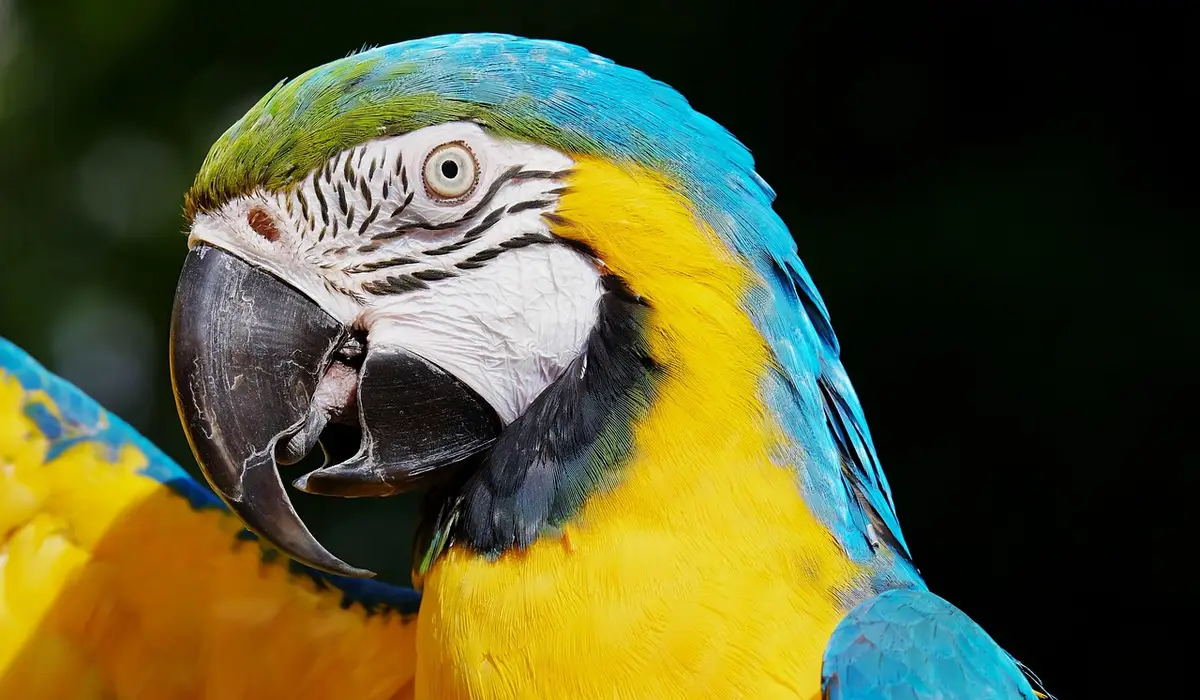
Extending your parrot’s life hinges on daily care routines that prioritize their physical and mental well-being. I’ve watched my own birds, like Kiwi and Sunny, flourish when their environment supports natural behaviors and balanced nutrition—especially when it comes to foraging for food. Consistency in these areas can add vibrant years to their lives.
- Serve a colorful mix of fresh vegetables and fruits every day to supply essential nutrients and prevent dietary boredom. Rotating options like carrots, bell peppers, and apples keeps meals exciting and nutritionally diverse. My Green-cheeked Conure, Kiwi, eagerly anticipates his morning veggie chop, which I prepare with seasonal produce.
- Introduce foraging toys and puzzles that mimic wild feeding habits to stimulate their curious minds. Hiding treats inside shreddable toys encourages problem-solving and reduces stress from monotony. For Sunny, my Sun Conure, I use simple cardboard boxes with hidden nuts, and she spends hours happily figuring them out.
- Engage in short, daily training sessions using positive reinforcement to strengthen your bond and mental agility. Teaching tricks like “step-up” or new words provides mental exercise and builds trust. Sage, my African Grey, loves learning new sounds, and these interactions keep her sharp and content.
- Offer a base diet of high-quality pellets to ensure they get balanced vitamins and minerals without excess fat. Combining pellets with fresh foods mimics a natural diet and supports long-term health. I mix pellets with chopped greens for Kiwi, and he devours it while getting all his nutritional needs met.
- Create a dynamic living space by rotating perches, toys, and layouts weekly to prevent habituation and encourage exploration. Changing their environment regularly sparks curiosity and physical activity, which is vital for mental wellness. In my home, I shift perches and add new climbing ropes, and all my parrots show renewed energy and playfulness.
Regular preventive health checks with an avian vet catch issues early and are non-negotiable for longevity. Scheduling annual exams helps monitor weight, beak health, and overall condition, catching problems before they escalate. I take Sage for check-ups yearly, and it has helped us address minor concerns quickly, keeping her in top shape.
Monitor their behavior and droppings daily for changes that might signal illness, as parrots often hide symptoms. Noticing shifts in appetite or activity levels allows for prompt veterinary care, which can be life-saving. With Kiwi, I once spotted lethargy early and got treatment that prevented a serious infection.
Spotting Aging Signs in Your Parrot
Watching your parrot age brings a mix of joy and concern, much like I’ve experienced with Kiwi and Sage over the years. Early detection of aging signs lets you adjust care routines and keep your bird comfortable and healthy. If you’re wondering how to tell if your parrot is happy, there are 10 key signs to look for. Recognizing them can guide enrichment and care to support your bird’s happiness.
- Feather Changes: Older parrots often show dull, frayed feathers or slower molting cycles. For instance, Sage’s grey plumage has lost some of its youthful sheen, which is common in aging African Greys.
- Reduced Activity: Your bird might play less, nap more, or avoid energetic antics. Kiwi, my green-cheeked conure, used to be a whirlwind of play but now enjoys quieter moments on his perch.
- Behavior Shifts: Look for changes in vocalizations, appetite, or social habits. Sunny, my sun conure, has mellowed from loud squawks to softer chirps and seeks more cuddle time as she gets older.
While some changes are normal, others need quick action. Contact your vet immediately if you spot sudden weight loss, labored breathing, or prolonged lethargy, as these can point to serious age-related health issues. Understanding common causes of sudden death—such as heart disease, respiratory infections, or toxin exposure—helps with prevention. Regular vet visits help ensure your parrot’s golden years are full of vitality and love.
Caring for Senior Parrots
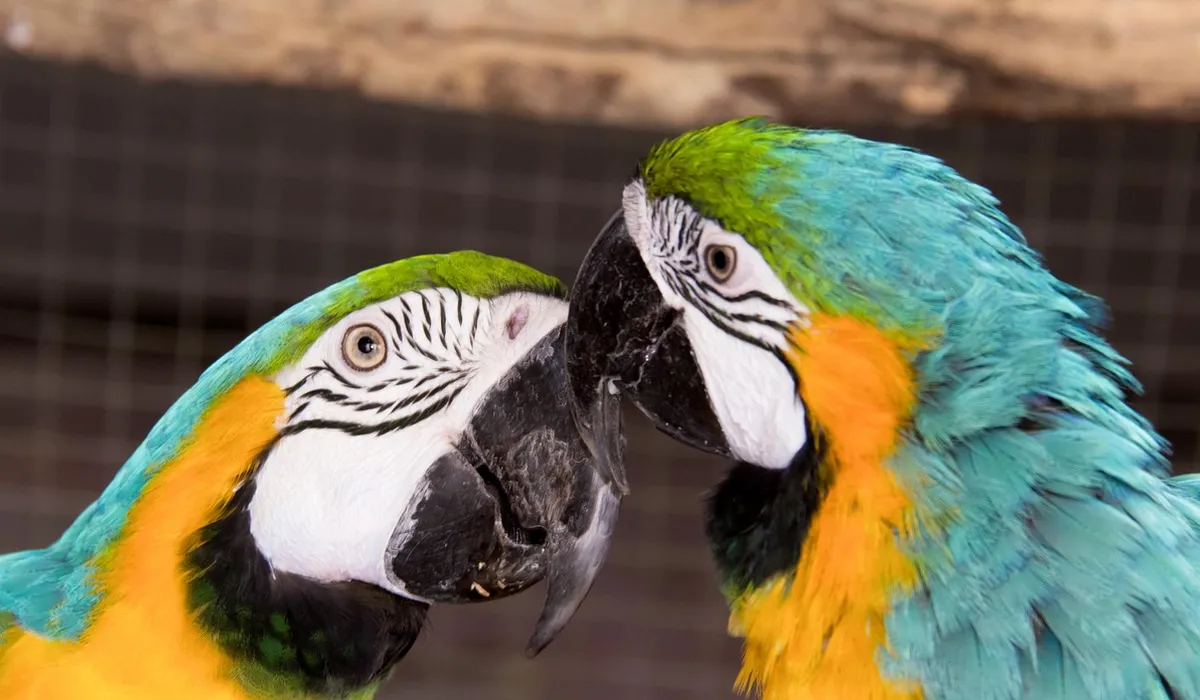
As your parrot grows older, their needs shift in ways that require your attention and love. Small tweaks to their daily life can transform their senior years into a time of comfort and connection. From my experience with Sage, my African Grey, I’ve learned that older birds thrive with gentle, consistent care – even if they’re not showing obvious signs of aging yet. Special care for aging birds can make all the difference.
Adjustments in Housing, Diet, and Social Interaction
Start by making their living space more accessible. Lower perches and ramps help reduce joint strain, making it easier for them to move around. I’ve seen this with older birds in aviaries; they appreciate cages with wider doors and softer flooring to prevent slips.
For diet, focus on nutrient-rich, easy-to-eat foods. Softer options like cooked sweet potatoes or mashed pellets support digestion and energy levels. With Sunny, my Sun Conure, I mix in extra fruits to keep meals appealing and hydrating.
Social interactions should become calmer and more predictable. Limit loud environments and offer quiet cuddle sessions to build trust without overwhelming them. Older parrots, like people, often prefer steady routines over sudden changes.
Senior Parrot Care Checklist
- Inspect the cage daily for hazards like loose wires or sharp edges.
- Provide a balanced diet with soft foods, vitamins, and fresh water.
- Schedule vet check-ups every six months to monitor health changes.
- Engage in low-energy play, such as gentle talking or puzzle toys.
- Maintain a clean environment to prevent infections and stress.
Sticking to this routine helps you spot issues early and keeps your bird feeling secure. I use a similar list for Kiwi, my Green-cheeked Conure, to ensure nothing slips through the cracks.
Cost Considerations and Quality of Life Improvements
Caring for a senior parrot often means higher expenses for specialized vet care and diets. Setting aside a budget for unexpected bills lets you focus on their well-being without financial worry. That’s also where pet insurance for parrots comes into play. A quick cost-benefit analysis can help you decide if the monthly premiums are worth the potential savings on emergencies and medications. I’ve found that planning ahead saves stress—like when Sage needed extra supplements.
Boost their quality of life with simple upgrades. Adding heated perches or quiet hideaways can make a huge difference in their daily happiness. Always advocate for animal welfare by choosing products that prioritize comfort over cost.
Choosing a Parrot with Lifespan in Mind
Picking a parrot means thinking about how many years they’ll share with you. Lifespan directly shapes your daily routine, future plans, and even who might care for your bird if you can’t. Adopting an older parrot, like one from a rescue, can be a beautiful act-it gives a wise, seasoned bird a loving home when they need it most.
I’ve welcomed older birds into my flock and found their settled personalities and past experiences make them incredibly special companions. Choosing a species with a shorter life might fit a busier lifestyle, while a long-lived parrot becomes a decades-long family member. Along with temperament, consider housing: pick a cage that fits the bird’s size and allows for safe movement and perching. Different species require specific cage dimensions and bar spacing to stay healthy and happy. Always consider your own life stage and stability before bringing a feathered friend home.
- Budgerigar (Budgie): Lifespan 5-10 years. Pros: Ideal for first-time owners, lower long-term cost, and less lifetime commitment. Cons: Bonding time is shorter, and their passing can come sooner than expected.
- Green-cheeked Conure: Lifespan 25-30 years. Pros: Playful and curious nature, like my Kiwi, offers years of interactive fun without the extreme longevity. Cons: Still a multi-decade responsibility that requires consistent training and socialization.
- Sun Conure: Lifespan 25-30 years. Pros: Social and affectionate birds, such as Sunny, bring vibrant energy and strong bonds. Cons: Their loud calls and need for daily attention mean they’re not suited for quiet or often-absent homes.
- African Grey Parrot: Lifespan 50-60 years. Pros: Incredibly smart and calm companions, like Sage, can learn and communicate for a lifetime. Cons: May outlive their owners, demanding careful estate planning and dedicated mental stimulation.
Commitment to a parrot goes beyond feeding and cleaning-it’s about emotional investment and adapting as they age. Regular vet check-ups, a balanced diet, and mental enrichment are non-negotiable for keeping your bird healthy and happy through the years. From my own flock, I’ve seen how even a 3-year-old conure like Kiwi needs daily play and learning to thrive.
Think about your future moves, job changes, or family additions when selecting a species. Parrots form deep attachments and can suffer from stress or neglect if their environment shifts unexpectedly. Advocating for animal welfare means only bringing home a bird if you’re ready for their entire lifespan, whatever it may be.
FAQs
What are some common myths about parrot lifespans?
Many people mistakenly believe that all parrots live for decades, but lifespans vary widely by species, with some small parrots having much shorter lives. Another myth is that captivity always shortens a parrot’s life, though proper care can often extend it beyond wild averages.
How does a parrot’s breeding history affect its lifespan?
Parrots from ethical breeders with health screenings often have fewer genetic issues and potentially longer lives. Birds from irresponsible breeding may inherit health problems that reduce their longevity and require more veterinary attention. When making the choice, many people consider adoption first to give a home to a bird in need. Adoption vs buying—assessing health history, behavior, and long-term commitments helps you decide the right path.
What is the oldest parrot ever recorded?
The oldest documented parrot was a Major Mitchell’s cockatoo named Cookie, who lived to 83 years at the Brookfield Zoo. Other species, like macaws, have also been reported to reach over 100 years with exceptional care.
How much does it cost to care for a parrot over its entire life?
Lifetime expenses for a parrot can range from $10,000 for smaller species to over $100,000 for larger ones, covering food, vet visits, and habitat needs. What follows is a complete parrot ownership cost breakdown from purchase through lifelong care. Use it to budget for every stage. This financial commitment underscores why prospective owners should budget carefully for the long term.
Can parrots live longer with alternative diets or supplements?
Supplements like calcium or vitamins may support health if advised by an avian vet, but they are not a substitute for a balanced diet. Overusing supplements can lead to toxicity, so always seek professional guidance for your bird’s nutrition.
In Closing
From my time with parrots like Kiwi, Sunny, and Sage, I’ve seen how their lifespans vary wildly—some birds outlive their owners, so picking a species that fits your life is step one. Choosing the right parrot means matching its needs to your home lifestyle—consider your daily routine, space, noise tolerance, and long-term commitment. Focus on a nutrient-rich diet, mental enrichment, and routine vet checks to help your parrot reach its full age potential.
Parrot ownership is a lifelong journey that asks for patience and a willingness to grow alongside your bird. Keep exploring new care tips and connect with fellow enthusiasts to ensure your parrot enjoys a healthy, happy home.
Further Reading & Sources
- How Long Do Parrots Live? | PetMD
- How Long Do Parrots Live?
- Friends for Life – Parrot Lifespans Explained – Johnston & Jeff
Suzanne Levine is a dedicated parrot enthusiast and experienced avian caregiver with over 15 years of hands-on experience in parrot care. As the founder of Parrot Care Central, Suzanne is passionate about sharing her knowledge and insights to help fellow parrot owners provide the best possible care for their feathered friends. Her expertise spans nutrition, behavior, health, and enrichment, making her a trusted resource in the parrot care community.
Health & Wellness