
What Are the Most Common Parrot Health Concerns? (A Complete Guide)
Published on: December 5, 2025 | Last Updated: December 5, 2025
Written By: Suzanne Levine
Seeing your parrot fluffed up, quiet, or picking at its feathers can send a wave of panic through any bird owner. I’ve been there myself, pacing the floor with my Green-cheeked Conure, Kiwi, when he wasn’t acting like his usual playful self.
You want to help, but you might not know where to start. I will help you spot the early warning signs and understand what they mean.
This guide will give you a clear picture of the biggest health threats to your feathered friend.
- Recognizing the subtle signs of illness before it’s an emergency.
- Identifying the root causes behind feather destruction and respiratory distress.
- Understanding how diet directly impacts your parrot’s long-term vitality.
You will walk away with practical, actionable advice you can use today.
We are covering: Nutritional Deficiencies, Respiratory Infections, Feather Plucking, Psittacosis, Beak and Nail Issues, Gastrointestinal Problems, Parasites, Obesity
Tummy Troubles: Digestive and Appetite Issues
Spotting digestive problems early can save your parrot from serious discomfort and prevent minor issues from becoming emergencies.
Watch for these key symptoms:
- Vomiting (forceful, undigested food)
- Regurgitation (gentle, purposeful bringing up food)
- Complete loss of appetite
- Watery or unusually colored droppings
- Lethargy and fluffed-up feathers
If your bird shows any of these signs, your first step is to keep them warm and stress-free while you assess the situation.
Vomiting and Regurgitation
Many owners confuse these two behaviors, but they signal very different things.
Regurgitation is a natural, often affectionate act.
- My conure, Kiwi, will gently bob his head and bring up a bit of food as a gift.
- The food is usually undigested and not projectile.
Vomiting is a medical red flag.
- The action is violent and uncontrolled.
- Food is often partially digested and can be flung some distance.
- Your bird will appear distressed and might shake its head.
Immediate home care involves removing any potential dietary triggers and ensuring your bird is in a quiet, warm environment.
Common causes of vomiting include:
- Ingestion of a toxic substance
- Sudden diet change
- Internal infection or blockage
Loss of Appetite and Dehydration
A parrot that stops eating is a major concern.
Their high metabolisms mean they can’t go long without fuel.
Reasons for appetite loss range from stress and boredom to serious illness.
I learned this when my sun conure, Sunny, refused his favorite berries after a house move.
To stimulate appetite:
- Offer warm, soft, familiar foods like cooked sweet potato or oatmeal.
- Hand-feed small, tempting morsels to build trust.
- Ensure the food and water dishes are in a safe, accessible spot.
Dehydration goes hand-in-hand with not eating.
Check for it by gently pinching the skin over the chest.
- If the skin doesn’t snap back quickly, your bird is likely dehydrated.
- Sunken eyes and dry mucous membranes are other tell-tale signs.
You can encourage hydration by offering watery fruits like cucumber or melon, or by using a small syringe to drip water onto the side of the beak.
Seek veterinary care immediately if appetite loss lasts more than 24 hours or is paired with other symptoms like lethargy or vomiting.
Breathing Battles: Respiratory and Eye Infections
Respiratory issues in parrots are often stealthy but can become critical with frightening speed.
Watch for this cluster of symptoms:
- Red, swollen, or weepy eyes
- Wheezing, clicking, or labored breathing
- Nasal discharge or crusty nostrils
- Sneezing or tail bobbing with each breath
My African Grey, Sage, once had a mild respiratory infection that escalated in just a few hours, teaching me never to wait with breathing problems.
Home care can offer temporary relief while you arrange a vet visit.
- Increase humidity with a bathroom steam session or a humidifier.
- Ensure the cage is in a draft-free, warm area.
- Remove any potential airborne irritants like aerosols or scented candles.
Eye Redness and Discharge
Red, irritated eyes can point to several problems.
Potential causes include:
- Bacterial or viral conjunctivitis
- A scratch from a toy or cage mate
- Dust or chemical irritant in the environment
- Symptom of a broader systemic infection
For mild irritation, you can gently clean the area with a saline-soaked cotton ball, wiping from the inner corner outward.
Never use human eye drops or other medications without explicit veterinary instruction.
Warning signs that demand a vet visit include swelling, pus-like discharge, or if the bird is keeping the eye closed.
Respiratory Distress
This is a true emergency.
Signs of respiratory distress are unmistakable.
- Audible wheezing, clicking, or gasping sounds
- Open-mouth breathing while at rest
- A pronounced “tail bob” where the tail moves up and down with each labored breath
- Discharge from the nares (nostrils)
Respiratory problems rarely resolve on their own and often require prescription antibiotics or antifungals.
Prompt veterinary attention is non-negotiable for any breathing abnormality.
Feather Fiascos: Skin and Plumage Problems
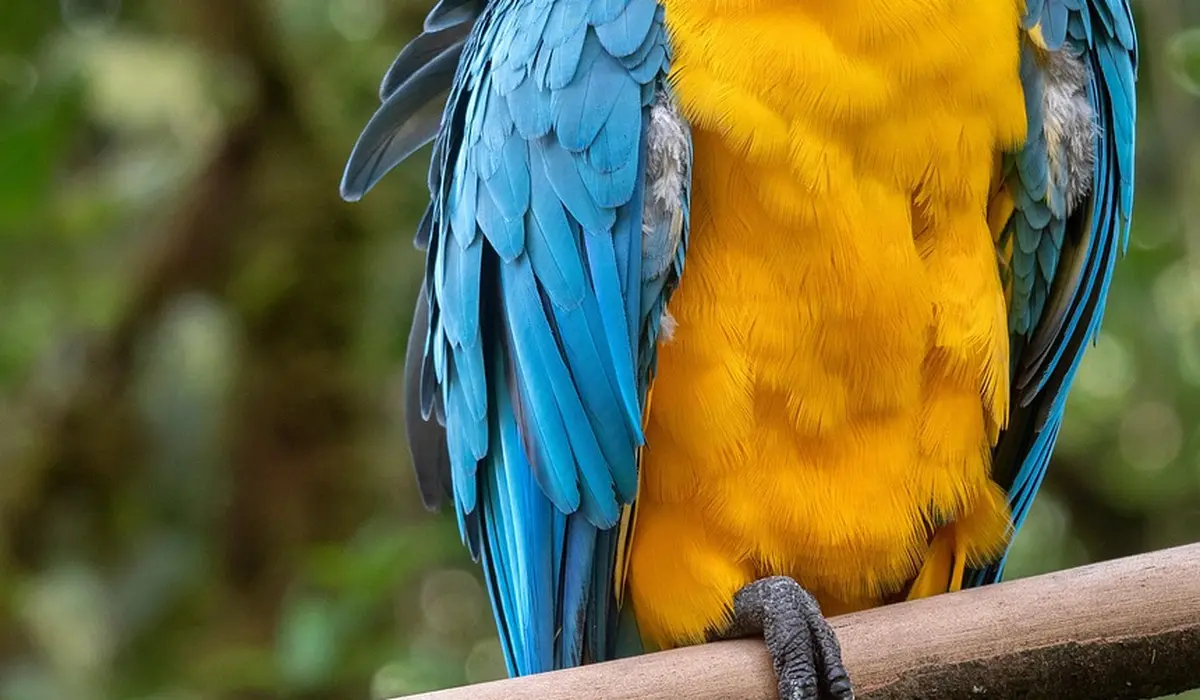
Feathers are your parrot’s pride and joy, but issues like plucking, mites, and skin irritations can turn their vibrant coat into a source of stress. If you’re trying to stop your parrot from plucking its feathers, early detection of triggers is key. Nurturing a stimulating, low-stress environment can help prevent plucking from escalating. Spotting changes early can prevent minor problems from becoming major health crises.
- Feather plucking often stems from boredom or hidden medical issues, so observe your bird’s behavior closely.
- Mites cause intense itching and feather loss, but regular vet checks keep these pests at bay.
- Skin conditions, such as dryness or infections, thrive in dirty environments-clean cages are a must.
Prevention starts with a balanced diet, mental stimulation, and routine health exams. If your parrot shows persistent scratching or bald patches, seek veterinary help immediately to rule out serious causes.
I’ve dealt with feather troubles firsthand; when Kiwi began over-preening, adding more interactive toys stopped the habit cold. Small adjustments in daily care can make a huge difference in your bird’s comfort and happiness.
Feather Plucking and Self-Mutilation
This behavior is heartbreaking to watch and often signals deeper issues. Understanding the root cause is key to helping your parrot heal. In the ultimate parrot problem diagnostic guide, you’ll find a step-by-step troubleshooting checklist to guide your next steps. It’s practical and easy to follow.
- Behavioral causes include loneliness, stress from loud noises, or lack of enrichment-parrots are social creatures who crave engagement.
- Medical causes range from skin infections and allergies to internal diseases, so a vet visit is non-negotiable for accurate diagnosis.
Reduce stress with enrichment like foraging puzzles or supervised out-of-cage time. Rotating toys weekly keeps their environment fresh and exciting, cutting down on boredom-induced plucking.
With Sage, I introduced shreddable toys that mimicked natural behaviors, and her feather condition improved dramatically. Always prioritize your parrot’s mental well-being alongside physical health.
Mites and Skin Infections
These pests and infections can sneak up fast, causing discomfort and damage. Early detection means quicker relief for your feathered friend.
- Symptoms include constant scratching, red or swollen skin, and patchy feather loss-don’t ignore these signs.
- Treatment options involve vet-prescribed medications, such as topical solutions or oral drugs, tailored to the specific issue.
Clean habitats are your first line of defense. Regularly disinfect cages and perches to eliminate mites and bacteria that trigger skin problems.
When Sunny developed a mild rash, switching to natural perches and daily cleaning cleared it up in days. Proactive care saves you and your parrot from unnecessary stress and vet bills.
Parasite Patrol: Dealing with Infestations
Parasites are unwelcome guests that can seriously impact your parrot’s quality of life. I’ve learned from my own flock that catching these critters early makes all the difference in a quick and successful recovery. A big part of prevention is cleaning and sanitizing your parrot’s cage, toys, and perches safely. This complete guide will walk you through safe cleaning practices to protect your bird’s environment and reduce parasite risks. We’ll cover the main culprits, from itchy mites to internal worms, and give you a clear action plan.
- Types: External parasites include mites and lice, while internal ones are often various worms.
- Symptoms: Watch for excessive scratching, feather damage, weight loss, or changes in droppings.
- Prevention: Maintain a strict cage cleaning routine, quarantine new birds, and provide a balanced diet to support a strong immune system.
- Treatment: Always involves a precise diagnosis from an avian vet, followed by prescribed medication.
- Check-ups: I schedule wellness visits for my birds twice a year; this proactive habit has helped us catch minor issues before they became major problems.
External Parasites
These tiny pests live on your bird’s skin and feathers, causing immense discomfort. My green-cheek conure, Kiwi, once had a scare with mites, and the constant scratching was heartbreaking to watch. Here’s how to spot and stop them.
- Spotting Them: Look for tiny moving dots (especially around the vent, face, or legs), crusty skin, chewed-looking feathers, or a restless bird.
- Treating Them: Your vet will provide a safe avian-specific spray or ointment. Never use over-the-counter products meant for other animals, as they can be toxic to parrots.
- Safe Cleaning: Remove your bird and thoroughly scrub the cage with a diluted vinegar solution or a vet-recommended disinfectant. Wash all perches, toys, and food bowls in hot, soapy water.
Internal Parasites
These parasites live inside your parrot’s digestive tract, silently sapping their nutrients. A sudden drop in my sun conure Sunny’s weight was our first clue to an internal issue, which taught me to be hyper-vigilant about subtle changes.
- Signs to Watch For: Unexplained weight loss, lethargy, a swollen abdomen, diarrhea, or dull, ragged feathers despite a good diet.
- Vet Diagnosis is Essential: A fecal exam performed by your avian vet is the only way to confirm the type of worm and get the correct medication. Guessing can do more harm than good.
- Medication and Follow-up: Treatment usually involves a dewormer given orally for a specific period. A follow-up fecal test is often needed to ensure the parasites are completely gone.
Diet Dilemmas: Nutritional and Metabolic Health
I’ve seen too many parrots suffer from preventable diet-related illnesses. Getting their nutrition right is the single most impactful thing you can do for their long-term health. Here are general parrot dietary guidelines to keep in mind as you plan meals for your bird. A balanced diet includes variety, fresh produce, and appropriate portions.
Addressing obesity, vitamin gaps, and metabolic issues requires a proactive approach.
- Obesity often stems from a seed-only diet, leading to fatty liver disease and joint stress.
- Vitamin deficiencies, especially Vitamin A, weaken immune systems and affect vision.
- Metabolic disorders can cause erratic energy levels and poor feather quality.
Providing guidance on balanced diets means moving beyond simple mixes.
- Aim for a base of high-quality pellets, making up about 60-70% of their diet.
- Fresh vegetables and some fruits should compose the remaining portion.
- Use supplements only under direct veterinary guidance to avoid dangerous overdoses.
Sharing personal stories, my Green-cheeked Conure, Kiwi, had dull feathers and low energy. Switching him to a veggie-rich pellet diet transformed his vitality within weeks. His playful curiosity returned, a clear sign his body was finally getting what it needed.
Obesity and Fatty Liver Disease
An overweight parrot is a parrot at risk. Fatty liver disease is a silent killer, often going unnoticed until it’s advanced.
Explain the risks clearly. Excess fat stored in the liver impairs its function, leading to lethargy, labored breathing, and even sudden death.
Managing weight is a two-part mission: diet and exercise.
- Replace high-fat seeds with measured portions of pellets and fresh foods.
- Encourage daily flight or climbing in a safe, bird-proofed room.
- Use foraging toys to make them work for their food, mimicking natural behavior.
List healthy food options that are low in fat but high in nutrients.
- Leafy greens like kale, spinach, and Swiss chard.
- Crunchy vegetables such as bell peppers, broccoli, and carrots.
- Limited portions of whole grains like cooked quinoa or brown rice.
Portion control is non-negotiable. I weigh Kiwi’s food every morning to ensure he gets just the right amount, preventing him from overeating.
Vitamin Deficiencies
Vitamins are the tiny keys that unlock your parrot’s health. A lack of Vitamin A is one of the most common and dangerous deficiencies I encounter.
Focus on common issues. Without enough Vitamin A, a parrot’s respiratory and digestive tracts become vulnerable to infection. Their skin and feathers can also suffer. Humidity control for parrots is essential for a parrot’s respiratory and feather health. Proper moisture levels help keep airways clear and feathers resilient.
Look for these signs of imbalance.
- White spots on the beak or nails.
- Swellings around the eyes or nostrils.
- Poor feather quality or constant fluffing.
Suggest dietary sources packed with this essential vitamin.
- Sweet potatoes and carrots are fantastic, rich sources.
- Dark leafy greens like dandelion greens and collard greens.
- Mango and papaya as occasional, tasty treats.
My Sun Conure, Sunny, used to have brittle feathers. Introducing chopped sweet potato into his daily meals made his plumage radiant and strong again. It was a simple fix with a dramatic result.
Behavior Clues: Interpreting Your Parrot’s Health
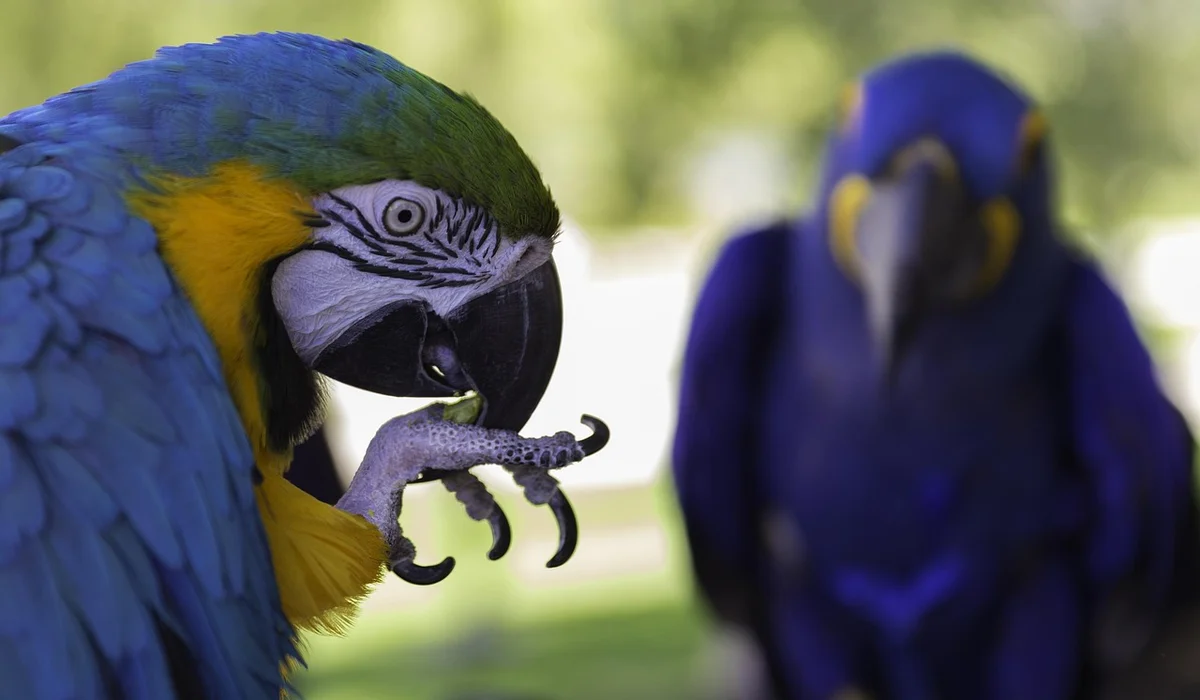
Your parrot’s daily antics are a live feed into their well-being. I’ve learned that sudden shifts in personality are rarely just a “mood” and almost always a message. My green-cheeked conure, Kiwi, once went from a playful acrobat to a quiet observer overnight, which was my first clue to a brewing respiratory issue.
- A typically chatty bird like my sun conure, Sunny, falling silent can signal anything from stress to pain.
- Uncharacteristic aggression, like biting when approached, often means “I don’t feel good” rather than “I’m angry.”
- Repetitive, odd habits like pacing or feather-destructive behavior point directly to underlying physical or mental distress.
Monitoring your parrot means establishing a baseline for their normal “busy-ness” and vocalizations so you can spot deviations instantly. Act the moment you see a combination of symptoms or a single severe change lasting more than 24 hours.
Lethargy and Activity Changes
When a parrot that usually tears through toys starts sitting fluffed at the cage bottom, it’s a major red flag. Reduced movement is one of the most common signs of illness because parrots instinctively hide weakness to avoid appearing vulnerable.
- A sleepy, inactive parrot that refuses favorite treats or ignores your arrival needs immediate attention.
- Encourage gentle activity with short, supervised out-of-cage time and new foraging puzzles to stimulate their mind and body.
- Worry when lethargy is paired with closed eyes, labored breathing, or a loss of balance-this is a vet emergency.
Stress-Related Behaviors
Your parrot’s environment directly dictates their physical health. Chronic stress from a poor living situation can suppress their immune system, making them susceptible to infections and disease, especially when combined with environmental toxins or other household dangers. I noticed my African Grey, Sage, started plucking feathers when her cage was moved to a busier part of the house.
- Loud, unpredictable noises, lack of routine, or insufficient sleep can trigger stress bars on feathers and digestive issues.
- Provide enrichment by rotating toys weekly, offering destructible wood blocks, and creating foraging opportunities with hidden snacks.
- Promote mental well-being with training sessions for 10-15 minutes daily; this builds trust and gives their brain a healthy workout.
Vet Visits: When to Seek Professional Help
Recognizing when your parrot needs a vet is a skill every owner must develop. I learned this the hard way when my Green-cheeked Conure, Kiwi, suddenly became lethargic and stopped playing with his favorite toys. Birds are masters at hiding illness, so any noticeable change in behavior warrants attention.
Emergency Symptoms
Some symptoms scream “emergency” and cannot wait. If your parrot shows any of these signs, contact an avian vet immediately-every minute counts. From my own scares, I keep this list on my fridge for quick reference.
- Labored breathing, wheezing, or open-mouthed breathing
- Severe, repeated vomiting (not just regurgitation)
- Bleeding that doesn’t stop within five minutes
- Inability to perch or stand, falling off perch
- Seizures, fainting, or complete loss of balance
- Swollen eyes or discharge from eyes/nostrils
- Exposure to toxic fumes or suspected poisoning
My Sun Conure, Sunny, once got into some household cleaner fumes and started breathing heavily. Rushing her to the emergency clinic that night absolutely saved her life. Trust your gut-you know your bird best.
Preventive Care and Quarantine
Regular vet visits are your first line of defense against serious health issues. I schedule wellness checks for all my parrots twice a year, just like clockwork. This routine helps catch problems early, often before symptoms even appear to you at home.
When I brought home Sage, my African Grey, I made a rookie mistake and almost introduced her directly to my other birds. Quarantining new birds for at least 30-45 days in a separate room is non-negotiable for preventing disease spread. This isolation period lets you monitor their health and get them vet-checked before they meet the flock.
- Annual or bi-annual wellness exams with an avian specialist
- Regular weight monitoring at home to track changes
- Blood tests and fecal exams during check-ups
- Beak, wing, and nail trims as needed by a professional
- Keeping a dedicated quarantine space for all new arrivals
Establishing these habits has kept my flock healthier and my vet bills lower. Prevention truly is cheaper-and less heartbreaking-than treatment. Your vet becomes your partner in your parrot’s long-term wellbeing. Understanding the common causes of sudden death in parrots—such as infections, toxins, and heart or metabolic issues—helps us focus on prevention. By staying vigilant with nutrition, a clean environment, and regular vet checkups, you can further reduce these risks.
FAQs
What are the most common beak and nail issues in parrots?
Overgrown beaks and nails are frequent problems that can lead to eating difficulties or injuries. Regular monitoring and professional trimming help maintain proper length and health.
How can I protect my parrot from Psittacosis?
Psittacosis is a bacterial infection spread through contaminated droppings or dust, so maintaining clean cages and avoiding overcrowding reduces risk. Annual vet check-ups and quarantining new birds are key preventive measures.
What is the ideal temperature and humidity for a parrot’s health?
Most parrots do best in temperatures around 65-80°F (18-27°C) and humidity levels of 50-60% to support respiratory and skin health. Use a hygrometer to monitor conditions and avoid drafts or sudden changes that can cause stress. This is the ideal temperature range for most pet parrots. Keeping within it helps ensure comfort and long-term health.
In Closing
From my time with parrots like Kiwi and Sunny, I’ve seen that staying ahead of health issues means watching their diet and behavior closely. Regular vet check-ups and a balanced mix of pellets, fresh foods, and clean water are your best tools to avoid common problems. Being aware of common parrot feeding mistakes helps you avoid them. Notice small changes early to keep them vibrant and active.
Parrot ownership is a lifelong journey that demands dedication and a willingness to grow. Choosing the right parrot for your home lifestyle is a key first step. Think about space, routine, and noise tolerance to match the bird to your life. Embrace ongoing learning through books, communities, and vet advice to ensure your feathered friend thrives in a loving home. Always prioritize their comfort and speak up for animal welfare in your daily choices.
Further Reading & Sources
- Common Diseases of Parrots – The Parrot Society UK
- Common Conditions of Pet Birds | VCA Animal Hospitals
- A Guide to Common Parrot Welfare Issues and Parrot Illnesses – Johnston & Jeff
Suzanne Levine is a dedicated parrot enthusiast and experienced avian caregiver with over 15 years of hands-on experience in parrot care. As the founder of Parrot Care Central, Suzanne is passionate about sharing her knowledge and insights to help fellow parrot owners provide the best possible care for their feathered friends. Her expertise spans nutrition, behavior, health, and enrichment, making her a trusted resource in the parrot care community.
Health & Wellness