
How to Safely Ship a Parrot: A Complete Guide
Shipping a parrot can be nerve-wracking, especially when you’re worried about their stress levels and safety during the trip.
I’ve personally shipped my parrots, like Kiwi and Sunny, and know that with the right steps, it can be a smooth experience. This guide breaks down everything into easy-to-follow advice to keep your feathered friend secure and calm.
We’ll dive into three main takeaways:
- Selecting a safe and comfortable carrier tailored to your parrot
- Prepping your bird and handling legal requirements without hassle
- Managing the shipping process to minimize risks and ensure welfare
You’ll walk away with clear, actionable steps. Covered topics: preparation, carrier choice, shipping methods, legal docs, arrival care.
Getting Started with Parrot Shipping
Life sometimes requires us to move our feathered family members across cities or countries. Whether you’re relocating for a new job or ensuring a parrot finds a better home, shipping is a reality many owners face.
I’ve personally shipped my Green-cheeked Conure, Kiwi, during a cross-country move. The planning felt overwhelming at first, but seeing him arrive safe and chirpy made every careful step worthwhile.
Proper planning transforms a potentially traumatic journey into a manageable trip. Rushing this process increases risks like stress-induced illness or escape, so always prioritize your bird’s wellbeing over speed.
Common Reasons for Shipping Parrots
- Relocation: Moving homes, often for work or family.
- Breeding Programs: Transporting birds to support genetic diversity in aviculture.
- Adoption/Rehoming: Ensuring a parrot finds a suitable, loving environment when an owner can no longer provide care.
Every reason should center on the parrot’s welfare, not human convenience. I once helped rehome an older African Grey; the process was lengthy, but his quality of life improved dramatically.
Key Safety Principles
- Schedule a pre-shipping veterinary examination to confirm your bird is travel-fit.
- Use an airline-approved, secure travel crate-never a standard birdcage.
- Manage stress by maintaining familiar routines as long as possible before the trip.
Think of it like planning a long trip for a young child. You’d pack their favorite snacks, ensure their comfort, and double-check every safety measure—your parrot deserves the same meticulous care. These are essential steps when traveling with your parrot. Following them helps ensure a safe, smooth journey for both of you.
Legal Paperwork and Health Checks
Shipping a parrot isn’t just about booking a flight; it involves navigating legal requirements that vary by region. Failure to comply can result in your bird being quarantined or refused entry.
Documents like health certificates and permits are non-negotiable. I learned this the hard way when paperwork delays almost postponed Kiwi’s move.
A vet visit before travel is your first line of defense. This check-up ensures your parrot is healthy enough to handle the journey’s stresses. During the visit, handle your parrot calmly to reduce stress. Your vet can guide you on the best way to hold and soothe your parrot during the exam.
Essential Documents for Parrot Shipping
- Health Certificate: Issued by an accredited vet, usually within 10 days of travel.
- CITES Permits: Required for species listed under the Convention on International Trade in Endangered Species, like many parrots.
- Airline-Specific Forms: Each carrier has unique requirements for live animal transport.
You can obtain these from your veterinarian, national wildlife authorities, or directly from airline websites. Start this process early-some permits take weeks to arrive.
Veterinary Preparation
Vaccinations and health checks are tailored to your parrot’s species and destination. Common checks include tests for avian influenza and psittacosis, both for your bird’s safety and public health.
Age and species matter immensely. Very young, old, or medically fragile birds often aren’t suitable candidates for shipping. My Sun Conure, Sunny, was deemed too stressed for air travel during her molting period, so we postponed.
Pre-Travel Vet Visit Steps
- Schedule the appointment at least two weeks before your planned shipping date.
- Discuss travel stress management with your vet-they may recommend calming supplements or strategies.
- Obtain a signed health clearance form stating your parrot is fit for transport.
Advocating for animal welfare means never shipping a bird that isn’t physically and mentally prepared for the journey. This extra step protects your parrot from unnecessary suffering.
Picking the Perfect Travel Crate
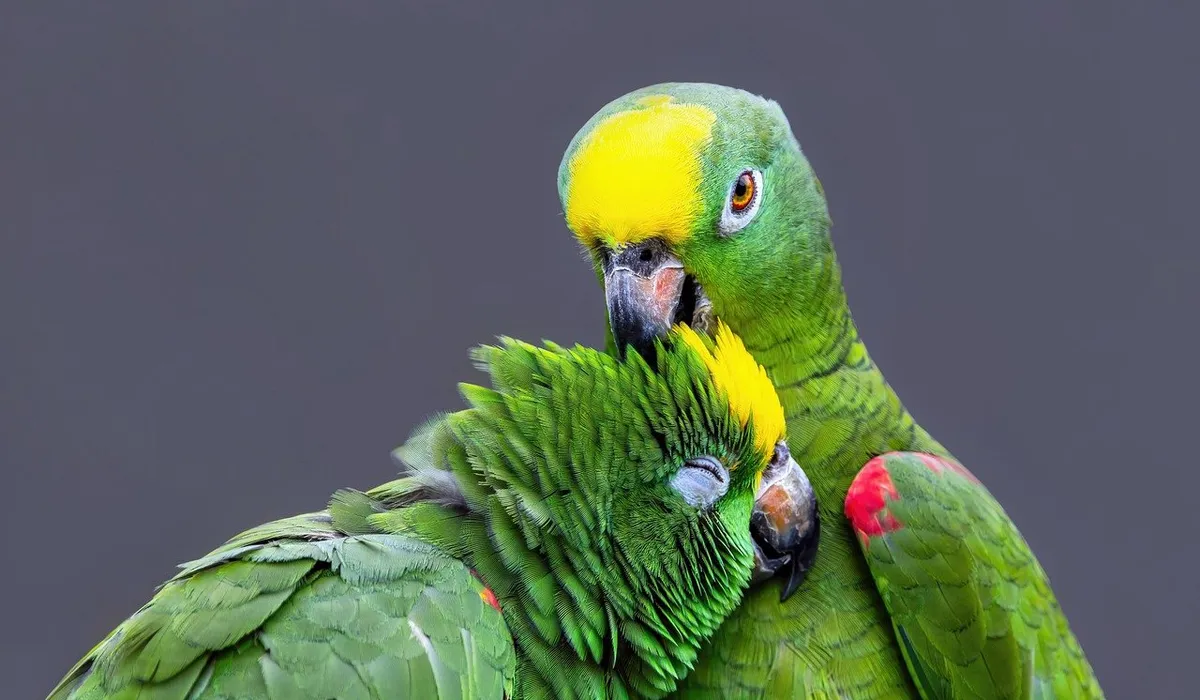
The right travel crate is your parrot’s mobile fortress, and choosing an airline-approved carrier is your first and most critical step. I learned this the hard way when a flimsy crate nearly led to an escape attempt with my Green-cheeked Conure, Kiwi.
Crate Requirements and Labeling
Getting the dimensions right is non-negotiable for your parrot’s safety and comfort during transit.
- Small Parrots (like budgies or lovebirds): Minimum 18″ L x 12″ W x 12″ H. They need enough room to turn around comfortably without being tossed.
- Medium Parrots (like conures or caiques): Aim for 24″ L x 16″ W x 16″ H. This was the perfect size for Kiwi, giving him space for a small perch.
- Large Parrots (like greys or amazons): Require 30″ L x 20″ W x 20″ H or larger. My African Grey, Sage, needs this extra space to feel secure.
Labeling is your direct line of communication to baggage handlers, so make it impossible to miss. Use bold, permanent markers or large printed labels.
- Mark “LIVE ANIMAL” and “THIS SIDE UP” on at least two sides of the crate.
- Include your name, phone number, and final destination address.
- Attach a clear bag of food and feeding instructions to the outside.
- Always check your specific airline’s website for their unique live animal policy document; rules can vary dramatically.
Features for Comfort and Safety
A secure crate has more than just four walls; it’s designed with a parrot’s specific needs and behaviors in mind.
- Secure Locks: Choose crates with metal, spring-loaded locks. Simple latches are no match for a determined beak.
- Ventilation: Look for metal grating on at least three sides. Plastic mesh can be chewed through in minutes.
- Easy Cleaning: A removable plastic tray at the bottom is essential for quick clean-ups of any messes.
- Perch-Safe Design: Ensure any internal perch is low and sturdy, preventing your bird from being thrown against the top during turbulence.
Never let the travel day be the first time your parrot sees their crate; acclimation is the key to a calm journey. A scared bird is a dangerous situation for everyone involved.
Acclimation Techniques
Turning the crate into a safe, familiar space takes patience and positive reinforcement. With my sun conure, Sunny, it took a full two weeks of gradual introduction.
- Place the open crate in your parrot’s favorite room for a few days. Let them explore it on their own terms.
- Place their favorite treats and toys inside to build positive associations. I used millet sprays for Kiwi.
- Once they are comfortable going in, start closing the door for short periods-just 30 seconds at first-while you are right there.
- Slowly increase the time the door is closed, and then practice carrying the crate around the house for a few minutes.
- Always reward calm behavior with praise and a small, healthy treat. This process taught Sunny that the crate wasn’t something to fear.
Prepping Your Parrot for the Trip
Physical preparation is just as important as the right equipment, and it starts with what goes into your bird’s body. A well-fueled parrot handles stress far better than a hungry or dehydrated one.
Feeding and Hydration Do’s and Don’ts
Strategic feeding and watering can prevent a mid-flight disaster and keep your parrot stable.
- Do provide a high-water content meal 2-3 hours before travel. I offer cucumber slices and orange segments.
- Do attach a drip-free water source to the crate door, like a hamster bottle, and train your bird to use it weeks in advance.
- Don’t overfeed right before the trip. A full crop can lead to regurgitation and discomfort.
- Don’t use an open water bowl. It will spill, soak your bird, and create a dangerously cold environment.
- Do pack their regular dry food in the attached bag for airline staff to offer during long layovers.
Managing Environmental Factors
Parrots are extremely sensitive to temperature, and managing their climate is a matter of life and death. They handle cold far better than heat. For most pet parrots, the ideal range is roughly 65–80°F (18–27°C) with steady conditions, avoiding sudden changes. Keeping this range helps protect their health and well-being.
- Keep the ambient temperature between 65°F and 75°F (18°C – 24°C). Use a small digital thermometer inside the crate to monitor.
- Never leave the crate in direct sunlight or a parked car, even for a minute. Heatstroke can happen terrifyingly fast.
- Drape a light, breathable cloth over part of the crate to create a sense of security and block overwhelming visual stimuli.
- Speak to your bird in a calm, soothing voice during handling. Avoid sudden movements or loud noises near the crate.
- Inform airline staff that your parrot is a live animal that requires a temperature-controlled environment from check-in to pickup.
During Transit: Safety and Comfort
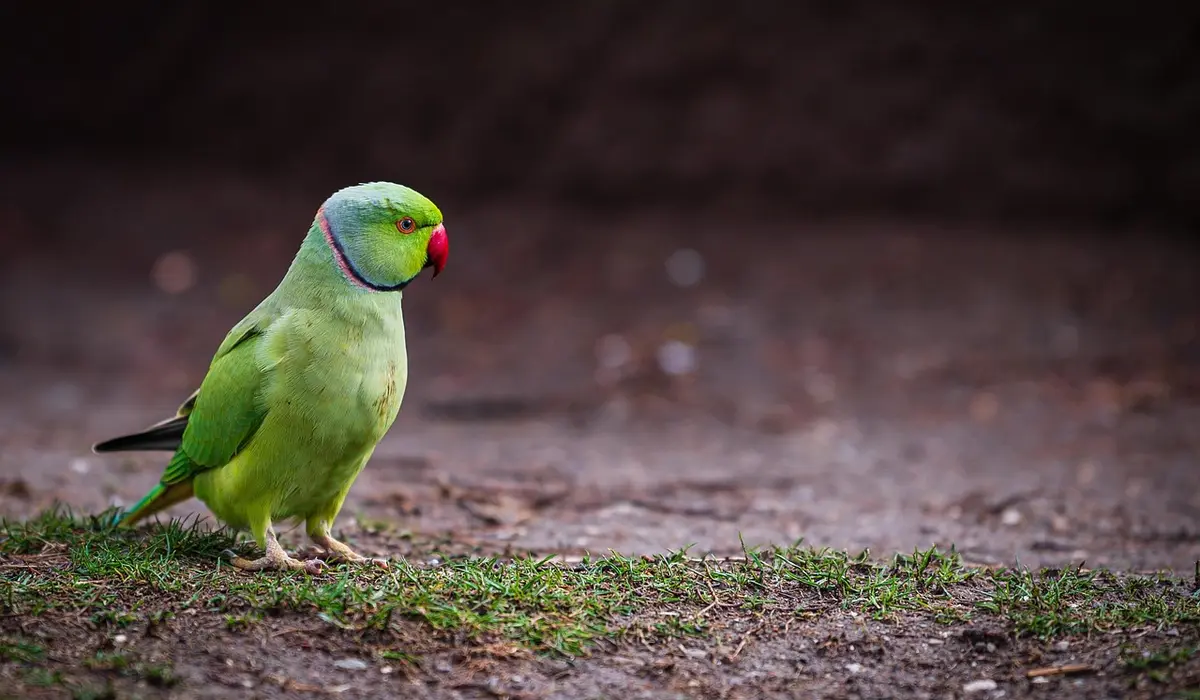
Keeping your parrot safe and calm during shipping is my top priority based on years of handling birds like my playful Green-cheeked Conure, Kiwi. Always choose carriers that specialize in live animal transport to reduce stress and ensure proper ventilation and temperature control. I’ve found that familiar sounds or a soft cloth in the crate can soothe parrots, mimicking their home environment. Additionally, you can teach your parrot to accept towel-based handling as a safe, stress-free way to manage them during grooming or vet visits. Start with short, gentle towel contact paired with rewards so your bird learns that towel handling equals positive outcomes.
Tracking your parrot’s journey lets you stay informed every step of the way. Most airlines provide real-time updates, so you can monitor flight status and layovers without constant worry. For instance, when Sunny, my Sun Conure, traveled, I used airline apps to check in frequently and felt more at ease.
Airline travel with pets requires careful planning to avoid mishaps. Book direct flights whenever possible to minimize handling and exposure to new environments. I always double-check airline policies on animal carriers and health certificates to prevent last-minute surprises.
Handling Layovers and Transfers
Layovers can be tricky, but coordination is key to a smooth experience. Work closely with the carrier to confirm transfer details and request minimal handling to keep your parrot undisturbed. Make sure your parrot is comfortable in a reliable travel cage. From my experience, delays happen, so I pack extra food and water in accessible pouches.
- Coordinate with the shipping company to confirm layover procedures and staff training.
- Ensure the crate is clearly labeled with handling instructions to reduce stress.
- Have a backup plan for extended delays, like contacting a local vet or pet sitter.
Contingency plans save the day when flights get off schedule. Keep a list of emergency contacts, including the airline and a vet near the layover location, ready to act fast. Once, Sage’s flight was delayed, and having a plan helped me arrange a quiet rest area through the carrier.
Tracking and Communication
Staying connected during transit gives you peace of mind. Use tracking numbers provided by the carrier to follow your parrot’s route and estimated arrival times. I set up alerts on my phone for any changes, which came in handy when Kiwi’s flight had a minor reroute.
- Track shipments online or via carrier apps for real-time updates.
- Contact the airline directly if you notice unusual delays or lack of information.
- If sickness or other issues arise, notify the carrier immediately and request a vet check.
Problems like illness need quick action to protect your bird’s health. Have your vet’s number on speed dial and share it with the carrier for emergencies. It’s especially important when dealing with common health issues in different parrot species. In one case, a friend’s parrot showed signs of stress mid-flight, and prompt communication led to an on-ground vet visit that prevented worse outcomes.
Emergency Response Plan
An emergency plan ensures you’re prepared for the unexpected. Start by contacting your avian vet for advice and informing the carrier about any health concerns right away. I always keep a small kit with basics like water, food, and a first-aid supplies in the shipping crate.
- Contact your vet immediately if you suspect illness or injury during transit.
- Inform the shipping company to halt handling and seek professional help.
- Have emergency supplies ready, such as electrolyte solutions or calming aids.
Real-life examples show how this plan works in action. When Sunny once seemed lethargic after a layover, I called the vet, and they guided me through simple hydration steps until we could get help. This proactive approach can make all the difference in your parrot’s safety.
After the Journey: Arrival and Acclimation
Your parrot needs gentle care to recover from the trip and adjust to their new home. Focus on creating a quiet, stress-free space where they can decompress without loud noises or sudden movements. I’ve seen Kiwi perk up faster when I give him time alone in a familiar cage setup.
Monitoring health and behavior helps catch issues early. Watch for signs like feather fluffing, loss of appetite, or unusual vocalizations that might indicate stress or illness. After Sage’s first big move, I kept a daily log of his eating habits to ensure he was settling in well.
A gentle transition supports long-term well-being and bonding. Avoid overwhelming your parrot with new people or environments right away-let them set the pace for exploration. I always spend the first few days just sitting near the cage, talking softly to build trust.
Initial Care Steps
Start with simple actions to help your parrot feel secure after arrival. Place them in a quiet room with their cage, offer fresh food and water, and observe closely for any stress indicators. For a calm, scared, or stressed parrot, this steady routine can make the big transition easier. It helps them feel safe and start trusting you. When Sunny arrived, I noticed he was hesitant to eat, so I offered his favorite treats to encourage him.
- Set up a quiet environment away from household traffic and noise.
- Provide familiar food and water in easy-to-reach dishes.
- Observe for stress signs like panting, hiding, or reduced activity.
Personal recovery stories highlight the importance of patience. Kiwi took a full day to start playing again after a long flight, but with consistent quiet time, he was back to his curious self quickly. This gradual approach reduces the risk of long-term anxiety.
Long-Term Adjustment Tips
Ease your parrot back into their routine over several days or weeks. Gradually reintroduce regular feeding times, play sessions, and social interactions to build confidence. I found that mixing old routines with new elements helped Sage adapt without feeling rushed.
- Slowly reintroduce daily activities, starting with short, positive interactions.
- Incorporate familiar toys and perches to make the space feel like home.
- Seek vet help if you notice persistent issues like weight loss or behavioral changes.
Knowing when to get professional support is crucial for your parrot’s health. If your bird shows prolonged signs of stress or refuses to eat after a couple of days, contact an avian vet for a check-up. In my experience, early intervention prevented minor issues from becoming serious health problems for my flock. Behavioral changes—such as persistent screaming, feather-picking, or aggression—can indicate stress or health issues. When such behaviors persist, seek guidance from an avian vet or behaviorist.
FAQs
How much does shipping a parrot typically cost?
Costs vary by distance, airline, and services, with domestic shipping often ranging from $100 to $500. International shipments can exceed $1000 due to extra fees like permits and customs.
Are there restrictions on shipping certain parrot species or age?
Yes, endangered species like African Greys need CITES permits, and very young or old parrots may be unfit for travel due to stress risks. International travel regulations for pet parrots often require export and import permits, health certificates, and sometimes quarantine. Check both origin and destination requirements well in advance. Always verify with airlines and wildlife authorities for specific rules.
How long does it typically take to ship a parrot domestically or internationally?
Domestic shipping usually takes 1-3 days, while international can range from 3-10 days depending on customs and layovers. Booking direct flights minimizes delays and keeps your parrot safer.
Closing the Loop
Shipping your parrot safely boils down to three pillars: Always select a professional avian shipper, never settle for a standard pet carrier, and prepare a detailed travel kit with food and familiar items. This careful planning minimizes stress and ensures your feathered friend arrives healthy and secure. Equally important is making sure you have all the necessary health certifications and documents for parrot travel.
Being a parrot guardian means committing to their lifelong well-being, which includes mastering situations like safe travel. Keep educating yourself on parrot care; their complex needs are a journey of continuous learning and deep compassion.
Further Reading & Sources
- Air Travel Guide to Shipping Birds
- Shipping Birds: Feathers, Beaks and a Whole Lotta Paperwork | PetRelocation
- USPS approved Parrot Shipping Box | Parrotlets Forum : TalkParrotlets
Suzanne Levine is a dedicated parrot enthusiast and experienced avian caregiver with over 15 years of hands-on experience in parrot care. As the founder of Parrot Care Central, Suzanne is passionate about sharing her knowledge and insights to help fellow parrot owners provide the best possible care for their feathered friends. Her expertise spans nutrition, behavior, health, and enrichment, making her a trusted resource in the parrot care community.
Carrier Selection