
Where to Find Parrots in Different Countries
Finding parrots in the wild can feel like searching for a feathered needle in a global haystack, leaving you wondering where to even begin your adventure.
I’ve spent years traveling to observe these incredible birds, from the chattering flocks in Australia to the rare macaws in South America, and I’m here to guide you.
You will learn:
- The best countries and specific regions for spotting wild parrots.
- How to identify different species by their calls and colors.
- Ethical tips for observing parrots without disturbing their natural behavior.
You will get straightforward, practical advice for your next birding trip. We will explore locations across Australia, Costa Rica, Brazil, India, and South Africa, covering species like Scarlet Macaws, Sulfur-crested Cockatoos, and African Greys.
Parrot Hotspots in the Wild
When I travel, I always keep an eye out for parrots in their natural homes—it reminds me of my own feathered friends back home. Wild parrots thrive in tropical and subtropical regions across the globe, offering breathtaking sights for bird lovers. From dense rainforests to coastal areas, these hotspots are bursting with color and chatter. In rainforests, parrots often live high in the canopy where fruits, seeds, and flowers sustain them. They also use mid-levels and edges when traveling between feeding sites.
- South America: Brazil is a top spot, teeming with species like Scarlet Macaws and Blue-and-yellow Macaws. I once watched a flock in the Amazon; their vibrant reds and blues mirrored my Green-cheeked Conure Kiwi’s playful energy.
- Australia: Here, you’ll encounter Sulphur-crested Cockatoos and Rainbow Lorikeets. Their loud calls and social antics remind me of Sunny, my Sun Conure, who loves to mimic sounds.
- Southeast Asia: Indonesia hosts unique birds like Palm Cockatoos and Eclectus Parrots. Seeing them in the wild reinforced why we must protect their habitats from deforestation.
Spotting Parrots in North America
You don’t need to travel far to see parrots—North America has its own surprises. In the United States, states like Texas and Florida are prime locations for both wild sightings and pet ownership. I’ve visited Florida and spotted feral Monk Parakeets nesting in palm trees, a reminder of how adaptable these birds can be. Florida’s wild parrot populations have become a familiar feature of the state’s outdoor life. Observers continue to track how these flocks spread across cities and countryside.
- United States: Texas boasts wild Green Parakeets and Red-crowned Amazons, while Florida is famous for its introduced populations. Many of these birds are also popular pets, so always check local laws before considering adoption.
- Mexico: This country is rich with diversity, including Military Macaws and Yellow-headed Amazons. Observing them in their natural setting taught me the importance of supporting conservation efforts to keep wild populations healthy.
European Parrot Encounters
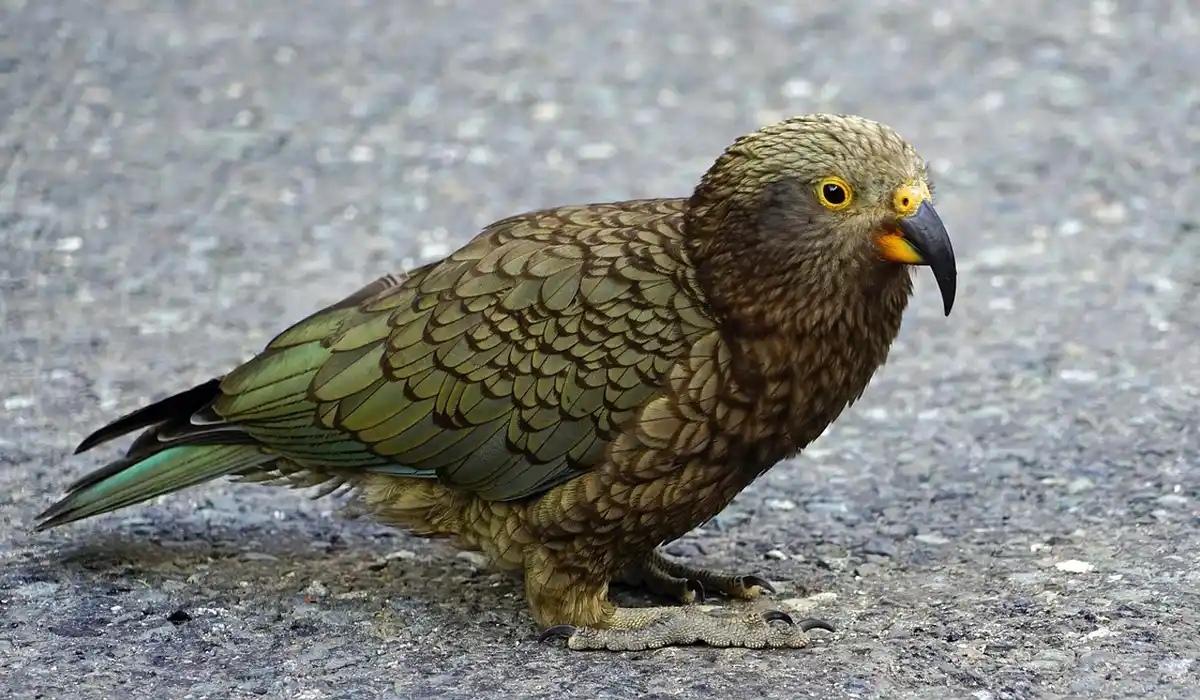
You might be surprised to find vibrant parrot flocks right in the heart of European cities. I’ve watched Monk Parakeets build massive nests in Rome’s historic parks, their green feathers popping against ancient ruins. These birds aren’t native; they’re introduced species that have adapted beautifully.
- Italy’s wild colonies, especially in Rome, feature Monk Parakeets and Ring-necked Parakeets thriving in urban areas.
- Other spots include Spain’s Barcelona with its feral parakeets and the UK’s London, where Rose-ringed Parakeets are a common sight.
- Europe has few native parrots, like the endangered Echo Parakeet in Mauritius, but most populations are introduced from the pet trade.
Seeing these parrots in the wild reminds me of my own Green-cheeked Conure, Kiwi, and how adaptable these birds can be. Always observe from a distance to avoid stressing the animals, as I’ve learned from my parrot care experience.
Asian Parrot Destinations
Asia offers a rich tapestry of parrot species, from bustling pet markets to lush forests. In Thailand, you’ll encounter species like the Eclectus Parrot in pet shops, but I advise caution due to mixed ethical standards. The availability varies, with some birds sourced from the wild, which raises welfare concerns.
- Thailand hosts parrots like Cockatoos and Lorikeets, often found in markets, but check for legal and humane sources.
- Japan’s pet culture embraces smaller parrots like Budgies and Lovebirds, with a focus on indoor companionship and specialized care.
- The Philippines is a hotspot for endemic species like the Philippine Cockatoo, while countries like Indonesia boast diverse wild populations.
My Sun Conure, Sunny, came from a responsible breeder, and I’ve seen how proper care makes a world of difference. Support local conservation efforts to protect these amazing birds in their natural habitats.
Finding Pet Parrots Responsibly
Bringing a parrot into your home should start with ethical choices to ensure their well-being. I always recommend adoption first, as my African Grey, Sage, was a rescue who taught me the value of second chances. When weighing adoption vs buying, consider the bird’s welfare and your ability to commit long-term. The right choice varies by situation, but adoption-first often aligns with better welfare. Look for breeders or centers that prioritize animal health over profit.
- Ethical breeders provide health records, allow facility visits, and focus on socialization, not mass production.
- Adoption centers, like parrot rescues, often have birds needing homes, reducing the demand for wild-caught parrots.
- Warning signs of unethical sellers include overcrowded cages, lack of transparency, and pressure to buy quickly.
Rescue organizations play a huge role in rehoming parrots and educating owners. By choosing adoption, you’re not just getting a pet-you’re saving a life and promoting better welfare standards. Learn more about how to ethically adopt a parrot.
Birdwatching Tips for Parrot Spotting
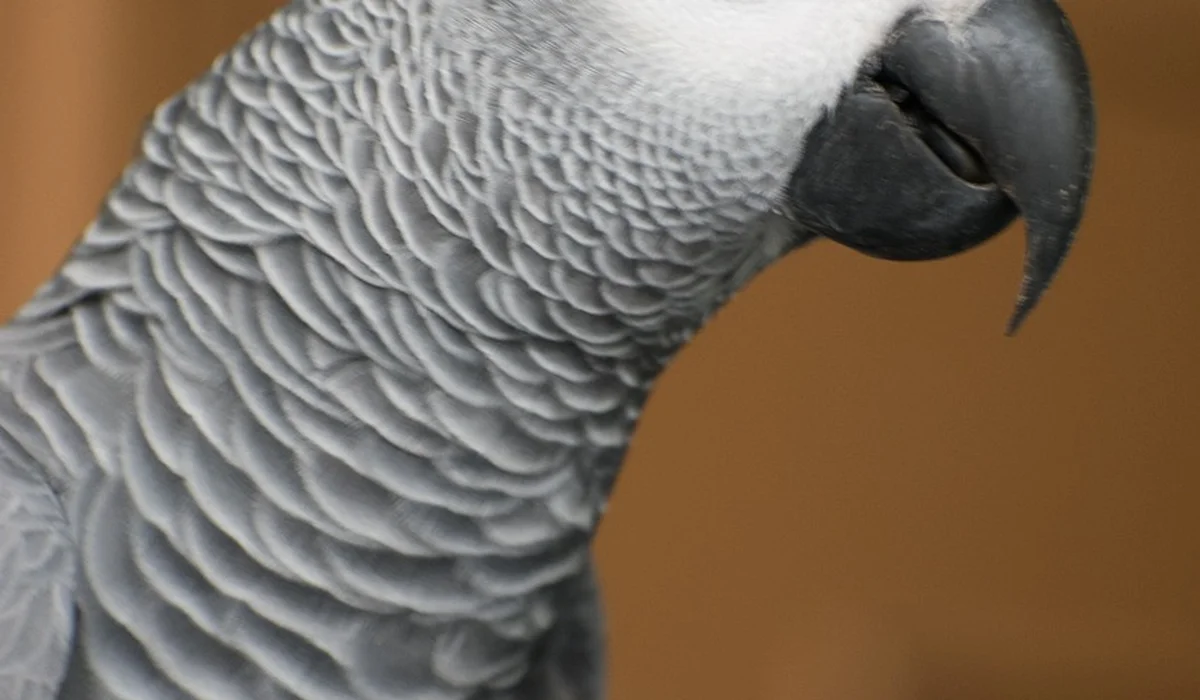
Finding parrots in the wild feels like a treasure hunt-I’ve spent countless mornings tracking my own birds’ favorite spots to understand their natural rhythms. Early mornings and late afternoons are prime times, as parrots are most active during these cooler parts of the day.
Best Times and Locations for Observation
Look for fruit trees, water sources, and forest edges. In tropical countries, parks and botanical gardens often host wild flocks. My Green-cheeked Conure, Kiwi, taught me that dense canopies offer safety, so scan treetops carefully.
Essential Gear for Parrot Watching
- Binoculars with good light gathering for dim forest conditions
- Field guide specific to local parrot species
- Camera with zoom lens-remember to turn off the flash
- Notebook for recording behaviors and locations
- Water and sun protection for extended watching sessions
Respecting Wild Parrot Habitats
I never approach nests or feeding areas too closely-observe from a distance that doesn’t disturb their natural behaviors. Stay on marked trails to avoid damaging fragile ecosystems where these birds raise their young. Never feed wild parrots, as human food can harm their digestive systems and alter natural foraging patterns.
Legal Considerations for Parrot Ownership
After years of navigating parrot regulations across three countries, I’ve learned that laws exist to protect both birds and people. Many parrot species face extinction due to habitat loss and illegal trapping. In California, parrot ownership rules and conservation efforts help protect both private owners and wild flocks. These laws aim to safeguard wild populations while supporting responsible pet ownership.
International Wildlife Protection Laws
CITES (Convention on International Trade in Endangered Species) regulates cross-border movement of parrots. Species like African Greys require special documentation. I had to provide extensive paperwork when moving with my African Grey, Sage, between countries. Importantly, CITES doesn’t grant ownership. It governs how you can legally transport an exotic parrot, so owning one comes with permit responsibilities.
Country-Specific Pet Regulations
- Australia: Strict quarantine periods and import bans on most foreign species
- United States: Wild Bird Conservation Act prohibits import of many wild-caught parrots
- European Union: Requires microchipping and registration for larger parrot species
- Brazil: Complete protection of native species-only captive-bred birds with documentation allowed as pets
Permit Requirements for Certain Species
Larger parrots like Macaws and Cockatoos often need special permits demonstrating proper housing and care knowledge. Research your local wildlife agency’s requirements before considering any protected species. Legality and housing regulations for parrots vary by locale, so check both permits and enclosure standards in your area. Noncompliance can lead to fines, confiscation, or inability to keep the bird. I’ve seen too many well-meaning owners face legal issues because they didn’t understand permit processes.
FAQs
How does climate affect parrot care in different countries?
Climate influences housing needs, such as indoor heating in colder regions or shaded outdoor aviaries in tropical areas. Always research local weather patterns to ensure your parrot’s diet and activity levels match seasonal changes for optimal health. Adjusting care for different seasons is essential for your parrot’s well-being.
What are the costs associated with owning a parrot in various regions?
Costs vary by country, including expenses for vet care, specialized food, and permits in regulated areas. Budget for ongoing needs like toys and cage maintenance, as prices can differ significantly based on local availability and import laws.
Can I travel with my pet parrot internationally?
International travel requires compliance with CITES regulations and country-specific import permits to avoid legal issues. Plan ahead by consulting airlines and authorities, as quarantine and health certifications are often mandatory for safe transport.
A Final Thought on Finding Feathered Friends
Your journey to find a parrot should always start with deep research into species-specific needs, the legalities of ownership in your country, and a commitment to sourcing from ethical breeders or rescues. Matching a bird’s natural behaviors and lifespan to your lifestyle is the most critical step to ensuring a happy home for both of you. In other words, choosing the right pet parrot for your home lifestyle means matching its daily needs, activity level, and space to what you can provide. This thoughtful alignment minimizes stress for the bird and increases the chance of a long, harmonious relationship.
Owning a parrot is a lifelong promise that extends far beyond the initial excitement of bringing them home. I urge you to embrace the ongoing learning, provide a diet rich in fresh foods and mental stimulation, and always prioritize their welfare, creating a bond built on mutual trust and respect. If you’re considering a parrot as the right pet, this lifelong responsibility becomes even more essential. A parrot truly thrives when your home supports their social needs and enrichment.
Further Reading & Sources
- Parrot – Wikipedia
- What country has the most species of cockatoos and parrots? – Quora
- Top Twelve Countries For Wild Parrot Species (Number Of Species) | Miles To The Wild
Suzanne Levine is a dedicated parrot enthusiast and experienced avian caregiver with over 15 years of hands-on experience in parrot care. As the founder of Parrot Care Central, Suzanne is passionate about sharing her knowledge and insights to help fellow parrot owners provide the best possible care for their feathered friends. Her expertise spans nutrition, behavior, health, and enrichment, making her a trusted resource in the parrot care community.
Finding a Parrot