
What is the Ideal Temperature Range for a Pet Parrot?
Is your parrot fluffing up constantly or holding its wings away from its body? These subtle signs often mean your bird is fighting to stay at a comfortable temperature, and getting it wrong can lead to serious health issues.
After caring for my three parrots-Kiwi, Sunny, and Sage-I’ve seen firsthand how sensitive they are to even small changes in their environment. I’m here to cut through the confusion and give you the clear, practical guidance I wish I had when I started.
By the end of this guide, you’ll have a solid grasp on three core ideas:
- The specific, safe temperature band where most pet parrots are happiest and healthiest.
- The unmistakable behaviors that scream “I’m too hot!” or “I’m too cold!” so you can act fast.
- Simple, effective strategies to create a stable, cozy climate in your home, no matter the season.
Consider this your straightforward roadmap. We will cover: ideal temperature ranges by species, must-have monitoring tools, and proactive seasonal adjustments.
The Perfect Parrot Paradise: Finding the Ideal Temperature Range
Daytime Delight: Active Hours Comfort Zone
For most pet parrots, the sweet spot during their busy daytime hours is between 70°F and 80°F (21°C to 27°C).Consistency within this range is your best friend; wild temperature swings are a major stressor for our feathered companions. I keep a simple digital thermometer at cage level, away from direct drafts or sunlight, to monitor this religiously. Think of it like your own comfort—you wouldn’t want to spend your day in a room that’s baking hot one minute and chilly the next. As holidays approach, consider using a parrots comprehensive seasonal safety checklist to identify seasonal risks. It helps keep your feathered friend safe through the celebrations.
My Green-cheeked Conure, Kiwi, is at his most playful and chatty when the ambient temperature sits right around 75°F. If it creeps toward 85°F, he gets noticeably quieter and starts holding his wings slightly away from his body. That’s my cue to adjust the AC or move his play gym.Watch your bird’s body language; they are incredible communicators of their own comfort.
Nighttime Nods: Slightly Cooler for Rest
Just like us, parrots benefit from a slight dip in temperature for a good night’s sleep. A drop of about 5-10 degrees Fahrenheit from the daytime high is ideal.Aim for a nighttime range of 65°F to 75°F (18°C to 24°C)-this cooler environment signals that it’s time to settle down and rest. In their natural habitats, temperatures do fall after the sun sets, so replicating this gentle cycle supports their natural rhythms, contrasting with daytime temperature regulation for parrots.
I achieve this by simply lowering the household thermostat in the evening. Never place a cage directly in front of a cold air vent or an open, drafty window at night.Your goal is a gentle, ambient coolness, not a cold blast of air directly on your sleeping bird. My Sun Conure, Sunny, tucks her head tightly into her back feathers and sleeps soundly through the night in this slightly cooler, quiet environment.
One Size Doesn’t Fit All: Species-Specific Temperature Tips
While the general ranges above are a fantastic starting point, where your parrot comes from in the world makes a big difference. A Macaw from the Amazon rainforest has different needs than a Cockatiel from the Australian outback. If you’re curious about where to find parrots in different countries, you’ll see that each region hosts its own native species. Knowing the country of origin helps you know what to expect and where to look.
Tropical Sun-Lovers: Conures, Macaws, and Amazon Parrots
These birds hail from warm, humid rainforests and generally tolerate-and often prefer-the warmer end of the spectrum.For my conures, Kiwi and Sunny, I try to keep their space consistently between 75°F and 80°F during the day. They relish morning sunshine (through a window, not direct outdoor heat) and enjoy misting baths to mimic humidity. Watch for signs of overheating, like panting or holding wings fully out, and always provide plenty of fresh, cool water.
Temperate Thinkers: African Greys and Pionus Parrots
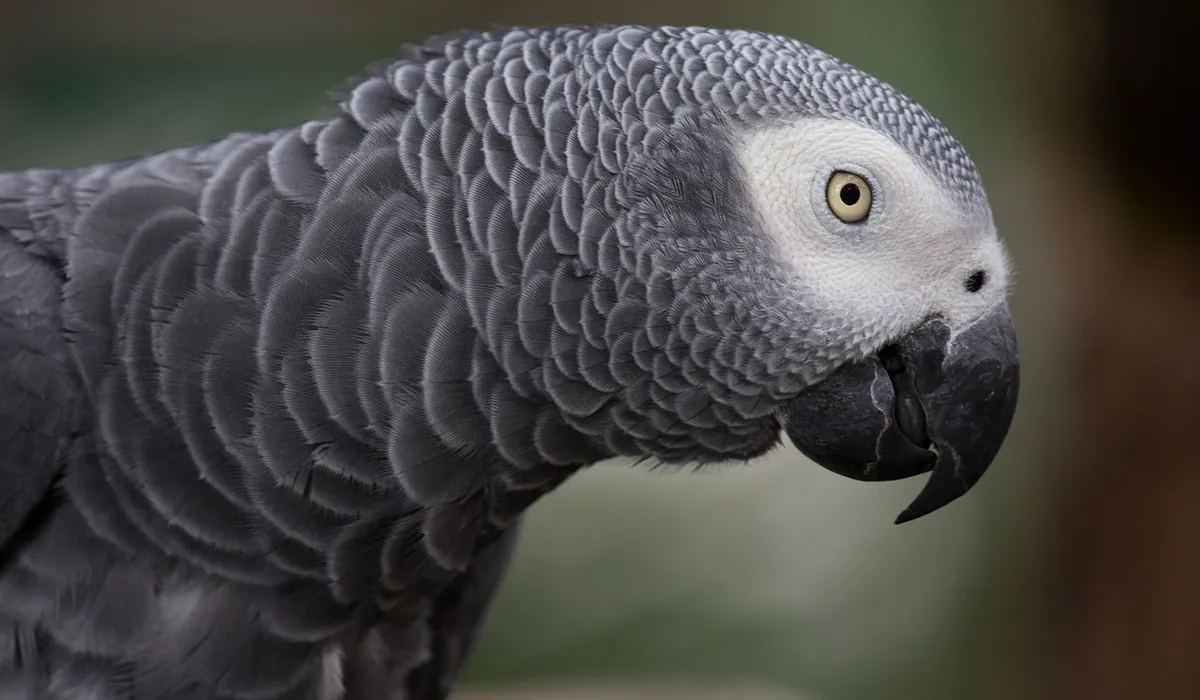
Species like the African Grey often originate from forest edges or savannas that aren’t as constantly steamy as deep rainforests. My African Grey, Sage, seems most content and engaged when the temperature is on the moderate to slightly cooler side, around 70°F to 75°F. She becomes visibly uncomfortable if the room gets too warm and stuffy.Excellent ventilation and avoiding stagnant, hot air is key for these intelligent, more temperate-climate birds. They are less tolerant of high heat than their tropical cousins.
Compact Companions: Budgies, Cockatiels, and Lovebirds
These smaller parrots are often quite hardy, but their tiny size means they can lose body heat more quickly than a large Macaw. They generally do well in the standard 70-80°F daytime range.The bigger risk for small birds is drafty, cold areas, especially at night. Ensure their sleeping spot is free from chilly drafts coming under doors or from windows. Providing a snug, enclosed sleeping hut or tent (made of bird-safe materials) can offer them a cozy microclimate and a sense of security. Always monitor the use of any fabric huts for safety.
More Than Just a Number: Environmental Factors That Matter
The perfect thermostat setting is a great start, but it’s only one piece of the comfort puzzle for your parrot. Their little bodies are finely tuned to the entire atmosphere of their room.
Humidity Harmony: The Moisture Balance
Parrots are rainforest and savanna natives; most homes feel like a desert to them. Dry air is a sneaky culprit for itchy skin, powdery down feathers, and respiratory irritation. My African Grey, Sage, used to get these tiny flakes on her feathers until I realized our winter air was too parched. It’s crucial to maintain proper humidity levels in the home for parrots to thrive.
You’re aiming for a relative humidity between 40% and 60%. A simple digital hygrometer placed near the cage tells you the truth. Boosting moisture is easier than you think.
- Run a cool-mist humidifier a few feet from the cage (not directly on it).
- Offer a shallow bathing dish daily-my conure Kiwi loves to dunk her head and shake.
- Place safe, water-loving houseplants like Boston ferns in the room (out of beak’s reach!).
Draft Detectives: Safeguarding the Cage Zone
A gentle breeze to us can be an arctic blast to a parrot. Drafts are invisible temperature traps. Your bird should never be in the direct path of air from an open window, an air conditioner vent, or a frequently opened exterior door.
I learned this the hard way when Sunny’s cage was temporarily near a patio slider. She started sneezing! Do a draft check: lightly hold a feather or the back of your hand where the cage sits. Feel a persistent cool stream? Time to move.
- The best spot is an interior wall, away from direct sunlight and air vents.
- Ensure the room has good general air circulation without creating a wind tunnel.
- If you must open a window, move the cage to another room first.
Reading Your Bird’s Body: Signs of Temperature Trouble
Parrots are masters of disguise when they feel unwell, but their bodies send clear signals if you know the code. Some tremors are normal—like excitement, being cold, or after a bath. You can learn more about what constitutes normal behavior here. However, persistent or unusual shaking can be a health warning. Watch for these tell-tale signs daily.
Too Hot to Handle: Spotting Heat Stress and Stroke
Birds overheat fast because they can’t sweat. Panting with an open beak and holding wings slightly away from the body are the two biggest red flags for overheating. It means your bird is desperately trying to cool down.
Other warning signs include:
- Wet-looking feathers around the face or cere (nose area).
- Lethargy or weakness, often sitting fluffed on the cage floor.
- Rapid, shallow breathing even when at rest.
If you see this, act immediately. Move the cage to a cooler area, mist the bird lightly with cool (not cold) water, and offer fresh drinking water. Heat stroke is a veterinary emergency.
Chilled to the Bone: Recognizing Hypothermia
A cold bird is trying to conserve every bit of warmth. The classic sign of a too-cold parrot is being “fluffed up for prolonged periods” – they’re trapping warm air against their skin. This is different from a quick, contented fluff after preening. Sometimes parrots fluff to rest or regulate body temperature, which is normal contentment. If fluffing lasts with other symptoms, it could signal illness.
My first clue with Kiwi is when she stops her usual chatter and becomes unusually still. Watch for these behaviors:
- Constant, puffed-up posture, often with head tucked into feathers.
- Loss of coordination or seeming “sleepy” and unresponsive.
- Foot curling or constant standing on one foot to minimize heat loss.
Warm them up gently. Move the cage away from drafts, provide a snuggle-safe heating pad on low *outside* part of the cage, or cover three sides of the cage with a blanket to trap heat. Never use direct heat sources like hair dryers.
Tools of the Trade: Monitoring and Managing Your Parrot’s Climate
Getting the numbers right is step one, but keeping them steady is where the real magic happens. Think of yourself as your parrot’s personal climate manager. You can’t fix what you don’t measure, so reliable tools are your first line of defense for your bird’s comfort.
Your Monitoring Squad: Thermometers and Hygrometers
Guessing the temperature in your home is a recipe for trouble. I learned this after a drafty winter week left Kiwi, my conure, looking puffed up more often than usual. A quick digital check showed his corner was a chilly 68°F! I immediately moved his cage and the difference in his energy was night and day.
- Skip the old-fashioned stick-on dials. Go for a digital combo thermometer/hygrometer. They’re cheap, accurate, and show both temperature and humidity at a glance.
- Place one directly on or near the cage, away from direct sunlight or drafts from a vent. I have a second one across the room to compare readings.
- Humidity is the silent partner to temperature. Dry air from heating or air conditioning can lead to itchy, flaky skin and respiratory irritation for your parrot. Aiming for that 40-60% range makes a huge difference, especially for species like African Greys.
Warmth Warriors: Safe Heating Solutions for the Cage
When the mercury drops, our instinct is to warm our birds up. Caution is king here. Human heating pads and human space heaters are dangerous-they can overheat, cause burns, or release toxic fumes from non-stick coatings when hot.
My go-to solution for my flock is a radiant heat panel mounted outside the cage. It warms their bodies directly, like a miniature sun, without roasting the air or posing a burn risk. For a quick, safe spot-heat, a microwavable Snuggle Safe disk wrapped in a thick towel works wonders under a corner of the cage. Sage loves to sit above his on cold mornings. Always provide an easy escape route to a cooler part of the cage so your bird can self-regulate its temperature.
Cooling Commanders: Fans, AC, and Airflow Management
A stagnant, hot room is miserable for a parrot. But blasting a fan directly at them is a major no-no. It can cause a dangerous chill and dry out their sensitive respiratory systems.
- Use fans to move air in the room, not at the cage. Point a fan at a wall to create a gentle breeze that circulates air without creating a direct draft.
- Air conditioning is a lifesaver in heatwaves, but avoid placing the cage in the direct path of the cold air stream. That constant blast is as bad as a cold draft in winter.
- Never use “swamp coolers” or evaporative coolers around parrots. The increased moisture can promote mold and bacterial growth in the air, which birds’ super-efficient lungs are highly susceptible to.
Your goal is gentle, consistent air movement that prevents stuffiness without creating a wind tunnel effect around their home.
Seasonal Shifts: Adapting Your Parrot’s Environment Year-Round
Our homes aren’t static, and neither are a parrot’s needs. Being proactive as the seasons turn keeps them thriving instead of just surviving.
Summer Sizzle: Beating the Heat with Smart Habits
Parrots can overheat quickly. Sunny, my sun conure, will hold his wings slightly away from his body when he’s warm-a clear signal he needs a cooldown. This is one of the signs of heat stress in parrots.
- Offer a shallow dish for bathing daily. Many parrots will splash around to cool off.
- Lightly mist your bird with a clean spray bottle filled with lukewarm water. It mimics rain and is incredibly refreshing. Do this in the morning so they dry fully before any evening chill.
- Provide chilled (not frozen) treats. My flock goes crazy for a sprig of cilantro or a blueberry kept in the fridge for an hour.
- Close blinds during the hottest part of the day to block direct sun from heating the cage.
Watch for signs of heat stress: heavy panting with an open beak, holding wings far out, or lethargy. Immediate cooling is crucial.
Winter Woes: Cozying Up Safely in the Cold
Winter brings its own set of challenges-dry air and cold snaps. This is when your monitoring tools really earn their keep.
Combat dry air from your furnace by adding a humidifier to the room. I use a cool-mist ultrasonic one and notice Sage preens less frantically. You can also place wide bowls of water near heat sources to add moisture to the air.
Drafts are the enemy. Run your hand around windows and doors near the cage to feel for sneaky chills. Even a small draft can make a big difference. Consider using a cage cover at night to create a cozy, draft-free sleeping tent, but ensure one side is always left open for ventilation.
Remember, a slightly cooler room (around 65°F) at night is natural and safe, as long as your bird is healthy, dry, and out of any direct draft. It often promotes better rest, mirroring the natural temperature drop in the wild.
FAQs
What is the absolute minimum temperature a pet parrot should experience?
Temperatures should never consistently fall below 65°F (18°C), especially at night. Extended exposure to colder conditions risks hypothermia, particularly for smaller or less cold-tolerant species.
For an Amazon parrot, is maintaining higher humidity as important as warm temperature?
Yes, Amazon parrots originate from humid rainforests and require relative humidity of 40-60% alongside warm temperatures. Humidity and temperature interact to influence a parrot’s respiratory comfort and overall health. Maintaining both within comfortable ranges supports optimal health. Dry air can lead to respiratory and skin issues, so using a humidifier is often beneficial.
How quickly can a sudden temperature change impact my parrot’s health?
Sudden drops or spikes can cause immediate stress, weakening the immune system and triggering discomfort. Always aim for gradual adjustments and avoid placing the cage in drafty or directly heated areas.
Key Takeaways for Your Feathered Friend
Keeping your parrot comfy boils down to avoiding the extremes. Aim for a steady, draft-free environment between 65°F and 80°F, with 70-75°F being the sweet spot for most species like my conures, Kiwi and Sunny. Watch your bird, not just the thermometer-a fluffed-up parrot sitting still might be chilled, while one panting with wings held out is too hot. Don’t forget about humidity; a light mist or a room humidifier can make a world of difference for their skin and feathers.
Caring for a parrot is a lifelong lesson in observation and adaptation. What works for my chatty African Grey, Sage, might not suit a sun conure, so always research your specific bird’s natural history. Think about your home—size, noise level, and daily routine—when choosing a parrot, so you pick a species that truly fits your lifestyle. The right pet parrot fits your routine, space, and care capacity, making ownership sustainable. Your commitment to learning and providing a stable, loving environment is the truest form of responsible pet ownership. When in doubt, your avian vet is your best partner in ensuring your feathered companion thrives for years to come.
Further Reading & Sources
- How To Keep Your Parrot The Right Temperature – Northern Parrots
- Temperature
- Ideal Temperature Ranges For Parrots | BeChewy
Suzanne Levine is a dedicated parrot enthusiast and experienced avian caregiver with over 15 years of hands-on experience in parrot care. As the founder of Parrot Care Central, Suzanne is passionate about sharing her knowledge and insights to help fellow parrot owners provide the best possible care for their feathered friends. Her expertise spans nutrition, behavior, health, and enrichment, making her a trusted resource in the parrot care community.
Housing